المدونة
GCC Economy 2026: Tactical Playbook for B2B Traders & Logistics
The GCC economy faces a projected 2.4% contraction in 2026, driven by a steep 14.5% drop in regional oil output and a 30% decline in tourism arrivals. Geopolitical disruptions have tightened supply chains, softened consumer spending, and created uncertainty across energy, logistics, and hospitality. Yet major players like Saudi Aramco, SABIC, and Emaar Properties demonstrate that decisive action can safeguard cash flow and position businesses for the forecasted 8.1% rebound in 2027.
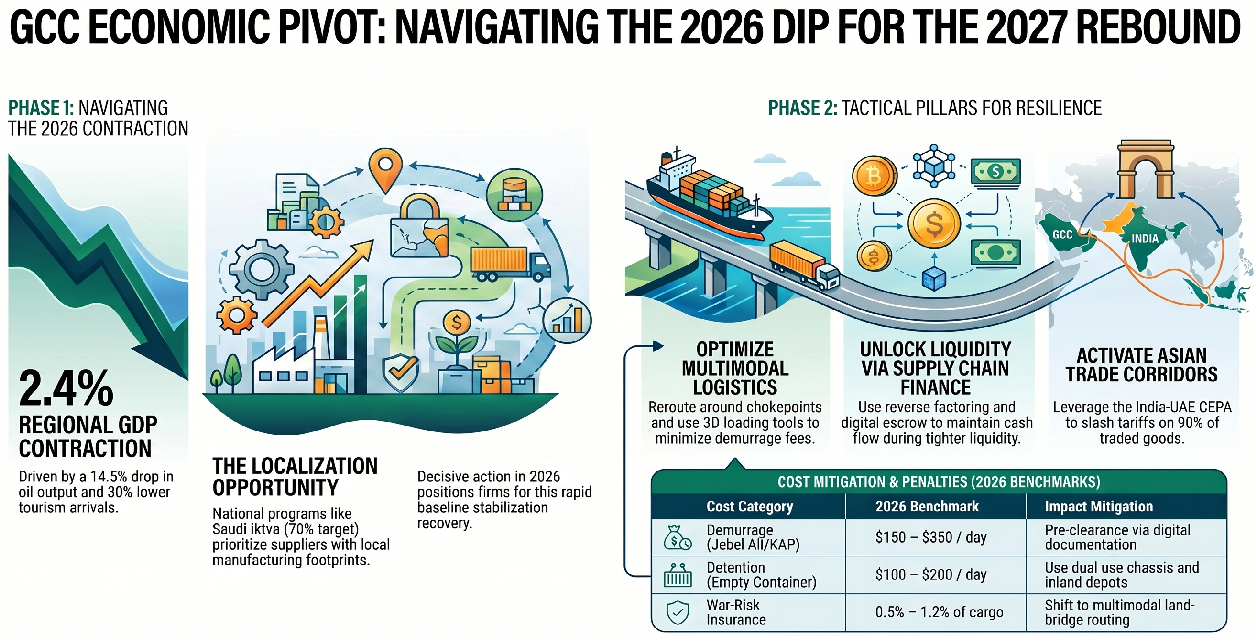
GCC Economic Pivot Infographic
For B2B traders, manufacturers, logistics providers, and service firms operating across the UAE, Saudi Arabia, Oman, Qatar, Kuwait, and Bahrain, this is not a time for retreat. It is a window to realign operations, capture local content opportunities, diversify revenue streams, and strengthen cross-border resilience. This guide delivers actionable strategies grounded in current market realities.
💡 Market Note: Contextualizing the 2026–2027 Projections
The projected 2.4% contraction in 2026 and the subsequent 8.1% economic rebound in 2027 reflect baseline regional stabilization models. These figures align closely with conservative aggregate tracking data from international financial institutions (including revised IMF and World Bank regional outlooks) factoring in temporary energy production caps and anticipated supply chain normalization by early 2027.
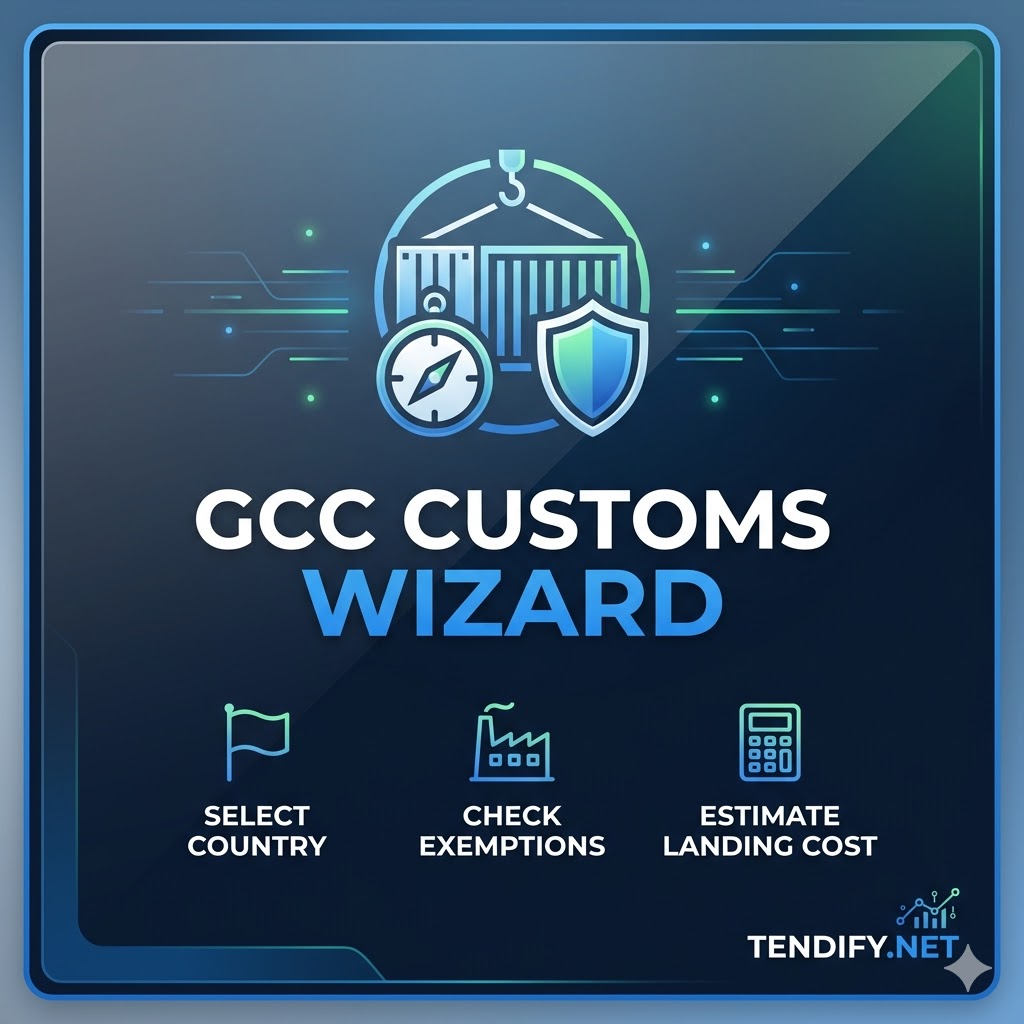
GCC Customs Duty Calculator & Exemption Guide
Understanding the 2026 GCC Economic Landscape
Regional GDP contraction stems primarily from energy sector pressures. Oil output declines sharply due to disruptions affecting key transit routes, while non-energy sectors contract modestly by about 1.1%. Tourism, a vital growth engine, suffers from reduced arrivals amid heightened uncertainty.

GCC Economy 2026
Fiscal deficits remain manageable, supported by higher oil prices around $80–$90 per barrel that partially offset volume losses. Non-oil diversification continues, with governments prioritizing local procurement, infrastructure, and private sector participation. Saudi Arabia’s iktva program, for instance, has hit 70% local content targets and aims for 75% by 2030, creating substantial openings for suppliers.
Key Impacts on B2B Operations:
- Logistics and Trade: Higher demurrage risks, rerouted shipments, and elevated insurance costs.
- Procurement: Accelerated demand for localized manufacturing and services under national content programs.
- Financing and Payments: Tighter liquidity requires robust escrow alternatives and efficient working capital tools.
- Market Access: Shift toward intra-GCC and Asia-focused trade corridors.
Businesses that treat this contraction as a catalyst for efficiency gain competitive edges when recovery accelerates.
Lessons from GCC Corporate Leaders in 2026
Saudi Aramco rerouted exports and maintained dividends while pushing local content to 70%. This underscores the value of supply chain flexibility and alignment with government localization goals.
SABIC divested non-core European and Americas assets for $950 million, redirecting capital to high-growth regions like its Fujian complex in China. Portfolio optimization preserved cash flow despite revenue pressure.
Emaar Properties leveraged a record revenue backlog exceeding AED 155 billion and mall expansions to generate stable recurring income, buffering residential slowdowns.
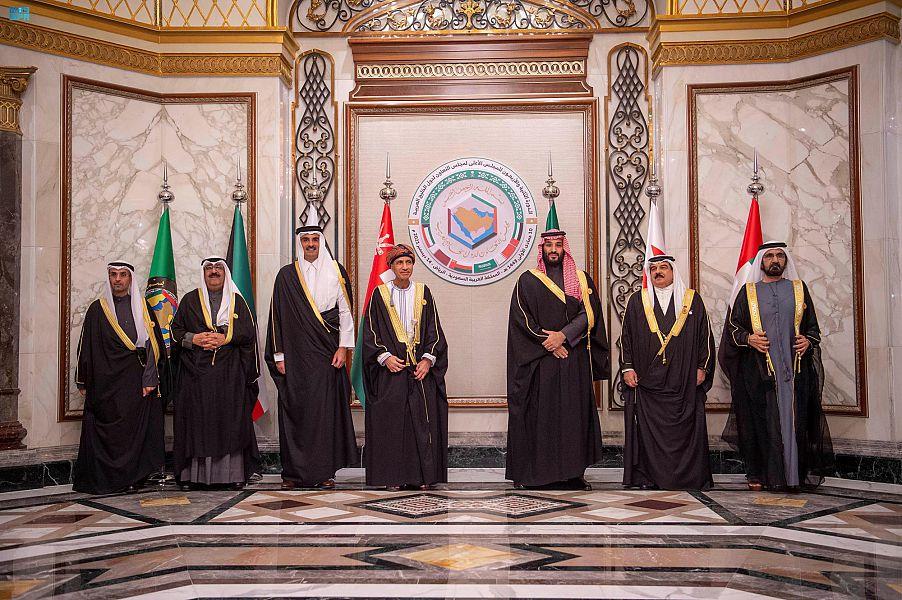
GCC Corporate Leaders
These examples highlight three pillars: supply chain agility, strategic capital allocation, and recurring revenue focus—principles any B2B operation can adapt.
Strategic Pillar 1: Align with Localization and Procurement Programs
National content requirements represent one of the strongest B2B opportunities in 2026. Aramco’s iktva and similar initiatives across the GCC prioritize suppliers who manufacture or add value locally.
Practical Steps to Qualify and Win:
- Map your offerings against priority sectors (manufacturing, logistics, renewables, construction materials).
- Partner with local entities or establish light-footprint operations in free zones.
- Certify products to relevant standards (SABER in Saudi Arabia, ESMA in UAE).
- Use digital tools for compliance tracking and bid preparation.
🇦🇪 🇴🇲 Expanding Localization: Navigating UAE & Oman ICV Programs
While Saudi Arabia’s iktva dominates the Kingdom’s procurement, B2B suppliers operating in the UAE and Oman must secure In-Country Value (ICV) certifications to remain eligible for major government and semi-government tenders.
United Arab Emirates (National ICV)
- Core Target: Mandatory for suppliers bidding with Abu Dhabi National Oil Company (ADNOC), Aldar, and various federal entities under the Ministry of Industry and Advanced Technology (MoIAT).
- How to Qualify: Formulas weigh your local manufacturing cost, Emirati investment, logistics footprint, and local workforce expenditure. Companies must prepare an audited financial statement and submit it through a MoIAT-approved certifying body.
Sultanate of Oman (JSRS & Oil-Sector ICV)
- Core Target: Administered through the Ministry of Energy and Minerals and major operators like Petroleum Development Oman (PDO). Registration via the *Joint Supplier Registration System (JSRS)* is an absolute prerequisite.
- How to Qualify: Bids are scored on local asset utilization and the employment of Omani nationals (Omanization targets). Logistics and light assembly firms can heavily boost their scores by utilizing domestic supply chains and ports like Sohar or Salalah.
Case Insight: Suppliers integrating into iktva ecosystems have seen sustained order books even during oil volatility.
Focus on high-demand areas like infrastructure components, sustainable packaging, and digital services that support Vision 2030 and equivalent programs.
2026 Kearney FDI Index: Why Capital is Flooding the GCC
Strategic Pillar 2: Optimize Cross-Border Logistics and Costs
Disruptions demand smarter routing and cost control.
- Multimodal Planning: Combine sea, land, and air options with real-time visibility. Reroute away from constrained chokepoints.
- Container and Cargo Optimization: Employ 3D loading tools to maximize utilization and minimize demurrage/detention fees, which can reach thousands per container in GCC ports.
- Tariff and Compliance Navigation: Leverage updated calculators for GCC VAT, Indian duties, and global tariffs to avoid penalties.
- Incoterms Mastery: Select terms like CFR or DAP that balance risk and cost for current conditions.
📊 2026 GCC Logistics Benchmarks & Hidden Costs
Optimizing logistics requires a hard look at the actual operational penalties currently impacting Gulf trade corridors. Below are the estimated industry averages for port disruptions and insurance surcharges in 2026:
⚠️
SPS Crisis Barriers: The Hidden Protectionism in 2026
During economic contractions, GCC authorities frequently tighten Sanitary and Phytosanitary (SPS) measures and quarantine protocols under the guise of biosecurity. In reality, this serves as a non-tariff barrier to protect domestic agribusinesses and local food supply chains. For agrofood traders listing on marketplaces like Tendify, this means stricter sampling, zero-tolerance policy on minor pesticide residues, and extended quarantine holding times.
Survival Strategy: Never ship perishable agro-commodities or processed foods to Gulf ports without pre-verifying compliance via digitized pre-clearance certificates and obtaining pre-shipment lab approvals from regional bodies like the Saudi Food and Drug Authority (SFDA).
Actionable Checklist for a Single Shipment:
- Verify HS codes accurately.
- Prepare complete documentation early (commercial invoice, certificate of origin, packing list).
- Secure digital signatures and escrow for payments.
- Monitor vessel tracking and port congestion alerts.
Businesses cutting logistics costs by 10–20% through optimization maintain margins when competitors absorb delays.
Strategic Pillar 3: Strengthen Financial Resilience and Payments
Traditional letters of credit slow deals in volatile times. Escrow services and digital platforms reduce risk while accelerating cycles.
Key Tactics:
- Shift high-value transactions to escrow for trust without freezing capital.
- Use advanced loan calculators and trade finance tools to forecast cash flow.
- Hedge currency exposures (AED-USD stability remains a strength, but monitor others).
- Build diversified buyer networks to reduce single-market dependency.
🔄 De-Dollarization & Local Currency Settlement (LCS)
As liquidity tightens, smart B2B traders are bypassing traditional USD clearing routes. The expansion of bilateral trade agreements across the GCC, Asia, and ECO corridors has made Local Currency Settlement (LCS) a vital tool for preserving margins and avoiding SWIFT-related delays.
- Alternative Cleared Routing: Shift cross-border invoices to local currency pairs (e.g., AED, SAR, or CNY) utilizing regional cross-border payment systems to cut conversion friction.
- Hedging Conversion Risk: Utilize multi-currency escrow accounts and digital trade platforms to lock in exchange rates at the proforma invoice stage, neutralizing volatility in non-pegged currency corridors.
💳
Supply Chain Finance (SCF): Unlocking Liquidity Beyond Escrow
While digital escrow services secure transaction trust, they do not solve the acute cash-flow crunch of 2026. To combat tighter regional liquidity, elite B2B traders are moving beyond standard payment terms toward Supply Chain Finance (SCF) mechanisms, specifically Reverse Factoring و Purchase Order (PO) Financing. This allows suppliers to access immediate working capital from financial intermediaries based on the creditworthiness of high-tier buyers like Aramco or SABIC.
- Domestic Factoring: Leverage your approved invoices to receive up to 80-90% of the contract value within 48 hours, eliminating the 90-day waiting loop.
- Contract-Based Financing: Use verified tender wins and performance history on platforms like Tendify to unlock early-stage pre-shipment capital for bulk commodity processing.
Strategic Imperative: When structuring multi-million dollar deals in 2026, integrate third-party SCF options into your proforma negotiations. Converting static accounts receivable into dynamic cash is the single fastest way to maintain market agility while competitors are frozen by credit lines.
Proforma and Contract Tools: Generate compliant quotes and agreements rapidly to close deals faster than paper-heavy competitors.
Strategic Pillar 4: Diversify Markets and Product Offerings
Reduce oil-linked exposure by targeting resilient segments.
High-Potential Areas in 2026:
- Construction and Infrastructure: Materials compliant with local standards for ongoing mega-projects.
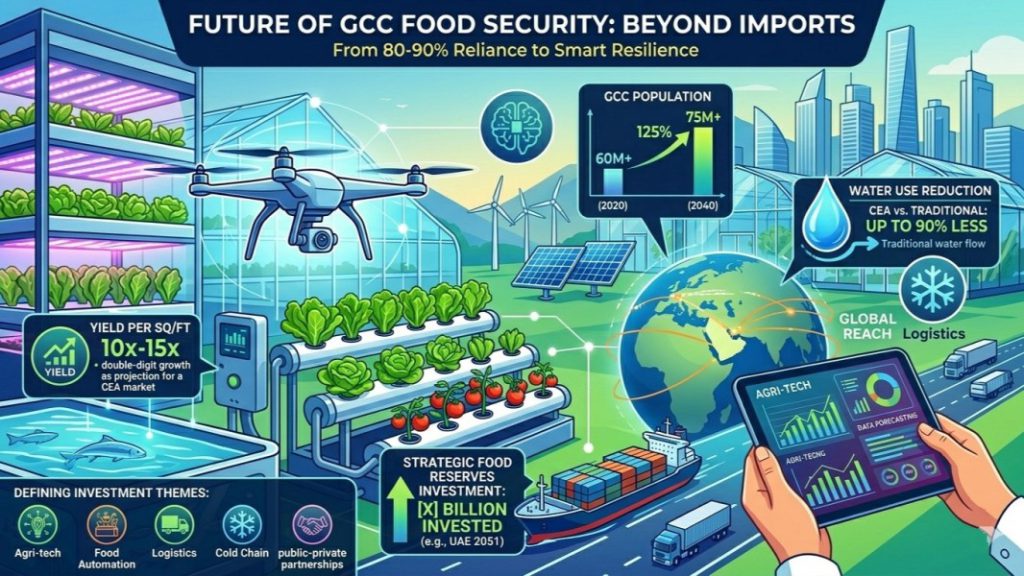
- FMCG and Food Security: Processed goods, packaging, and cold-chain logistics.
- Sustainability Solutions: ESG-compliant products, carbon tracking, and green logistics.
- Digital Services: AI-driven procurement, compliance, and market intelligence tools.
- Intra-GCC and Asia Trade: Capitalize on re-export strengths in UAE and emerging corridors.
🌏 Activating the Asian Corridor: Trade Frameworks to Leverage
Diversification in 2026 requires shifting from passive market entry to the strategic utilization of active trade treaties and emerging shipping corridors:
- The India-UAE CEPA Advantage: Capitalize on the Comprehensive Economic Partnership Agreement (CEPA) which eliminates or slashes tariffs on over 90% of traded goods between the Gulf and India, creating an immediate margin buffer for manufactured items and food imports.
- The China-GCC Petrochemical & Tech Axis: Utilize direct re-export networks out of logistics hubs like Oman’s Duqm or Dubai’s Jebel Ali to tap into Chinese industrial demand, routing through bilateral clearing channels that circumvent high-tariff Western zones.
- Multimodal India-Middle East Rail-Sea Routes: Explore integrated transit options bypassing volatile choke points by moving bulk commodities (like cement, bitumen, and packaging materials) through localized intra-GCC land networks.
Exhibition Calendars: Participate in 2026 events in UAE, Saudi Arabia, Qatar, Oman, and others to secure face-to-face commitments.
Strategic Pillar 5: Leverage Technology and Digital Platforms
Digital adoption separates survivors from the rest.
- AI Market Pulse: Track sentiment and trends in real time.
- Compliance Engines: Sanctions screening and documentation automation.
- CRM and Lead Management: Nurture relationships efficiently.
- Simulation Tools: Stress-test deals against black-swan scenarios.
Platforms that integrate these functions streamline operations without heavy upfront investment. For instance, tools like CarbonPro support ESG compliance increasingly required for GCC contracts.
Internal Link Suggestion: For deeper insights into digital freight forwarding, explore Streamlining Cross-Border Logistics for Efficient B2B Trade in the Gulf Region.
Risk Management: Contracts, Compliance, and Geopolitics
Incorporate strong force majeure, war-risk, and currency clauses. Conduct thorough due diligence on counterparties. Maintain flexible supply chains with multiple origins and routes.
⚖️ Contractual Risk Mitigation: Standard B2B Clauses for 2026
To insulate your bulk commodity trades (e.g., bitumen, cement, agri-products) from geopolitical disruptions and sudden port lockdowns, do not rely on generic templates. Implement these targeted, actionable clauses in your commercial contracts:
“If delivery is delayed by more than 14 international business days due to maritime route closures, targeted regional military escalations, or acute port congestion at key GCC hubs (including Jebel Ali or Sohar), the Seller shall be granted an immediate non-penalized extension. Should the disruption exceed 45 consecutive days, either party may terminate the contract without liability, and any secured advance escrow funds shall be returned fully to the Buyer within 7 business days, minus documented non-recoverable customs clearance costs already incurred.”
2. Multi-Stage Escrow Release Rule (Bulk Commodities)
When dealing with high-volume shipments where letters of credit are too slow or cost-prohibitive, utilize an automated digital escrow framework distributed by stages:
| Milestone Trigger | Escrow Release % | Mandatory Verification Document |
|---|---|---|
| Origin Loading | 30% | Clean Bill of Lading (B/L) + SGS Quality Certificate |
| Destination Arrival | 50% | Port Manifest Entry + Verified Customs Valuation Form |
| Final Handover | 20% | Buyer Delivery Acceptance Note (within 72 hours max) |
Compliance Priorities:
- Updated customs valuation rules.
- Phytosanitary and quality certifications.
- Anti-money laundering best practices.
Building Long-Term Advantage: From Survival to Leadership
Treat 2026 as a restructuring year. Companies that localize content, digitize operations, optimize costs, and diversify now will dominate the 2027 rebound.
Measurement Framework:
- Track local content percentage and procurement win rates.
- Monitor logistics cost per container and on-time delivery.
- Measure revenue diversification (non-oil linked share).
- Assess digital tool ROI through efficiency gains.
Internal Links: المراجعة GCC Ports 2026: Master Customs Valuation و The Role of Digital Freight Forwarders in Modern B2B Supply Chains.
In operations across the region, one pattern repeats: businesses embracing agility, localization, and technology not only weather contractions but emerge stronger. Platform.Tendify.net offers integrated utilities—from HS code finders to contract builders—that support these efforts in practice.
The GCC’s structural strengths—strategic location, sovereign capital, and reform momentum—remain intact. The difference lies in execution.
Position your operations today for the coming expansion. Register at https://tendify.net/my-account/ to access practical tools and connect with verified partners ready to move efficiently in this environment. The rebound favors the prepared.