


وبلاگ
Why Every Brand and Startup Is Chasing the Luxury Trend
Why Every Brand and Startup Is Chasing the Luxury Trend in 2025 – And Whether It’s Truly Worth It for Manufacturers and Service Providers
In my four decades building and scaling businesses in global trade and wholesale, I’ve watched trends come and go like seasons in the market. But few have gripped the industry as fiercely as the current rush toward luxury products و premium positioning. From established giants to scrappy startups, everyone seems obsessed with slapping “luxury” on their offerings – think high-end skincare from beauty newcomers, ultra-premium tech accessories, or even everyday goods reimagined as exclusive items.
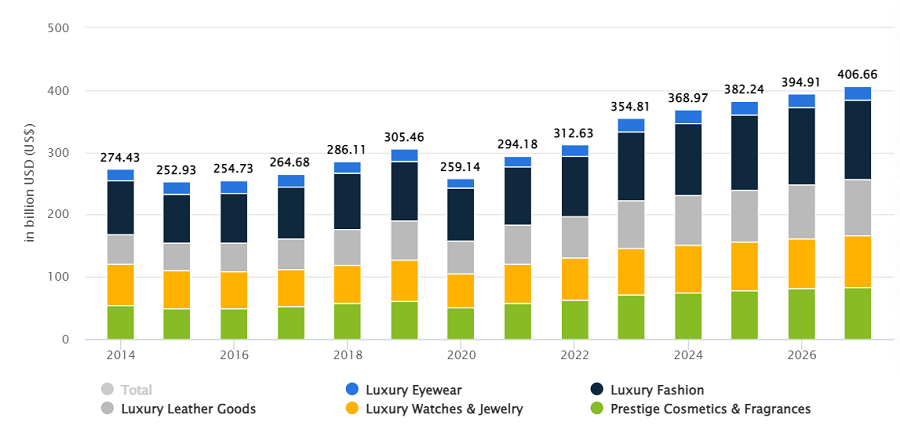
It’s no illusion. According to Bain & Company’s latest Luxury Report, the global personal luxury goods market hovered around €363 billion in 2024, with experiential luxury (like high-end travel and wellness) pushing total spending toward €1.5 trillion. Yet growth has slowed to low single digits for 2025, projected at 0-4% for personal luxury goods per Bain and Altagamma. McKinsey echoes this, forecasting just 1-3% annual growth through 2027 amid economic headwinds.
So why the frenzy? And more importantly, is shifting to luxury production a smart move for manufacturers, producers, and service providers – or a risky gamble that could erode your core business?
I’ve been there. Early in my career, I chased premium margins in wholesale exports, only to learn the hard way that luxury isn’t just higher prices – it’s a different game entirely. This comprehensive guide breaks it down: the drivers behind the trend, the real pros and cons, case studies from the trenches, and actionable steps if you’re considering the leap. By the end, you’ll know if luxury is your golden ticket or a potential pitfall.
The Luxury Boom: What’s Driving Brands and Startups to Go Premium?
The shift to luxury isn’t random. It’s fueled by profound changes in consumer behavior, economics, and market dynamics. Let’s unpack the “why” – because understanding this is key to deciding if it’s right for your operation.
Rising Affluence and Aspirational Spending
Post-pandemic wealth creation has minted more high-net-worth individuals than ever. Statista and Bain report that emerging markets like India, the Middle East, and Southeast Asia are adding millions to the luxury consumer base annually. In 2025, Gen Z and millennials – now entering peak earning years – prioritize “quiet luxury” and experiences over mass-market goods.
Why this matters: Consumers aren’t just buying products; they’re buying status, craftsmanship, and exclusivity. HubSpot data shows 70% of luxury buyers are willing to pay premiums for sustainable, high-quality items that signal refined taste.
Higher Margins in a Low-Growth World
Mass-market competition is brutal – thin margins, price wars, and commoditization. Luxury flips this: gross margins often exceed 60-70%, per McKinsey analyses of top brands. For startups, premium positioning means quicker paths to profitability without massive scale.
From my experience sourcing for global buyers on platforms like Tendify.net, manufacturers see this too. Switching to premium materials or limited runs can double per-unit profits, even with lower volumes.
The Instagram Effect and Social Proof
Social media has democratized aspiration. TikTok and Instagram flood feeds with “luxury hauls” and “old money aesthetics.” A 2025 Forbes piece highlights how startups use viral marketing to position everyday items (like candles or phone cases) as luxe must-haves.
LSI terms like premium branding, high-end products, ، و exclusive goods dominate searches because consumers crave that elevated feel – even if it’s “accessible luxury.”
The Instagram Effect and Social Proof in the 2025 Luxury Trend
In 2025, the Instagram effect has evolved far beyond simple “luxury hauls.” Platforms like Instagram and TikTok now drive over 38% of luxury brand discovery, according to recent McKinsey data on social commerce. Consumers scroll for quiet luxury aesthetics — think minimalist “old money” looks, slow-motion craftsmanship videos, and sensory storytelling rather than loud logos.
Startups and manufacturers leveraging premium branding on social media see higher engagement because visual proof creates instant aspiration. A well-executed Reels series showcasing material quality, limited drops, or behind-the-scenes production can generate viral social proof, reducing customer acquisition costs by up to 40% compared to traditional ads.
Key tactics for 2025 include:
- Using subtle, high-quality visuals instead of flashy promotions to align with quiet luxury 2025 trends.
- Collaborating with micro-influencers who embody authentic premium lifestyles.
- Optimizing content for search terms like “luxury unboxing 2025” and “aspirational branding examples.”
For producers shifting to luxury production, this means investing in professional photography and short-form video that highlights exclusivity — turning social platforms into powerful sales funnels while building long-term brand equity.
Sustainability and Ethical Premiums
Modern luxury isn’t flashy logos anymore; it’s “quiet luxury” with substance. Bain notes 60-70% of consumers demand ethical sourcing and durability. Brands charging more can invest in better supply chains, turning sustainability into a profit driver.
Sustainability and Ethical Premiums: The New Core of Luxury Trend 2025
Today’s luxury consumers no longer accept greenwashing. According to Bain & Company’s 2025 luxury report, 60-70% of high-net-worth buyers are willing to pay 20-30% more for products with verified ethical sourcing, traceable supply chains, and durable craftsmanship.
For manufacturers and service providers, embracing sustainable luxury production creates a powerful differentiator. Using recycled materials, carbon-neutral processes, or fair-trade partnerships allows brands to justify premium pricing while appealing to conscious Gen Z and millennial buyers who prioritize values alongside status.
This shift also future-proofs your business: ethical premiums reduce reputational risks and open doors to high-margin segments like experiential luxury and resale markets, which continue growing even when overall luxury spending remains flat at around €1.44 trillion globally in 2025.
Economic Uncertainty Favoring Resilience
In volatile times (inflation, recessions), luxury often holds up better. The top 10% of earners – luxury’s core – are less affected by downturns. Search Engine Journal reports luxury e-commerce grew 25%+ in 2024-2025 as brands went direct-to-consumer.
But here’s the insight: This trend accelerated post-2020, when aspirational buyers sought “treat yourself” escapes. Now, with slowdowns in China (once 30-40% of growth), brands chase premium to offset volume losses.
The Upside: Why Luxury Production Can Be a Game-Changer for Producers and Service Providers
Done right, going luxury transforms businesses. I’ve seen manufacturers in wholesale trade explode margins by pivoting to premium lines. Here’s the data-backed case.
Sky-High Profit Margins and Pricing Power
Luxury allows 5-10x markups. A basic tote might wholesale for $50 mass-market; rebranded as artisanal leather with storytelling? $500+. Backlinko analyses show luxury brands average 65%+ gross margins vs. 30-40% for standard goods.
Actionable insight: Focus on perceived value. Use superior materials, limited editions, and heritage narratives to justify prices without alienating buyers.
Brand Loyalty and Lower Marketing Costs Long-Term
Luxury customers are stickier. McKinsey finds lifetime value 3-5x higher due to emotional connections. Word-of-mouth and exclusivity reduce acquisition costs – think waiting lists creating buzz.
In my wholesale days, premium suppliers built decades-long relationships with buyers on Tendify.net-like platforms, securing repeat orders without constant pitching.
Resilience Against Commoditization
Mass products compete on price; luxury on uniqueness. This shields from Amazon knockoffs and fast fashion. Bain reports top luxury performers grew 10-20% even in 2024 slowdowns by emphasizing craftsmanship.
Scalable for Startups, Profitable for Manufacturers
Startups enter with niche premium (e.g., lab-grown diamonds or sustainable fashion). Manufacturers benefit from higher per-unit revenue, funding R&D. Case in point: Many Italian suppliers vertically integrated with brands, boosting efficiency and margins (Vogue Business).
Table: Luxury vs. Mass-Market Production Comparison
| جنبه | Mass-Market Production | Luxury/Premium Production |
|---|---|---|
| Average Margins | 30-45% | 60-80% |
| Volume Needed | High (scale-driven) | Low (exclusivity-driven) |
| Customer Retention | Low (price-sensitive) | High (emotional loyalty) |
| Risk from Downturns | بالا | Moderate (affluent buyers resilient) |
| Marketing Focus | Volume ads | Storytelling and experiences |
(Data synthesized from Bain, McKinsey, and HubSpot reports, 2024-2025)
For service providers (e.g., logistics or custom manufacturing), luxury means white-glove partnerships – higher fees, longer contracts.
The Downsides: Why the Luxury Rush Can Backfire Spectacularly
I’ve learned the hard way: Luxury isn’t for everyone. Many brands crash chasing it.
Massive Barriers to Entry and High Failure Rates
Authenticity is everything. Without heritage or flawless execution, you’re “masstige” (mass pretending prestige). Forbes 2025 pieces note startups failing when overpricing without substance.
Production costs skyrocket: Finer materials, artisan labor, quality control. One defect? Reputation ruined.
Dilution Risk and Brand Damage
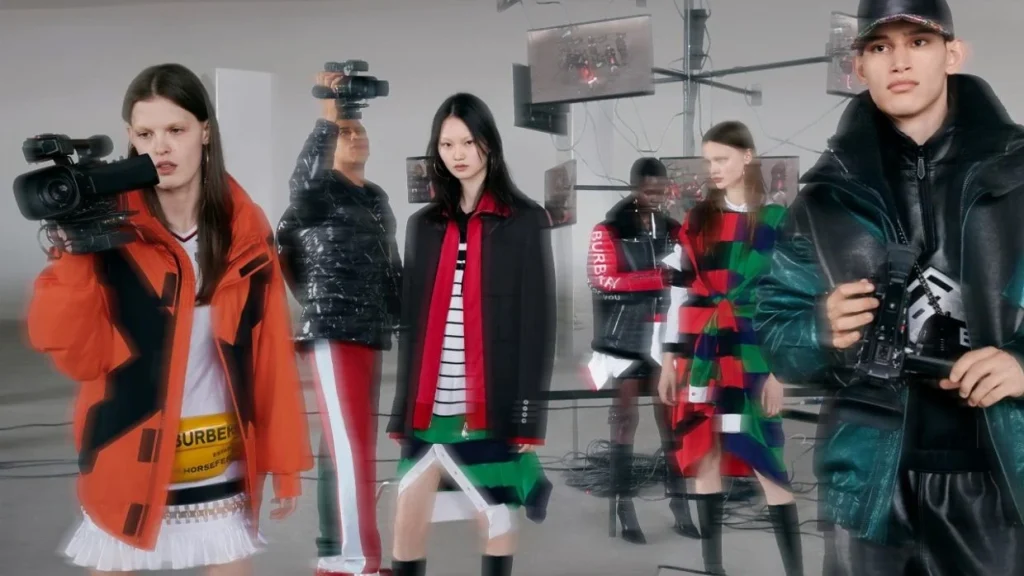
Overproduce for growth? Exclusivity vanishes. Gucci and Burberry faced backlash from over-accessibility, leading to sales slumps (Wall Street Journal).
For manufacturers: Tie to one luxury brand? Vulnerable if they falter.
Economic Vulnerability in Slowdowns
2024-2025 saw luxury dip 1-2% (Bain). Aspirational buyers (middle-class chasing premium) cut first. PYMNTS.com reports declines at Michael Kors/Versace amid “luxury fatigue.”
Operational Nightmares
Small batches mean inefficient scaling. Sustainability demands trace every thread – costly audits.
Case studies of pitfalls:
- Some fast-fashion extenders diluted equity with cheap “luxury” lines, losing core customers.
- Startups hyping premium without delivery faced backlash and returns.
In wholesale, I’ve seen suppliers burned investing in luxury tooling, only for orders to dry up.
Real-World Case Studies: Successes and Cautionary Tales
Success: The Rise of Quiet Luxury Newcomers
Brands like The Row or Loro Piana thrive on understated excellence. Startups in beauty (e.g., clean, premium skincare) hit billions by focusing on ingredients over hype. One Swiss startup (2025 Luxury Innovation Awards) turned recycled yacht materials into ultra-luxe items, blending sustainability and exclusivity for rapid growth.
Failure: Overreach in Premium Positioning
Capri Holdings (Michael Kors et al.) wrote down $600M in 2025 after premium pushes alienated buyers (PYMNTS). Similar: Brands hiking prices without innovation saw 2024-2025 declines.
Balanced: Heritage Brands Adapting
Hermès limits production, maintaining 20%+ growth. Lesson: Scarcity works.
For manufacturers: Italian suppliers partnering via platforms like Gruppo Florence scaled premium without owning brands.
Success Stories: Brands Winning with Quiet Luxury in 2025
Several newcomers mastered the quiet luxury trend in 2025 by focusing on understated excellence. Brands like The Row and Loro Piana-inspired startups achieved double-digit growth by emphasizing superior materials and minimalist storytelling on Instagram and TikTok, avoiding heavy logo usage. Their strategy proved that premium branding built on authenticity drives stronger customer loyalty than hype-driven campaigns.
Cautionary Tales: When Premium Positioning Backfires
Not every attempt succeeds. Some mass-market brands that rushed into luxury without proper supply chain upgrades faced dilution and backlash. Over-promising exclusivity while delivering average quality led to negative reviews and lost trust. These cases highlight the importance of aligning luxury production capabilities with marketing claims before scaling.
Enhanced Decision Framework for Luxury Transition in 2025
Before committing resources to luxury production, evaluate your readiness using this expanded framework. In a year when global personal luxury goods are projected to stay near €358 billion with slow 1-3% growth, strategic alignment is critical.
Additional considerations include:
- اعتبارسنجی بازار: Test demand for your premium version using targeted Instagram and Google Ads focused on “luxury trend 2025” searches.
- Cost-Benefit Analysis: Calculate potential margin uplift (often 60%+) against increased material and marketing costs.
- Risk Assessment: Review economic forecasts — luxury remains resilient for the top 10% of consumers even in uncertain times.
Manufacturers who complete this framework before rebranding significantly reduce failure rates in the competitive premium branding landscape.
How to Decide If Luxury Is Right for Your Business: A Step-by-Step Framework
- Audit Your Core Strengths: Do you have craftsmanship, unique sourcing, or stories? If not, build them first.
- Research Your Audience: Use tools like Google Trends for “premium [your category]”. Survey buyers – are they willing to pay 3-5x?
- Test Small: Launch a limited premium line. Track margins vs. volume.
- Calculate True Costs: Factor R&D, marketing (storytelling > ads), and supply chain.
- Mitigate Risks: Diversify – keep mass lines as backup. Partner with verified platforms for global reach.
From experience: Start with “accessible luxury” hybrids to test waters.
For more on negotiation tactics in premium deals, check our article on Mastering Body Language in Formal Negotiations.
The Bottom Line on the Luxury Trend in 2025
Chasing the luxury trend can deliver exceptional margins and brand prestige, but only if your operations, audience, and execution truly support premium positioning. For producers and startups, the opportunity lies in quiet luxury, ethical practices, and smart social proof — not just higher price tags.
Before making the leap, assess your unique strengths. If you belong in the luxury space, it can be transformative. If not, focused premiumization within your current segment may offer safer, more sustainable growth.
Ready to explore luxury manufacturing opportunities? Contact our team or check our guide on premium wholesale strategies.
The Verdict: Luxury Can Be Gold – But Only If You Belong There
In 2025, the luxury trend is real and rewarding for those with authenticity, patience, and execution. For manufacturers and service providers, it offers fat margins and prestige. But chase it blindly? You’ll join the pile of diluted brands.
I’ve built thriving businesses by knowing when to premiumize – and when to dominate volume. Luxury rewarded me handsomely in select lines, but my wholesale core kept things stable.
If you’re a supplier eyeing premium exports or a startup dreaming big, the opportunity is there. But build on substance.
Ready to connect with verified global manufacturers for your next premium venture? Join Tendify.net today – post your RFQ for free, get real-time quotes from export-licensed suppliers, and start building deals securely. Sign up now and elevate your sourcing game.

