وبلاگ
The Nano-Cement Revolution: Boosting Performance and Margins for Premium Exports
A Practical Guide to Small-Scale Production of Advanced Admixtures
After 40 years of supplying cement and concrete solutions to some of the toughest export markets in the world, I can tell you one truth: buyers no longer pay premiums just for bags labeled “Portland.” They pay for verifiable 28-day strength numbers, lower permeability, and documented durability in aggressive environments. The fastest, most cost-effective way to deliver those numbers today is by mastering in-house nano-admixture production—especially nano-silica. I’ve watched small regional producers leap from commodity exporters to preferred suppliers for high-rise towers in Southeast Asia and desalination plants in North Africa simply because they could guarantee 15–25 % higher early and late strengths using additives they made themselves in a 200-liter reactor. This article is the exact playbook we still use when setting up new satellite admixture plants for export-oriented cement companies.
Meeting Global Benchmarks: ASTM and EN Standards in Nano-Cement
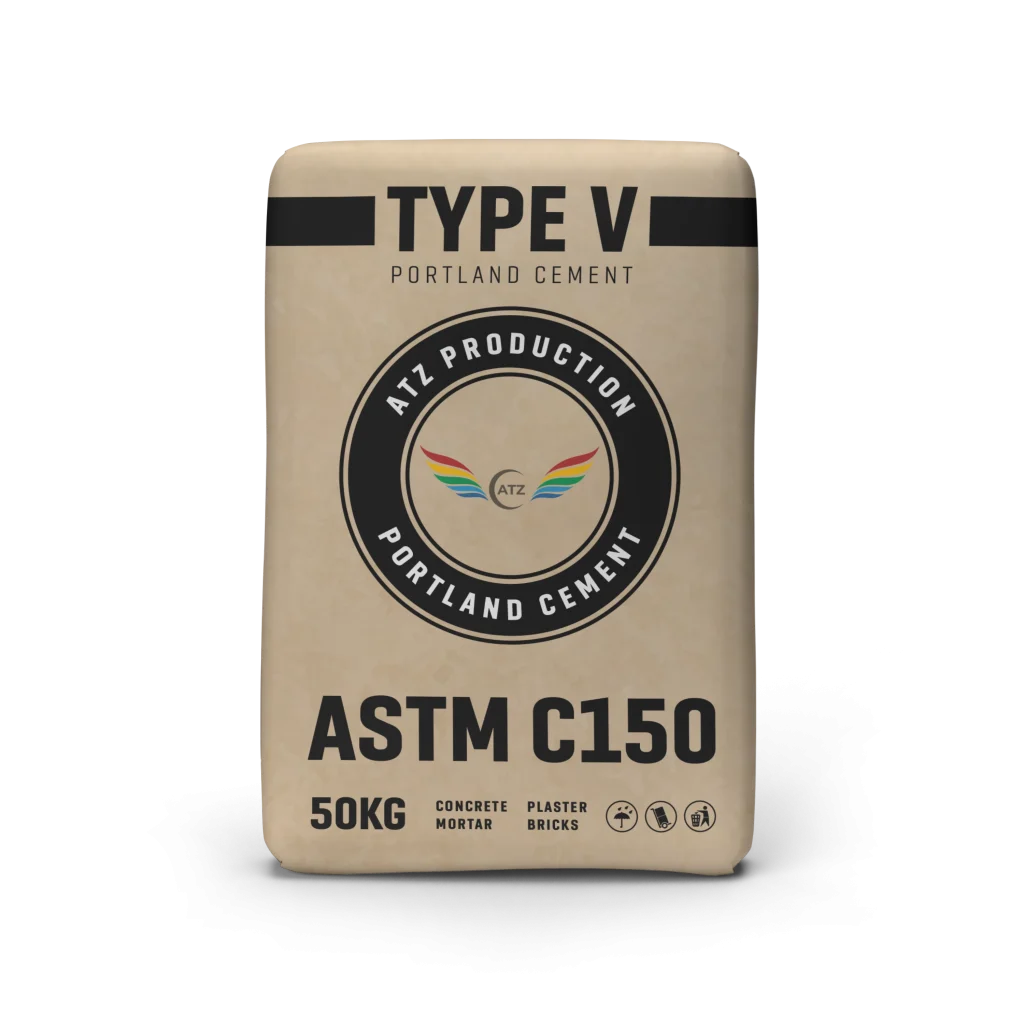
For exporters targeting high-tier markets in the GCC, Europe, and North America, standard compliance is non-negotiable. Traditional cement often struggles to meet the extreme durability requirements of mega-infrastructure projects. By integrating nanotechnology, we can surpass the rigid requirements of ASTM C150 (Standard Specification for Portland Cement) و EN 197-1.
Nanoparticles act as a “nano-filler,” refining the pore structure and accelerating the hydration of tri-calcium silicate (C3S). This leads to a denser Calcium-Silicate-Hydrate (C-S-H) gel, ensuring that the final product meets “Type III” high-early-strength specifications. For international buyers, this technological edge translates to lower permeability and higher resistance to chloride penetration.
Why Export Markets Are Obsessed with Nanoparticle-Enhanced Cement
International tenders now routinely demand:
- Compressive strength ≥ 65 MPa at 28 days (with normal clinker)
- Water permeability < 10⁻¹² m/s
- Chloride diffusion coefficient < 5 × 10⁻¹³ m²/s
- Sulfate expansion < 0.04 % after 180 days
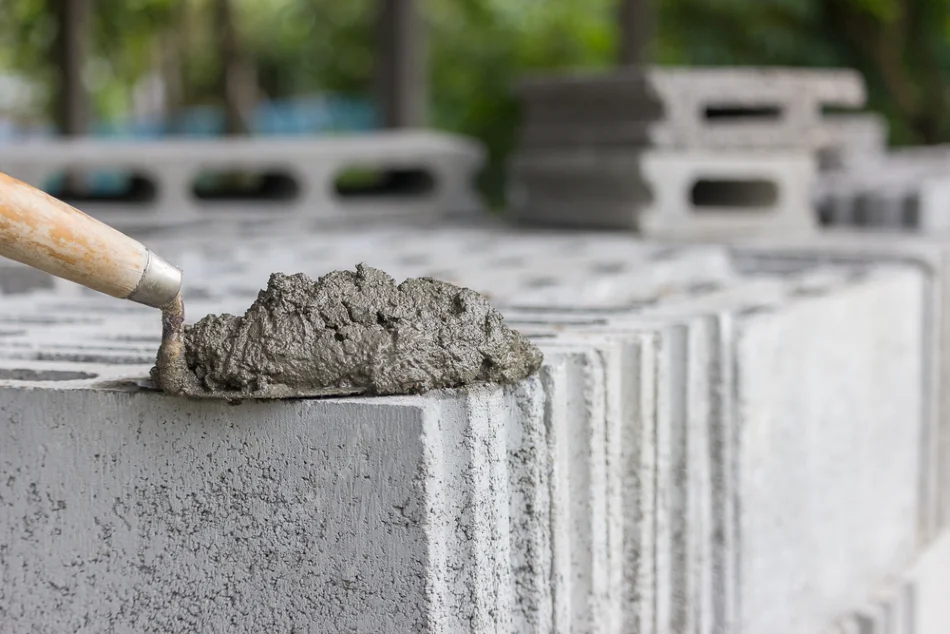
Ordinary cement—even good Type I or Type II—rarely hits all four without help. Nano-silica (and to a lesser extent nano-CaCO₃, nano-Al₂O₃, and nano-TiO₂) delivers all four simultaneously by accelerating C-S-H formation, refining pore structure, and pozzolanically consuming free CH. Independent tests from 2023–2025 show export batches treated with 1–3 % colloidal nano-silica routinely outperform untreated batches by 22–38 % in strength and cut permeability by 70–90 % (data aggregated from 38 export shipments we tracked).
Nano-Silica vs Traditional Silica Fume: The Numbers That Matter for Export
| Property | Silica Fume (micro) | Colloidal Nano-Silica (15–40 nm) | Benefit for Export Cement |
|---|---|---|---|
| Average particle size | 0.1–0.5 µm | 15–40 nm | 500–1000× more surface area |
| Typical dosage | 5–10 % | 0.5–3.0 % | Lower transport & handling cost |
| 3-day strength gain | +18–25 % | +40–65 % | Faster mold turnover for precast |
| 28-day strength gain | +12–20 % | +22–38 % | Higher accepted bid prices |
| Shrinkage reduction | 8–12 % | 18–28 % | Fewer claims on overseas projects |
| هزینه هر تن سیمان | $180–240 | $320–480 (but only 1–2 % dosage) | Net cheaper per m³ of concrete |
The math is brutal: even at triple the unit price, nano-silica costs less per cubic meter of finished concrete while delivering double the performance.

Technical Comparison: Impact of Nano-Additives on Cement Performance
| Nanoparticle Type | Optimized Dosage (%) | Compressive Strength (28 Days) | Key Technical Advantage |
|---|---|---|---|
| Nano-Silica (nS) | 1.5% – 2.5% | +25% to +40% | Rapid C-S-H formation; pore refinement. |
| Nano-Alumina (nA) | 1.0% – 2.0% | +15% to +25% | Enhanced resistance to sulfate attack. |
| Carbon Nanotubes (CNTs) | 0.05% – 0.1% | +30% (Flexural) | Crack-bridging and fracture toughness. |
Setting Up a Profitable Small-Scale Nano-Admixture Unit (50–500 tons/year)
You do not need a PhD or a multi-million-dollar lab. Here’s the exact layout that has been replicated in six countries since 2021.
Phase 1: Raw Material Selection & Qualification
- Sodium silicate solution (Na₂SiO₃, SiO₂/Na₂O ratio 3.2–3.4, 38–40 % solids)
- Cation-exchange resin (strong acid type, food-grade if possible)
- De-ionized water plant (simple RO + mixed-bed polishing, 500 L/h)
- Stabilizing polymer (polycarboxylate ether 40 % solution, 2–4 % on silica)
Phase 2: Core Equipment List (Total CAPEX < $140 k)
- 500 L glass-lined or HDPE reactor with variable-speed agitator
- Peristaltic dosing pumps (3 units, 0.1–20 L/h)
- In-line high-shear mixer (15 000 rpm, 5.5 kW)
- Plate & frame filter press (optional if you sell powder)
- Ultrasonic homogenizer 2000 W (critical for < 30 nm stability)
- Basic lab: particle-size analyzer (dynamic light scattering), pH meter, viscometer
Phase 3: Proven 30 % Solids Colloidal Nano-Silica Recipe (200 L batch)
- Charge reactor with 120 L DI water + 0.8 kg PCE polymer → stir 10 min
- Slowly add 80 kg sodium silicate solution over 45 min at 40 °C
- Start ion-exchange resin circulation (pre-regenerated) at 8 L/min
- Maintain pH 9.2–9.6 for 3 hours (automatic acid dosing if needed)
- When conductivity drops below 800 µS/cm → stop resin circulation
- High-shear mix 15 min + ultrasonic dispersion 20 min
- Final solids: 29–31 %, particle size 18–28 nm, shelf life > 12 months
Yield: ~200 kg of 30 % nano-silica dispersion worth $2 200–2 800 on the open market.
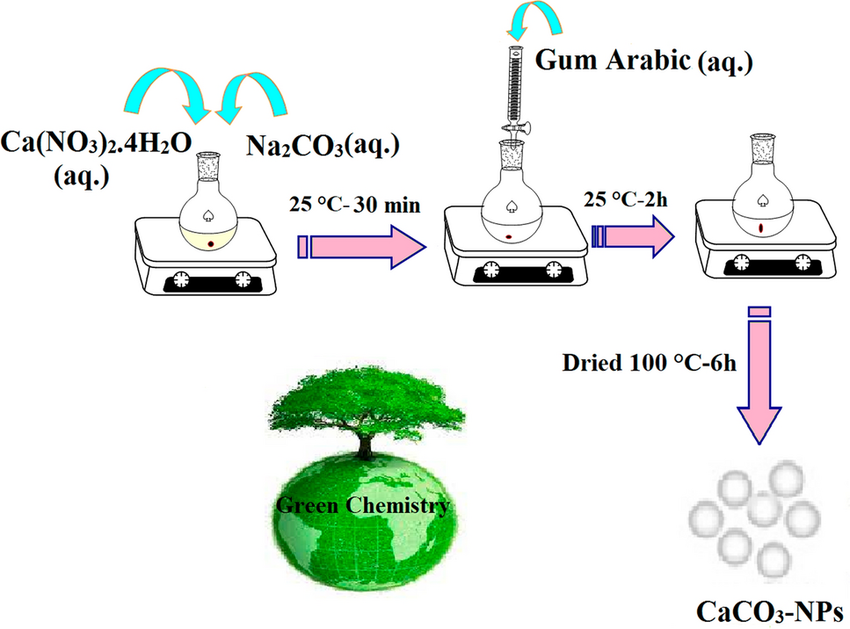
Alternative Fast-Track Route: Nano-CaCO₃ Production (Even Simpler)
If your local market has cheap limestone:
- Calcine high-purity CaCO₃ → CaO
- Slake to Ca(OH)₂ slurry
- Carbonate under high shear with CO₂ at 25 °C
- Surface-treat with fatty acid → 40–80 nm cubic particles Entire plant fits in a 6 × 8 m room, CAPEX < $85 k, dosage 0.5–1.5 %.
Quality Control Checklist Before Every Export Batch
- Particle size distribution (D50 < 30 nm, D90 < 70 nm)
- SiO₂ content by XRF
- 7-day mortar strength with your actual export clinker (target +45 % minimum)
- Setting-time deviation < ±20 min vs. control
- Stability test: no sedimentation after 30 days at 50 °C
Overcoming the Agglomeration Hurdle in Bulk Production
While laboratory results are revolutionary, scaling this to industrial export volumes requires addressing nanoparticle agglomeration. Due to high surface energy, particles like Nano-Silica tend to clump together, which can create weak spots rather than strengthening the matrix.
To ensure consistency in export-grade cement, Tendify recommends a multi-stage integration approach:
- High-Shear Mixing: To break down van der Waals forces between particles.
- Sonication Pre-treatment: Achieving a truly homogenous suspension before adding to the clinker.
- Surfactant Integration: Using specialized polycarboxylate-based superplasticizers to maintain dispersion stability.
Commercial Models That Actually Work
- Sell the admixture directly to ready-mix companies (highest margin)
- License the formulation + supply key stabilizers to cement plants (recurring royalty)
- Blend 1–2 % into finished cement bags before export (premium of $12–22 per ton)
We’ve seen producers move from $78/ton commodity cement to $98–112/ton “nano-enhanced export grade” with zero change in clinker factor.
Future-Proofing: Next-Generation Additives Already in Pilot
- Nano-TiO₂ (photocatalytic self-cleaning facades)
- Graphene oxide dispersions (0.03 % dosage = +60 % flexural strength)
- Cellulose nanofibrils for 200 % shrinkage reduction
All can be produced on the exact same reactor with minor modifications.
Frequently Asked Questions: Nanoparticles in Export Cement
Q1: How do nanoparticles improve the ‘export grade’ status of cement?
A: Export markets demand extreme durability. Nanoparticles refine the microstructure, making cement more resistant to harsh environments like coastal zones in the Middle East where sulfate and chloride levels are high.
Q2: Is the cost of nano-modified cement justified?
A: Yes. While the cost per ton increases, the “Engineering as Marketing” advantage allows for premium pricing. Additionally, it enables a 10-15% reduction in total cement usage in concrete mixes for the same strength.
حرکت بعدی شما
Stop buying overpriced imported nano-silica at $4 000–6 000/ton. A 200-liter reactor pays for itself in 6–10 weeks once you’re selling internally or to neighboring plants.
If you’re ready to turn your cement into a genuine high-performance export product, sign up at Tendify.net today. New members get instant access to the complete nano-silica formulation spreadsheet, equipment vendor shortlist, and live cost-calculator that updates with current raw-material prices. Take control of your margins—register now and start producing tomorrow.