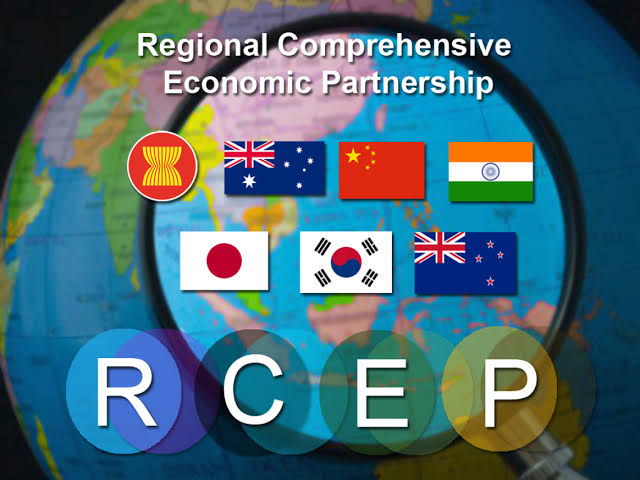
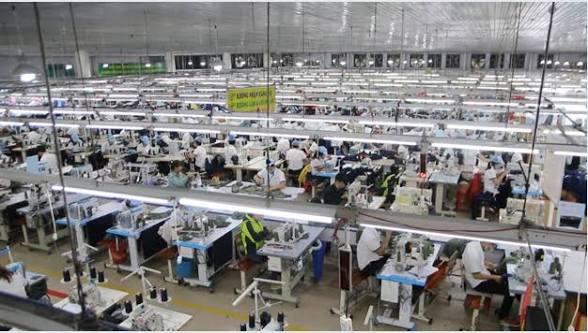
Blog
ASEAN Digital Economy 2030

Forecasting the Volume of Online Transactions in the Bay of Bengal and South China Sea Regions
The digital economy of Southeast Asia is undergoing one of the most rapid transformations in modern economic history. Driven by widespread smartphone adoption, improving digital infrastructure, rising middle-class consumption, and supportive government policies, the region is expected to become one of the world’s largest digital marketplaces by 2030. This growth is particularly pronounced in the economic corridors surrounding the Bay of Bengal and the South China Sea, where cross-border e-commerce, digital services, and platform-based trade are creating new patterns of economic activity that transcend traditional national boundaries.

ASEAN Digital Economy
This comprehensive strategic forecast and analysis examines the projected volume and structure of online transactions in these two vital maritime economic zones. It provides business leaders, investors, policymakers, and compliance professionals with an objective assessment of growth drivers, sectoral opportunities, regulatory considerations, infrastructure requirements, and practical strategies for participating in ASEAN’s digital economy while maintaining full regulatory compliance and operational resilience.
Strategic Insight: The digital economy in the Bay of Bengal and South China Sea regions is not merely an extension of traditional trade — it represents a fundamental restructuring of how value is created, exchanged, and delivered. Companies that understand the unique dynamics of these maritime digital corridors will be best positioned to capture significant long-term opportunities.
The Digital Transformation of ASEAN: Macro Context
ASEAN’s digital economy is projected to reach approximately $1 trillion by 2030, with e-commerce, digital payments, and online services as the primary growth engines. This expansion is fueled by several structural factors: a young and digitally native population, increasing internet penetration even in rural areas, rapid development of 4G/5G infrastructure, and rising consumer confidence in online transactions.

The Digital Transformation of ASEAN
The Bay of Bengal and South China Sea corridors play distinct yet complementary roles in this transformation. The Bay of Bengal connects South Asia with Southeast Asia, serving as a vital gateway for digital trade between India, Bangladesh, Myanmar, and the core ASEAN economies. The South China Sea, meanwhile, functions as the primary maritime artery linking the dynamic manufacturing and consumer markets of China, Vietnam, Malaysia, Indonesia, the Philippines, and beyond.
Cross-border e-commerce within these corridors is growing at double-digit rates, driven by improved logistics, digital payment solutions, and harmonization efforts under frameworks such as the ASEAN Agreement on Electronic Commerce. For businesses engaged in regional trade, understanding these digital corridors is becoming as important as mastering traditional physical supply chains. Related compliance considerations for digital trade platforms are explored in Post-Traditional Sanctions Financial Mechanisms: Strategic Integration with CBDCs and Single-Window Platforms for Compliant Regional Settlements.
Forecasting Online Transaction Volumes in the Bay of Bengal Corridor
The Bay of Bengal digital economy is characterized by strong growth in e-commerce between India, Bangladesh, Myanmar, and ASEAN’s western members. Key growth drivers include India’s expanding digital infrastructure, Bangladesh’s rising garment and pharmaceutical exports, and Myanmar’s gradual digital opening despite ongoing challenges.
Bay of Bengal Corridor
By 2030, online transaction volumes in the Bay of Bengal corridor are projected to reach approximately $180–220 billion annually, with compound annual growth rates (CAGR) of 18–24% in the most optimistic scenarios. Major categories include consumer electronics, fashion and apparel, pharmaceuticals, and digital services. The growth of cross-border platforms and improved digital payment interoperability are expected to accelerate this trend.
However, challenges remain. Infrastructure gaps in logistics and last-mile delivery, regulatory fragmentation, and varying levels of digital trust continue to constrain full potential. Companies that invest in localized solutions and compliant cross-border frameworks will capture disproportionate value in this corridor.
Forecasting Online Transaction Volumes in the South China Sea Corridor
The South China Sea digital economy is more mature and tightly integrated, driven by the manufacturing strength of China and Vietnam, the consumption power of Malaysia, Singapore, and Indonesia, and the growing digital services sector across the region. This corridor benefits from advanced logistics infrastructure, higher digital payment penetration, and stronger regulatory harmonization efforts.
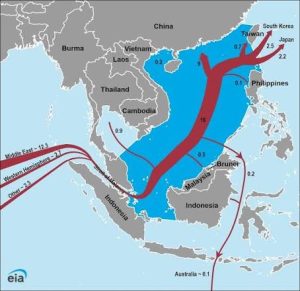
South China Sea Corridor
Online transaction volumes in the South China Sea corridor are forecast to reach $450–520 billion by 2030, representing roughly 60–65% of total ASEAN digital trade. Growth is expected to be particularly strong in business-to-business (B2B) e-commerce, electronics components, machinery, and digital services. The integration of smart ports and AI-driven logistics (as discussed in related analyses) will further accelerate transaction velocity in this corridor.
The South China Sea region also serves as a testing ground for advanced digital trade initiatives, including blockchain-based trade documentation and AI-powered supply chain visibility. These innovations are likely to spread to other ASEAN corridors over time. For insight into AI applications in logistics optimization, see The Impact of Artificial Intelligence on Route Optimization and Carbon Emission Reduction.
Key Drivers and Enabling Factors
Several structural factors will determine the pace and scale of digital economy growth in these corridors:
- Digital Infrastructure: 5G rollout, data center expansion, and submarine cable investments
- Payment Systems: Growth of digital wallets, instant payment systems, and regional interoperability initiatives
- Regulatory Harmonization: Progress on data protection, electronic transactions, and cross-border data flows
- Logistics Modernization: Smart ports, drone delivery, and AI-optimized last-mile solutions
- Consumer Behavior: Increasing trust in online platforms and preference for seamless cross-border experiences
Countries and companies that invest early in these enabling factors will capture disproportionate benefits from the digital economy expansion. For guidance on sustainable and compliant logistics transformation, refer to The Green Logistics Revolution on the New Silk Road: China’s Strategies for Decarbonizing Trade Routes and Smart Ports.
Risks and Compliance Considerations
Rapid digital economy growth also introduces new risks that must be proactively managed:
- Data privacy and cross-border data flow regulations
- Cybersecurity threats targeting digital payment and logistics systems
- Intellectual property protection in digital marketplaces
- Consumer protection and dispute resolution mechanisms
- Sanctions compliance and screening in digital trade flows
Businesses operating in these corridors should implement robust compliance programs, including continuous sanctions screening, secure data handling practices, and transparent consumer protection mechanisms. For additional perspectives on compliance in high-volume digital trade environments, see False-Positive Avoidance in Sanctions Screening: AI-Driven Strategies for Compliant High-Volume Trade.
Strategic Recommendations for Businesses and Investors
Organizations seeking to participate in ASEAN’s digital economy growth should consider the following actions:
- Develop region-specific digital strategies that account for varying levels of infrastructure maturity
- Invest in localized payment and logistics solutions that enhance user trust and experience
- Build strong compliance capabilities that exceed minimum regulatory requirements
- Form strategic partnerships with local platforms and service providers
- Monitor emerging technologies such as blockchain trade documentation and AI-powered supply chain visibility
Conclusion: The Digital Economy as ASEAN’s Next Growth Frontier
By 2030, the digital economies of the Bay of Bengal and South China Sea corridors are projected to represent a transformative force in Asian commerce. The combination of demographic advantages, improving infrastructure, policy support, and technological innovation creates a unique window of opportunity for businesses prepared to engage with these markets responsibly and strategically.
The winners in this new digital landscape will be those who combine technological capability with deep local understanding, robust compliance frameworks, and a long-term commitment to sustainable growth. As these maritime digital corridors mature, they have the potential to reshape not only regional trade patterns but also the broader architecture of global digital commerce.
Platforms purpose-built for compliant digital trade and supply chain management will play a crucial role in enabling this transformation. Organizations seeking to strengthen their position in ASEAN’s digital economy are encouraged to adopt integrated solutions that combine innovation with full regulatory alignment and operational excellence.