وبلاگ
GCC Logistics Revolution: How New Trade Hubs are Reshaping Global Trade by 2030
Imagine this: a container ship loaded with electronics from Asia docks not in a traditional European port, but in a cutting-edge facility on the Red Sea, where AI-driven cranes unload it in record time, and goods are swiftly rerouted to markets across three continents. This isn’t science fiction—it’s the emerging reality in the Gulf Cooperation Council (GCC) region. According to recent reports from Mordor Intelligence, the GCC freight and logistics market is projected to grow from USD 81.34 billion in 2025 to USD 109.91 billion by 2030, at a CAGR of 6.21%. This explosive growth isn’t accidental. It’s fueled by fierce yet productive competition between Saudi Arabia and the UAE, transforming the Persian Gulf from a mere transit corridor into a powerhouse of processing, value-added services, and resilient supply chains.
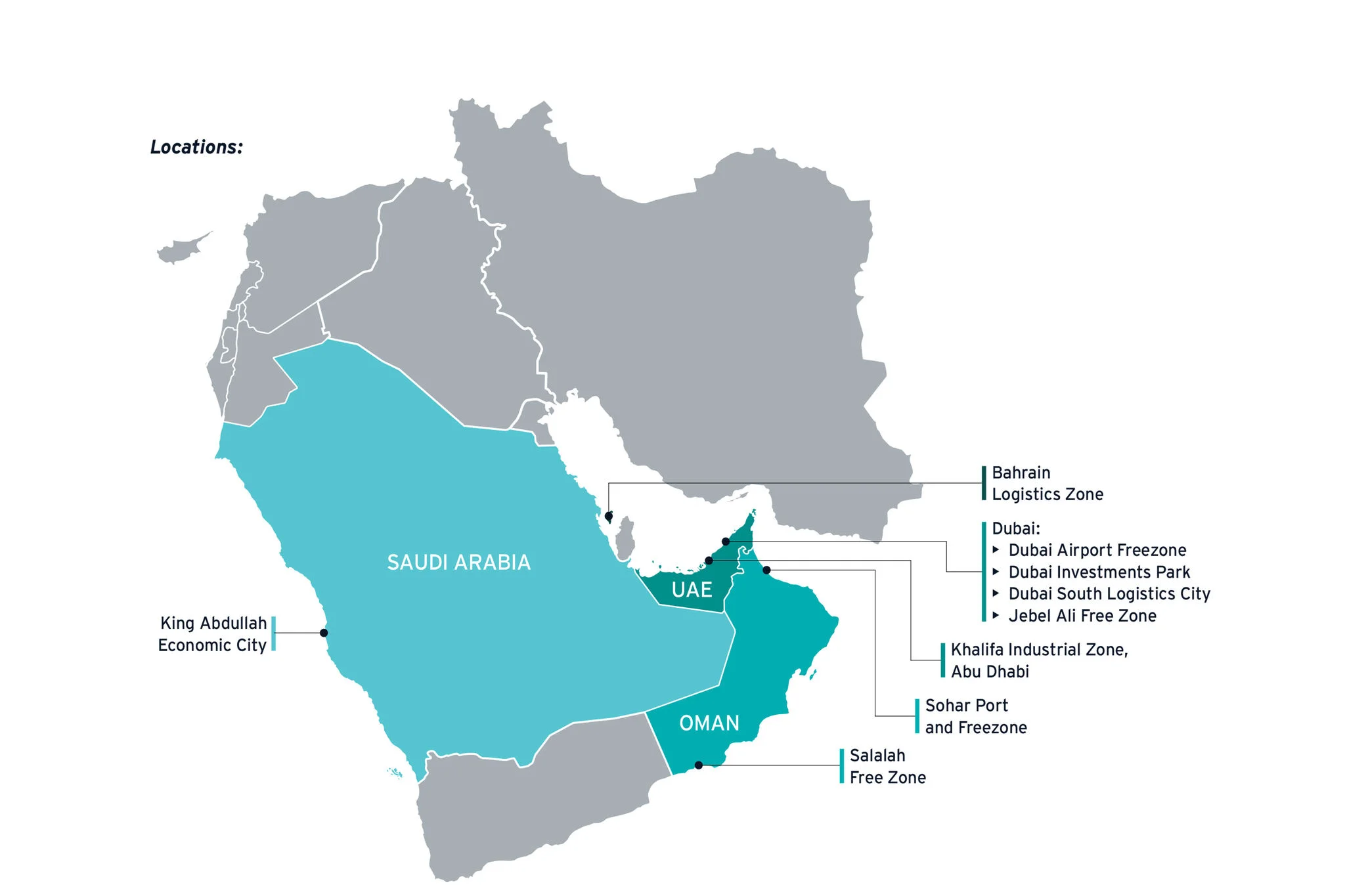
GCC Logistics zone
I’ve spent decades in global trade, navigating shifts from oil-dependent economies to diversified powerhouses. What we’re witnessing now in GCC logistics hubs is one of the most exciting evolutions I’ve seen. Saudi Vision 2030 supply chain initiatives are clashing head-on with DP World’s established dominance, and the winner? Global trade itself. Let’s dive into how this rivalry is redefining routes, attracting international players, and positioning the region as a critical node in worldwide commerce.
The Strategic Competition: Saudi Vision 2030 vs. UAE’s Established Dominance
At the heart of this transformation is a healthy rivalry between two GCC giants.
Saudi Arabia, through Vision 2030, is aggressively building new ports and logistics zones to diversify beyond oil. Projects like the Port of Neom—part of the ambitious Oxagon industrial complex—and expansions at King Abdulaziz Port in Dammam are game-changers. The Neom container terminal, with an USD 800 million investment and operations ramping up toward 2025-2026, aims for massive capacity, including handling the world’s largest vessels with fully automated, AI-powered systems.
On the other side, the UAE has long held the crown with Jebel Ali Port, operated by DP World, handling over 15 million TEUs annually and serving as a benchmark for efficiency. DP World continues to innovate, with multi-billion-dollar investments in capacity and sustainability.
This DP World vs Saudi ports dynamic isn’t about one overtaking the other—it’s about expanding the pie. Saudi developments directly challenge Jebel Ali’s transshipment dominance, while UAE’s free zones and blockchain customs pull in manufacturing and e-commerce fulfillment.

GCC Logistics Sector
Key Impacts of This Competition:
- Increased Capacity: Combined investments are pushing GCC port handling toward world-leading levels, reducing bottlenecks in global routes.
- Lower Costs for Shippers: More options mean competitive pricing and faster transit times.
- Resilience Boost: Diversified hubs mitigate risks like Red Sea disruptions.
The result? By 2030, GCC logistics hubs could capture a larger share of Asia-Europe trade, currently dominated by routes vulnerable to geopolitical tensions.
AI and Technology Revolutionizing Port Management
Technology is the great equalizer in this race, and nowhere is it more evident than in port operations.
AI’s Role in UAE Ports: The Jebel Ali Model
DP World has been a pioneer here. Jebel Ali integrates advanced AI for predictive maintenance, optimized yard planning, and autonomous vehicles. Partnerships like those with Einride for electric freight and DGWorld for autonomous internal terminal vehicles (AITVs) have electrified operations, moving hundreds of thousands of containers annually with minimal emissions.
Why does this matter? AI doesn’t just speed things up—it anticipates. Algorithms forecast vessel arrivals, allocate berths dynamically, and reroute trucks in real-time, slashing dwell times by up to 30% in some cases.
Practical Steps for Leveraging AI in Logistics:
- Start with data integration: Connect IoT sensors across cranes, trucks, and warehouses.
- Pilot autonomous tools: Begin with internal movements before scaling to full terminals.
- Focus on sustainability: Electric and AI-driven fleets cut costs long-term while meeting global ESG standards.
I’ve seen similar tech adoptions shave millions off operational budgets—it’s not optional anymore.
Saudi’s Tech Push in New Ports
Saudi ports are leaping forward with automation from day one. Neom’s Oxagon features remote-controlled cranes and fully integrated smart logistics, powered by renewable energy. This isn’t incremental improvement; it’s building the future from scratch.
The “why” behind this tech surge: In a world of disrupted chains—from pandemics to conflicts—AI enables agility. GCC hubs are positioning themselves as reliable alternatives to congested Asian or European ports.
New Connectivity: Roads and Corridors Redefining Overland Trade
Ports alone aren’t enough—seamless inland links are crucial.
A standout development is the strengthened road networks involving Oman and Saudi Arabia. The Rub’ al-Khali Highway, a 725-km engineering marvel through the Empty Quarter, has slashed travel times dramatically since its full utilization. This direct link connects Omani ports like Duqm and Salalah to Saudi industrial heartlands, bypassing longer routes.
Benefits of These New Connections:
- Faster Regional Trade: Reduced transit from days to hours for goods moving between GCC states.
- Access to Diverse Ports: Saudi exporters gain easier routes to Indian Ocean gateways, while Omani hubs feed into Saudi’s growing domestic market.
- Multi-Modal Integration: Combined with rail projects (like the GCC railway ambitions), these roads create robust land bridges.
This infrastructure is turning the GCC into a cohesive logistics bloc, rivaling established corridors like the Suez route.
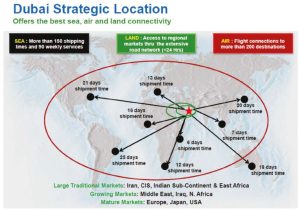
GCC Logistics Hubs
For traders, this means exploring multi-port strategies: Route via Jebel Ali for Europe-bound cargo, or Neom/Dammam for Africa and Asia.
Why Global Companies Are Shifting Logistics to the GCC
One of the most telling signs of this rise? Major international firms—especially from the US—are relocating or expanding logistics operations to the GCC.
Core Reasons Driving This Shift:
- Geopolitical Resilience: Amid Red Sea risks and global disruptions, GCC’s stable location offers shorter, safer alternatives. Proximity to Asia-Europe lanes cuts exposure to volatile chokepoints.
- Economic Diversification Incentives: Vision 2030 and UAE strategies provide tax-free zones, 100% foreign ownership, and subsidies for logistics investments.
- Cost and Efficiency Gains: Lower energy costs, modern infrastructure, and tech-driven operations reduce overall supply chain expenses.
- Market Access: Direct links to booming markets in Africa, South Asia, and Europe, plus growing intra-GCC trade.
Reports highlight US firms eyeing hubs for manufacturing re-shoring and near-shoring, leveraging GCC’s green energy for sustainable chains.
Case in Point: Investments in bonded zones and e-commerce fulfillment centers are surging, with companies citing faster customs and integrated services as key draws.
In my experience, these moves aren’t hype—they deliver tangible ROI through reduced lead times and risk.
Challenges and Opportunities Ahead
No transformation is without hurdles.
Potential Challenges:
- Coordination across GCC states to avoid overcapacity.
- Talent development for high-tech operations.
- Balancing competition with collaboration.
Yet opportunities abound: Green logistics (renewable-powered hubs), digital twins for end-to-end visibility, and value-added services like assembly in free zones.
By 2030, GCC logistics hubs won’t just facilitate trade—they’ll actively shape it, processing data alongside goods for smarter, faster global flows.
Looking Forward: Positioning Your Business in This New Era
The GCC’s rise is inevitable, backed by billions in investments and strategic vision. Whether you’re sourcing, exporting, or managing chains, now’s the time to engage.
For more insights on navigating international shipping challenges, check out our guide on Handling Pre-Existing Container Damage and Repair Cost Disputes in International Shipping.
Or explore overland routes in حمل و نقل زمینی از ترکیه و ایران به بغداد: امنیت مسیر، زمان حمل و نقل و مقایسه هزینهها در سال ۲۰۲۶.
Ready to connect with verified suppliers and streamline your global trade? همین امروز به Tendify.net بپیوندید—sign up for free as a buyer and access real-time quotes, secure transactions, and a network of trusted exporters. Your next efficient supply chain starts here.