وبلاگ
Halal Logistics Certification: The 2026 Bridge to GCC Success for Chinese Food Exporters
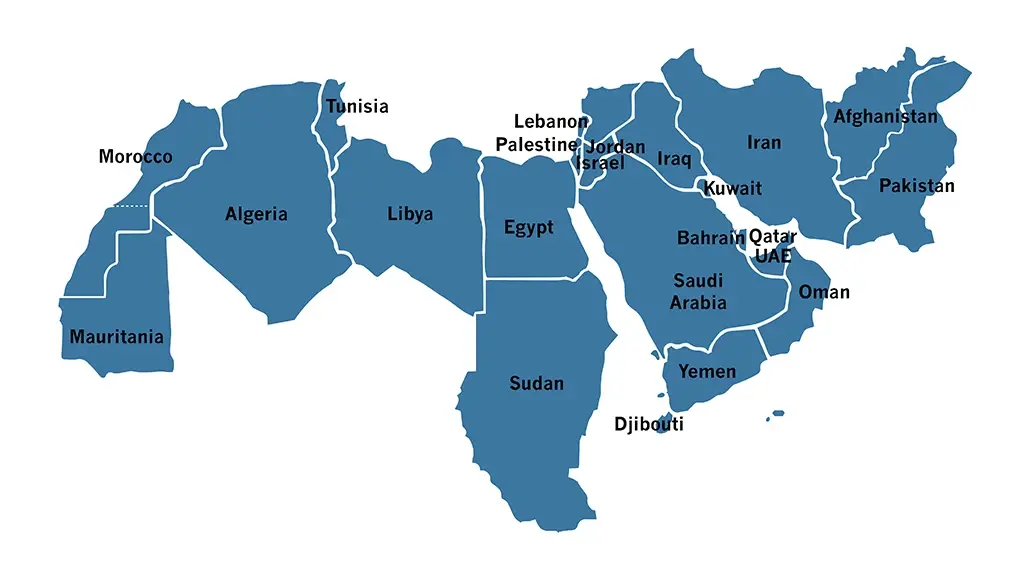
I’ve spent the last 15 years building and scaling export businesses across Asia and the Middle East. Early on, I learned one brutal lesson the hard way: a perfect product sitting in a container can still get rejected at Jebel Ali or Dammam if the supply chain integrity breaks down. For Chinese food manufacturers eyeing the GCC — Saudi Arabia, UAE, Qatar, Kuwait, Bahrain, Oman — that lesson is now non-negotiable in 2026.
Halal Logistics Certification
The GCC Halal food market isn’t just big; it’s exploding. Recent estimates place the regional Halal food sector at around USD 38–65 billion in 2025, with projections pushing toward USD 67–88 billion by the early 2030s at CAGRs between 3.3% and 6.4% depending on the source (IMARC Group, Report Cube, and others tracking Vision 2030 momentum). Global Halal food sits north of USD 2.6–2.9 trillion and keeps climbing fast. Chinese producers — already dominant in processed snacks, frozen ready meals, confectionery, seafood derivatives, and plant-based alternatives — sit on one of the largest untapped supply capacities. Yet many shipments still face delays, rejections, or steep discounts because product Halal certification alone no longer suffices.
The real competitive edge today is Halal logistics certification — full-chain assurance that prevents najis (impure) contamination from factory floor in Shandong or Guangdong all the way to supermarket shelves in Riyadh or Dubai. Without it, you’re fighting an uphill battle against suppliers from Malaysia, Indonesia, Turkey, and Brazil who already deliver end-to-end Halal integrity.
This guide walks you through exactly why logistics certification has become the make-or-break factor, what the current GCC requirements demand in 2026, how to implement it step-by-step without burning cash, real-world pitfalls I’ve seen (and fixed), and how tools on platforms like Tendify can cut months off your market-entry timeline.
Why Halal Logistics Certification Is Now Mandatory for Serious GCC Penetration
Let me be direct: ten years ago you could sometimes get away with strong factory certification and clean paperwork. In 2026 that gamble almost always loses.
GSO 2055-1:2015 (still the foundational GCC Halal food standard, with ongoing updates referenced in national regs) explicitly covers the entire chain: receiving, preparation, packaging, labelling, handling, transportation, distribution, storage, display, and service. Clause after clause stresses prevention of cross-contamination and maintaining Halal integrity during transit and warehousing.

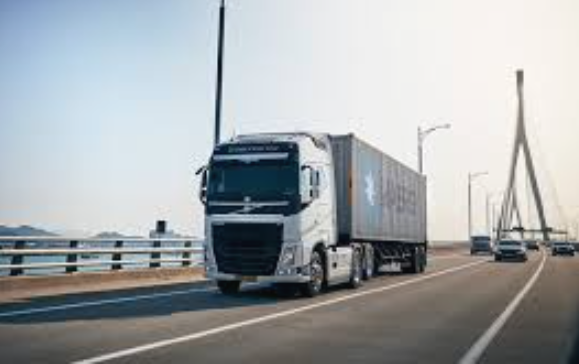
Halal Logistics
Saudi Food and Drug Authority (SFDA) and UAE’s Ministry of Industry and Advanced Technology (MoIAT) enforce this rigorously through Fasah and other digital clearance platforms. Recent SFDA circulars (early 2025 onward) expanded mandatory Halal shipment certification to dairy, chocolate, ice cream, dough-based items, and specialty dietary foods if they contain animal-derived ingredients. Qatar, Kuwait, and Oman align via GSO and national tweaks.
Without documented Halal-compliant logistics:
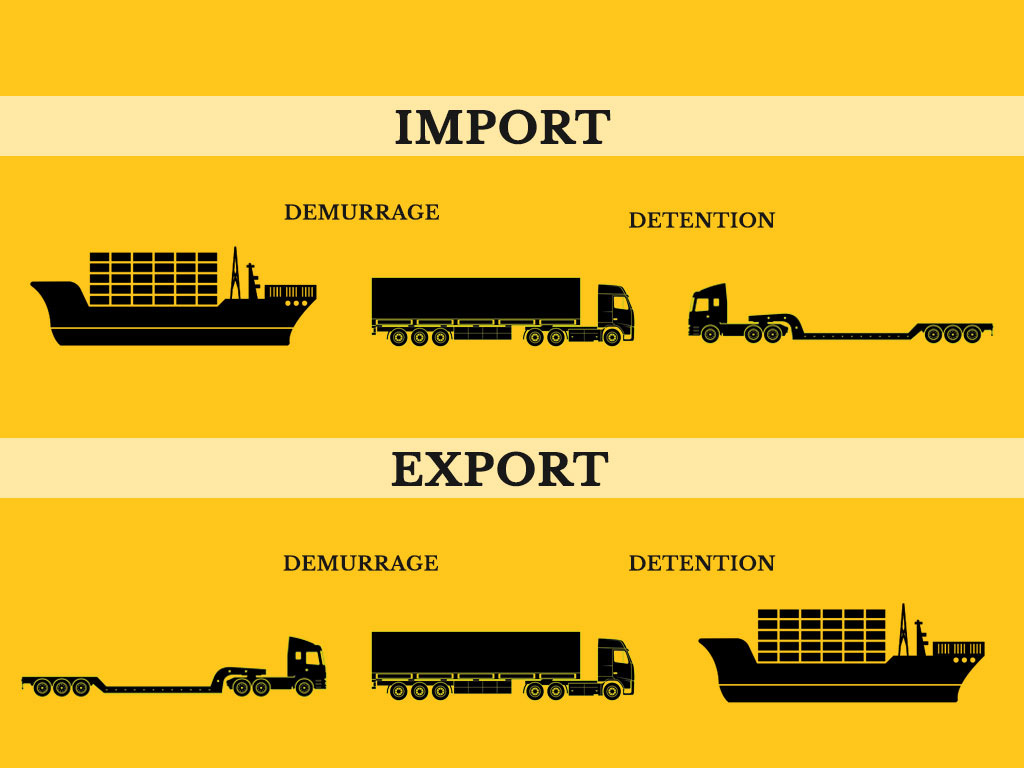
- Containers get held for extra sampling or full re-inspection (adding 7–21 days and thousands in demurrage/detention).
- Importers refuse delivery or demand steep discounts.
- You lose shelf space to competitors who arrive with full traceability.
- Worst case: permanent blacklisting on importer shortlists.
With certified logistics you gain:
- Faster clearance (hours instead of days in many cases).
- Premium pricing — GCC buyers routinely pay 8–25% more for verified chain-of-custody.
- Easier re-export from UAE free zones to wider MENA and Africa.
- Stronger negotiating position with giants like Panda, Lulu, Carrefour, and Spinneys.
I’ve watched Chinese exporters lose seven-figure deals because a single shared container leg with non-Halal cargo triggered rejection. The fix cost far less than the lost revenue.
Core Requirements: What GCC Authorities Actually Demand in 2026
Here’s the no-fluff breakdown of what you need for Halal logistics compliance.
1. Product Halal Certification First (Non-Negotiable Foundation)
- Issued by a body recognized by the target country.
- Saudi Arabia → SFDA/Saudi Halal Center approved list (often GAC-accredited bodies).
- UAE → MoIAT/EIAC-accredited certifiers (TUV SUD Middle East, SGS Gulf, RACS, Gulftic, and others appear on the current MoIAT registry).
- Qatar, Kuwait, Oman → GSO-aligned, frequently accept the same bodies as UAE/Saudi with minor local endorsement.
- Many Chinese factories already work with IFANCA, but GCC increasingly prefers bodies with direct regional accreditation.
The Halal Certification
2. Supply Chain Segregation & Contamination Controls
- Dedicated equipment or verified cleaning — If shared containers/trucks/warehouses are used, cleaning must follow documented protocols (verified by photos, swabs, third-party audits).
- No co-loading with pork, alcohol-derived products, or other najis items.
- Temperature-controlled cargo (frozen/refrigerated) must maintain unbroken cold chain to prevent microbial risks that could question Halal status.
3. Traceability & Documentation
- Full chain-of-custody records from factory gate to port of discharge.
- Halal logos on outer packaging + clear segregation markings.
- Halal waybills, cleaning certificates, and logistics partner Halal certs attached to Bill of Lading.
- Digital tracking preferred (blockchain pilots exist in Jebel Ali and King Abdullah Port).
4. Certified Logistics Partners
- Freight forwarders, shipping lines (Maersk, COSCO, ONE), terminals, and 3PLs holding Halal logistics certification.
- Warehouses in GCC ports and inland hubs increasingly audited under GSO 2055-1/2 frameworks.
Comparison Table: Product vs Logistics Certification Impact
| جنبه | Product Halal Cert Only | Full Halal Logistics Certification |
|---|---|---|
| Clearance Time | 3–14 days typical | Often <48 hours with clean docs |
| Rejection Risk | High (contamination suspicion) | خیلی پایین |
| Pricing Power | Commodity level | Premium (8–25% uplift reported) |
| Re-export Ease | Complicated | Seamless from UAE free zones |
| Importer Trust | متوسط | High — preferred supplier status |
Step-by-Step Implementation Guide for Chinese Manufacturers
Here’s how I advise clients to move from “interested” to “first container cleared” in under 6 months.
Phase 1: Factory Readiness Audit (1–2 months)
- Engage a GCC-recognized certifier with China presence or partners.
- Audit ingredients, production lines, storage for basic Halal compliance.
- Fix najis risks (gelatin sources, alcohol in flavors, cross-contamination points).
- Obtain product Halal certificate + logo usage approval.
Phase 2: Logistics Mapping & Partner Selection (1–2 months)
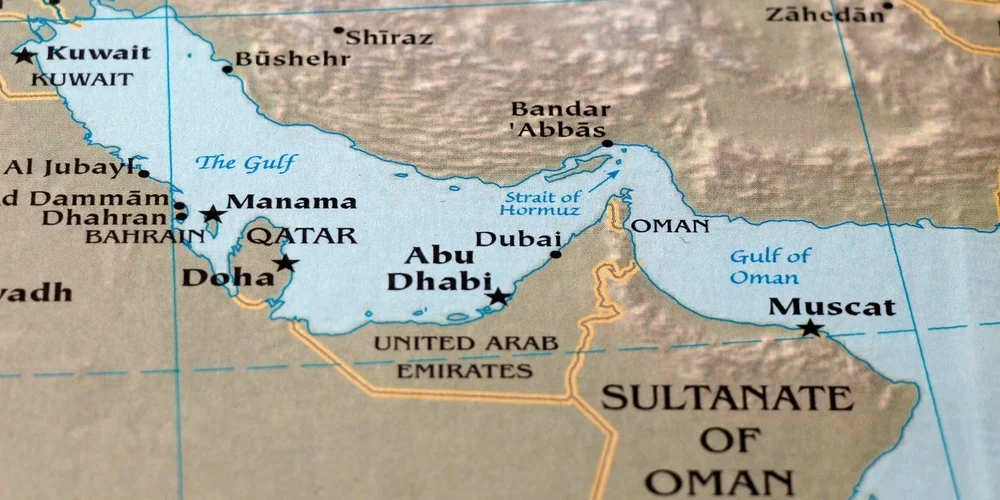
- Map your route: major Chinese ports → Singapore/Colombo transhipment → Jebel Ali / Dammam / Hamad.
- Select Halal-certified forwarder (many large Chinese NVOCCs now offer dedicated services).
- Require cleaning certificates, segregation plans, and Halal logistics cert from every leg.
- Test with small trial shipment to validate documentation flow.
Phase 3: Documentation & Digital Tools Stack
- Use export documentation generators for country-specific checklists.
- Run HS code classification early (critical for GCC tariff & conformity checks).
- Calculate full landed cost including VAT, duties, Halal fees.
- Prepare digital dossier: product cert, logistics certs, cleaning records, temperature logs.
Phase 4: Market Entry & Scaling
- Attend Gulfood Dubai, Saudi Food Show, or AgroFood Oman 2026.
- Pitch to importers with full-chain proof.
- Start small (LCL), scale to FCL once trust is built.
HALAL Certification
Real example: A Shandong frozen seafood processor I worked with lost two early containers in 2024 due to missing segregation proof. After implementing dedicated reefer legs and partnering with a GAC-accredited logistics firm, their third shipment cleared in 36 hours — and they locked a 3-year Panda supply deal at 18% above spot price.
Common Pitfalls & How to Avoid Them
- Pitfall 1: Assuming Chinese domestic Halal cert transfers directly. Fix: Always verify against SFDA/MoIAT recognized list.
- Pitfall 2: Underestimating transit contamination risk on long Asia–GCC routes (30–45 days sea). Fix: Use dedicated or high-cleaning-standard carriers + continuous temperature monitoring.
- Pitfall 3: Missing Arabic labelling or Halal logo rules on outer cartons. Fix: Pre-check with importer or clearance agent.
- Pitfall 4: Ignoring demurrage triggers from clearance delays. Fix: Over-document and use digital platforms for pre-clearance.
How Tendify Accelerates Your GCC Entry
I don’t push tools unless they save real time and money. The Tendify platform (Platform.Tendify.net) is built exactly for exporters facing compliance-heavy markets like the GCC.
Head over to Platform.Tendify.net and you’ll find:
- Export Documentation Checklist Generator — auto-customized for Saudi, UAE, Qatar, etc.
- HS Code Finder — accurate classification to avoid tariff surprises.
- GCC VAT & Tax Calculator — precise landed cost forecasting.
- 3D Container Optimization Tool — maximize loads while keeping segregation intact.
- دستیار انتخاب اینکوترمز — choose terms that protect Halal integrity.
- 2026 Exhibition Calendars (UAE, Saudi, Qatar, Oman) — direct buyer meetings.
- AI Market Pulse — real-time demand signals and competitor pricing.
- Sanctions & Compliance Checker — quick risk scans before signing.
Halal Law Takes Effect
Many Chinese exporters I know run their first compliance check on Tendify in under 10 minutes and discover missing documents they would have caught only at the port. It’s free to start, and the time-to-market advantage is massive.
For deeper reading on related topics:
- Check the Tendify blog piece onBasmati Rice Hits Record Highs in Saudi – Profit Playbook
- نقد و بررسیIraq Development Road 2026 : Faster Than Suez to Europe?
- See Turkey–UAE Polymer Arbitrage: Profit from 2026 Price Swings
The Bottom Line: Invest in the Chain, Win the Market
In 2026 the GCC doesn’t just buy food — it buys trust. Halal logistics certification is how you prove that trust across 10,000+ km of ocean and desert.
Chinese manufacturers have scale, cost advantage, and innovation. Add full-chain Halal assurance and you stop competing on price alone. You start winning contracts, building long-term relationships, and capturing the premium segment that Vision 2030 and food-security drives are creating.
Don’t let one weak link in the chain cost you the entire market.
Take the first step today: Register on Tendify, run your compliance diagnostic, connect with vetted GCC buyers, and turn potential into signed purchase orders.
The demand is here. The certification bridge is built. Cross it.