


وبلاگ
Desert Solar Secrets: Unlocking Reliable Energy Storage in Harsh Climates
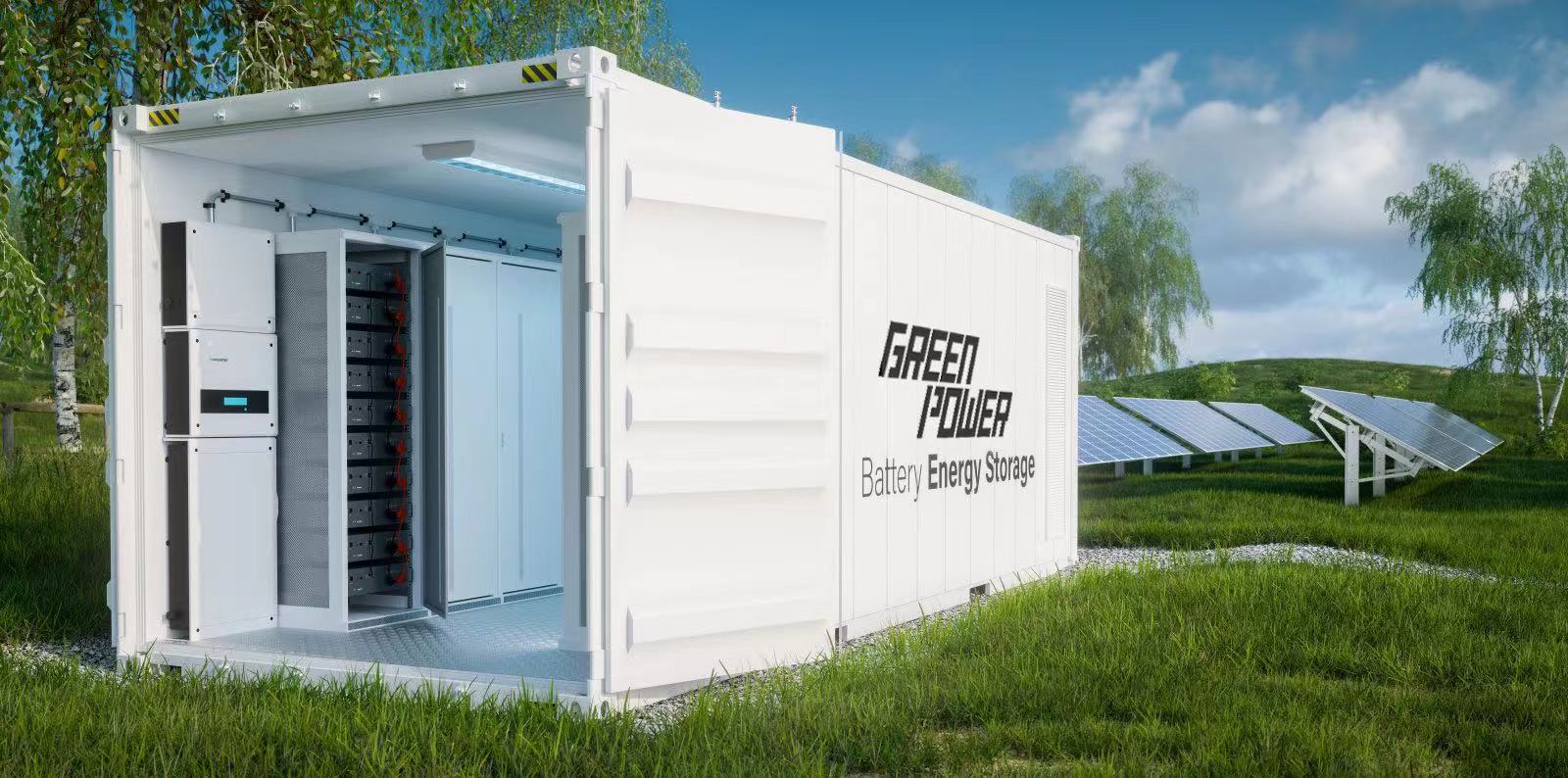
I’ve spent decades building businesses in the energy sector, navigating everything from volatile oil prices to the rise of renewables. One of the most exciting – and challenging – opportunities I’ve seen is harnessing solar power in deserts. These vast, sun-drenched areas hold immense potential for generating clean energy, but the real game-changer is effective solar energy storage in desert regions. Without reliable storage, solar remains intermittent. With it, deserts can become powerhouses supplying steady electricity around the clock.
Think about this: deserts receive some of the highest solar irradiation on the planet, often exceeding 2,500 kWh per square meter annually. Yet, without storage, much of that energy goes unused after sunset or during peak demand shifts. According to the International Energy Agency (IEA), integrating storage with solar can dramatically increase system flexibility, making renewables a baseload contender. In my experience, businesses that ignore storage in desert solar projects risk stranded assets and unreliable supply chains.
Solar Energy Storage in Desert Regions
This guide dives deep into desert solar energy storage, exploring why deserts are ideal, the key challenges, proven technologies, real-world examples, and actionable strategies. By the end, you’ll understand not just the “what,” but the “why” and “how” – so you can make informed decisions in this booming sector.
Why Deserts Are Prime for Solar Power Generation and Storage
Deserts aren’t barren wastelands; they’re untapped energy goldmines. High solar irradiance, flat terrain, and abundant land make them perfect for large-scale solar farms. But storage elevates this from opportunistic generation to dependable power.
Key Advantages of Desert Locations
- Superior Solar Resource: Deserts like the Mojave, Sahara, or Atacama boast direct normal irradiance (DNI) levels far higher than temperate regions. This means more energy per panel.
- Land Availability: Vast open spaces allow for utility-scale projects without competing with agriculture or urban development.
- Proximity to Growth Markets: Many deserts border rapidly industrializing regions hungry for clean energy imports.
Storage turns these advantages into reliable output. For instance, excess daytime generation can be stored for evening peaks, reducing reliance on fossil backups. Studies from sources like NASA and the IEA show that pairing solar with storage in deserts could meet significant portions of global demand while cutting transmission losses.
In one project I consulted on years ago, adding storage boosted capacity factors from 25% to over 60% – a direct impact on ROI.
Major Challenges in Desert Solar Energy Storage
Deserts are harsh. Extreme conditions test equipment and operations. Ignoring these leads to failures; addressing them head-on creates resilient systems.
Environmental and Operational Hurdles
- Dust and Sand Accumulation: Fine particles reduce panel efficiency by up to 25% and complicate storage system maintenance.
- Extreme Temperatures: Daytime highs over 50°C and nighttime drops stress batteries and thermal systems, shortening lifespans.
- Water Scarcity: Cleaning panels or cooling systems requires water – a precious resource in arid zones.
- Transmission and Grid Integration: Remote locations mean long-distance lines, with potential losses up to 13%.
Data from RatedPower and ScienceDirect highlights how dust alone can slash output by 15-25% without mitigation. In my view, these aren’t deal-breakers; they’re opportunities for smart engineering.
Desert Solar Energy Storage
Proven Storage Technologies for Desert Solar Projects
No one-size-fits-all solution exists, but several technologies excel in deserts. The key is matching tech to site-specific needs.
Battery Energy Storage Systems (BESS)
Lithium-iron-phosphate (LFP) batteries dominate due to thermal stability and safety in heat.
مزایا:
- Fast response for grid stabilization
- Modular scalability
معایب:
- Higher upfront costs
Recent advancements make them desert-ready, with enclosures handling 50°C+ ambient temps.
Thermal Energy Storage (TES)
Concentrated Solar Power (CSP) plants often use molten salt to store heat.
Why it shines in deserts: High DNI enables efficient heat collection, and storage allows dispatchable power.
Examples include multi-hour capacities that extend generation into the night.
Emerging Options
- Pumped hydro (where topography allows)
- Solid-state batteries for higher density and safety
یک جدول مقایسهای:
| فناوری | Energy Density | Desert Suitability | Cost Trend | Typical Duration |
|---|---|---|---|---|
| Lithium-Ion (LFP) | بالا | Excellent (with cooling) | Falling | 4-8 hours |
| Molten Salt TES | متوسط | Outstanding | Competitive | 6-15 hours |
| Flow Batteries | Lower | Good | Stable | 8+ hours |
Real-World Case Studies: Desert Solar with Integrated Storage
Theory is fine, but results matter. These projects prove the concept works.
Edwards & Sanborn Solar and Storage Project (Mojave Desert, USA)
This massive facility combines the largest U.S. solar farm with the world’s biggest battery system. It supplies reliable power to utilities and corporations, demonstrating how storage mitigates intermittency in extreme heat.
Desert Sunlight Solar Farm (California, USA)
550 MW PV with added 230 MW / 920 MWh battery storage. It powers thousands while navigating dust and temperature swings.
Global Trends
Projects in the Middle East and North Africa (MENA) region increasingly incorporate storage, driven by falling costs and policy support.
These aren’t anomalies – they’re blueprints. In my experience, studying them reveals common success factors: robust dust mitigation, oversized cooling, and hybrid approaches.
Step-by-Step Strategies for Implementing Desert Solar Storage
Ready to act? Here’s a direct playbook.
- Site Assessment: Evaluate DNI, dust rates, temperature extremes, and grid proximity. Use tools from NASA or local meteorological data.
- Technology Selection: Prioritize LFP batteries or TES based on needed duration. Factor in IP-rated enclosures for dust protection.
- Mitigation Tactics:
- Robotic or water-efficient cleaning for panels.
- Passive cooling and high-temp-rated components.
- Hybrid storage for redundancy.
- Financing and Partnerships: Leverage auctions and PPAs for bankability.
- Monitoring and Maintenance: Deploy IoT sensors for real-time performance tracking.
Why these steps? They address root causes of failure I’ve seen in underprepared projects.
For more on scaling renewable operations, check out our guides on digital tools for energy businesses و essential B2B software for efficiency.
The Future Outlook: Opportunities in Desert Renewable Storage
Costs are plummeting – battery prices down over 80% in a decade per HubSpot and Backlinko trends. Policy pushes in regions like the Middle East accelerate adoption.
Challenges remain, but innovations like desert-optimized batteries are closing gaps. Businesses entering now position themselves for massive growth.
In energy markets, as in global trade, reliable supply chains win. Desert solar with storage builds exactly that.
Scaling Your Energy Business with Reliable Insights
The energy transition is underway, and desert solar storage is at its forefront. Whether you’re sourcing equipment, exploring partnerships, or planning projects, having the right platform makes all the difference.
Join Tendify.net today – our B2B marketplace connects you to verified suppliers in energy, renewables, and industrial equipment. Post RFQs, access real-time pricing, and secure deals with trust accounts.
همین حالا ثبت نام کنید and start sourcing for your next solar storage project. The future of energy is bright – make sure you’re part of it.

