وبلاگ
Cement Energy Optimization: Cutting Fuel Costs in Heavy Industry
Strategies for Heavy Industries Facing Rising Fuel Costs
I’ve spent decades in the trenches of heavy industry, building businesses that thrive amid shifting markets and regulatory pressures. One of the toughest challenges I’ve faced—and one I see many operators grappling with today—is skyrocketing energy expenses in cement manufacturing. With fuel subsidy reforms reshaping operations across the Gulf region, production costs for clinker are climbing fast. Plants without modern efficiency upgrades are losing ground quickly.
This isn’t just a temporary hurdle. Energy typically accounts for 30-40% of cement production costs, and recent adjustments have pushed that higher in key markets. According to industry reports, fuel price reforms in major producing countries have led to 10-15% increases in operating expenses for many facilities. The good news? Proven technologies exist to reclaim control. Waste heat recovery (WHR) systems, alternative fuels, and process optimizations can cut energy use dramatically while boosting competitiveness.
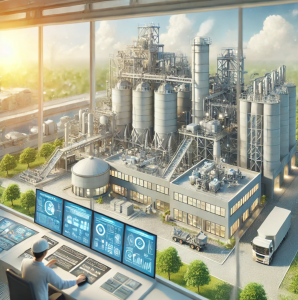
Mastering Energy Optimization in Cement Production
In this guide, I’ll break down the current landscape, explain why these changes are hitting hard, and share actionable strategies I’ve seen deliver real results. Whether you’re running a kiln line or sourcing materials globally, these insights will help you turn energy challenges into advantages.
Understanding the Shift in Energy Costs for Cement Producers
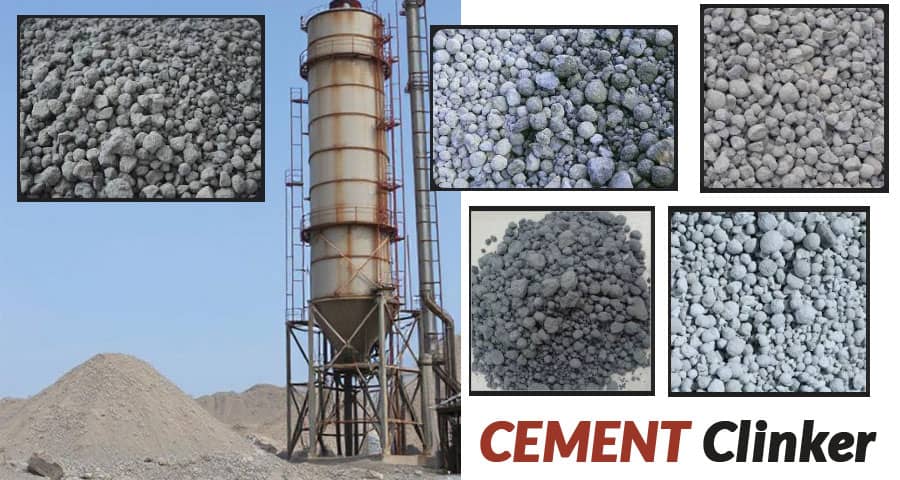
Energy has always been the lifeblood of cement production. The kiln process demands intense heat—often reaching 1,450°C—to transform raw materials into clinker. Historically, subsidized fuels kept costs predictable in many regions.
But that’s changing. Governments are phasing out subsidies to align with global benchmarks, encourage efficiency, and support fiscal reforms. In the GCC, this has directly impacted diesel and heavy fuel oil prices used in kilns.
Key Drivers Behind Rising Costs
- Subsidy Reforms: Gradual removal of fuel supports has aligned domestic prices closer to international levels. Reports from 2025 note increases in heavy fuel oil (up to 47%) and diesel, adding pressure on kiln operations.
- Impact on Clinker Production: Clinker manufacturing is fuel-intensive, consuming around 3,000-4,000 MJ per tonne. Without offsets, these hikes translate to higher per-tonne costs, squeezing margins in an already competitive market.
- Regional Variations: In high-production areas, plants reliant on grid power or traditional fuels face the steepest rises. Overcapacity in some markets compounds this, as producers compete on thin margins.
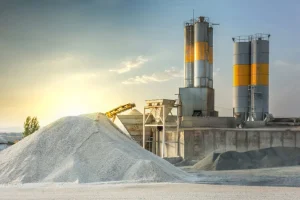
Energy Optimization in Cement Production
Data from sources like Global Cement and ResearchAndMarkets highlight how these reforms are forcing a rethink. One study estimates that unsubsidized energy could add 10% or more to production costs for unequipped plants.
I’ve seen this firsthand in supply chains—facilities slow to adapt end up exporting less profitably or losing domestic share. The “why” here is clear: energy volatility exposes inefficiencies. Addressing it head-on builds resilience.
ESG Mandates & Carbon Monetization in the GCC Region
Beyond rising fuel tariffs, regional environmental regulations and ESG (Environmental, Social, and Governance) compliance are rapidly transitioning from voluntary corporate initiatives into binding market mandates across the Gulf Cooperation Council (GCC).
Why Waste Heat Recovery is a Game-Changer for Cement Plants
In every cement kiln, massive amounts of heat escape through exhaust gases from the preheater and clinker cooler—often 25-35% of total energy input. That’s potential power going to waste.
Waste Heat Recovery (WHR) systems capture this low-to-medium temperature heat and convert it into electricity or usable steam. It’s not new technology, but its adoption is accelerating as fuel costs rise.
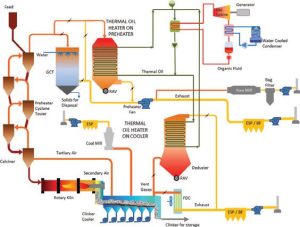
Heat Recovery is a Game-Changer for Cement Plants
Core Benefits of WHR Systems
- Energy Savings: Typical installations generate 20-30% of a plant’s electricity needs, reducing grid dependence.
- Cost Reduction: Payback periods often fall in 4-7 years, depending on scale and local energy prices. For a 5,000 tpd line, this can mean millions in annual savings.
- Environmental Gains: Lowers CO2 emissions by displacing fossil fuel power—aligning with global sustainability pushes.
- Competitive Edge: Plants with WHR maintain lower costs, improving bids on large projects.
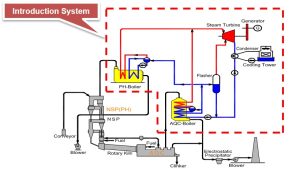
WHR Systems
Statistics back this up. Globally, over 850 WHR installations exist, with the cement sector leading adoption. In high-potential markets, WHR can offset up to 1,100 MW of clean energy equivalent across industries.
Financial Feasibility: CAPEX, OPEX & Return on Investment
While the operational benefits of Waste Heat Recovery (WHR) are undisputed, factory managers and C-level executives must weigh the initial capital expenditure against long-term operational savings before approving retrofits.
- Baseline Economics: A standard 5,000 tpd (tonnes per day) cement line typically supports a 10 MW to 15 MW WHR plant, representing a total upfront capital investment of $18M to $30M.
- Grid Price Sensitivity: In markets where industrial electricity costs exceed $0.08/kWh, payback times drop significantly toward the 3.5-year mark, creating immediate cash-flow positive operations post-commissioning.
- Carbon Offset & Credits: Beyond direct power savings, WHR projects qualify for carbon reduction incentives in several jurisdictions, generating secondary revenue streams via tradable carbon credits.
| WHR Technology Type | Typical Temperature Range | کارایی | بهترین برای |
|---|---|---|---|
| Steam Rankine Cycle (SRC) | 300-500°C | 20-25% | Large-scale plants with water availability |
| Organic Rankine Cycle (ORC) | 200-400°C | 15-20% | Water-scarce or lower-heat sites |
| Kalina Cycle | Variable | Up to 30% | Specialized high-efficiency needs |
Implementing Waste Heat Recovery: Step-by-Step Guide
Don’t let the upfront investment scare you—I’ve guided operations through retrofits that paid off faster than expected. Here’s how to approach it practically.
Step 1: Assess Your Plant’s Potential
- Conduct a heat balance audit. Measure exhaust temperatures from preheater (around 300-400°C) and cooler (200-300°C).
- Calculate recoverable heat: For a typical line, expect 20-40 MW thermal potential.
Step 2: Choose the Right System
- SRC for High-Volume: Proven in most cement applications; uses steam turbines.
- ORC for Flexibility: Ideal if water is limited—uses organic fluids for lower temperatures.
- Partner with experienced suppliers for customized design.
Step 3: Integration and Installation
- Install boilers in exhaust ducts.
- Add turbines and generators.
- Minimize downtime—many projects complete in 12-18 months.
Step 4: Optimize Operations
- Monitor performance with digital dashboards.
- Combine with alternative fuels (like RDF) for compounded savings.
Case studies show returns: Plants in challenging energy markets have achieved 20% self-sufficiency in power, hedging against price spikes.
Operational Challenges & Risk Mitigation in WHR Integration
Implementing a Waste Heat Recovery (WHR) system is rarely a plug-and-play solution. Because WHR boilers directly interact with harsh kiln exhaust gases, plant managers must account for several critical operational risks to prevent unpredicted downtime and maintain core cement production stability.
The Risk: Cement kiln exhaust gases carry high concentrations of abrasive clinker dust and raw meal, causing heavy particulate build-up on WHR boiler heat transfer tubes. This severely degrades thermal efficiency over time and risks clogging the preheater system.
Mitigation: Install automatic acoustic horn blowers or mechanical soot blowers inside the WHR boiler headers, paired with vertical boiler configurations that encourage dust to fall by gravity.
The Risk: High levels of sulfur dioxide (SO_2) and chlorine in alternative or traditional fuels form corrosive acid condensates when exhaust temperatures drop below the acid dew point (typically below 150^C).
Mitigation: Maintain strict exhaust outlet temperature thresholds (above 160^C) and specify corrosion-resistant alloy tubing (e.g., high-nickel steel) in the economizer section of the WHR unit.
The Risk: Introducing boiler bundles into the exhaust stream increases system resistance, causing pressure drops that can disrupt kiln draft stability, alter flame geometry, and compromise clinker quality.
Mitigation: Upgrade Induced Draft (ID) fans with Variable Frequency Drives (VFDs) and integrate high-precision automated bypass dampers to isolate the WHR system instantaneously during kiln startups or upsets.
Beyond WHR: Complementary Energy Optimization Strategies
WHR is powerful, but pair it with these for maximum impact.
Alternative Fuels and Raw Materials
- Switch to biomass, RDF, or tires—reducing fossil fuel reliance by 10-30%.
- Why it matters: Diversifies energy sources amid subsidy shifts.
Process Upgrades
- Kiln insulation improvements.
- High-efficiency preheaters and coolers.
- Variable speed drives on fans and mills.
Digital Tools for Efficiency
- AI-driven monitoring to predict maintenance and optimize fuel burn.
These aren’t extras—they’re essentials in today’s market.
For more on regional commodity trends, check our insights on the Middle East Bitumen Market 2025: Key Trends and Growth Opportunities و Steel Rebar Opportunities in Reconstruction Projects.
Procurement Blueprint: Key Equipment & Sourcing via Tendify
Upgrading energy efficiency or integrating a Waste Heat Recovery (WHR) system requires precision engineering and high-grade industrial components. Sourcing these critical assets from verified global OEMs ensures system durability and compliance with strict thermal safety standards.
- Waste Heat Boilers (SP & AQC Boilers): Heavy-duty forced circulation units.
- Steam & Organic Turbines: High-efficiency turbine-generator sets (5MW–30MW).
- Condensers & Heat Exchangers: Corrosion-resistant shell-and-tube / plate models.
- High-Temperature Refractories: Advanced brick lining & insulation coatings for kilns.
- Draft Fans & VFD Drives: Variable frequency induced draft (ID) fans.
- Acoustic Soot Blowers: Automated anti-clogging tube cleaning systems.
The Long-Term Outlook: Turning Challenge into Opportunity
Rising fuel costs aren’t going away, but neither are the tools to counter them. Facilities investing in energy optimization now will dominate tomorrow’s market—lower costs, greener profiles, stronger margins.
I’ve built thriving operations by acting early on efficiencies like these. The data is compelling: WHR alone can save equivalent to millions of tonnes of coal annually across the sector.
If you’re in cement production or heavy industry sourcing, the time to optimize is now.
Ready to explore reliable suppliers for energy-efficient equipment or construction materials? Join Tendify.net today—connect directly with verified global manufacturers, access real-time pricing, and streamline your procurement. Sign up for free and start sourcing smarter.