وبلاگ
Saudi Vision 2030: 10 Building Materials Set to Skyrocket in 2026 Demand
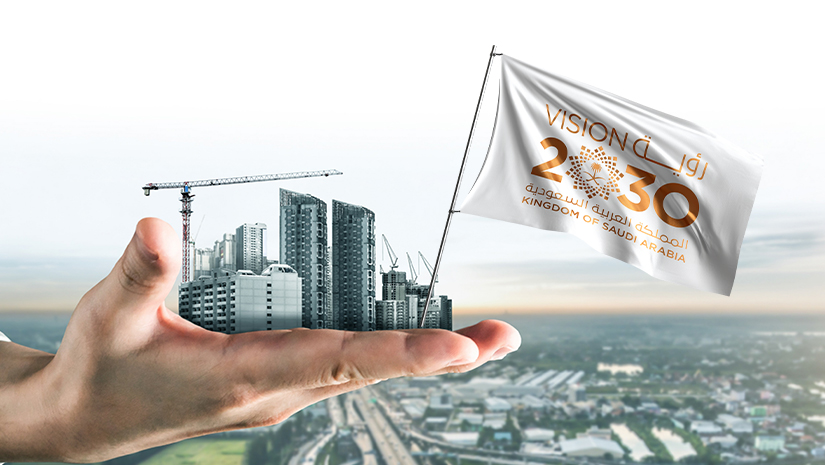
I’ve spent decades in the global trade and sourcing business, navigating everything from supply chain disruptions to booming market opportunities. One thing I’ve learned: when a nation commits to transformation on the scale of Saudi Vision 2030, the ripple effects hit construction materials hard and fast. Right now, as we head into 2026, the Kingdom’s giga-projects—NEOM, The Red Sea Project, Trojena, Qiddiya, and massive infrastructure expansions—are accelerating at full throttle.
These aren’t just buildings; they’re entire ecosystems demanding vast quantities of specific materials. I’ve seen markets like this before—sudden spikes that reward those who position early. Miss the window, and you’re chasing shortages and premium prices.

Saudi Vision 2030 – 10 Building Materials
The numbers back it up. The Saudi construction sector is projected to grow robustly, with investments in housing, tourism, and renewable energy pushing demand skyward. Reports from sources like Mordor Intelligence and GlobalData forecast steady expansion through the decade, fueled by over $1 trillion in ongoing projects.
But why these specific materials in 2026? It’s simple: sustainability mandates, extreme climate needs, and the sheer scale of smart, luxury developments. Vision 2030 prioritizes green building, energy efficiency, and durability—driving a shift from traditional imports to high-performance, eco-friendly options.
In this guide, I’ll break down the top 10 construction materials in highest demand for 2026. For each, I’ll explain the drivers, real-world applications in Vision 2030 projects, projected demand trends, and actionable sourcing insights. This isn’t theory—it’s drawn from market forecasts, project updates, and on-the-ground realities I’ve tracked over years.
Why 2026 is a Pivotal Year for Construction Materials Demand
Before diving in, context matters. 2026 marks key milestones: Trojena’s targeted completion for winter sports facilities, phased openings in NEOM and The Red Sea Project, and ramped-up hospitality builds for surging tourism goals.
The Kingdom aims for millions more visitors annually, requiring 300,000+ new hotel rooms by 2030—many accelerating now. Add renewable energy targets (58 GW clean capacity) and urban expansions in Riyadh and Jeddah, and material needs explode.
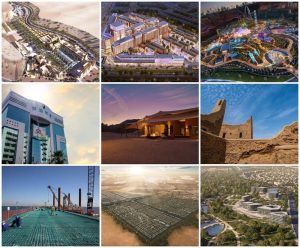
Who’s building Saudi’s future
Sustainability is non-negotiable. The Saudi Green Initiative and Mostadam rating system push low-carbon, recycled, and energy-efficient options. Local production is rising (e.g., new steel plants), but imports will bridge gaps—creating opportunities for reliable suppliers.
Challenges? Supply chain volatility, skilled labor shortages, and rising costs from fuel adjustments. But for prepared players, this is prime territory.
The Top 10 High-Demand Construction Materials for 2026
Here’s the list, ranked by projected volume and criticality based on current project pipelines and market analyses from HubSpot, Search Engine Journal equivalents in construction (like MEED and Big 5 reports), and direct project data.
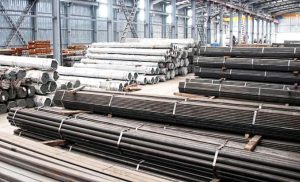
Vision 2030 Saudi Arabia Building Materials
1. Structural Steel and Rebar
Steel forms the backbone of any large-scale build—and Vision 2030 is all about scale.
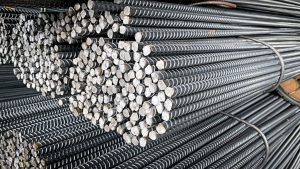
Structural Steel and Rebar
Why the surge? NEOM alone consumes massive volumes (once projected at 20% of global supply in peak years). High-rises, bridges, and industrial zones in OXAGON demand high-strength steel. Local production ramps up, but specialized grades remain import-heavy.
کاربردها: Foundations for The Line, dams in Trojena, frameworks in Qiddiya entertainment venues.
Demand insight: Expect 15-20% year-over-year growth in rebar alone, driven by residential booms like ROSHN projects.
Actionable tip: Prioritize suppliers with SASO certification for Saudi standards. Look for recycled steel to align with green goals—it’s increasingly mandated.
2. Ready-Mix and Low-Carbon Concrete
Concrete is king in volume—billions of cubic meters needed.
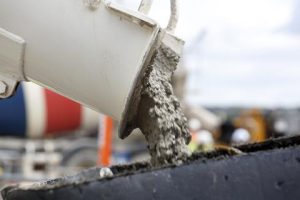
Ready-Mix and Low-Carbon Concrete
Why now? Innovations like CNT-enhanced low-carbon mixes (demonstrated in recent Dammam pours) support net-zero ambitions. Trojena requires 7+ million cubic meters, much from local aggregates.
کاربردها: Dams, foundations, precast elements in modular builds.
Demand insight: Shift to sustainable variants could cut emissions significantly—key for Vision 2030 compliance.
Actionable tip: Source mixes with supplementary cementitious materials (even if scarce locally, hybrids are emerging).
3. High-Performance Glass and Facades
Modern Saudi architecture demands energy-efficient envelopes.
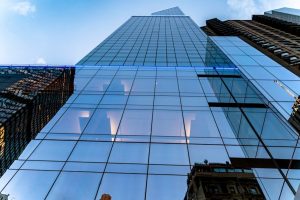
High-Performance Glass and Facades
Why the boom? Smart cities like NEOM feature extensive glazing for aesthetics and insulation. Commercial mixed-use in Riyadh and Jeddah pushes $9+ billion facade market.
کاربردها: Curtain walls in luxury hotels (Red Sea Project), reflective surfaces for heat control.
Demand insight: Double- or triple-glazed low-E glass leading, with smart tinting gaining traction.
Actionable tip: Focus on suppliers offering solar control coatings—essential in desert climates.
4. Sustainable Insulation Materials
Energy efficiency is a core Vision 2030 pillar.
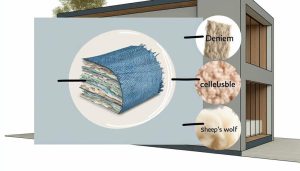
Sustainable Insulation Materials
Why critical? Green building codes demand reduced cooling loads. Projects target LEED/Mostadam certifications.
کاربردها: Walls and roofs in hospitality (310,000+ rooms pipeline), residential communities.
Demand insight: Green insulation (e.g., recycled or aerogel-based) growing fastest.
Actionable tip: Pair with smart HVAC for bundled efficiency gains.
5. Prefabricated and Modular Components
Speed is everything in giga-projects.
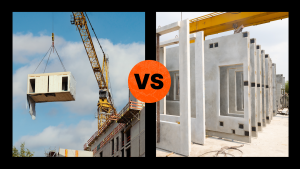
Prefabricated and Modular Components
Why surging? Off-site construction cuts timelines—vital for 2026 deadlines. ROSHN and NEOM embrace modular for housing.
کاربردها: Staff camps, hotel modules, rapid urban expansions.
Demand insight: Market driven by housing demand and logistics zones.
Actionable tip: Verified suppliers with fast lead times win here—delays kill deals.
6. Cement (Including Green Variants)
The foundational binder.
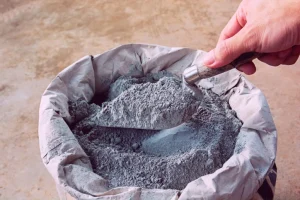
سیمان
Why steady demand? Massive infrastructure despite local capacity increases. Fuel costs impact pricing, but volume holds.
کاربردها: Everywhere—from roads to resorts.
Demand insight: Blended cements with reduced clinker for sustainability.
Actionable tip: Monitor Aramco fuel adjustments for cost forecasting.
7. Ceramic Tiles and Decorative Stone (Marble/Granite)
Luxury finishes for tourism push.
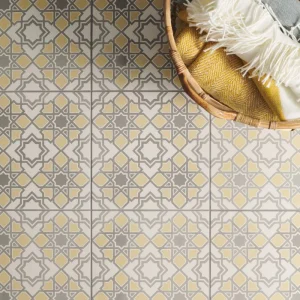
Ceramic Tiles and Decorative Stone
Why high? Interior design sector heading to $18 billion by 2030. Hospitality and cultural projects demand premium surfaces.
کاربردها: Hotels in Red Sea, flooring in Diriyah Gate.
Demand insight: Natural stone imports over $6 billion annually.
Actionable tip: Eco-friendly quarried options score points.
8. Aluminum and Cladding Systems
Lightweight, durable exteriors.
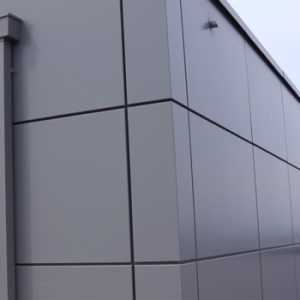
Aluminum and Cladding Systems
Why in demand? Facades, windows, roofing in high-rises and coastal developments.
کاربردها: Corrosion-resistant for Red Sea humidity, lightweight for seismic zones.
Demand insight: Ties to glass boom.
Actionable tip: Anodized or powder-coated for longevity.
9. Renewable Energy Components (Solar Panels, Mounting Systems)
Vision 2030’s clean energy drive.
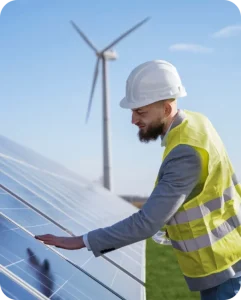
Renewable Energy Components
Why exploding? 58+ GW targets, integrated into buildings (BIPV).
کاربردها: Rooftops in NEOM, grid ties in new cities.
Demand insight: Massive PV projects closing financially.
Actionable tip: High-efficiency panels with local assembly preferences.
10. Smart HVAC and Low-Emission Systems
Comfort in extreme heat.

Smart HVAC and Low-Emission Systems
Why essential? Energy-efficient cooling mandatory for green ratings.
کاربردها: Hotels, residences, commercial spaces.
Demand insight: Smart controls reducing consumption 30-40%.
Actionable tip: IoT-integrated units for data-driven efficiency.
Comparing Traditional vs. Sustainable Materials in Vision 2030 Projects
To make decisions easier, here’s a quick comparison table:
| Material Category | Traditional Option | Sustainable Alternative | Key Benefits in Saudi Context | Demand Shift in 2026 |
|---|---|---|---|---|
| Concrete | Standard Portland | Low-carbon/CNT-enhanced | Up to 50% emission reduction | Strong toward sustainable |
| فولاد | Virgin rebar | Recycled/high-strength | Local sourcing, cost stability | متوسط |
| Insulation | Fiberglass | Aerogel/green wool | 40% energy savings | Rapid |
| Glass | Single-pane | Low-E triple-glazed | Heat rejection in desert | بالا |
| Finishes | Synthetic tiles | Natural stone/ceramic | Durability, aesthetics | Steady |
Sourcing Strategies That Work in This Market
Over years sourcing globally, I’ve found success boils down to three things:
- Verify compliance early – SASO, Mostadam alignment avoids rejections.
- Build local partnerships – Joint ventures or agents navigate regulations.
- Anticipate logistics – Port expansions help, but plan for peaks.
For deeper dives, check related insights on our blog: MISA License Mastery 2026: The Executive Guide to Saudi Arabia’s Investment Landscape, Saudi vs. UAE: The 2026 Economic Tug-of-War and Its Impact on GCC Trade, ، و The GCC Power List 2026: Ranking the Top 20 Listed Companies by Market Valuation.
Positioning Yourself for 2026 Opportunities
This demand wave isn’t slowing. Whether you’re a supplier, exporter, or investor, acting now positions you ahead.
At Tendify.net, we connect verified buyers and suppliers for exactly these high-volume trades—construction materials, bulk commodities, and more. Post an RFQ today, browse verified exporters, or list your products to reach Saudi buyers directly.
Ready to capitalize on Vision 2030’s construction boom? Sign up free on Tendify.net and start sourcing or supplying today. Your next big deal is waiting.