وبلاگ
Fintech KYC Checklist 2026: How to Block Toxic Money Inflows and Save Your Platform from Regulatory Nightmares
I’ve spent over four decades building and scaling businesses in volatile markets, negotiating deals that hinged on trust and due diligence, only to learn that one weak link can unravel everything. Early in my career, I launched a payment service that grew fast—too fast. We onboarded users without robust checks, and soon enough, a few accounts started showing irregular patterns. It wasn’t blatant fraud, but the inflows carried traces of something off, leading to frozen funds and regulatory scrutiny that nearly shut us down. That experience burned a lesson into me: In fintech, skipping thorough KYC—Know Your Customer—is like inviting poison into your ecosystem. It’s not just compliance; it’s survival.

Know Your Client (KYC)
Fast forward to 2026, and the stakes are higher than ever. With fintech transactions projected to hit $1.5 trillion globally, illicit actors are exploiting gaps to inject “toxic money”—funds from money laundering, sanctions evasion, or terrorist financing. A single unchecked user can trigger massive fines, reputational damage, and even platform shutdowns. But here’s the insight: A solid KYC checklist doesn’t just block risks; it builds trust, streamlines operations, and positions your platform as a leader in a crowded market. This guide isn’t theory—it’s a practical blueprint drawn from real-world battles, designed for fintech owners like you. We’ll break down why toxic money is a silent killer, deliver a step-by-step KYC checklist, and arm you with tools to implement it effectively. By the end, you’ll have the framework to safeguard your growth while turning compliance into a competitive edge.
Why KYC Is Critical for Fintech Platforms in Today’s Landscape
Fintech thrives on speed and accessibility—think instant payments, borderless transfers, and seamless onboarding. But that openness is a double-edged sword. Without rigorous KYC processes, platforms become magnets for bad actors seeking to wash dirty funds through digital channels.
The Evolving Threat of Toxic Money Inflows
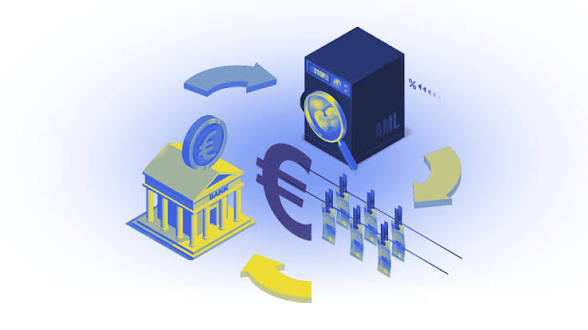
Toxic money refers to illicit capital that infiltrates legitimate systems, often disguised as everyday transactions. In fintech, this manifests as layered deposits from anonymous sources or high-velocity trades masking origins. Why the surge? Digital anonymity and global reach make platforms ideal for laundering—estimates show over $2 trillion laundered annually worldwide, with fintech capturing a growing slice.

Risks and Red Flags in Fintech
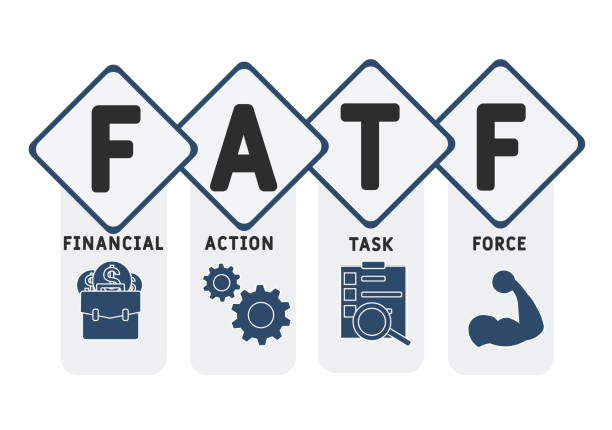
From my vantage point, the “why” is clear: Criminals exploit weak spots like incomplete identity verification to integrate funds. A 2025 report highlighted that 40% of fintech breaches involved inadequate KYC, leading to losses exceeding $500 million in fines alone. For owners, this isn’t abstract—it’s a direct hit to scalability. Regulators like the Financial Action Task Force (FATF) demand robust measures, and non-compliance can blacklist your platform from payment networks.
The Business Case for Strong KYC Implementation
Beyond risk avoidance, effective KYC in fintech drives value. It reduces fraud rates by up to 70%, per industry benchmarks, freeing resources for innovation. Trusted platforms attract premium users—think institutional investors wary of tainted ecosystems. Plus, it aligns with emerging standards like open banking, where data sharing amplifies scrutiny.
I’ve seen platforms double user retention by prioritizing secure onboarding. The insight? KYC isn’t a cost center; it’s an investment in resilience, turning potential vulnerabilities into strengths that differentiate you in a market flooded with copycats.
Understanding Toxic Money: Risks and Red Flags in Fintech
Toxic money doesn’t announce itself—it creeps in through subtle anomalies. Recognizing it starts with knowing the risks specific to fintech environments.
Common Sources and Pathways of Illicit Funds
Illicit inflows stem from diverse crimes: drug trafficking proceeds layered via micro-deposits, corruption funds routed through shell accounts, or sanctions-evaded crypto conversions. In fintech, pathways include:
- High-Volume Low-Value Transactions: Smurfing—splitting large sums into small transfers to evade thresholds.
- Anonymous Wallets: Crypto-linked accounts without verifiable owners.
- Geographic Mismatches: Users from high-risk jurisdictions with mismatched IP addresses.
The “why” behind these tactics? They mimic normal user behavior, like frequent app-based payments, making detection tough without granular checks.
The Devastating Impacts on Fintech Operations
Unchecked toxic money erodes from within. Financially, platforms face fines up to 10% of revenue under AML directives. Operationally, it triggers account freezes, disrupting cash flow. Reputational hits are worse—news of involvement in scandals drives user churn by 30-50%.
From experience, the ripple effects extend to partnerships: Banks and processors cut ties, starving growth. The key insight? Prevention via KYC isn’t reactive; it’s proactive armor against these cascading threats.
Early Warning Signs: Red Flags to Watch For
Spotting risks early hinges on patterns:
- Inconsistent user data (e.g., mismatched IDs and addresses).
- Rapid account activity post-onboarding.
- Frequent changes in linked payment methods.
- High-risk behaviors like maxing withdrawal limits.

Fintech KYC
Integrating these into your KYC framework turns passive onboarding into an active filter.
Step-by-Step KYC Checklist for Fintech Platforms
This isn’t a generic list—it’s a tailored KYC checklist for fintech owners, broken into phases for seamless execution. Each step includes “why” it matters and actionable tips, drawing from platforms that scaled safely.
Phase 1: Preparation and Infrastructure Setup
Before onboarding a single user, build your foundation.
- Assess Regulatory Requirements: Map obligations under FATF, local AML laws, and fintech-specific guidelines like PSD2 in Europe. Why? Non-alignment invites audits; compliance unlocks markets.
- Choose KYC Tools and Vendors: Opt for AI-powered solutions like identity verification APIs (e.g., biometric scans, document authentication). Integrate with databases for PEP (politically exposed persons) screening. Tip: Budget 5-10% of ops costs here—it’s cheaper than fines.
- Define Risk Tiers: Categorize users (low-risk: basic ID; high-risk: enhanced due diligence). Why? Tiering streamlines processes, focusing resources on threats.
- Train Your Team: Run workshops on red flags and escalation protocols. Include simulations for real-world scenarios.
This phase sets the tone—rushed prep leads to leaks; thoroughness plugs them.
Phase 2: Customer Onboarding Process
The frontline of defense—make it frictionless yet fortified.
Initial Registration and Data Collection
- Collect Core Information: Require name, address, date of birth, and contact details. Why? Builds a baseline for verification.
- Verify Identity Documents: Use OCR for passports, IDs, or driver’s licenses; cross-check against government databases. Tip: Flag alterations with AI image analysis.
- Biometric Verification: Implement facial recognition or liveness checks to prevent spoofing. Why? Adds a layer against synthetic identities, a rising threat in 2026.
Enhanced Due Diligence for High-Risk Users
- Source of Funds Inquiry: Ask for bank statements or employment proof. Why? Traces toxic inflows early.
- Sanctions and Watchlist Screening: Run against global lists (e.g., OFAC, UN). Automate for real-time hits.
- Behavioral Analysis: Monitor signup device, IP, and session patterns. Flag anomalies like VPN use from sanctioned areas.
Aim for 60-second onboarding for low-risk; deeper for others—balance speed with security.
Phase 3: Ongoing Monitoring and Maintenance
KYC isn’t one-and-done; it’s continuous vigilance.
- Transaction Monitoring: Set alerts for unusual patterns (e.g., spikes in volume). Use machine learning for anomaly detection.
- Periodic Reviews: Re-verify high-risk users annually; all others biennially. Why? Risks evolve—static data misses changes.
- Account Updates: Require re-verification on profile changes (e.g., new address). Tip: Automate reminders to minimize drop-off.
- Exit Protocols: Screen withdrawals for red flags; report suspicious closures.
This phase catches evolving threats, turning static KYC into dynamic protection.
Phase 4: Reporting and Compliance Auditing
- Suspicious Activity Reporting (SAR): File promptly with regulators on flags. Why? Mandatory and shields from liability.
- Internal Audits: Quarterly reviews of KYC processes. Engage third-party experts for objectivity.
- Data Retention: Store records for 5-7 years per laws. Secure with encryption.
Completing this KYC checklist ensures your platform isn’t just compliant—it’s fortified.
Best Practices for Implementing KYC in Fintech
Execution separates good from great. Here are insights honed from scaling platforms.
Leveraging Technology for Efficiency
- AI and ML Integration: Use algorithms for pattern recognition, reducing manual reviews by 60%. Why? Scales with growth without exploding costs.
- Blockchain for Transparency: Verify identities via decentralized ledgers for immutable records.
- API Ecosystems: Connect to global verification services for seamless checks.
From my operations, tech cut onboarding time by half while boosting accuracy.
User Experience Optimization
- Frictionless Design: Embed KYC in app flows with progress bars. Why? High drop-off (up to 40%) kills conversions.
- Multi-Language Support: Cater to global users for inclusive compliance.
- Feedback Loops: Explain denials transparently to build trust.
Balance rigor with usability—happy users mean sustained growth.
Collaboration and Industry Standards
- Partner with Regulators: Join forums for early insights on updates.
- Share Intelligence: Use networks like fintech associations for threat alerts.
- Benchmark Against Peers: Adopt standards from leaders in secure onboarding.
The “why”? Isolated platforms falter; connected ones thrive.
Common Challenges in KYC Implementation and How to Overcome Them
No process is flawless—anticipate hurdles.
Challenge 1: Balancing Speed and Security
Solution: Tiered KYC—fast for low-risk, thorough for others. Use automation to handle 80% of cases.
Challenge 2: Data Privacy Conflicts
Navigate GDPR-like rules with consent forms and anonymized processing. Why? Breaches cost more than fines—trust erosion.
Challenge 3: Evolving Threats
Counter with continuous model training and threat intel subscriptions.
Challenge 4: Cost Management
Start with scalable SaaS tools; ROI from reduced fraud justifies spend.
From experience, addressing these upfront prevents costly pivots.
Case Studies: Real-World Success with Robust KYC
Insights from anonymized examples show impact.
Case Study 1: A Payment App’s Turnaround
A growing app faced rising fraud. Implementing tiered KYC with biometrics cut toxic inflows by 85%, boosting investor confidence and valuation.
Case Study 2: Crypto Exchange Compliance Win
Facing regulatory pressure, they added source-of-funds checks. Result: Zero major incidents in 2025, with user base growing 50%.
Case Study 3: Lending Platform’s Risk Mitigation
Ongoing monitoring flagged smurfing patterns, preventing $2 million in losses. Why it worked? Integrated AI for real-time alerts.
These prove: Strong KYC isn’t defensive—it’s growth-enabling.
Future Trends in KYC for Fintech Platforms in 2026 and Beyond
The landscape shifts rapidly—stay ahead.
AI-Driven Predictive KYC
Models forecast risks pre-onboarding, using behavioral data.
Decentralized Identity Solutions
Self-sovereign IDs reduce friction while enhancing verification.
Regulatory Harmonization
Global standards like FATF’s digital focus streamline cross-border compliance.
Sustainability Ties
KYC evolving to screen for environmental crime-linked funds.
The insight? Adapt or lag—proactive platforms lead.
For deeper compliance strategies, explore our analysis on trade-based money laundering tactics.
Integrating KYC with Broader AML Strategies
KYC is the gatekeeper; pair it with AML for full protection.
- Link to Transaction Monitoring: Feed KYC data into AML engines.
- Incorporate CDD (Customer Due Diligence): Beyond ID, assess risk profiles.
- Align with CFT (Counter-Terrorist Financing): Screen for watchlists.
This holistic approach blocks toxic money at every layer.
Measuring KYC Effectiveness: KPIs and Metrics
Track success quantitatively.
- Onboarding Completion Rate: Target 90%+.
- False Positive Ratio: Aim under 5%.
- Fraud Detection Rate: Benchmark against industry averages.
- Compliance Audit Scores: 100% pass rate.
Regular dashboards keep your KYC framework optimized.
Ethical Considerations in KYC Implementation
Balance security with fairness.
- Avoid Bias: Audit AI for discriminatory patterns.
- Promote Inclusivity: Offer alternatives for underserved users.
- Transparency Builds Loyalty: Explain processes to foster trust.
The “why”? Ethical KYC enhances reputation, attracting ethical users.
Scaling KYC for Global Fintech Expansion
As you grow, adapt.
- Localize for Regions: Customize for varying laws.
- Automate at Scale: Cloud-based tools handle volume spikes.
- Partner Strategically: With compliance experts for new markets.
From my expansions, this ensures seamless growth without compliance cracks.
Conclusion: Turning KYC into Your Fintech Superpower
Implementing a robust KYC checklist transforms potential vulnerabilities into unbreakable defenses against toxic money. It’s not about checking boxes—it’s about building a platform that thrives on trust, efficiency, and foresight. From preparation to ongoing vigilance, each step safeguards your future while unlocking opportunities in a regulated world.
If you’re ready to elevate your fintech operations with verified tools and networks, Tendify.net is your partner. Sign up today for access to secure buyer leads, compliance resources, and a community built for success—your next breakthrough starts here.