وبلاگ
Understanding FATF Regulations: Practical Guide for MENA Businesses in 2026
I’ve navigated the complexities of international trade and business growth for over four decades, building operations in dynamic regions where regulations can make or break your momentum. One pivotal moment came when a promising partnership in a Gulf hub hit a wall—not from market conditions, but from overlooked compliance gaps tied to global standards. It cost time, money, and opportunities, driving home a hard truth: Ignoring bodies like the Financial Action Task Force (FATF) isn’t just risky; it’s a direct threat to your sustainability. In high-growth areas like the MENA region, where economies are diversifying rapidly, aligning with FATF standards separates thriving enterprises from those sidelined by scrutiny.

FATF Regulations
As we enter 2026, FATF regulations—the global benchmark for combating money laundering, terrorist financing, and proliferation—directly shape how companies operate. For managers and startup founders in MENA, these aren’t distant rules; they’re everyday realities influencing banking access, investor confidence, and cross-border deals. This guide simplifies the essentials: We’ll demystify what FATF is, break down its core recommendations in plain terms, explore MENA-specific impacts through MENAFATF, and provide actionable steps to comply without stifling growth. Drawing from real-world lessons and current developments, you’ll gain the clarity to turn these standards into a foundation for resilient operations.
What Is the Financial Action Task Force? The Basics Explained
The Financial Action Task Force (FATF) sets the international playbook for fighting financial crimes. Founded in 1989, it now includes over 200 jurisdictions committed to its framework.
FATF’s Mission and Global Reach
FATF develops standards to protect the financial system from abuse. Its 40 Recommendations cover everything from risk assessments to international cooperation. Why does this matter for businesses? Non-compliant countries face “grey listing”—increased monitoring that signals higher risks, leading banks and partners to apply extra checks or pull back.
In practice, FATF doesn’t enforce directly; countries implement through national laws. But its mutual evaluations—peer reviews—carry weight, influencing everything from foreign investment to transaction costs.
Key Insight: FATF’s approach is risk-based—focus efforts where threats are highest, allowing flexibility for legitimate business while targeting vulnerabilities.
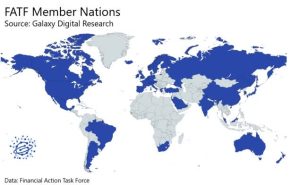
FATF Member Nations
The Grey and Black Lists: What They Mean in Reality
FATF maintains lists highlighting deficiencies:
- Grey List: Jurisdictions under increased monitoring, committed to fixes.
- Black List: High-risk with calls for countermeasures (rare, currently limited).
For MENA, progress is notable—many nations have exited grey lists through reforms, boosting economic appeal. As of early 2026, ongoing evaluations (e.g., UAE reassessment) underscore continuous improvement.
The “why” for businesses: Grey listing raises correspondent banking costs and deters investors. Compliance lifts these barriers, opening doors.
Simplifying the FATF 40 Recommendations: Core Pillars for Businesses
FATF’s recommendations sound technical, but boil down to practical safeguards. Here’s a manager-friendly breakdown, grouped into key areas.
Risk Assessment and Preventive Measures
Recommendation 1: Assess risks at national and business levels.
- چرا مهم است؟: Identifies vulnerabilities like high-cash sectors.
- Action for You: Conduct internal risk reviews—map customers, products, and geographies.
Recommendations 10-12 (Customer Due Diligence – CDD): Verify customer identities, understand ownership, and monitor ongoing.
- Simplified: Know who you’re dealing with—basic for low-risk, enhanced for high-risk (e.g., PEPs).
- نکته حرفهای: Use digital tools for verification; flag mismatches early.
Reporting and Record-Keeping
Recommendation 20: Report suspicious transactions promptly.
- Why Crucial: Early flags disrupt crimes without exposing your firm.
- Practical Step: Train staff on red flags; appoint a compliance officer.
Recommendation 18: Maintain records for at least five years.
- Ensures audit readiness and defends against claims.
Targeted Financial Sanctions and International Cooperation
Recommendations 6-7: Freeze assets linked to terrorists or proliferators.
- Business Impact: Screen against sanction lists—automate to avoid blocks.
Recommendation 40: Share information across borders.
- Facilitates smoother global operations for compliant entities.
Table: Top FATF Recommendations Relevant to MENA Businesses
| Recommendation Group | Key Focus | Business Application | MENA Relevance |
|---|---|---|---|
| Risk-Based Approach | Assess and mitigate risks | Tailor controls to your operations | High due to diverse economies |
| CDD & Beneficial Ownership | Identify real owners | Prevent shell company abuse | Critical in trade-heavy sectors |
| Suspicious Reporting | Flag unusual activity | Protect from unwitting involvement | Aligns with MENAFATF priorities |
| Sanctions Compliance | Screen lists | Avoid prohibited dealings | Essential for international banking |
| Virtual Assets | Regulate crypto providers | Enhanced checks for digital transactions | Growing with fintech boom |
MENAFATF: The Regional Bridge to FATF Standards
In MENA, the Middle East and North Africa Financial Action Task Force (MENAFATF) adapts FATF globally to local contexts. With 21 members, it coordinates implementation, technical assistance, and evaluations.
FATF 40 Recommendations
How MENAFATF Supports MENA Businesses
MENAFATF’s 2025-2026 plan emphasizes governance, emerging risks (e.g., virtual assets), and FATF alignment. UAE’s 2026 presidency signals stronger regional leadership.
Why This Helps Managers: Provides tailored guidance, training, and mutual evaluations that improve country ratings—directly easing business friction.
Recent progress: Reforms have removed several from grey lists, enhancing financial access.
بینش: MENAFATF fosters cooperation, meaning compliant firms benefit from smoother regional trade.
Direct Impacts of FATF Compliance on MENA Businesses
FATF influences daily operations profoundly.
Positive Outcomes from Strong Compliance
- Easier Banking: Reduced de-risking; lower correspondent fees.
- Investor Appeal: Signals stability—key for FDI in diversification drives.
- Operational Efficiency: Robust processes cut fraud losses (up to 70% reduction per studies).
Challenges and Costs of Non-Compliance
- Higher Scrutiny: Enhanced due diligence delays deals.
- Reputational Risks: Grey listing scares partners.
- Fines and Restrictions: Direct penalties plus lost opportunities.
From experience, proactive alignment pays dividends—I’ve seen compliant operations secure better terms and faster growth.
Statistic: Post-reform markets attract 20-30% more investment, per economic analyses.

Financial Action Task Force
Step-by-Step Guide: Implementing FATF Standards in Your MENA Business
Compliance starts small but scales big.
Step 1: Conduct a Risk Assessment
Map your exposures—customers, products, channels.
- How-To: Use FATF tools; involve teams for accuracy.
- چرا: Prioritizes efforts, avoiding overkill on low risks.
Step 2: Build Strong CDD Processes
- Verify identities rigorously.
- Screen for PEPs/sanctions.
- Document beneficial owners.
Tip: Automate with reliable software—saves time, boosts accuracy.
Step 3: Establish Monitoring and Reporting
- Track transactions for anomalies.
- Train on suspicious indicators.
- Report promptly without fear (protections exist).
Step 4: Foster a Compliance Culture
- Appoint a dedicated officer.
- Regular training and audits.
- Integrate into policies.
Step 5: Stay Updated and Engage
- Monitor MENAFATF/FATF updates.
- Join industry groups for insights.
Case Insight: Firms adopting risk-based approaches reduced compliance costs 15-25% while enhancing detection.
For related risks, see our guides on money laundering tactics in MENA و trade-based money laundering.
Emerging Trends: FATF Focus Areas for MENA in 2026
Virtual assets, proliferation financing, and financial inclusion top agendas. MENAFATF’s plan targets these, with UAE leadership driving tech-enabled compliance.
Opportunity: Early adopters gain edges in fintech and trade.
Turning FATF Knowledge into Business Strength
Grasping FATF regulations and their MENA application empowers you to navigate risks confidently. It’s not about fear—it’s about building operations that withstand scrutiny and seize opportunities in a connected world.
For practical tools in global trade, explore Tendify.net’s resources on compliance and market insights.
Ready to strengthen your compliance and unlock safer growth? همین امروز در Tendify.net ثبت نام کنید—access verified partners, real-time leads, and a network designed for success in regulated markets.