


وبلاگ
Afghanistan Transit Trade: The Ultimate Logistics & Compliance Guide
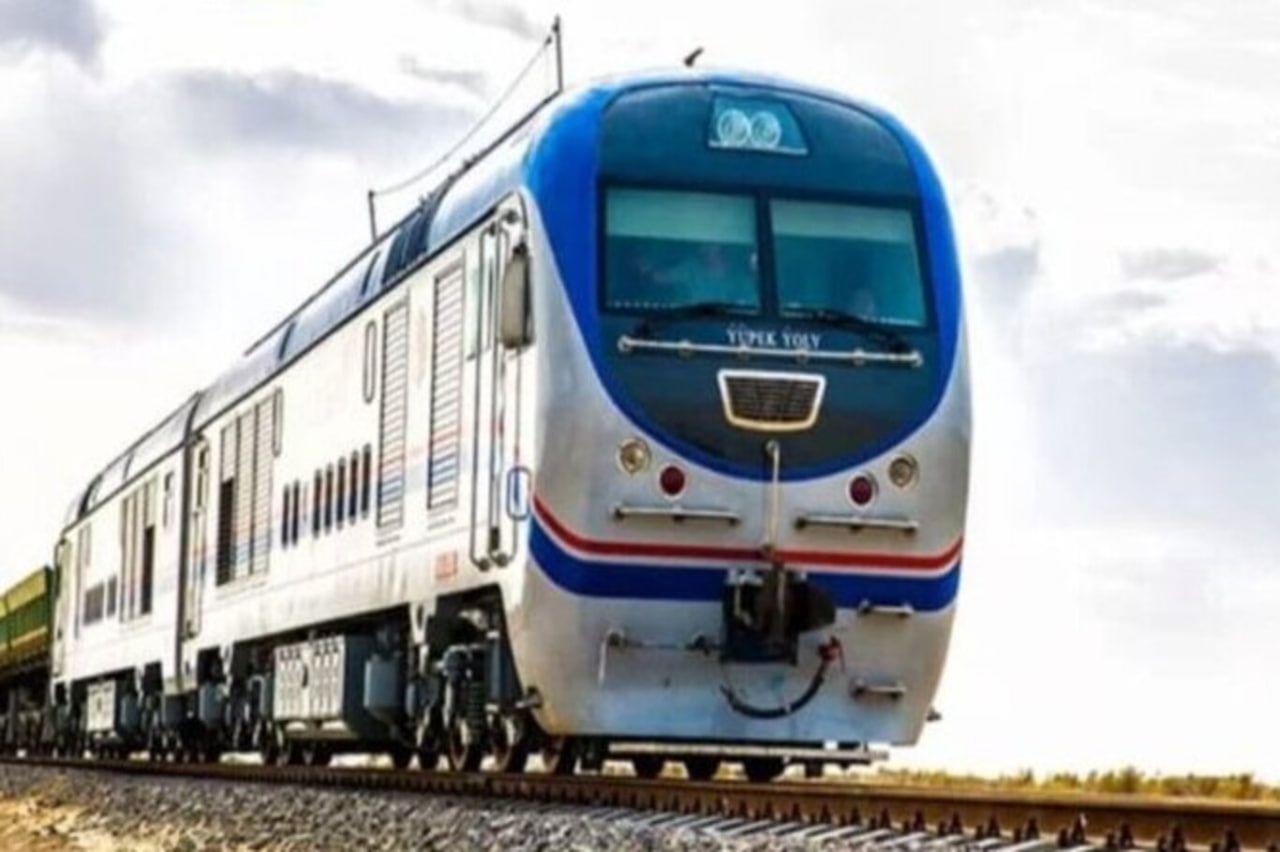
Rail freight shipments linked to Afghanistan have surged to roughly 130,000 tons per month.
Just a short time ago the annual volume on those same routes sat below 15,000 tons. Officials now project annual throughput near 1.5 million tons. That is not incremental growth. It is a structural redrawing of trade maps across Central and South Asia.
Traditional overland routes through Pakistan have faced persistent disruptions. Border restrictions, policy friction, and operational bottlenecks forced Afghan traders and their counterparts to look for reliable alternatives. Rail connections that reach seaports have emerged as the practical answer. The speed of the shift underlines a simple operational truth: supply chains move to the path of least resistance when volume, cost, and predictability align.

Afghanistan Transit Trade
For B2B operators moving bulk commodities, construction materials, fuel, or consumer goods through the wider region, the lesson is immediate. Diversification is no longer optional. It is the baseline requirement for protecting margins and delivery schedules.
Why the Pivot Happened Now
Three converging pressures explain the rapid scaling.
First, access risk on the Pakistan corridor became chronic rather than episodic. Container volumes that once supported multi-billion-dollar transit flows dropped sharply over successive years. Exporters and importers who relied on a single gateway absorbed higher insurance, demurrage, and opportunity costs.
Second, rail offered measurable cost and reliability advantages for suitable cargo. Bulk and semi-bulk shipments move at lower unit cost than pure road haulage once the infrastructure is available and border processes are streamlined. Transit times became more predictable. Documentation cycles shortened compared with multi-modal road-sea combinations that required repeated handling.
Corridor Economics: Rail vs. Road Overland Transport
Central Asia – Afghan Trade Arteries
While road haulage offers point-to-point flexibility for light loads, rail infrastructure delivers decisive cost efficiency for bulk commodities, fuel, and industrial goods over long-haul transit lines:
| Metric / Parameter | Rail Freight (Corridor Network) | Pure Road Haulage | Operational Advantage |
|---|---|---|---|
| Average Freight Rate | $0.035 – $0.055 / ton-km | $0.080 – $0.120 / ton-km | 35% – 50% Cost Savings |
| Border Clearance Buffer | 12 – 36 Hours (Pre-cleared) | 3 – 10+ Days (High Congestion) | High Transit Predictability |
| Demurrage & Dwell Risk | Low (Scheduled Terminal Wagons) | High (Truck Waiting Fees) | Reduced Inventory Holding Fees |
| Optimal Payload Capacity | 60 – 68 Tons per Wagon | 22 – 25 Tons per Truck | 2.7x Single-Unit Scale |
Third, capacity on the alternative rail links expanded at the right moment. New border crossings, improved scheduling, and coordinated commercial operations turned theoretical routes into working corridors. Monthly volumes that once measured in the low thousands of tons jumped into six figures.
The result is visible in the numbers and in the behavior of market participants. Afghanistan’s largest trading relationships are now being reinforced by rail rather than undermined by road bottlenecks. For traders based in GCC hubs who source or sell into Central Asian markets, this changes the calculus of landed cost and inventory planning.
Operational Mechanics of the New Flow
Successful use of these corridors depends on understanding the practical workflow rather than the headline statistics.
Transit Conventions & Cross-Border Frameworks
The rapid throughput acceleration across regional rail gateways is directly underpinned by key international transit mechanisms and multilateral protocols:
- TIR System Operationalization: The implementation of the UN TIR Convention across multimodal rail-road nodes enables intermodal customs sealing, eliminating mid-route customs inspections and replacing cash duty deposits with international financial guarantees.
- Trilateral & Quadrilateral Rail Protocols: Bilateral and joint transit frameworks between Afghanistan, Iran, Uzbekistan, and Turkmenistan have standardized cross-border wagon exchange protocols, preferential freight tariffs, and unified border clearance windows.
- Harmonized Documentation: Unified consignment protocols (such as the SMGS railway bill along northern links) reduce administrative handling times at key dry ports like Hairatan, Torghundi, and Rozanak.
TIR Transit Compliance & SMGS Documentation Guide
Field-by-field SMGS railway bill guide, TIR Carnet €100k guarantee limits, electronic pre-declaration (TIR-EPD), and border customs directory.
Cargo typically moves in two directions. Inbound volumes to Afghanistan include fuel, construction materials, food staples, and industrial inputs. Outbound and transit volumes remain smaller but are growing and include minerals, agricultural products, and re-export opportunities. A meaningful share of the traffic is pure transit—goods originating in third countries and simply passing through the rail gateway.
Primary Rail Corridors Shaping Afghan Logistics
The operational pivot toward rail relies on three core strategic arteries connecting Afghanistan to neighboring regional transport networks:
Key operational steps that separate reliable performers from those who lose time and money:
- Pre-clear documentation and HS classification before the cargo reaches the border. Misclassification or incomplete certificates trigger holds that erase the speed advantage of rail.
- Align wagon availability with production or arrival schedules. Spot shortages of suitable rolling stock still occur during peak periods.
- Coordinate last-mile distribution inside Afghanistan. Rail delivers to the border or key terminals; road or local rail then completes the movement to final warehouses or project sites.
- Monitor currency and payment settlement windows. Cross-border settlements remain sensitive to banking channel availability and compliance checks.
Traders who treat the corridor as a pure transport decision underestimate the documentation and compliance layer. Those who treat it as an integrated trade process capture the full cost and time benefit.
Implications for GCC and MENA Traders
GCC importers and exporters sit at a natural intersection of these flows. Ports in the UAE, Saudi Arabia, Qatar, and Oman already serve as consolidation and re-export hubs for goods moving into Central Asia and beyond. The expansion of reliable rail access from Afghanistan creates both competition and opportunity.
On the competitive side, some cargo that previously routed through Pakistani ports or mixed road-sea combinations may shift. On the opportunity side, GCC-based traders can position themselves as reliable origin or destination partners for the new volumes. Construction materials, steel products, petrochemicals, and packaged foods are natural candidates.
The Intermediary Role of Feeder Ports & Dry Ports
Seamless sea-to-rail integration between GCC export hubs and Central Asian gateways relies on a strategic network of feeder shipping lines and inland container depots (ICDs):
- Feeder Port Network & Gateway Transit: Ocean deep-sea vessels discharge mega-volumes at major Arabian Gulf hubs (e.g., Jebel Ali, Dammam). Regional feeder services then relay cargo to secondary coastal transshipment points such as Chabahar or Gulf-Caspian marine connectors (e.g., Anzali, Aktau), bypassing road choke points.
- Inland Dry Ports (ICDs) & Cross-Docking Hubs: Key inland rail terminals—including Sarakhs, Rozanak, and Hairatan Dry Port—act as critical buffer zones. Here, ocean containers undergo rapid devanning, customs staging, and transfer onto specialized rail wagons (flatcars/hopper cars).
- Inventory Buffer & Customs Deferment: Bonded dry port yards allow GCC operators to store safety stock closer to destination markets under customs duty suspension, releasing cargo to rail only when final overland delivery is triggered.
Three practical adjustments make sense for operators already active in the region:
- Re-evaluate total landed cost models that previously assumed Pakistan-centric routing. Include the new rail options in scenario planning.
- Strengthen relationships with multimodal logistics providers who already manage the interface between Gulf ports and the northern rail gateways.
- Review Incoterms and risk allocation clauses. When the primary risk shifts from maritime delays to rail border clearance, contract language should reflect the new choke points.
Platforms that aggregate real-time market intelligence, HS classification tools, and duty calculators become more valuable in this environment. One practical example is the suite of trade utilities available through Platform.Tendify.Net, which many operators use to run rapid cost comparisons across alternative corridors without building the models from scratch.
Risk Factors That Still Require Active Management
No corridor is frictionless. The same factors that drove traffic onto the rail links can also constrain it.
The Break-of-Gauge Challenge (1520mm vs Standard Gauge)
A critical operational detail often overlooked in high-level trade analyses is the gauge discrepancy across Central Asian rail networks:
- Russian Broad Gauge (1520mm): Used across Northern corridors (Uzbekistan, Turkmenistan) and connecting Afghan border terminals like Hairatan and Torghundi.
- Standard Gauge (1435mm): Utilized on the Iranian railway network connecting through the Khaf–Herat corridor.
- Operational Impact: Cargo moving across these interfacing systems requires physical transshipment (cross-docking) or bogie-exchange at border hubs. Operators must account for 24–48 hours of potential handling buffer and associated crane/terminal handling charges (THC) in their total landed cost models.
Central Asian Railway Gauge Gap & Transshipment SOP
Complete operational procedures for 1435mm ↔ 1520mm gauge breaks, bogie exchange terminal maps, crane THC rates, and OSJD lashing standards.
Capacity ceilings exist. Even with strong growth, the network has physical limits on wagon availability, terminal throughput, and track capacity. Sudden surges in one commodity can crowd out others.
Border process variability remains. While procedures have improved, changes in inspection intensity or documentation requirements can still create short-term backlogs.
Geopolitical and policy risk has not disappeared. Any corridor that depends on the policy stability of multiple jurisdictions carries residual exposure. Diversification across multiple gateways continues to be the prudent approach.
Transit Insurance & Financial Guarantee Frameworks
Securing cargo along Afghan transit corridors requires navigating a split-insurance structure due to international underwriting boundaries:
- Global P&I and Marine Cargo Policy Limits: Standard international Cargo Insurance policies often enforce strict exclusion clauses or territorial limits at Afghan border points of entry (FOB/DAP border terminals).
- Regional Inland Transit Insurance: Traders typically bridge coverage gaps through specialized regional underwriters (operating out of GCC or Central Asian hubs) providing specific rail/road inland transit riders covering theft, derailment, and force majeure within inland border zones.
- Customs Bonds & Financial Guarantees: To avoid duty cash deposits at transit borders, cargo relies heavily on the TIR Convention framework or local bank guarantees issued through regional freight forwarders to cover potential transit duty liabilities.
Currency and payment risk is elevated in some bilateral pairs. Traders who settle in hard currencies or use established escrow and trade-finance structures reduce exposure compared with those who rely on less transparent channels.
These risks are manageable with disciplined process design. They are not reasons to avoid the corridor; they are reasons to approach it with clear operating procedures rather than opportunistic bookings.
Building a Resilient Multimodal Playbook
The Afghan rail surge is one data point in a broader pattern. Across the wider region, traders are learning that single-corridor dependence is a structural vulnerability. The response is not to chase every new route, but to build modular capability that can shift volume when conditions change.
A practical playbook includes five elements:
- Corridor mapping: Maintain current cost, transit-time, and reliability data for at least three viable routes for each major origin-destination pair.
- Documentation standardization: Create master document templates that can be adapted quickly to different border regimes rather than reinvented for each shipment.
- Partner tiering: Develop primary and secondary logistics relationships so that capacity can be switched without starting commercial negotiations from zero.
- Inventory buffering strategy: Decide deliberately which SKUs justify higher safety stock versus which can tolerate longer or more variable lead times.
- Scenario triggers: Define clear thresholds (border closure duration, demurrage accumulation, or cost differential) that automatically trigger a route switch.
Operators who already apply this discipline report fewer emergency airfreight decisions and more stable contribution margins when disruptions hit.
Related operational depth appears in existing coverage of demurrage management and customs clearance efficiency across GCC ports. Readers dealing with container dwell times will find practical levers in the analysis of demurrage versus detention costs in UAE and Saudi ports. Those focused on documentation will benefit from structured approaches to export checklists that reduce the probability of holds.
Hafeet Rail Guide: How to Cut GCC Freight Costs by 40%
Secure Green Land Corridor: The New Saudi–Oman Supply Chain
What the Numbers Signal for the Next 18–24 Months
If the projected 1.5 million ton annual run-rate materializes, the corridor will have moved from experimental to structural. That volume is still modest relative to major global arteries, but it is transformative for the specific markets it serves. More importantly, it demonstrates that infrastructure and commercial coordination can scale rapidly when the alternative becomes too costly.
For B2B decision-makers the relevant questions are operational rather than geopolitical:
- Which of my current routes carries similar single-point-of-failure risk?
- How quickly can I validate an alternative corridor with a pilot shipment?
- What commercial terms need to change so that the risk and cost of switching are shared appropriately with counterparties?
The traders who answer those questions early will treat the next disruption as a manageable variance rather than a crisis. Those who wait for the next headline will pay the premium of late adaptation.
Supply chains do not wait for perfect conditions. They move to the combination of capacity, cost, and predictability that is available today. The rapid scaling of rail volumes linked to Afghanistan is simply the latest illustration of that principle. The same logic applies to every major corridor that serves GCC and wider MENA markets. The operators who internalize it will keep moving cargo while others are still debating the map.
Actionable Trade Intelligence
Turn Trade Analysis into Executable Operations
For teams ready to tighten corridor options, documentation discipline, and landed cost visibility—equip your commercial and logistics functions with real-time trade calculators, export checklists, and regional market intelligence modules.

