


وبلاگ
Technology Export Guide: A Strategic Framework for B2B Ventures
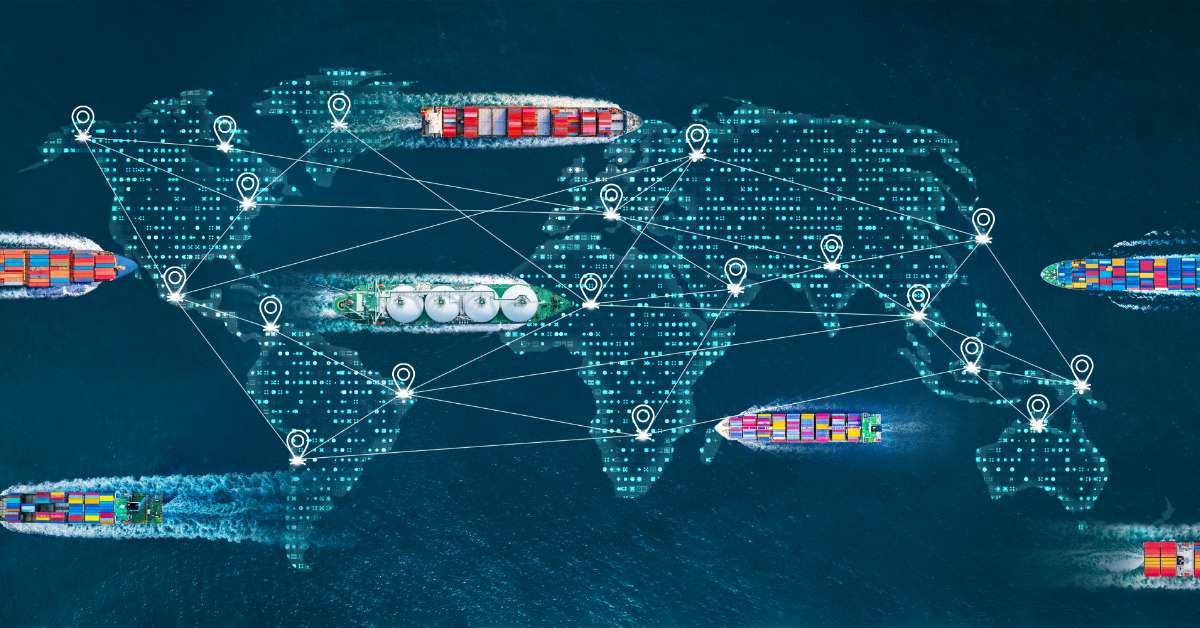
In today’s interconnected world, exporting technology isn’t just an opportunity—it’s a necessity for businesses aiming to scale beyond borders. I’ve spent over two decades building and expanding tech ventures, and I’ve seen firsthand how turning innovative software, hardware, or digital solutions into global exports can transform a local startup into an international powerhouse. But let’s be real: the process is riddled with pitfalls. Did you know that according to the World Trade Organization (WTO), global tech exports reached $3.5 trillion in 2023, yet 70% of small-to-medium enterprises (SMEs) fail in their first international attempt due to regulatory oversights? If you’re wondering how to export technology effectively, this guide breaks it down step-by-step. We’ll cover everything from legal frameworks to market strategies, ensuring you avoid common traps and build a sustainable export pipeline.
By the end, you’ll have actionable insights to launch your tech exports confidently. Let’s dive in.

Understanding the Basics of Technology Export
Exporting technology means transferring intellectual property (IP), software, hardware, or know-how across international boundaries. This could involve selling AI algorithms, SaaS platforms, cybersecurity tools, or even manufacturing blueprints. The “why” is simple: domestic markets saturate quickly, but global demand for cutting-edge tech is exploding—projected to grow 8.5% annually through 2030, per McKinsey & Company.

However, it’s not as straightforward as shipping a physical product. Technology often falls under dual-use regulations (civilian and military applications), making compliance critical. I’ve learned this the hard way: one overlooked export license delayed a multimillion-dollar deal by six months.
Morocco High-Speed Rail: €205M Boost for Europe-Africa Trade
Key Types of Technology Exports
- Software and Digital Products: Cloud-based apps, APIs, or source code.
- Hardware with Embedded Tech: Drones, IoT devices, or semiconductors.
- Services and Know-How: Consulting, training, or licensing patents.
Grasping these distinctions early prevents costly reclassifications later.
Navigating Export Controls and Regulations
The backbone of how to export technology successfully is mastering regulations. Governments treat tech exports like guarded treasures to prevent proliferation of sensitive innovations.
Step 1: Classify Your Technology
Use the Export Control Classification Number (ECCN) from the U.S. Commerce Department’s Bureau of Industry and Security (BIS) if you’re in the U.S., or equivalent systems like the EU’s Dual-Use List.
- Actionable Tip: Run your product through the BIS’s SNAP-R tool online. For example, encryption software often requires a license under Category 5, Part 2.
Case Study Insight: A fintech company I advised misclassified their payment gateway as “low-risk,” leading to a $500,000 fine. Proper classification took them two weeks but saved millions.
Step 2: Obtain Necessary Licenses
- General Licenses: For low-risk destinations (e.g., License Exception ENC for certain encryption to allied countries).
- Specific Licenses: Required for controlled countries like those on the Entity List.
نکته حرفهای: Apply early—processing can take 30-90 days. Tools like the U.S. Export.gov portal streamline this.
In the EU, comply with Regulation (EU) 2021/821. Always check for sanctions via OFAC (U.S.) or equivalent bodies.

Cross-Border Data Privacy & Regulatory Localization
Exporting digital solutions means navigating a complex maze of global privacy laws. Failing to comply with regional data governance frameworks doesn’t just block market entry—it exposes your company to multi-million dollar penalties and immediate operational shutdowns.
💡 Action Item: Conduct a comprehensive Data Protection Impact Assessment (DPIA) for each target market prior to launch. Building “Privacy by Design” into your code architecture saves months of costly re-engineering later.
Conducting Thorough Market Research
Before exporting, validate demand. I’ve exported SaaS to over 15 countries, and market fit is 80% of success.
Identifying Target Markets
Use data from sources like Statista or the International Trade Centre (ITC).
| عامل | High-Potential Markets | چرا؟ |
|---|---|---|
| GDP Growth | India, Vietnam | Rising digital adoption (CAGR >10%). |
| Tech Adoption | Germany, Singapore | Mature ecosystems with IP protection. |
| Regulatory Ease | Canada, Australia | Streamlined export processes. |
- Avoid Red Flags: Markets with high piracy rates (e.g., per BSA Global Software Survey) erode profits.
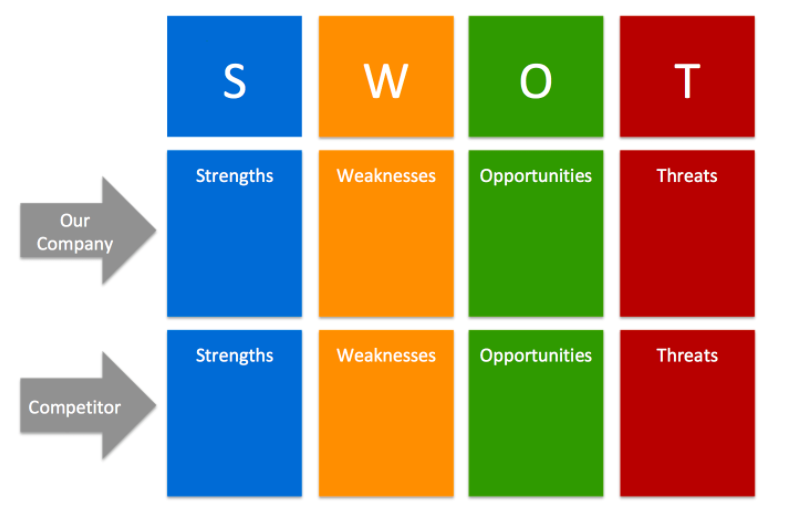
Competitive Analysis
- Map competitors using Ahrefs or SEMrush.
- Survey potential customers via LinkedIn polls or tools like Typeform.
Insightful Why: Markets aren’t uniform—customize for local needs. For instance, adapt UI for right-to-left languages in Middle Eastern exports.
Localization Beyond UI: Leveraging VARs & Channel Partner Ecosystems
Direct sales often hit invisible walls in foreign markets due to cultural nuances, entrenched buyer habits, and local procurement policies. Accelerating tech exports relies on building a robust local partner ecosystem rather than scaling a direct salesforce from afar.
💡 Channel Strategy Rule: Offer competitive commission margins (20–35% recurring) to initial regional partners, along with comprehensive technical enablement and dedicated partner-portals to maintain deal protection.
Protecting Intellectual Property (IP) in Exports
IP is your tech’s lifeblood. Exporting without safeguards is like handing over your blueprint.
Core Strategies
- Patent Internationally: File via PCT (Patent Cooperation Treaty) for 150+ countries.
- Trademark and Copyright: Register in target markets early.
- NDAs and Contracts: Use ironclad agreements with clauses for jurisdiction.
Data Point: The U.S. Patent and Trademark Office reports that 40% of IP theft occurs during international partnerships. I mandate IP audits before any export deal.
Free ATS Resume Builder & Professional
Building a Robust Export Strategy
Strategy turns knowledge into revenue. Focus on scalability.
Pricing and Packaging
- Tiered Models: Freemium for entry, premium for advanced features.
- Currency Hedging: Use tools like Wise to mitigate forex risks.
Distribution Channels
- Direct Sales: Your website or app stores.
- Partners: Local distributors or resellers.
Actionable Framework:
- Validate product-market fit with MVPs.
- Pilot in one market (e.g., 3-month test).
- Scale based on KPIs like CAC < 3x LTV.
Logistics and Supply Chain for Tech Exports
Even digital tech needs “shipping.”
Digital Exports
- Use secure CDNs like Cloudflare for global delivery.
- Comply with data localization laws (e.g., GDPR in Europe).
Physical Tech
- Partner with DHL or FedEx for compliant shipping.
- Insure against loss—theft rates for high-tech goods are 15% higher internationally (per Allianz).
Pro Challenge Solution: Cloud-based exports bypass physical logistics but trigger data export rules under EAR (Export Administration Regulations).
SLA Architecture & 24/7 Global Technical Support
Technology export is rarely a one-time transaction. International clients expect operational continuity, strict uptime guarantees, and localized technical support. Lacking a robust Service Level Agreement (SLA) is one of the fastest ways to churn global enterprise clients.
💡 Key Takeaway: High-tier SLAs aren’t just legal protections—they are a high-margin recurring revenue stream. Premium support packages can add 15–25% annually to your initial export contract value.
Marketing and Sales Tactics for Global Reach
بازاریابی technology exports demands localization.
Digital Marketing Essentials
- SEO Optimization: Target long-tail keywords like “best AI tools for [country] businesses.”
- Content Marketing: Blogs, webinars in local languages.
Backlinko data shows localized content boosts conversion by 6x.
Sales Funnel
- Top of Funnel: Free trials/downloads.
- میانه: Case studies (e.g., “How our tool increased efficiency by 40% for a European client”).
- Bottom: Personalized demos.
I’ve closed deals worth $2M+ by focusing on value over price—emphasize ROI calculators.
Financing Your Technology Export Venture
Cash flow is king in exports.
Funding Sources
- Government Grants: U.S. SBA’s STEP program offers up to $250,000.
- Venture Debt: From banks specializing in tech.
- Export Credit Agencies: Like EXIM Bank for insurance.
بینش: Bootstrap where possible—I’ve funded initial exports via revenue reinvestment, avoiding dilution.
Securing B2B Transactions: International Payment Frameworks & Escrow
While platforms like Wise or standard wire transfers work for small-scale SaaS, enterprise-level B2B tech exports—such as custom software development or high-value hardware shipments—require sophisticated financial safeguards to eliminate default risks.
💡 نکته حرفهای: For enterprise tech contracts exceeding $100k, never rely on post-delivery invoicing. Mandate an irrevocable L/C or a structured escrow schedule tethered to project acceptance milestones.
Navigating Cross-Border Tax Architecture: WHT & Transfer Pricing
Unplanned cross-border tax liabilities can quietly erase up to 30% of your export profit margins. When exporting SaaS, licensing IP, or delivering technical consulting, mastering foreign tax obligations is just as vital as securing the deal itself.
💡 Contract Clause Strategy: Structure export contracts with explicit “Gross-Up” clauses. This obligates the foreign buyer to cover any local withholding taxes so your business receives 100% of the agreed net invoice amount.
Overcoming Common Challenges in Exporting Technology
Challenges are inevitable, but preparation mitigates them.
Top Hurdles and Fixes
- Cultural Barriers: Hire local consultants; adapt to business etiquette.
- Currency Fluctuations: Lock rates with forwards.
- Talent Gaps: Train teams on export compliance via online courses (e.g., Coursera).
Case Study: A hardware exporter I mentored faced tariff hikes—switching to digital licensing cut costs by 60%.
Comprehensive Tech Export Risk Mitigation Framework
| Category & Risk Event | Proactive Mitigation Strategy | Expected Strategic Outcome |
|---|---|---|
| COMPLIANCE Regulatory & Export Fines | Conduct annual BIS / EU Dual-Use ECCN audits and implement automated screening toolsets for sanctioned entities via OFAC lists. | ✅ 95% reduction in compliance risk & zero classification penalties. |
| DATA GOVERNANCE Cross-Border Data Penalties | Adopt “Privacy by Design”, leverage localized cloud hosting (e.g., AWS/Azure regions), and mandate Standard Contractual Clauses (SCCs). | ✅ Full compliance with GDPR, CCPA, & PIPL with localized data sovereignty. |
| INTELLECTUAL PROPERTY IP Theft & Counterfeiting | File international patents via PCT, implement ironclad NDAs with target jurisdiction clauses, and utilize encrypted IP license keys. | ✅ Complete legal defensibility & protection against source code leakage. |
| FINANCIAL Payment Defaults & Tax Erosion | Mandate milestone-based B2B Escrow or Letters of Credit (L/C), and embed tax “Gross-Up” clauses to offset foreign Withholding Tax (WHT). | ✅ Guaranteed cash-flow delivery & protection of 100% net contract margin. |
| MARKET ENTRY GTM Failure & Cultural Mismatch | Deploy MVP pilot programs with clear exit clauses and partner with established local Value-Added Resellers (VARs). | ✅ Faster market validation, lower acquisition costs, & agile pivot capability. |
| OPERATIONS Enterprise Client Churn | Establish multi-region “Follow-the-Sun” support coverage paired with multi-tiered Service Level Agreements (SLAs). | ✅ 99.9% uptime compliance & 15-25% incremental recurring support revenue. |
Measuring Success and Iterating
Track metrics relentlessly.
Key KPIs
- Export Revenue Growth: Aim for 50% YoY.
- Compliance Rate: 100% via dashboards.
- Customer Retention: >70% in new markets.
Use tools like Google Analytics or Export.gov dashboards. Review quarterly—I’ve pivoted strategies mid-year to double exports.
Final Steps to Launch Your Tech Exports
You’re equipped now. Start small:
- Classify and license your tech.
- Research one market.
- Protect IP and test a pilot.
Exporting technology builds empires, but it demands discipline. If you’re ready to turn your innovation global, sign up for our free export readiness checklist at Tendify.net—it’s helped hundreds avoid rookie mistakes.

