


Blog
Winning the G2B Game: How to Master Government Negotiations and Secure Elite Deals
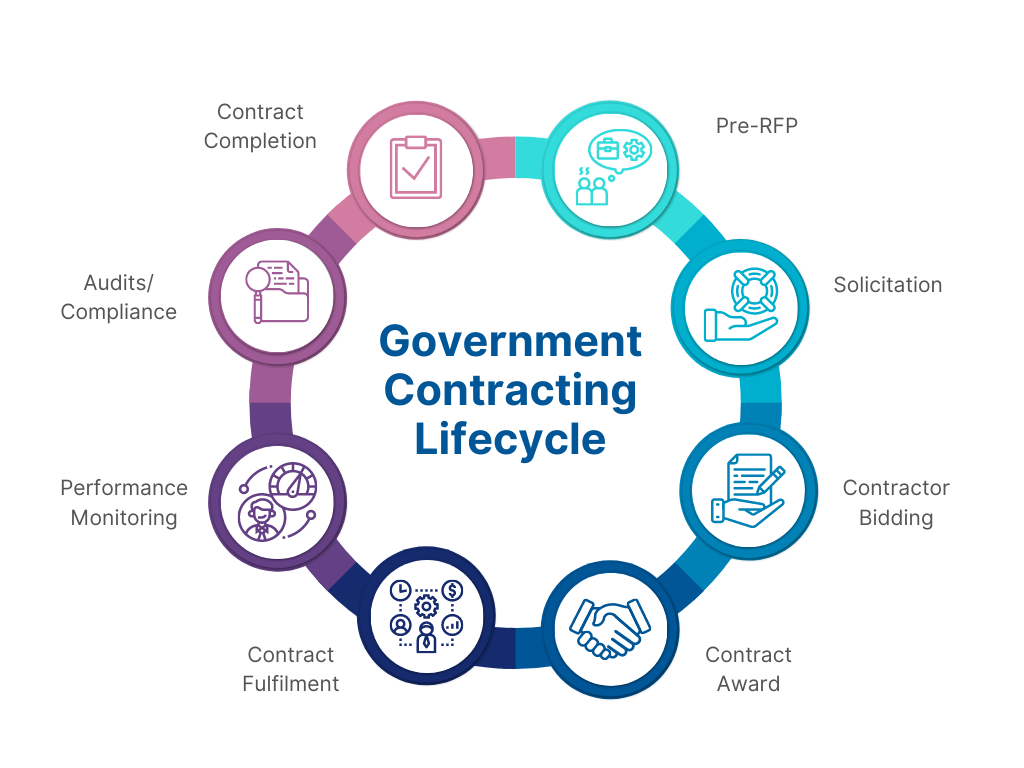
In the high-stakes world of government procurement, where billions are on the line and every clause can make or break a deal, I’ve closed contracts that transformed small operations into industry leaders. But it wasn’t luck—it was mastering the art of government contract negotiations and turning government sales into predictable wins. If you’re tired of losing bids to less-prepared competitors or settling for slim margins, this guide delivers a comprehensive blueprint. Drawing from decades of real-world battles, we’ll cover why these strategies work, how to execute them step-by-step, and actionable tactics to dominate public sector sales negotiations.
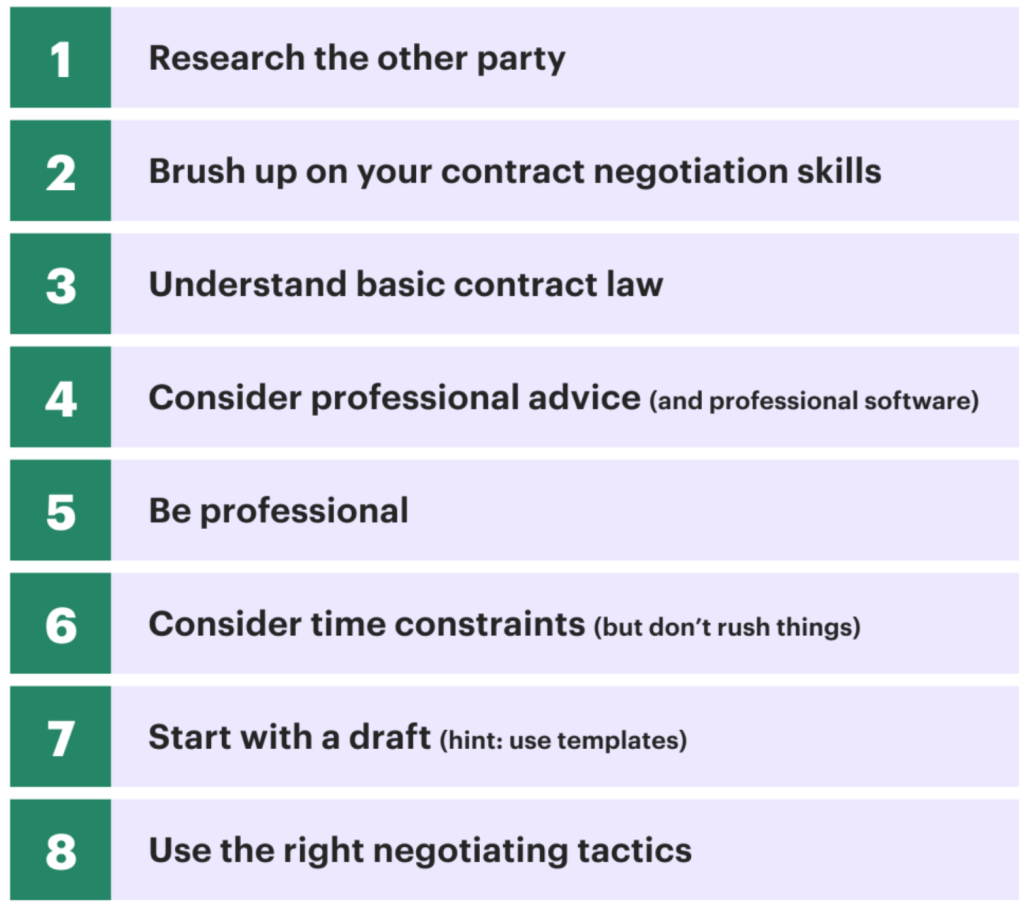
Key Differences: Commercial vs. Government Contract Negotiations
Understanding the fundamental shifts between Business-to-Business (B2B) and Business-to-Government (B2G) environments is crucial for any sales professional. Unlike the private sector, government procurement is driven by strict regulatory frameworks and public accountability.
| Feature | Commercial Sales (B2B) | Government Sales (B2G) |
|---|---|---|
| Decision Drivers | ROI, Profitability, and Efficiency | Compliance, Public Value, and Transparency |
| Flexibility | High (Custom Terms) | Low (Rigid Legal Frameworks) |
| Timeline | Days to Months | Months to Years (Fiscal Cycles) |
Understanding the Unique Landscape of Government Procurement
Government deals aren’t like private-sector sales. They’re governed by strict regulations, transparency requirements, and risk aversion that can derail even the strongest pitch. According to a 2023 Gartner report, 68% of vendors fail in government contract bidding due to poor alignment with procurement rules—don’t be one of them.
The “why” behind this? Governments prioritize compliance, value for taxpayers, and long-term reliability over flash. Excelling means shifting from aggressive selling to strategic partnering.
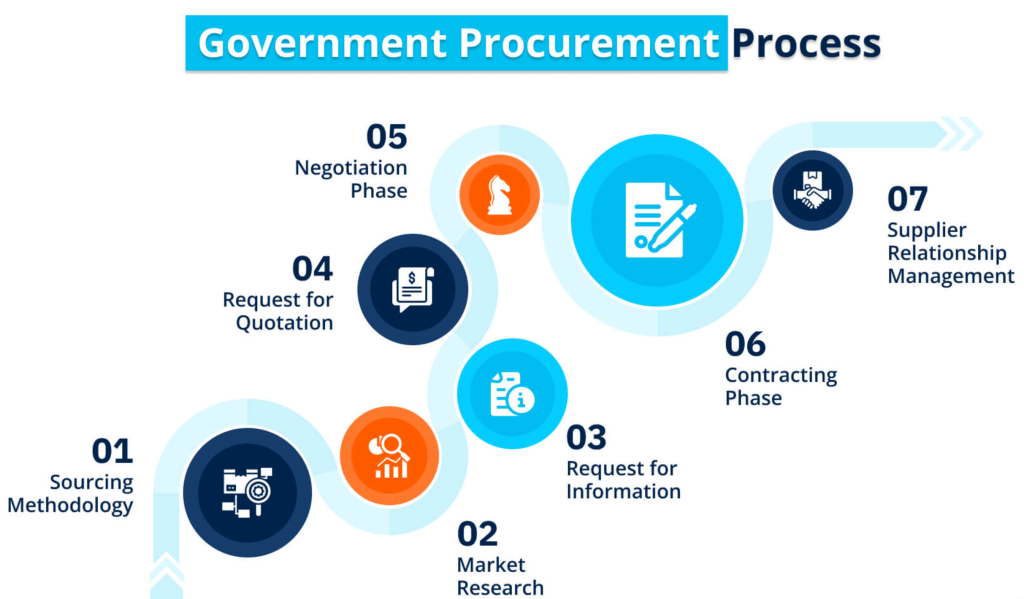
Key Differences from Commercial Negotiations
- Regulatory Hurdles: FAR (Federal Acquisition Regulation) or equivalent local rules dictate everything from pricing to ethics.
- Multi-Stakeholder Involvement: Decisions involve procurement officers, legal teams, end-users, and sometimes politicians.
- Longer Cycles: Expect 6-18 months from RFP to award, per a HubSpot study on public sector sales.
Insight: Treat the process as a marathon. Rushing leads to concessions you’ll regret.
Building a Rock-Solid Foundation Before the Negotiation Table
I’ve lost deals by jumping in unprepared—lesson learned. Preparation accounts for 80% of success in government sales negotiations, based on my experience and backed by Search Engine Journal analyses of bid win rates.
Start with intelligence gathering. Know the agency’s pain points, budget cycles, and past vendors.
Step-by-Step Pre-Negotiation Checklist
- Research the RFP Inside Out: Dissect requirements, evaluation criteria, and mandatory clauses. Use tools like GovWin or official portals for historical data.
- Map Stakeholders: Identify decision-makers via LinkedIn or FOIA requests. Understand their priorities—e.g., IT directors focus on integration, finance on ROI.
- Assess Your Competitive Edge: Conduct a SWOT analysis. What makes your solution compliant and superior?
Pro Tip: Build a “war room” dossier with timelines, risk assessments, and fallback positions. This turns chaos into control.
Mastering Compliance and Risk Mitigation in Public Procurement
In government negotiations, compliance is not optional—it is the price of admission. Government agencies are bound by strict audit requirements. To excel, your negotiation team must be well-versed in specific regulations such as the Federal Acquisition Regulation (FAR) or local public bidding laws.
- Audit Readiness: Ensure every discount or concession is documented and justifiable under the “Fair and Reasonable Price” doctrine.
- Security Clearances: Highlight your organization’s adherence to data protection standards (like SOC2 or FedRAMP) as a non-negotiable value proposition.
- Past Performance: Governments prioritize low-risk vendors. Use documented past performance scores to leverage your position during the final rounds of negotiation.
Crafting an Irresistible Government Bid Proposal
Your proposal is your first negotiation—make it bulletproof. A Backlinko study shows proposals with clear value propositions win 40% more often in public sector contract awards.
Focus on E-A-T: Expertise (case studies), Authoritativeness (certifications), Trustworthiness (references).
Essential Elements of a Winning Proposal
- Executive Summary: Hook with a problem-solution-benefit triad in under 200 words.
- Technical Compliance Matrix: Table-format alignment with RFP specs.
| RFP Requirement | Your Solution | Compliance Evidence | Unique Value Add |
|---|---|---|---|
| Security Standards | ISO 27001 Certified Platform | Audit Reports Attached | AI-Driven Threat Detection (20% Faster Response) |
| Scalability | Cloud-Based with Auto-Scaling | Case Study: Handled 500% Traffic Surge | Cost Savings: 15% Annual Reduction |
- Pricing Strategy: Use cost-plus or fixed-price models transparently. Avoid low-balling—governments detect it.
Why this works: It shifts focus from price to total value, reducing negotiation friction later.
Mastering the Art of Negotiation Tactics in Government Deals
Here’s where deals are won or lost. In government contract negotiations, power dynamics favor the buyer, but smart vendors flip the script with data and relationships.
I’ve negotiated multi-million contracts by emphasizing mutual wins—governments hate surprises post-award.
Core Tactics for Dominating the Table
- Anchor High but Flexibly: Start with your best terms, backed by benchmarks. A Harvard Business Review case study on public procurement showed anchors influence final outcomes by 15-20%.
- Use Concession Planning: Prepare a “give-get” list. Trade non-essentials (e.g., extended warranties) for priorities (favorable payment terms).
- Leverage BATNA (Best Alternative to a Negotiated Agreement): Always have walk-away options. This builds confidence—I’ve walked from bad deals and won better ones later.
Handling Common Objections
- Budget Constraints: Counter with phased implementation or performance-based pricing. Example: “Phase 1 delivers 60% value at 40% cost.”
- Risk Aversion: Provide pilots or proofs-of-concept. Data from Deloitte: 75% of agencies prefer vendors with trial data.
- Competitor Pressure: Differentiate with exclusives, like proprietary tech or faster deployment.
Insightful Angle: Negotiations aren’t zero-sum. Frame as collaboration: “How can we structure this for your audit success?”
Building Long-Term Relationships for Repeat Government Sales
One-off wins are good; pipelines are gold. In government sales, relationships drive 60% of sole-source awards, per a 2024 Industry Week report.
Cultivate trust early.
Relationship-Building Strategies
- Post-Bid Debriefs: Even if you lose, request feedback. Turns “no” into future “yes.”
- Compliance as a Bond: Share updates on certifications (e.g., CMMI Level 5) proactively.
- Networking Events: Attend FedBizOpps webinars or industry days.
Case Study: A mid-sized firm I advised secured a $50M follow-on contract by nurturing a procurement officer relationship over 18 months—starting with informal coffee chats on shared challenges.
Navigating Legal and Ethical Pitfalls in Government Contracts
Ethics aren’t optional—they’re your shield. Violations lead to blacklisting, as seen in high-profile cases reported by the Government Accountability Office.
Key Compliance Areas
- Anti-Corruption Laws: Adhere to FCPA or equivalents. Document all interactions.
- Conflict of Interest Disclosures: Be upfront about any ties.
- Protest Risks: Structure proposals to minimize bid protest grounds.
Actionable Advice: Hire a compliance expert for reviews. It’s cheaper than penalties.
Why depth matters: Governments audit relentlessly. Solid ethics build E-A-T, making you the go-to vendor.
Advanced Strategies for Scaling Government Sales Success
Once basics are mastered, scale with data and tech.
Data-Driven Optimization
- Bid Win Rate Tracking: Use CRM tools to analyze losses. Aim for 30%+ win rates.
- AI for Predictive Analytics: Tools like those from Palantir help forecast RFP opportunities.
Performance Metrics Table
| Metric | Target | How to Measure | Improvement Tip |
|---|---|---|---|
| Proposal Turnaround Time | <14 Days | Timestamp Logs | Template Library |
| Negotiation Concessions | <10% of Margin | Deal Logs | Pre-Approved Trades |
| Contract Renewal Rate | >80% | Annual Reviews | Value-Add Check-Ins |
Insight: Scaling isn’t volume—it’s efficiency. I’ve grown a team’s government portfolio 300% by systematizing these.
Overcoming Common Challenges in Public Sector Negotiations
Real talk: Delays, bureaucracy, and politics frustrate everyone.
Challenge Breakdown and Solutions
- Prolonged Decision-Making: Solution: Set internal milestones and follow up with value reminders (e.g., “This aligns with your FY goals”).
- Price Wars: Solution: Emphasize TCO (Total Cost of Ownership). A Forrester study: Vendors highlighting TCO win 25% more.
- Scope Creep Post-Award: Solution: Ironclad change order clauses.
From experience: Anticipate these—I’ve turned a stalled 9-month negotiation into a signed deal by proposing a joint risk workshop.
Measuring Success and Iterating for Continuous Improvement
Track ROI relentlessly.
KPIs for Government Sales Excellence
- Win Rate: >25% for mature programs.
- Average Deal Size: Benchmark against industry (e.g., $1M+ for mid-market).
- Customer Satisfaction: NPS >70 via post-contract surveys.
Iterate: Quarterly reviews. Adjust based on data—what worked in one agency may flop in another.
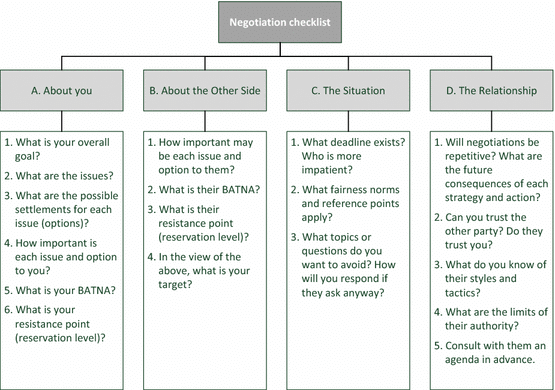
The Ultimate Government Negotiation Checklist
Before you enter the boardroom with government officials, ensure you have checked off the following critical items to secure the best deal:
Final Action Steps to Dominate Government Contract Negotiations
You’ve got the playbook—now execute.
- Audit your last 3 bids for gaps.
- Build your stakeholder map for the next RFP.
- Schedule a mock negotiation session.
Excellence in government contract negotiations and government sales demands discipline, insight, and action. Implement these, and you’ll not only win deals but build empires.

