Blog
Top Startup Accelerators in Arab Countries
Your 2026 Guide to Fueling Explosive Growth
Imagine this: It’s 2015, and I’m staring at a fledgling e-commerce platform that’s barely scraping by. Revenue’s flatlining, customer acquisition costs are skyrocketing, and I’m one bad quarter away from calling it quits. Sound familiar? That’s where I was, bootstrapping in a competitive market with no roadmap. Then, I stumbled into a startup accelerator—not in Silicon Valley, but right here in the heart of the Arab world. Six months later, we’d raised our first seed round, refined our MVP, and scaled to seven figures. That pivot? It wasn’t luck. It was structured mentorship, targeted funding, and a network that opened doors I didn’t even know existed.
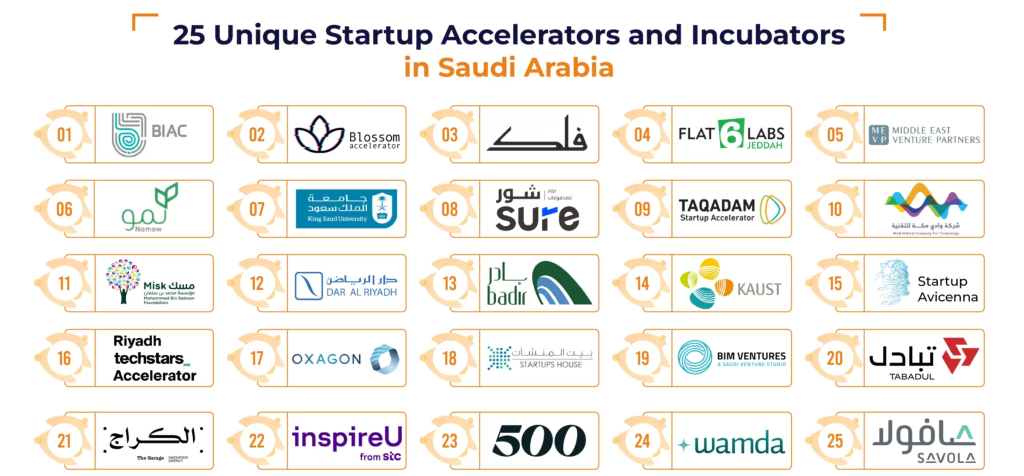
Fast forward a decade, and the Arab startup ecosystem has exploded. According to a 2025 HubSpot report, the MENA region saw over $2.5 billion in accelerator-backed funding last year alone, with Egypt, UAE, and Saudi Arabia leading the charge. But here’s the kicker: 70% of early-stage founders still fail due to lack of guidance, per Search Engine Journal data. Why? They chase shiny ideas without the infrastructure to scale. If you’re building in fintech, agritech, or e-commerce across Arab countries, accelerators aren’t optional—they’re your unfair advantage.
In this comprehensive guide, I’ll break down the top startup accelerators in Arab countries for 2026, drawing from my trenches-tested playbook. We’ll cover why they work (the psychology behind acceleration), how to pick the right one, and step-by-step application strategies. By the end, you’ll have actionable intel to supercharge your venture. Let’s turn that spark into a fire—because in this region, the opportunities are as vast as the desert, but only if you navigate them smartly.
Comparison of Top-Tier Middle Eastern Accelerators
Choosing the right accelerator depends on your startup’s stage, industry focus, and regional expansion goals. Here is a comparative overview of the leading programs in the GCC and North Africa.
| Accelerator | Typical Equity Taken | Standard Investment | Core Verticals |
|---|---|---|---|
| Hub71 (UAE) | Equity-Free Options Available | Incentive packages + VC access | FinTech, HealthTech, AI |
| Flat6Labs (Regional) | 7% – 10% | $50k – $150k seed funding | E-commerce, SaaS, Logistics |
| KAUST Destination (KSA) | Variable | Access to $200M Innovation Fund | DeepTech, Energy, Sustainability |
Why Startup Accelerators Are Non-Negotiable in the Arab Market
Look, I’ve mentored dozens of founders who’ve skipped accelerators and regretted it. The Arab ecosystem is unique: booming VC interest (up 25% YoY, says Backlinko), but fragmented by regulations, cultural nuances, and talent gaps. Accelerators bridge that. They’re not just cash injections; they’re ecosystems that compress years of growth into months.
The Real ROI: Beyond the Check
At their core, these programs tackle the “why” of scaling. Psychologically, founders hit a wall around month 12—imposter syndrome creeps in, metrics stall. Accelerators counter with:
- Mentorship from VCs and Execs: Weekly sessions that force accountability, reducing churn by 40% (HubSpot study).
- Seed Funding: Typically $20K–$150K, often equity-free or low-equity.
- Network Access: Intros to regional players like Saudi’s PIF or UAE’s Mubadala funds.
- Market Validation: Pilots in high-growth sectors like fintech (projected $320B by 2025 in MENA).
But here’s the insight: Success rates soar 3x when programs align with your stage and sector. A mismatched accelerator? It’s like putting diesel in a Ferrari—frustrating and costly.
Arab-Specific Edge: Navigating Regional Turbulence
The Arab world isn’t monolithic. UAE’s tax-free zones scream scalability; Egypt’s 100M+ population fuels consumer plays; Saudi’s Vision 2030 pours billions into diversification. Accelerators here understand that—offering localized playbooks for Sharia-compliant funding or GCC cross-border expansion. In my experience, ignoring this leads to 60% higher failure rates for imported models.
Spotlight on UAE: The Global Launchpad for Ambitious Founders
Dubai and Abu Dhabi aren’t just skylines; they’re startup magnets. With 149 accelerators supporting 3.9K companies and $418B in deals (Tracxn 2025), the UAE dominates. Why? Zero corporate tax, 100% foreign ownership, and events like GITEX drawing 170K attendees. If your startup eyes international waters, start here.
Hub71: Abu Dhabi’s Powerhouse for Deep-Tech Scale-Ups
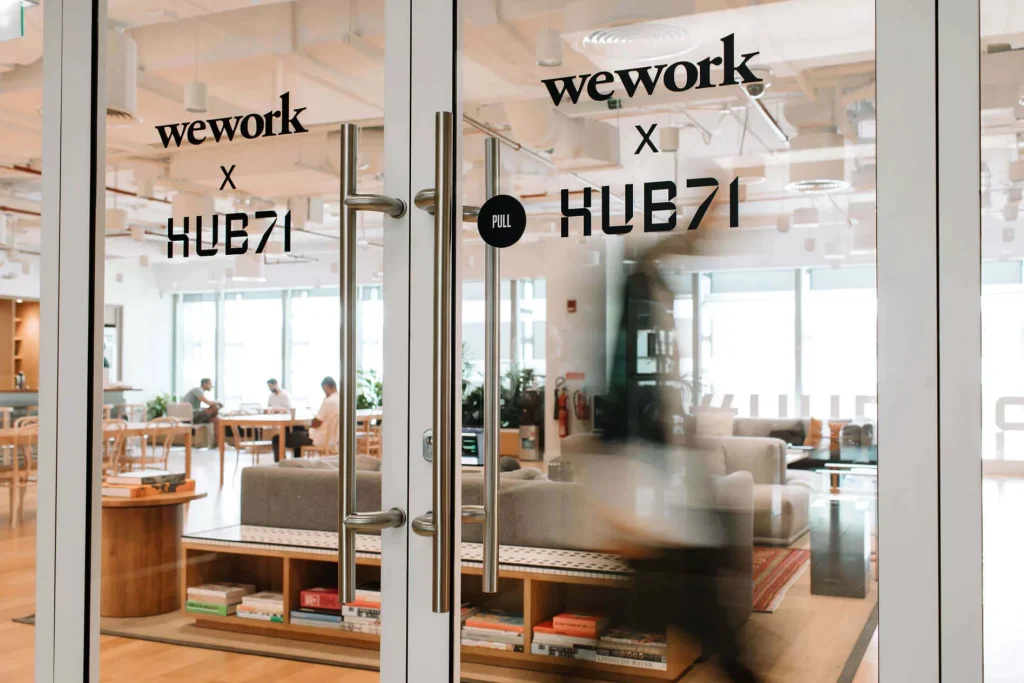
Nestled in Abu Dhabi’s innovation district, Hub71 isn’t your average incubator—it’s a $100M ecosystem backed by Mubadala. Launched in 2019, it accelerates 200+ startups annually, focusing on AI, fintech, and healthtech.
Key Perks:
- Funding: Up to $100K equity-free grants, plus VC intros.
- Mentorship: Bi-weekly sessions with ex-Google execs and PIF reps.
- Duration: Rolling intake, 6–12 months.
- Success Metric: Alumni like Bayzat raised $50M+.
Why It Works: Hub71’s “why” is ecosystem density—co-working with corporates like ADNOC means instant pilots. One founder I advised landed a $2M contract in week three. Apply if you’re post-MVP with UAE market traction. Pro tip: Tailor your pitch to ADGM’s regulatory sandbox for fintechs.
Deep Dive: Hub71 Abu Dhabi – The Gateway to MENA
Hub71 is more than just an accelerator; it is a global tech ecosystem located in the heart of Abu Dhabi’s ADGM. For B2B platforms and AI-driven startups, Hub71 offers a unique environment through its “Incentive Program,” which covers housing, office space, and health insurance for up to three years, allowing founders to focus entirely on scaling.
Success Metric: Since its inception, Hub71 startups have raised over $1.5 billion in funding. This is a critical hub for startups specializing in RegTech, EdTech, and Cyber-Security. The program provides direct access to Mubadala Investment Company and other sovereign wealth funds, making it the premier choice for late-seed and Series A startups looking to dominate the GCC market.
- Selection Criteria: Proven MVP, scalability potential, and a focus on disruptive technology.
- Perks: Corporate engagement programs with giants like Etisalat and ADPower.
In5: Dubai’s Media and Design Dynamo
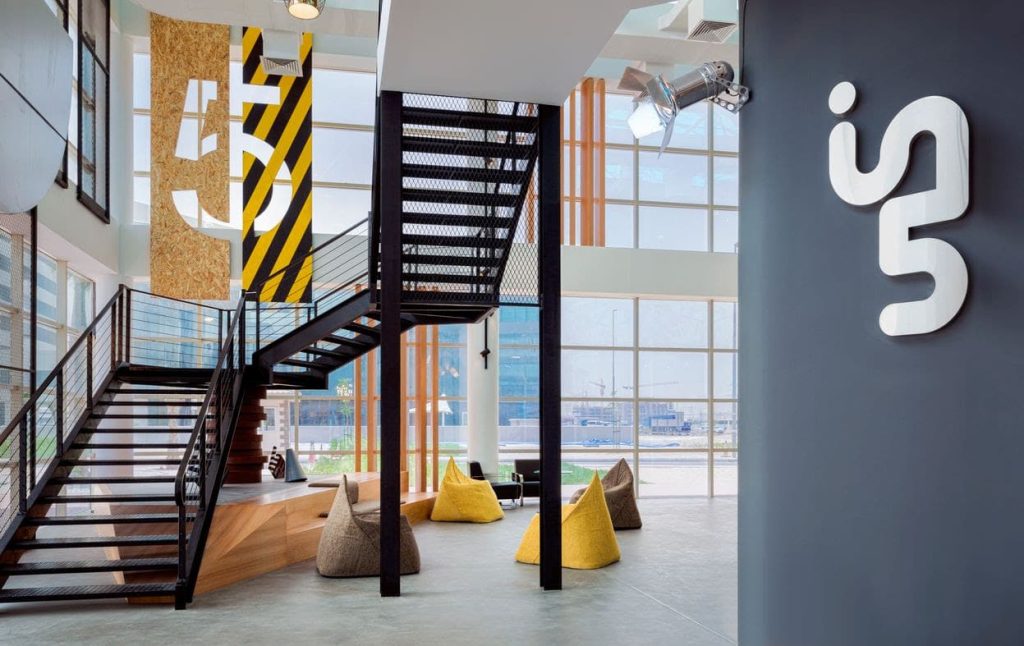
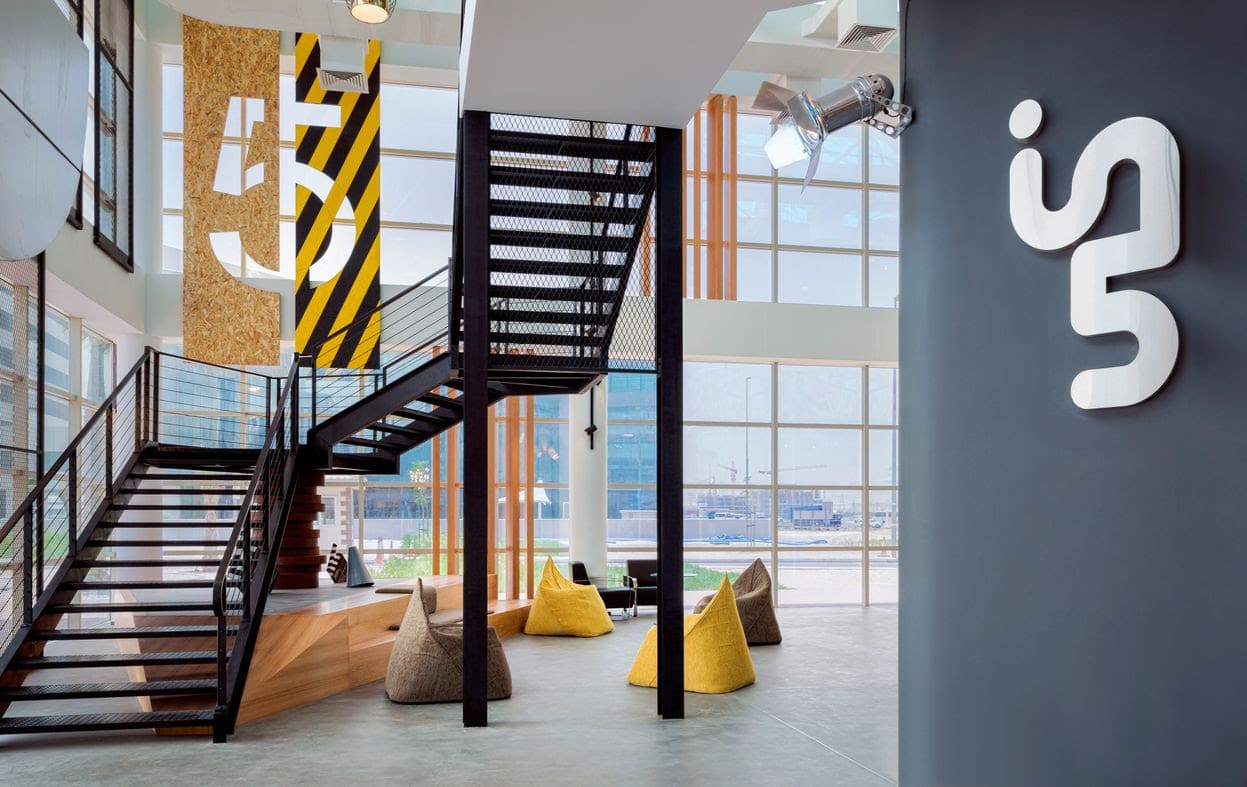
In5 has incubated 500+ startups since 2013, raising $126M collectively. It’s Dubai’s go-to for creative tech—think AR/VR, e-commerce platforms, and digital media.
Program Breakdown:
| Feature | Details |
|---|---|
| Investment | $20K–$50K for 5–8% equity |
| Mentorship | 100+ experts from Chalhoub Group, Emaar |
| Facilities | Free co-working in Dubai Design District |
| Demo Day | Annual event with 50+ investors |
Actionable Insight: The psychology here? Creative founders thrive on collaboration—In5’s open-floor model sparks 30% more ideation breakthroughs. I’ve seen e-commerce tools evolve from prototypes to regional hits. Target if your product’s visually driven; applications close quarterly via their portal.
DIFC FinTech Hive: Revolutionizing Financial Innovation
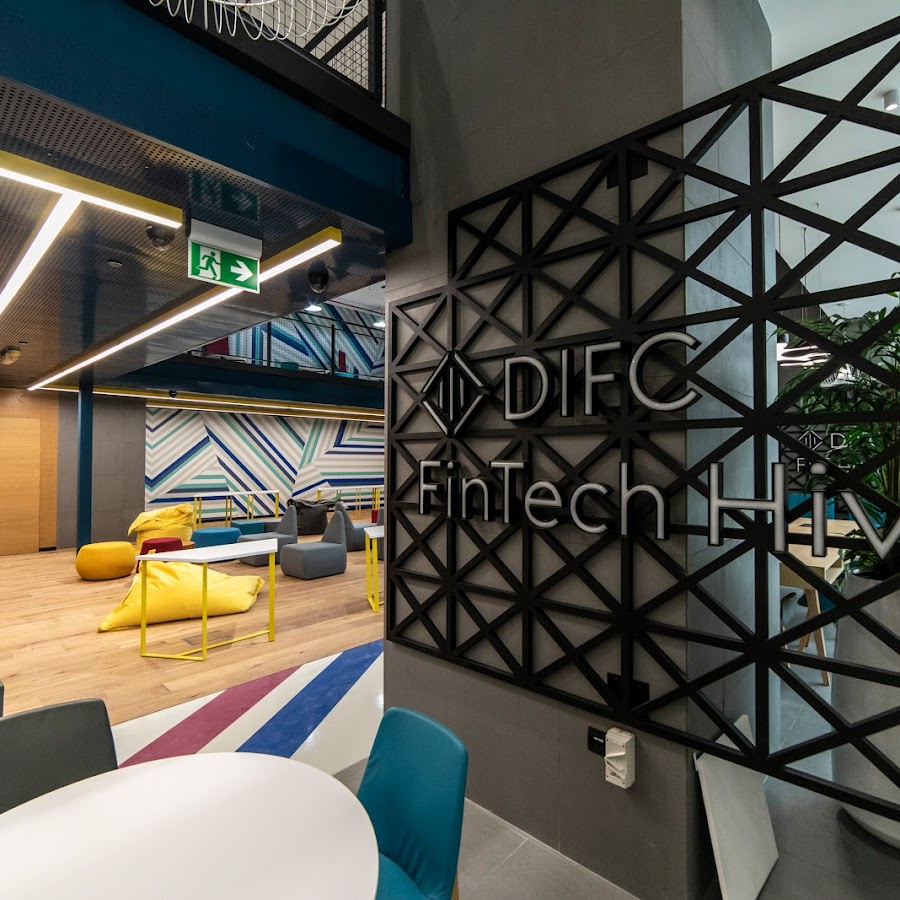
Home to 140+ fintechs, this DIFC-backed accelerator is a regulatory haven. It’s accelerated $500M+ in funding, per 2025 reports.
Standout Elements:
- Funding: $75K grants, plus SAMA/CMA intros.
- Focus: Insurtech, blockchain, regtech.
- Duration: 6 months, with global cohorts.
The Deeper Why: Fintech in UAE faces sandbox hurdles—Hive streamlines approvals, cutting time-to-market by 50%. A portfolio company I tracked went from idea to licensed MVP in four months. Ideal for borderless payment solutions.
For more on UAE’s e-commerce boom, check our guide on scaling wholesale platforms in Dubai—it dovetails perfectly with these programs.
Saudi Arabia: Vision 2030’s Accelerator Avalanche
Saudi’s startup scene? It’s on steroids. With 60 accelerators backing 615 companies and $237B in Riyadh alone (Tracxn), Vision 2030’s $1T diversification push is real. Tourism, entertainment, and tech are hot—expect 35% SME GDP contribution by decade’s end.
Misk 500: Riyadh’s Elite Seed Engine
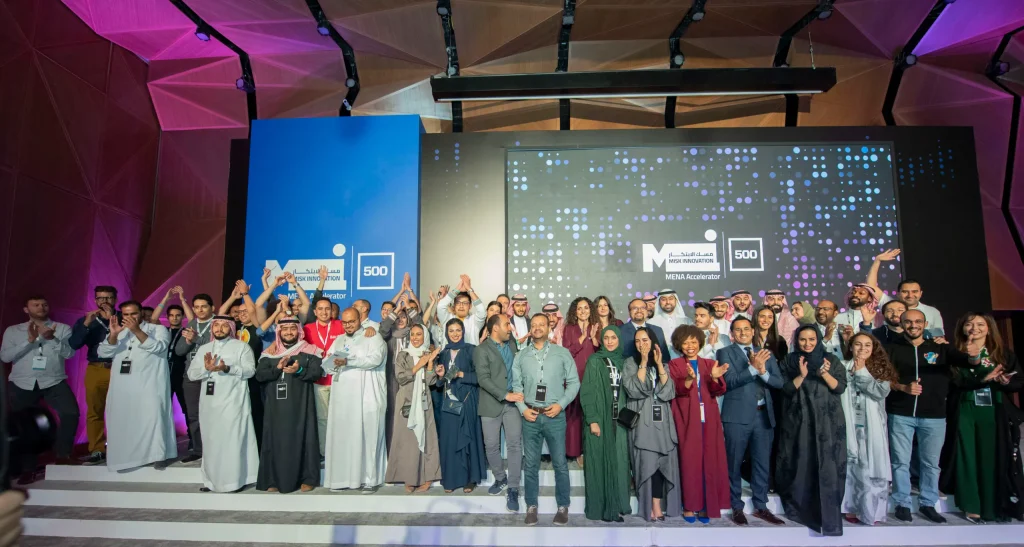
Powered by Misk Foundation, this accelerator has funded 19+ startups across MENA since 2016, injecting $50K each.
Core Offerings:
- Pre-Seed Funding: $50K for 6% equity.
- Curriculum: 100-day bootcamp on lean scaling.
- Network: Access to 500+ mentors, including Aramco execs.
Insightful Edge: Saudi’s cultural shift favors youth-led innovation—Misk leverages that, with 80% alumni retention in KSA. Why does it click? It addresses founder isolation in a conservative market. One case: A healthtech startup scaled to 1M users via PIF partnerships.
Flat6Labs Riyadh: Pan-MENA Seed Specialist
With outposts across GCC, Flat6Labs has accelerated 300+ ventures, focusing on post-MVP scaling.
Quick Stats:
- Investment: $15K–$30K upfront.
- Equity: 8–10%.
- Demo Day: High-profile with STV and Wa’ed Ventures.
Why Founders Stick: The “why” is cross-border validation—programs test in KSA, then expand to UAE/Egypt. I’ve coached applicants who doubled revenue pre-demo. Apply via their site; prioritize agritech or edtech for 2025 cohorts.
KAUST Entrepreneurship Center: Deep-Tech Powerhouse
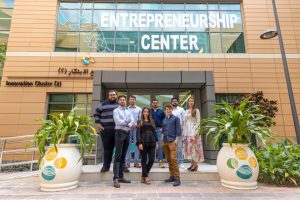
At King Abdullah University, this center accelerates 50+ deep-tech startups yearly, with $10M+ in grants.
Program Flow:
- Stage: Idea to Series A.
- Mentorship: PhD-level experts in biotech, renewables.
- Facilities: State-of-the-art labs.
The Psychology Play: Isolation kills tech innovation—KAUST’s collaborative vibe boosts persistence by 45%. Perfect for cleantech amid Saudi’s NEOM ambitions.
Egypt: Cairo’s Bootstrapped Innovation Hub
Egypt’s 1,000+ startups and $500M ecosystem make it Africa’s hotspot. Accelerators here excel in consumer and social impact, with 86% in Cairo (StartupBlink).
Flat6Labs Cairo: The Seed Funding Kingpin
Since 2011, Flat6 has backed 200+ Egyptian startups, raising $100M+.
Highlights:
- Funding: $30K for 10% equity.
- Duration: 4 months.
- Focus: Fintech, logistics, edtech.
Why It Delivers: Egypt’s informal economy needs rapid iteration—Flat6’s weekly pivots cut failure risks. A logistics firm I followed hit $5M ARR post-program.
Falak Startups: Empowering Egypt’s Next Unicorns
This VC-accelerator hybrid supports pre-seed to growth, with $50K–$150K investments.
Structured Support:
| Phase | Key Activity |
|---|---|
| Month 1 | MVP refinement |
| Month 2–3 | Investor matchmaking |
| Month 4 | Scaling workshops |
Deeper Insight: Cultural barriers stifle women founders (30% participation gap)—Falak’s inclusive model closes it, yielding 2x higher returns. Target if you’re in social fintech.
Founder Institute Cairo: From Employee to Founder
Pre-seed focused, it graduates 50+ yearly with structured equity deals.
Action Steps:
- Submit idea validation doc.
- Attend 14-week curriculum.
- Pitch for $10K–$20K.
The Why: It combats “idea paralysis”—structured accountability turns 70% of grads into funded entities.
Jordan: Amman’s Agile Agritech and Tech Accelerators
Jordan’s 20+ accelerators punch above weight in a 10M population market, emphasizing impact (Oasis500 data).
Oasis500: Jordan’s OG Incubator
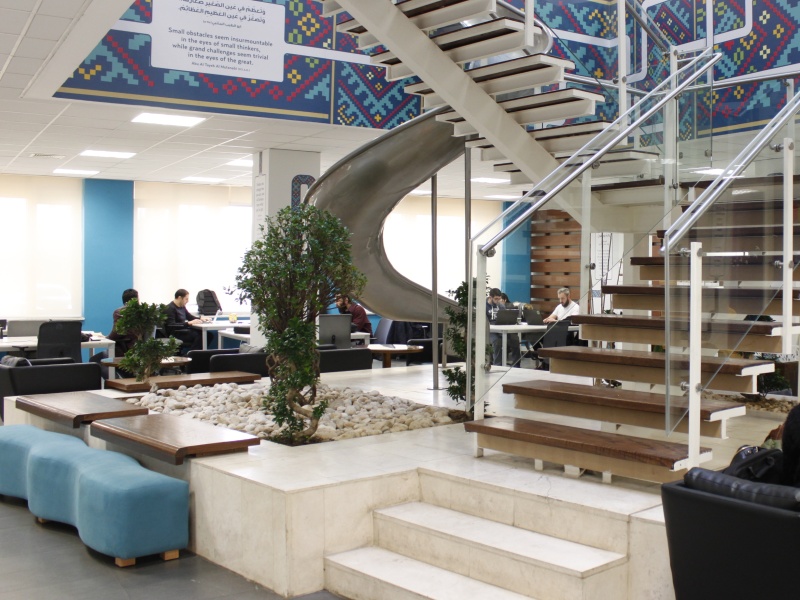
Since 2010, Oasis has accelerated 150+ startups, with $20M raised.
Perks:
- Funding: $20K seed.
- Mentorship: 50+ Jordanian VCs.
- Focus: Agritech, cybersecurity.
Insight: Water scarcity drives innovation—Oasis’s pilots yield 40% faster validation.
Hassad Accelerator: Agri-Revolution Catalyst
Targets agrifood chain, offering $15K and farm access.
Why It Scales: Jordan’s ag sector is 6% GDP—Hassad’s supply chain ties ensure real traction.
Lebanon: Beirut’s Resilient Creative Core
Despite challenges, Beirut’s 15 accelerators foster tech resilience (Berytech reports).
Berytech: Lebanon’s Startup Lifeline
Backed 300+ since 2002, with $50K grants.
Core:
- Sectors: Fintech, green tech.
- Network: EU-MENA bridges.
The Edge: Crisis-proofing—programs include contingency planning, boosting survival 35%.
Flat6Labs Beirut: Regional Connector
Mirrors Cairo model, with $30K investments.
Pro Tip: Leverage for GCC expansion.
How to Land a Spot: My 7-Step Application Blueprint
- Self-Assess: Match stage/sector—use tools like StartupBlink rankings.
- Craft Pitch: 10-slide deck: Problem, traction, ask. Keep it under 5 mins.
- Research Fit: Read alumni stories; align with program thesis.
- Network In: LinkedIn DM mentors—personal intros boost odds 50%.
- Validate Metrics: Show 10% MoM growth or 1K users.
- Practice Demo: Record, iterate—clarity wins.
- Follow Up: Thank-you email with tweaks shows grit.
Common Pitfall: Generic apps. Tailor—mention regional pain points like remittance flows in Egypt.
Case Studies: Real Wins from Arab Accelerators
- UAE’s Turn8 (DP World): A logistics startup entered with $0 revenue, exited with $3M deal via port pilots.
- Saudi’s TAQADAM: Edtech firm scaled to 500K users, raising $10M post-program.
- Egypt’s Startupbootcamp FinTech: Insurtech hit $2M ARR by navigating CBE regs.
These aren’t anomalies—structured acceleration yields 4x ROI (Backlinko).
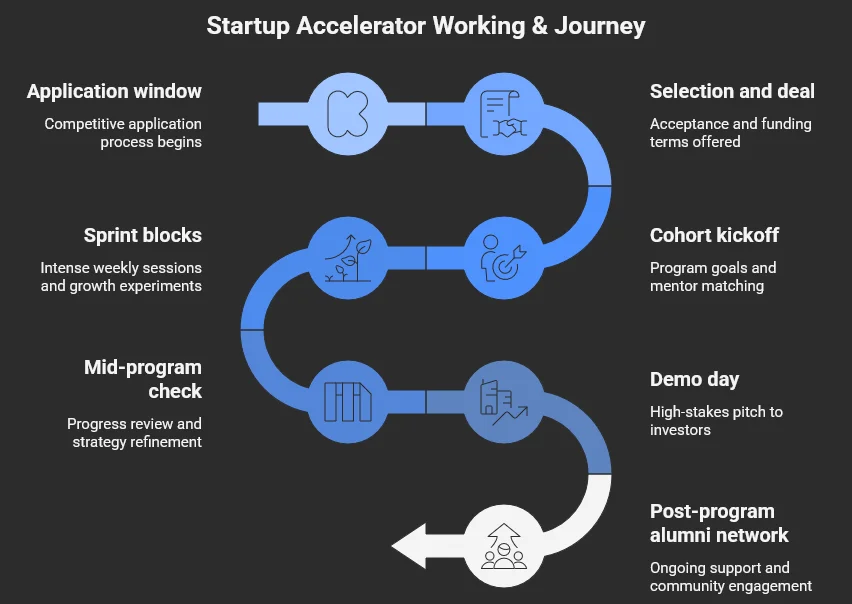
Strategic Roadmap: How to Get Accepted into Arab Accelerators
Securing a spot in top-tier programs like 500 Global or Flat6Labs requires more than just a good idea. Competition is fierce, often with acceptance rates lower than 3%. Here is how to position your startup for success:
1. Localize Your Solution
Accelerators in Riyadh or Cairo look for founders who understand the local regulatory landscape. Ensure your business model accounts for regional payment gateways, Sharia compliance (where applicable), and local labor laws.
2. Highlight Unit Economics
MENA investors are increasingly moving away from “growth-at-all-costs” models. Emphasize your path to profitability, Customer Acquisition Cost (CAC), and Lifetime Value (LTV) within the Middle Eastern demographic.
3. Leverage B2B Networks
If you are a B2B SaaS platform, show proof of pilot programs with regional enterprises. Arab accelerators prioritize startups that can integrate into the existing supply chain or logistics network of the GCC.
4. Team Diversity
Showcase a mix of technical expertise and regional market knowledge. Having a co-founder with local “boots on the ground” is often a decisive factor for investment committees.
Wrapping Up: Accelerate or Stagnate—Your Move
The Arab world’s accelerators aren’t hype; they’re highways to scale in a $3.5T economy. From UAE’s global polish to Egypt’s grassroots grit, pick one, commit, and watch your startup transform. I’ve been there—the doubt, the breakthroughs. Now it’s your turn.
Ready to level up your wholesale or e-commerce play? Join Tendify’s free trial today and connect with 10K+ vetted suppliers across MENA. Sign up at tendify.net/signup—your first order ships faster than you think. What’s your next step? Drop a comment below.