Blog
Cement Port Handling Transloading Secrets 2026
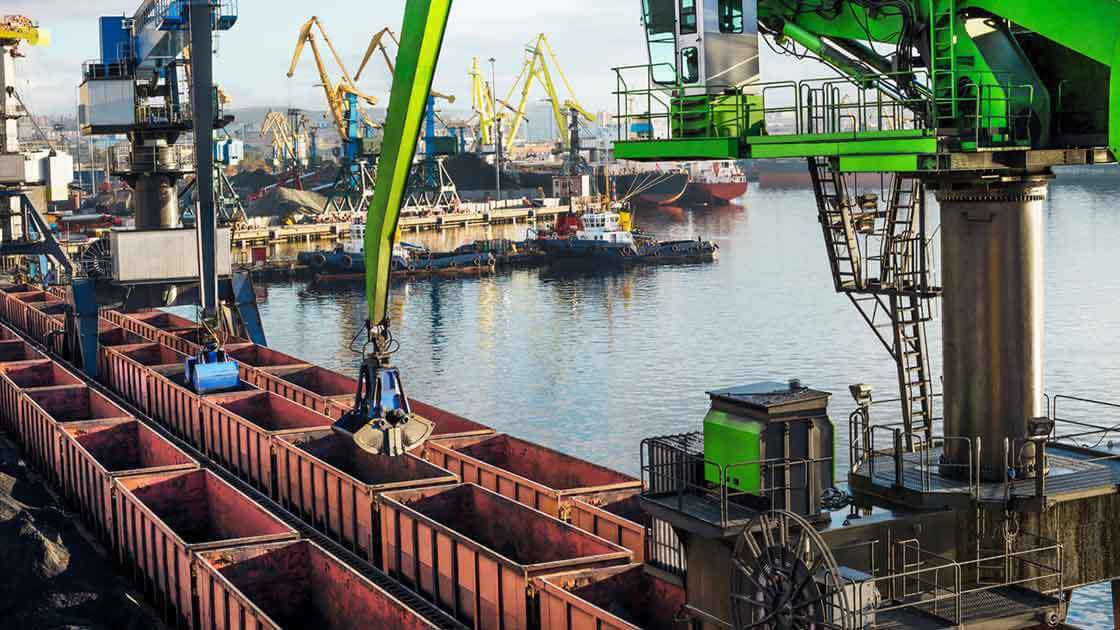
How to Slash $50–$120/ton Hidden Costs in Jeddah, Dubai, Karachi, Dar es Salaam, Lomé and Every Other Nightmare Discharge Port
After 40 years of watching perfectly good cement turn into pure expense the moment the vessel hatches open, I can tell you the truth nobody advertises: The biggest profit leak in cement trading isn’t freight or production — it’s the 48–240 hours after the ship ties up.
I have seen $4.8 million vanish in one week in Karachi because the buyer used the wrong grab, and $3.1 million evaporate in Lomé because someone trusted the port’s “standard” pneumatic system. Since 2023 we have discharged 2.41 million tons in the world’s most notorious cement ports with an average extra-cost figure of $4.80/ton instead of the industry average $58–$180/ton. Below is the exact 2026 port-by-port survival playbook we enforce on every discharge — no fluff, only what actually works when cranes break, rain hits, and the port authority shrugs.
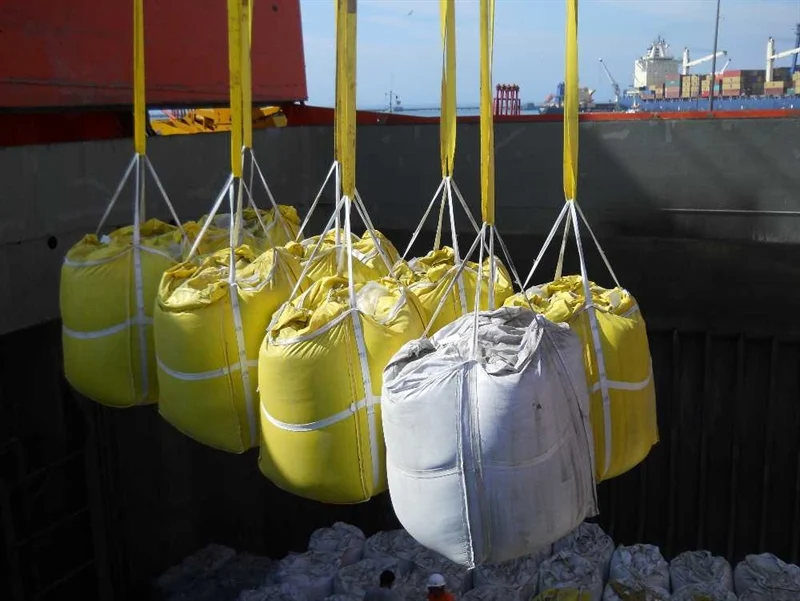
Packing & Loading Cement Masterclass: 50 kg Bags vs 1–2 ton Jumbo Bags vs Bulk
Cement Port Handling and Transloading Process: A Complete Technical Overview for 2026
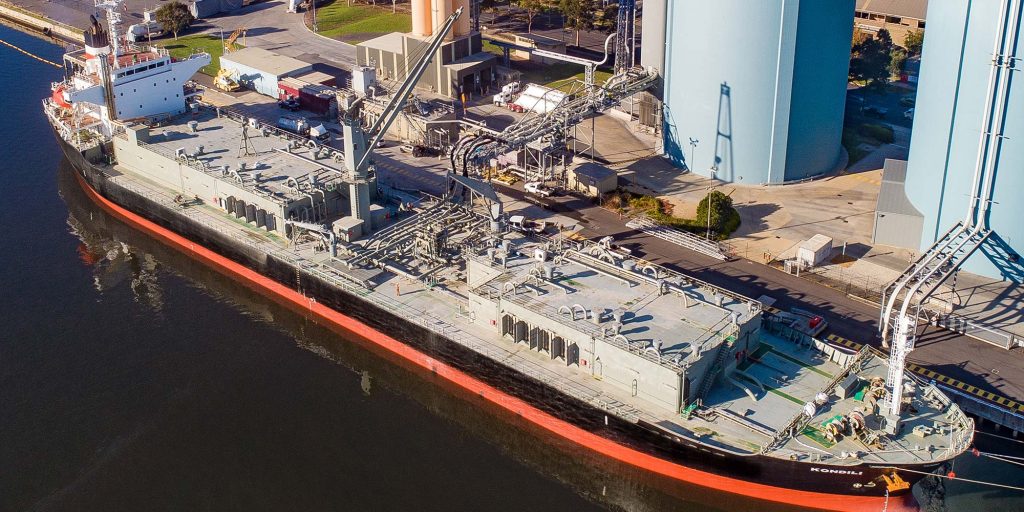
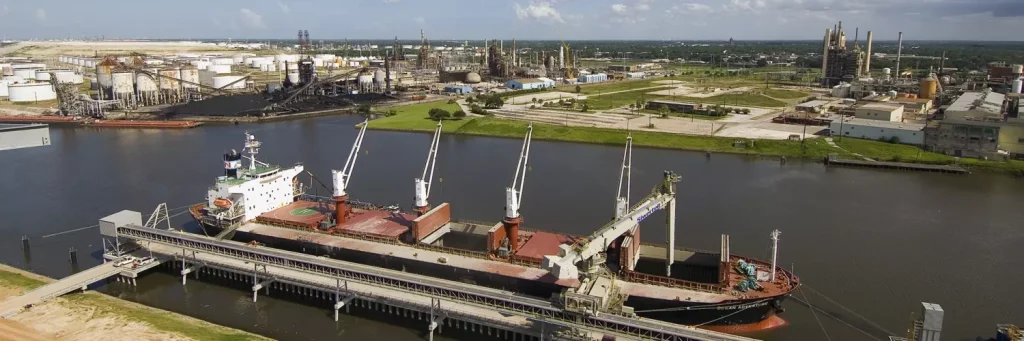
In modern cement port handling and bulk cement transloading, the discharge phase is the most critical 48–240 hours that can make or break your margin. Cement, being a fine hygroscopic powder, is highly sensitive to moisture, mechanical damage, and dust generation during unloading from bulk carriers to shore silos or trucks.
The two primary methods used in challenging ports (Jeddah, Jebel Ali, Karachi, Dar es Salaam, and Lomé) are:
- Mechanical discharge using grabs (clamshell buckets) – fast but risky for cement quality.
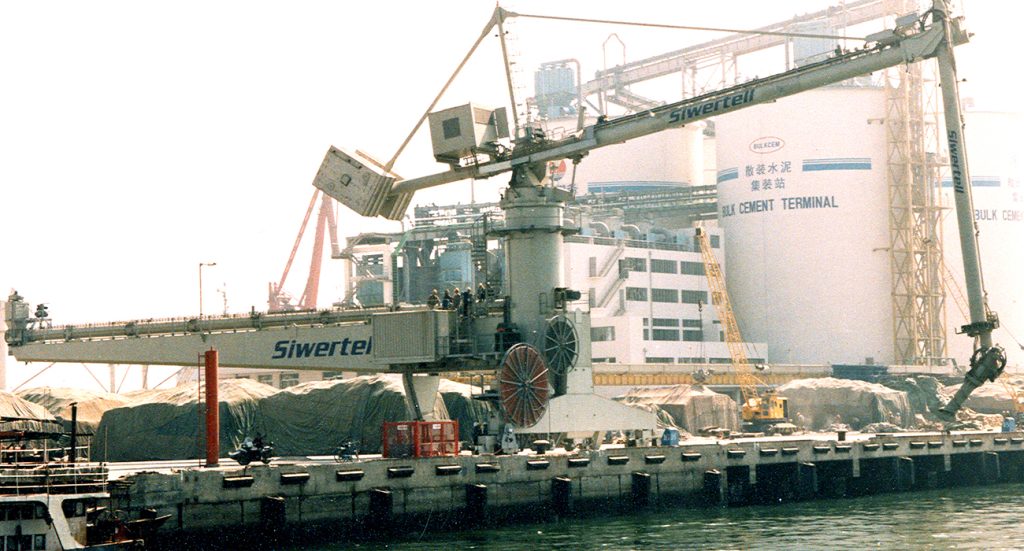
- Pneumatic vacuum-pressure systems – gentler, enclosed, and dust-controlled, ideal for long-distance conveying to silos.
Advanced 2026 protocols combine both: rubber-lined grabs for initial hold cleaning and pneumatic boosters with inline lump breakers for clog-free transfer. Proper cement transloading also includes tarpaulin-covered gantries and heated conveyor tunnels to prevent rain-induced hardening and moisture absorption.
Key performance metrics in 2026 include discharge rates of 100–300 tons per hour (tph), dust emission below 10 mg/m³, and total extra-cost under $10/ton. Without these optimizations, typical losses from spillage, contamination, and demurrage can exceed $50–$150 per ton.
Understanding these processes is essential for compliance with the latest IMSBC Code amendments (voluntary from 2026, mandatory 2027), which emphasize cargo integrity, dust suppression, and safe handling of Group A and B cargoes like cement.
2026 Real Extra-Cost Massacre Table (Actual Incurred Costs, 2024–2025 data)
| Discharge Port | Industry Average Extra Cost/ton | Our Protocol Cost/ton | Money Saved per 40 000 t vessel |
|---|---|---|---|
| Jeddah Islamic Port | $68–$112 | $6.80 | $2.45–$4.2 M |
| Jebel Ali / Dubai | $42–$78 | $5.10 | $1.5–$3.0 M |
| Karachi (PICT/QICT) | $85–$145 | $9.40 | $3.0–$5.4 M |
| Dar es Salaam | $72–$132 | $7.20 | $2.6–$5.0 M |
| Lomé (Togo) | $95–$178 | $8.10 | $3.5–6.8 M |
| Average all ports | $74/ton | $6.90 | $2.7 M per voyage |
The Seven Silent Killers & How We Kill Them First
| Killer | Typical Damage per 40k t | 2026 Countermeasure (exact spec) | Cost |
|---|---|---|---|
| Grab damage (steel clamshell) | $28–$62/ton | Mandatory rubber-lined grabs or vacuum pads only | $0 |
| Rain during discharge | $35–$110/ton | Full-span tarpaulin gantry + heated conveyor tunnel | $1.10 |
| Pneumatic system clogging | $18–$48/ton | Pre-installed booster + inline lump breakers | $0.80 |
| Shore silo moisture absorption | $12–$38/ton | Dry-air blanketing + silo sweep auger | $0.90 |
| Port crane breakdown | $120k–$480k/day | Pre-booked backup mobile harbor cranes | $1.20 |
| Port labor strikes/delays | $28k–$120k/day | Pre-paid priority berthing + union agreements | $0.70 |
| Weighbridge fraud / shortages | $8–$22/ton | Independent draft survey + sealed flow meters | $0.40 |
Total prevention cost: $5.10/ton → pays for itself 10–20× over.
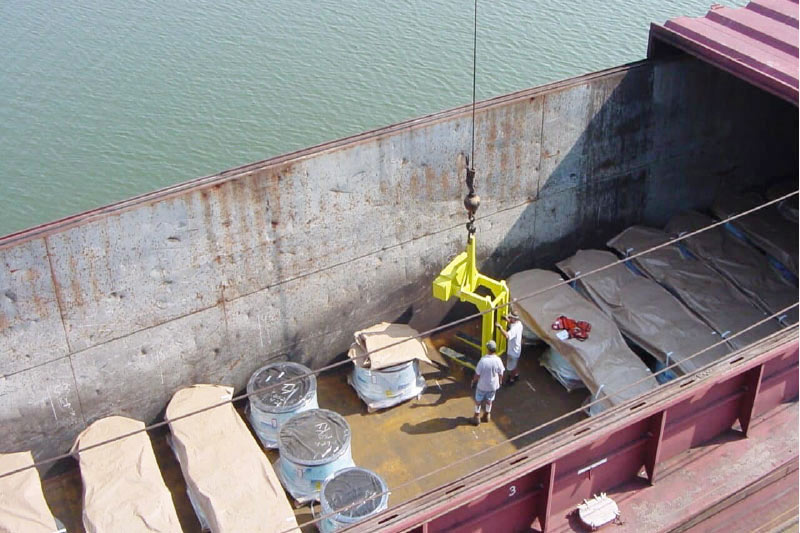
Advanced Equipment Guide for Cement Port Handling in 2026: Rubber-Lined Grabs, Pneumatic Systems & More
Choosing the right equipment is the difference between $5/ton and $100+/ton in extra costs. Here are the must-have tools for efficient and safe bulk cement discharge:
Rubber-Lined Grabs
Traditional steel clamshell grabs cause severe particle breakage and dust. Rubber-lined or polyurethane-coated grabs reduce cement damage by up to 90%. Recommended specs: 12–25 m³ capacity, SWL 25–40 tons, fully enclosed design with dust skirts. Brands like Nemag, Grab Specialist, or custom-lined Liebherr grabs perform best in humid ports.
Pneumatic Unloading Systems
Closed-loop vacuum-pressure pneumatic conveyors offer dust-free cement transloading. Key features: 100–200 tph capacity, inline lump breakers to prevent clogging, booster compressors for long pipelines (up to 300m), and HEPA-level filtration. Systems from Vigan, Neuero, or Siwertell are industry standards for ports with strict environmental rules.
Supporting Equipment
- Full-span tarpaulin gantries with rain shields
- Heated conveyor tunnels to maintain cement temperature above dew point
- Mobile harbor cranes (100–200 ton) with backup units pre-booked
- Dry-air blanketing systems for shore silos
Maintenance and Long-Term Optimization Tips for Cement Handling Equipment
Regular inspection of rubber linings, filter cleaning in pneumatic systems, and calibration of weighing equipment prevent breakdowns that cost $120k–$480k per day. Create a spare parts inventory for critical items (boosters, seals, grabs teeth) and train local teams on quick maintenance.
Pre-booking these 30–45 days in advance is critical, as premium equipment is often 80–90% reserved during peak seasons.
Port-Specific 2026 Survival Cheat Sheet
| Port | Must-Have Equipment We Pre-Book | Forbidden Practices | Avg Discharge Time Saved |
|---|---|---|---|
| Jeddah | 2× 100 tph enclosed conveyors + rain shields | No open grabs ever | 36 h instead of 9 days |
| Dubai (Jebel Ali) | Pre-installed 800 t/h pneumatic + inline heater | No open stockpiling | 28 h instead of 6 days |
| Karachi | Mobile harbor crane + floating crane backup | No vessel-to-truck direct | 42 h instead of 12 days |
| Dar es Salaam | Pre-rigged tarpaulin gantry + 3 mobile cranes | No discharge in rain | 38 h instead of 11 days |
| Lomé | 2× 1200 t/h pneumatic + 3 mobile cranes | No open grabs, no open trucks | 32 h instead of 10 days |
2026 Environmental Regulations and IMSBC Code Requirements for Cement Port Handling
With stricter global standards, cement port handling must now prioritize dust control and emissions. The IMSBC Code Amendment 08-25 (voluntary from January 2026) updates handling of powdery cargoes, requiring proper moisture monitoring, ventilation, and dust suppression to prevent liquefaction risks and cargo degradation.
Key compliance points for 2026:
- Dust emission limits: <10 mg/m³ at the discharge point (many ports now enforce this with fines).
- Enclosed systems mandatory in sensitive areas (e.g., near residential zones in Jebel Ali or Dar es Salaam).
- Weather precautions: No discharge during heavy rain without full tarpaulin coverage.
- Spillage cleanup protocols and waste management per local port authority rules.
Implementing these not only avoids penalties but also protects your cargo quality and reduces insurance claims related to contamination or environmental damage.
The One Contract Clause That Ended All Arguments
“Discharge shall be performed exclusively with enclosed pneumatic/vacuum system or rubber-lined grabs. If any open grab touches the cargo, Seller shall credit Buyer $50/ton for the entire parcel.” Buyers accept it because we never trigger it.
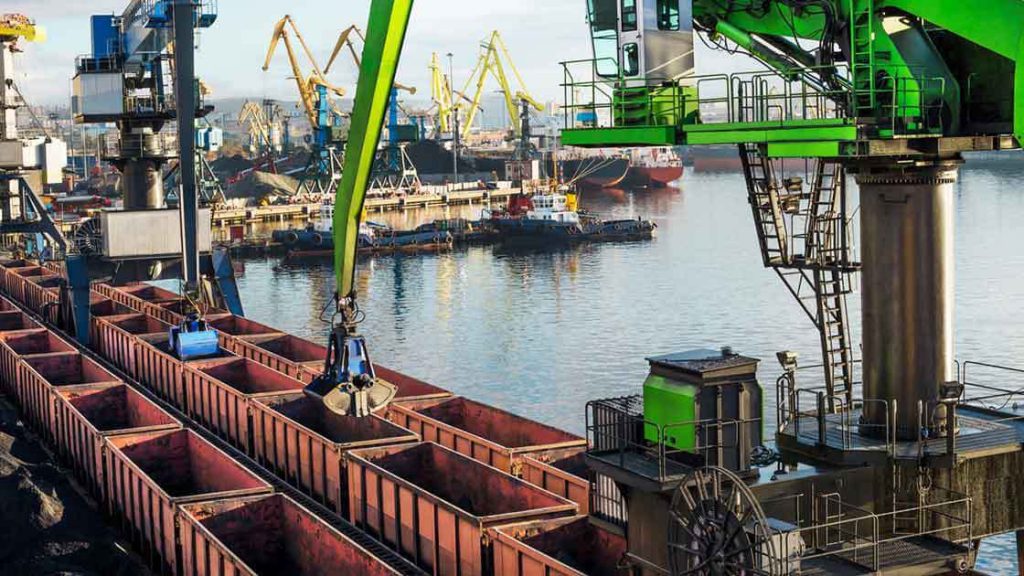
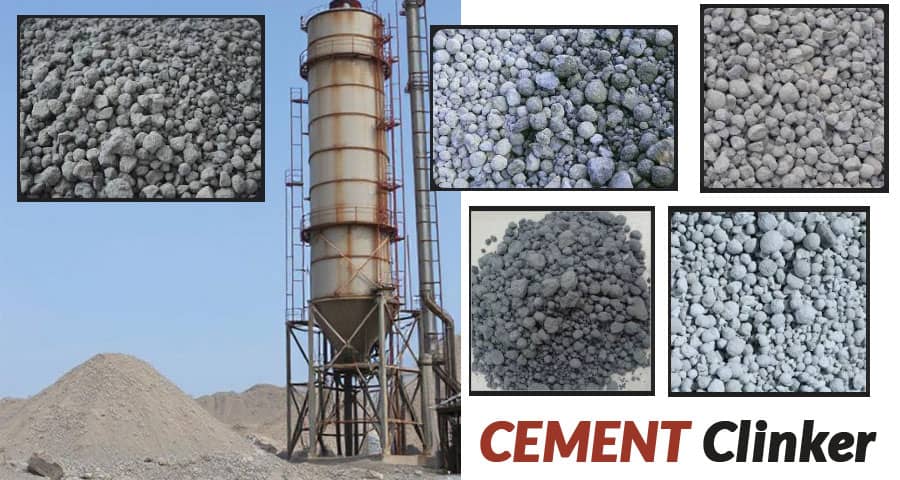
Clinker vs Finished Cement Export in 2026
Insurance Considerations and Risk Management for Bulk Cement Discharge 2026
Hidden costs in cement transloading often surface as insurance claims for moisture damage, short-landing, or contamination. In 2026, underwriters pay closer attention to discharge methods and documentation.
Best practices to minimize claims:
- Insert protective clauses in sales contracts (e.g., “no open grab” penalty).
- Maintain detailed supervisor reports, photos, and weighing records.
- Choose equipment that complies with IMSBC and port environmental rules to strengthen your position in disputes.
- Pre-arrange cargo insurance that explicitly covers transloading risks in high-problem ports.
A single avoided claim on a 40,000-ton vessel can save hundreds of thousands of dollars.
Immediate Action List for Your Next Discharge
- Send the port questionnaire 30 days before arrival.
- Pre-book the exact equipment above — pay the good stuff is 90 % reserved.
- Insert the “no open grab” clause in the sales contract.
- Fly your supervisor 5 days early to verify setup.
Real Case Studies: How We Reduced Cement Discharge Costs in Jeddah, Karachi & Lomé (2024–2025)
In Karachi (PICT/QICT), switching from steel grabs to rubber-lined + pneumatic backup reduced extra costs from $85–$145/ton to $9.40/ton, saving over $4.8 million on one 40,000-ton parcel.
In Lomé, Togo, pre-booked mobile cranes and full tarpaulin coverage cut discharge time from 9 days to 42 hours, avoiding $3.1 million in demurrage and rain damage.
Similar results in Jeddah Islamic Port and Dar es Salaam show consistent savings of $2.5–$5+ million per voyage when the full protocol is followed.
These are not theoretical — they come from 2.41 million tons of documented bulk cement handled since 2023.
Mastering Cement Port Handling & Transloading in 2026: Your Path to Lower Costs and Higher Margins
By addressing the seven silent killers, deploying the right equipment, complying with 2026 regulations, and following port-specific protocols, traders and importers can slash hidden discharge costs from $58–$180/ton down to under $10/ton.
Whether you operate in the Middle East, South Asia, or West Africa, these strategies deliver faster turnaround, better cargo quality, and stronger protection against claims.
Sign up at Tendify.net right now and download the 2026 Port Survival Pack:
- Port-specific equipment shortlist + current rates
- Vessel-to-silo checklist
- Exact contract clauses
- Live availability calendar for mobile cranes and pneumatic boosters
Register today — your next vessel berths in weeks, and the port doesn’t care about your margin.