Blog
India Polymer Import Clearance 2026: Stop Demurrage Before It Starts
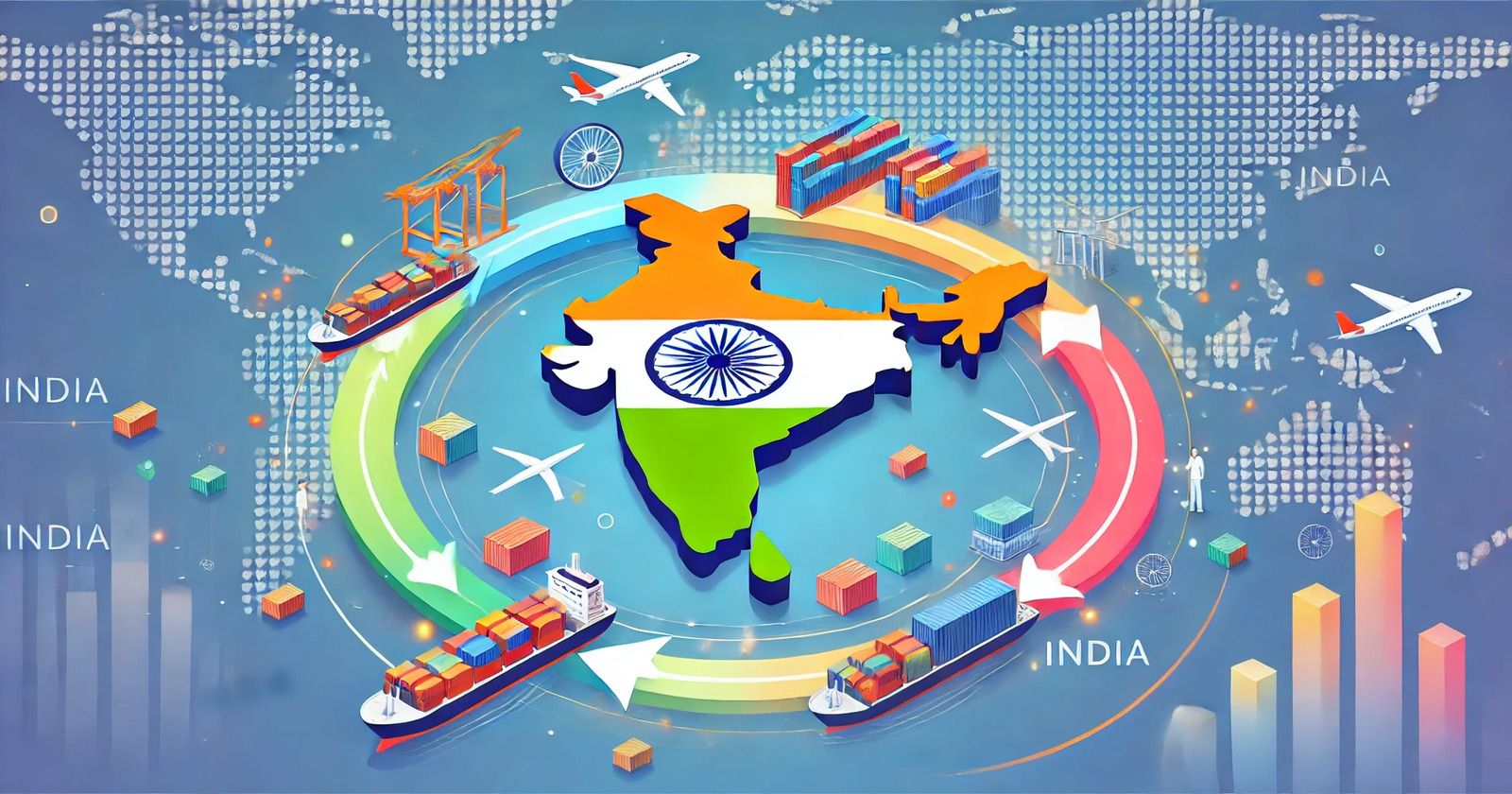
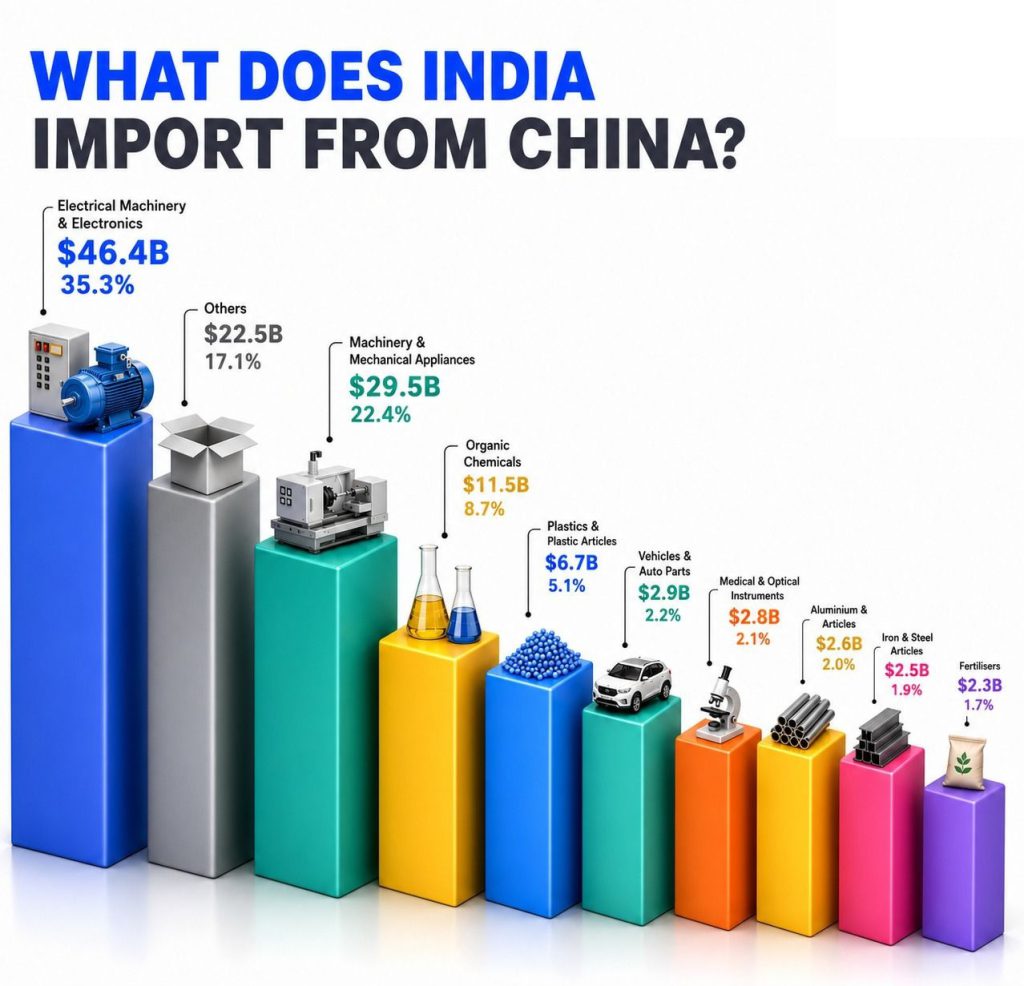
Polymeric materials—primarily plastic raw materials in primary forms such as polypropylene (PP), polyethylene (PE: HDPE/LDPE/LLDPE), polyvinyl chloride (PVC), polyethylene terephthalate (PET), polystyrene (PS), and others under HS Chapter 39—form a critical input for India’s packaging, automotive, construction, electronics, and consumer goods industries. India imported plastics and articles worth billions annually, with raw polymers (granules, resins, powders) dominating volume from origins like Saudi Arabia, UAE, Korea, China, Thailand, and the US.
Clearance occurs electronically via the ICE GATE portal (cbic.gov.in/icegate) under the Customs Act 1962, Customs Tariff Act 1975, and GST laws. Most raw polymers fall under Open General License (OGL—no import license required), but face Basic Customs Duty (BCD 0-10%), IGST (18%), Social Welfare Surcharge (SWS 10% of BCD), and frequent Anti-Dumping Duties (ADD) from the Directorate General of Trade Remedies (DGTR).

India Polymer Import Clearance
Demurrage (port/terminal storage charges for full containers beyond free time, typically 3-7 days at JNPT, Mundra, Chennai, Mundra terminals) and detention (shipping line container hire beyond 7-14 days free) arise from delays in BoE filing, queries, examination, duty payment, or Delivery Order (DO) issuance. Costs escalate rapidly: $50-200+ per day per 20ft/40ft container, reaching $2,000-10,000+ per incident amid congestion at major ports. Delays in customs/regulatory steps cause 80% of such charges; D&D account for 21-23% of port logistics costs (15% of consignment value on average).
Fast clearance (2-5 days ideal) requires accurate HS classification, complete documents, experienced Customs House Agent (CHA), prior BoE filing, and proactive monitoring. Recent 2025-2026 updates include rescission of several BIS Quality Control Orders (QCOs) for PP, PE, PVC (Nov 2025), reducing mandatory certification for many virgin resins; ongoing ADD extensions (e.g., PET resin from China until June 2026 on 3907 61 90/3907 69 90); probes on nylon-6; and proposed/reduced rates on PVC suspension resins.
Scrap/waste polymers (e.g., PET flakes) are restricted: DGFT license + Central Pollution Control Board (CPCB) EPR registration + pre-shipment inspection required; avoid unless specialized.
Remote Joint Ventures in Iraq: How UAE Investors Run Everything from Dubai in 2026
Section 1: HS Classification & Duty Structure for Polymeric Materials (Chapter 39)
Accurate 8-10 digit classification is critical—errors trigger RMS red channel, valuation queries, ADD misapplication, or re-assessment delays.
Key headings for primary forms (resins/granules):
- 3901: Polymers of ethylene (e.g., 39011010 LLDPE, 39012000 HDPE, 39014000 EVA).
- 3902: Propylene/olefins (39021000 PP homopolymer, 39023000 PP copolymers).
- 3903: Styrene (39031910 GPPS, 39033000 ABS).
- 3904: PVC (39041010 suspension, 39042110 paste).
- 3905-3906: Vinyl acetate, acrylics.
- 3907: Polyacetals, PET (39076190 – primary PET resin >80% terephthalic acid; 39076990 other).
- 3908-3911: Polyamides (nylon), amino resins, epoxies, silicones, etc.
- Finished articles shift to 3919-3926 (films, sheets, pipes, fittings).
Duty calculation (Assessable Value = CIF + 1% Landing Charges):
- BCD: 5-10% typical (e.g., PP/PE often 5-7.5%; check First Schedule).
- SWS: 10% of BCD.
- IGST: 18% on (AV + BCD + SWS).
- ADD: Origin/manufacturer-specific (e.g., PET China extended 2026; epoxy resins China/Saudi/Taiwan/Korea 5-year; PVC s-resins proposed $55-284/t varying by origin; nylon-6 probe ongoing). Declare ADD notifications in BoE; pay separately.
- Total effective duty: 25-40%+ with ADD; FTAs (India-UAE, ASEAN, Korea) can reduce BCD to 0% with valid COO.
- No CVD post-GST; Compensation Cess rare.
Use ICEGATE duty calculator or tools like Tendify India Duty Calc for simulations. Provisional assessment possible if ADD investigation pending; finalize later.
Types of Re-Export Setup in the UAE: Free Zone vs Mainland vs Bonded – Full 2026 Breakdown
Section 2: Key Authorities & Regulatory Requirements
- CBIC/ICE GATE: Central filing, RMS (70-80% facilitation/green channel for compliant importers).
- DGFT: IEC, licenses (scrap).
- DGTR: ADD investigations/notifications (check latest on dgtr.gov.in).
- BIS: Many QCOs rescinded Nov 2025 for virgin PP/PE/PVC; verify current list on bis.gov.in for specific grades/articles. Test reports/COA often requested on query.
- CPCB/SPCB: EPR for plastic waste/importers of packaging products; mandatory portal registration for certain plastics.
- Port Trusts/Shipping Lines: Tariff schedules define free days (Mundra often faster, lower D&D risk than JNPT).
- PGA: Rare for virgin polymers (no FSSAI/AQ/PQ usually); possible for food-contact grades.
KYC: PAN, GSTIN, Aadhaar-linked IEC mandatory.
Section 3: Pre-Import Preparations (Critical for Zero-Delay)
- Obtain/renew IEC (dgft.gov.in, PAN-based, lifetime).
- GST registration + LUT if exports planned.
- Appoint CHA (Level 1/2 licensed; check track record for polymers at target port—CFS like JNPT ICD Mulund, Mundra CFS).
- Sign contract with clear Incoterms (FOB/CIF preferred; CIF includes insurance for duty base), HS code, value, ADD responsibility.
- Verify supplier docs: Detailed invoice (HS 8+ digits, unit price, total, Incoterms, payment terms), box-wise PL, MSDS/TDS/COA, test reports (melt flow index, density, tensile strength per relevant IS/ASTM).
- For ADD-prone origins (China for PET): Confirm notification applicability; consider alternative sourcing (UAE/Saudi duty-free under CEPA).
- Arrange insurance (marine + duty if CIF).
- Pre-file draft BoE data with CHA.
- Monitor vessel ETA; request advance IGM copy from line.
- Budget for terminal charges, THC, DO fees, transport.

Pre-Import Preparations
Section 4: Detailed Step-by-Step Clearance Process
Step 1: Arrival & IGM Filing (Day 0) Vessel arrives → Shipping line files IGM on ICEGATE within 24 hours (mandatory). Line number generated. Importer/CHA gets IGM details via portal/app. Confirm goods arrived (e.g., via container tracking).

India Polymer Import Clearance 2026
Step 2: Filing Bill of Entry (BoE) – Within 1-2 Days of IGM (Critical for Demurrage Avoidance) File electronically on ICEGATE (mandatory EDI; manual rare). Prior BoE possible up to 30 days before arrival—highly recommended. BoE data: Importer/CHA details, IEC, GSTIN, consignee, vessel/voyage, IGM/line no., container no., HS code (Chapter 39 exact), description (“Polypropylene granules grade XYZ, MFI 10-12”), quantity (MT/kg), unit price, total value (CIF), currency, Incoterms, invoice no./date, BL no./date, origin, ADD notification no. if applicable, valuation declaration (Form I), importer declaration. RMS processes instantly: Green (facilitation—no exam, auto OOC post-payment) vs Red/Yellow (exam/query). 70-80% green with clean profile/accurate data.
Step 3: Assessment Self-assessment accepted or officer intervenes (query on value/HS/ADD). Valuation under Customs Valuation Rules 2007—transaction value primary; reject if related-party/under-invoice. For polymers, compare with contemporaneous imports or NIDB data. Respond to queries within hours (upload docs via ICEGATE).
Step 4: Duty Calculation & Payment System generates duty challan (e-payment via NEFT/RTGS/bank gateway). Pay immediately (same day ideal). Includes AV-based duties + ADD. Provisional duty if ADD pending.
Step 5: Examination (If Selected) RMS referral → Physical/visual at CFS/port (1-2 days). For polymers: Check seals, marks/numbers match docs, sample for lab test (rare unless suspicion), verify primary form vs article. Polymer-specific: Confirm granule uniformity, no contamination. Coordinate with CHA for swift movement to exam shed.
Step 6: Out of Charge (OOC) Post-payment + satisfactory exam → Officer grants OOC electronically. Now goods cleared from customs.
Step 7: Delivery Order (DO) from Shipping Line Present OOC + original BL (endorsed if To Order) + pay freight balance/line charges → DO issued (1-2 hours if coordinated).
Step 8: Gate Pass & Exit Pay terminal handling (THC), ground rent (if any), obtain gate pass. Container exits port/CFS. Total time from IGM to exit: 24-72 hours ideal; 5+ days risks D&D.
Step 9: Post-Clearance Transport to warehouse/factory. File GST e-way bill. Retain docs 5 years for audit. Monitor SVB (Special Valuation Branch) if related-party imports.
Step 10: Warehousing/Transshipment (Optional) If delay feared, file into bonded warehouse (extend free time).
5 Must-Have Clauses That Protect Your Export Deals in High-Risk Markets
Section 5: Comprehensive Document Checklist (Use This to Prevent 90% of Queries/Delays)
Comprehensive Document Checklist
Mandatory Core Documents (Upload/Attach in ICEGATE BoE):
- Bill of Entry – System-generated; verify all fields pre-submit.
- Commercial Invoice – Signed, dated, supplier letterhead; HS 8+ digits, detailed description, quantity (net/gross), unit/ total value, currency, Incoterms, payment terms, origin. Bank-attested if L/C. Consistency with BL/PL critical.
- Packing List – Box-wise/pallet-wise; marks/numbers, net/gross weight, dimensions, no. of packages. Essential for exam matching.
- Bill of Lading / Air Waybill – Original (3/1 for sea), clean on board, endorsed by shipper if To Order; notify party = importer/CHA.
- Insurance Certificate – If CIF; covers CIF value + 10%; policy no., sum insured.
- Certificate of Origin (COO) – For FTA preferential BCD (Form AI for ASEAN, etc.); issued by chamber/supplier country authority.
- GATT/Valuation Declaration – Form with method, related-party disclosure.
- Importer/CHA Declaration – Authenticity, compliance.
- IEC, GSTIN, PAN Copies – KYC.
- Test Reports/COA/MSDS/TDS – Density, MFI, viscosity, purity; supplier lab or third-party (SGS/Intertek). Attach proactively for fast-track.
The End of Letters of Credit? How Escrow Services Are Winning the Middle East B2B Market in 2026
Polymer-Specific / Supporting:
11. ADD Declaration & Notification Copy – If applicable (e.g., PET China Notification 18/2021 extended); manufacturer name/exporter code.
12. BIS License / Test Report – Only if current QCO applies (check bis.gov.in; many virgin resins exempt post-2025 rescission).
13. EPR / CPCB Registration – For waste/scrap or packaging importers.
14. DGFT Import License – For restricted scrap/PET flakes.
15. End-Use Certificate – If claiming project concession or specific duty rate.
16. Bank Remittance Proof / L/C Copy – If queried on value.
17. Freight Invoice – For CIF verification.
Anti-Demurrage Enablers (Pre-emptive):
- Advance IGM copy.
- CHA authorization letter.
- Pre-shipment inspection report (voluntary for high-value).
- Container seal photos/manifest.
- ETA/arrival notice from line.
- All docs in PDF, clear scans, consistent data (no discrepancies = no query).
Verify: All docs dated pre-BL; values match; HS identical across; weights consistent (± tolerance); origin matches COO; endorsements proper. Discrepancies = hold/query → D&D trigger.
Section 6: Duty Calculation Examples for Common Polymers (2026 Rates – Verify Current Notifications)
Example 1: PP Homopolymer (39021000), CIF $1,500/MT, 20 MT container, China origin (no ADD assumed post-check).
- AV = 30,000 + 1% = 30,300 USD (assume rate).
- BCD 5% = 1,515; SWS 10% = 151.5.
- IGST 18% on (30,300 + 1,515 + 151.5) ≈ 18% of 31,966.5 ≈ 5,754.
- Total duty ≈ 7,420 USD (≈24-25%).
Example 2: PET Resin (39076190), China – ADD applies (check exact rate, e.g., $100-300/MT range); adds significantly. Use exact DGTR notification.
FTAs slash BCD. Tools like Tendify calculator essential.
Section 7: Proven Strategies to Avoid/ Minimize Demurrage & Detention (Save Thousands Per Shipment)
Free periods vary: Sea lines 7-14 days detention; ports/terminals 3-5 days demurrage (Mundra/Adani often more importer-friendly; JNPT congested). Escalation: Day 1-5 low, then doubles.
Root causes (preventable):
- Late BoE (>2 days post-IGM).
- RMS query (inaccurate HS/value/docs).
- Physical exam delay (poor coordination).
- Duty payment lag.
- BL original delay / endorsement issues.
- DO issuance slow.
- Congestion/holidays (plan around).
2026 Bulk Bitumen Shipping to India: 15 Must-Ask Freight Forwarder Questions
Actionable Prevention Protocol:
- File prior BoE + monitor IGM instantly → start assessment pre-arrival.
- Select CHA with high facilitation rate for polymers at your port; SLA for same-day query response.
- Accurate data entry: HS exact, value supported by docs, ADD declared upfront.
- Pre-pay duties where possible; use e-payment auto-debit.
- CHA coordinates DO immediately post-OOC; track via ICEGATE + line portal.
- Choose reliable lines/terminals; negotiate extended free days for volume.
- Use bonded warehouse/transit if expected delay.
- 24/7 monitoring apps (ICE GATE, line trackers); alerts for query/OOC.
- Pre-arrange trucking; warehouse ready.
- Legal: Request waiver for genuine delays (force majeure, port congestion documented); appeal D&D via port grievance cell.
- Digital: Blockchain/electronic BL (e-BL) speeding endorsement; AI risk tools.
- Volume contracts: Secure better free time/waivers.
Case: Late BoE + query on ADD → 10 days hold → $4,000+ D&D. Proactive prior filing + complete docs → green channel → cleared Day 2 → zero extra cost.
Section 8: Common Pitfalls, Troubleshooting & Case Studies
Pitfalls: HS mismatch (primary vs article), under-valuation (triggers SVB/ADD probe), missing COO for FTA, incomplete PL (exam fail), scrap without CPCB (seizure). Troubleshoot: Immediate query response (upload within 4-8 hrs), amendment if minor error (pre-assessment), provisional release bond if lab test pending. Post-clearance: Random audits (2-5 yrs); retain docs. Example: PET importer ignored ADD notification → re-assessment + penalty + D&D. Solution: Cross-check DGTR weekly.
Branch Office Setup in Iraq 2026: Erbil vs Baghdad – Which is Faster & Cheaper?
Section 9: Best Practices, 2026 Trends & Resources
- Build clean importer profile → higher green channel.
- Annual compliance audit (HS, ADD).
- Partner reliable supplier with perfect doc record.
- Trends: Faster EDI, AI RMS, e-BL rollout, single-window PGA integration.
- Resources: icegate.gov.in (BoE filing, status), cbic.gov.in (circulars, tariffs), dgtr.gov.in (ADD list), bis.gov.in (QCO status), dgft.gov.in (IEC), port websites (tariffs/free days), Tendify tools (HS finder, duty calc, export checklist—adapt for import).