Blog
How Vostro & Nostro Accounts Are Slashing Dollar Costs in India-UAE Trade (2026 Guide)

I’ve spent the last two decades building and scaling businesses across borders, and if there’s one thing that’s consistently eaten into profits, it’s the hidden costs and headaches of dealing in dollars for every international deal. Currency conversion fees, exchange rate swings, delayed settlements—these aren’t just annoyances; they can turn a solid margin into a slim one overnight. That’s why the shift toward local currency settlements between India and the GCC, especially the UAE, feels like a game-changer for traders like us.
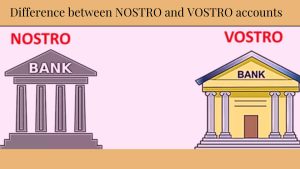
Vostro and Nostro
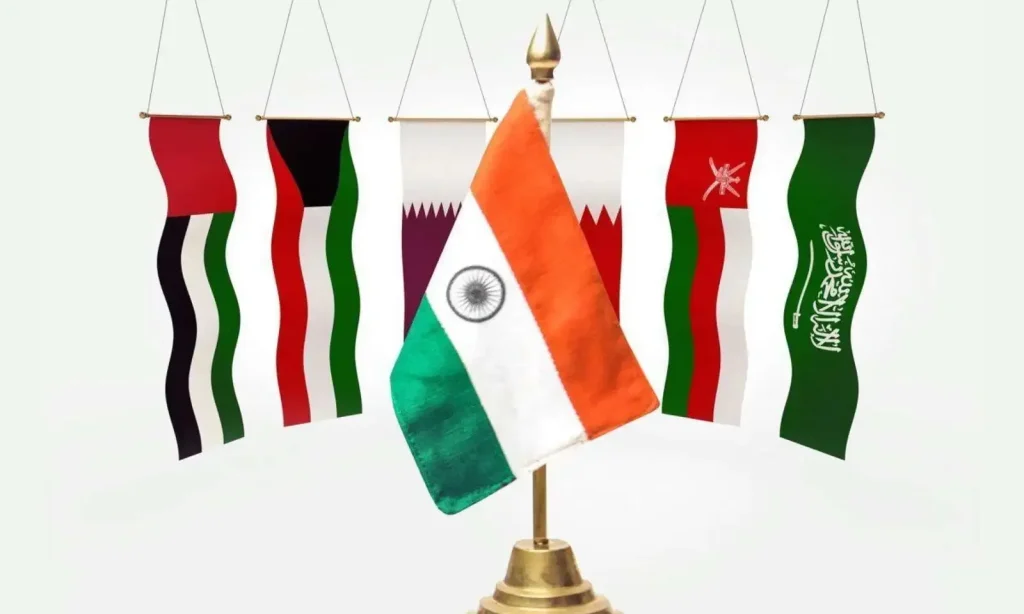
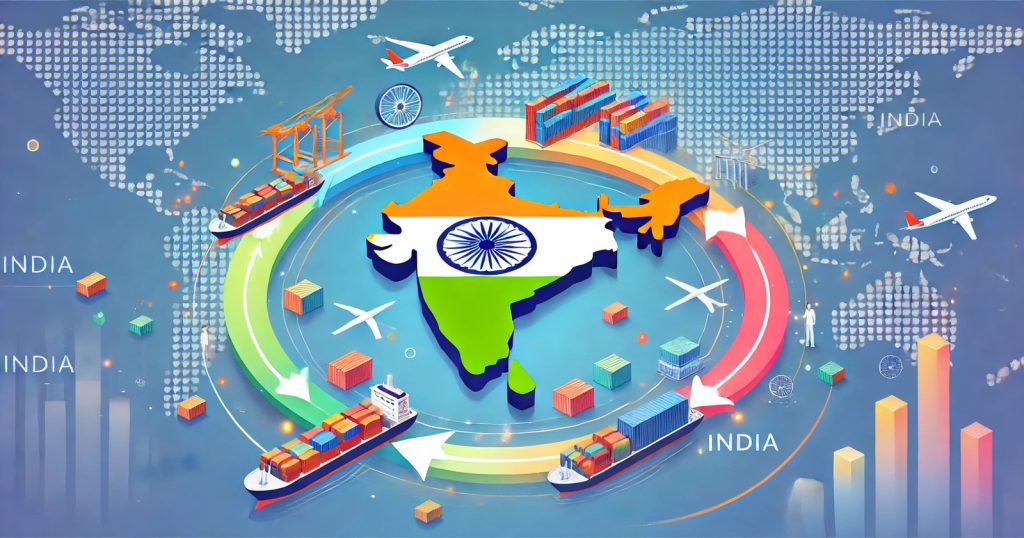
Right now, as bilateral trade between India and the UAE hits record levels—often exceeding $80-90 billion annually—businesses are increasingly settling in Indian Rupees (INR) and UAE Dirhams (AED) instead of routing everything through USD. This relies heavily on mechanisms like Special Rupee Vostro Accounts (SRVAs) and mirrored Nostro setups. In this guide, I’ll break it down plainly: what these accounts really are, how they work in practice for India-GCC trade, the real benefits (and the catches), and how you can start using them to cut costs and speed up cash flow.
What Are Nostro and Vostro Accounts? The Basics from the Trenches
Let’s start simple. These Latin terms sound fancy, but they’re just two sides of the same coin in correspondent banking.
- A Nostro account (“our account with you”) is what your bank holds in a foreign bank, in that foreign bank’s local currency. Think of it as money parked abroad for easy access.
- A Vostro account (“your account with us”) is the mirror image: the foreign bank’s account held at your domestic bank, in your local currency.
The same account gets called Nostro by one bank and Vostro by the other. It’s how banks keep track without confusion in cross-border payments.

What Are Nostro and Vostro Accounts
In traditional trade, an Indian exporter might invoice in USD. The UAE buyer pays in dollars via their bank, which routes through correspondent banks holding Nostro/Vostro in USD. Everyone gets their cut—conversion fees, SWIFT charges—and you wait days (or weeks) for funds to clear.
But when trade shifts to local currencies, things simplify dramatically.
The Rise of Local Currency Settlement in India-GCC Trade
India’s push to internationalize the rupee kicked into high gear around 2022 with the RBI’s framework for International Trade Settlement in Indian Rupees. This introduced Special Rupee Vostro Accounts (SRVAs)—a tailored Vostro setup where foreign banks (like those in the UAE) open INR-denominated accounts directly with Indian banks.

Rise of Local Currency Settlement in India-GCC Trade
By 2025-2026, the RBI had eased rules further: no prior approval needed for authorized dealer banks to open SRVAs, and surplus balances in these accounts can now be fully invested in Indian government securities. Over 150 SRVAs opened across 30+ countries, with strong uptake in the GCC due to deep trade ties.
For the UAE specifically, bilateral agreements allow direct settlement in INR or AED. UAE banks hold SRVAs in INR with Indian counterparts, while Indian banks might maintain Nostro-like accounts in AED for Dirham flows. This creates a closed-loop system:
- Indian exporter invoices UAE buyer in INR.
- UAE buyer pays in INR (or equivalent AED converted at market rate) to their local bank.
- The UAE bank credits the SRVA held at the Indian bank.
- Indian exporter receives INR directly—no dollar middleman.
The same works in reverse for UAE exports to India, often invoiced in AED with mirrored mechanisms.
Studies from sources like the Atlantic Council show local currency deals reduce dependency on the dollar while cutting costs—exactly what keeps margins healthy in volatile times.
How the India-UAE Local Currency Mechanism Works Step by Step
Here’s the practical flow I’ve seen work in real deals:
- Agreement on Currency: Both parties agree to invoice in INR (for Indian exports) or AED (for UAE exports). Market-determined exchange rates apply, often published by the RBI for transparency.
- Account Setup: UAE bank opens an SRVA with an Indian AD bank (e.g., major players like ICICI or Bank of Baroda have robust networks). No RBI pre-approval required since mid-2025 updates.
- Invoicing and Payment:
- Exporter raises INR invoice.
- Importer pays via local bank, which transfers to the SRVA.
- Settlement:
- Funds credit instantly or same-day in INR.
- Exporter gets paid without forex conversion losses.
- Surplus Management: UAE bank can invest excess INR in Indian govt securities, earning returns instead of idle balances.
For AED-side flows, Indian banks hold correspondent accounts (effectively Nostro in AED) with UAE banks, enabling direct Dirham receipts.
This bypasses traditional correspondent chains that rely on USD Nostro/Vostro, slashing intermediaries.
Key Benefits: Why This Matters for Your Bottom Line
Switching to local currencies isn’t theoretical—it’s delivering measurable wins:
- Lower Transaction Costs: No double conversion (local → USD → local). Businesses report savings of 1-3% per transaction. For high-volume traders, that’s serious money.
- Faster Settlements: Days instead of weeks. Cash flow improves, reducing working capital needs.
- Reduced FX Risk: No exposure to USD volatility. With AED pegged to USD, INR-AED pairs offer more predictable hedging.
- Easier Access for SMEs: Smaller players often struggle with dollar liquidity. Local currencies open doors without forex headaches.
- Better Competitiveness: Lower costs mean sharper pricing. Indian exporters to UAE gain edge in textiles, electronics, food, and commodities.
Data backs this: Bilateral agreements like India-UAE’s have already facilitated crude oil payments in rupees and expanded to broader trade. Remittances from UAE to India also benefit from optimized routes.
Potential Challenges and How to Handle Them
No system’s perfect. Here’s what I’ve bumped into:
- Liquidity Limits: Not every bank has deep SRVA pools yet. Stick to major Indian banks with UAE ties.
- Exchange Rate Transparency: Use RBI-published reference rates to avoid disputes.
- Regulatory Nuances: Ensure compliance with both RBI and UAE Central Bank rules. Invoicing must align with guidelines.
- Counterparty Buy-In: Some partners stick to dollars out of habit. Start with pilot transactions to demonstrate savings.
Mitigate by partnering with banks experienced in SRVAs and using platforms that streamline B2B trade.
Real-World Impact: Case Insights from the Field
In one bulk commodity deal I tracked, an Indian supplier shifted UAE payments to INR via SRVA. Transaction costs dropped ~2%, settlement went from 7-10 days to 2-3, and no hedging was needed. The buyer saved similarly, strengthening the relationship for repeat business.
Another angle: UAE firms importing Indian goods find it easier to source without dollar constraints, especially amid global liquidity squeezes.
These aren’t edge cases— they’re becoming standard as more GCC partners adopt similar setups.
For deeper dives into related trade topics, check out our pieces on demurrage vs. detention in GCC ports and the shift to escrow in Middle East B2B.
Take the Next Step Toward Smarter Trade
If you’re tired of dollar drag on your margins, local currency settlement via Vostro/Nostro mechanisms is one of the most practical tools available today for India-GCC trade. It cuts costs, speeds cash, and builds resilience.
Ready to explore? Join Tendify.net to connect directly with verified suppliers and buyers in the GCC-India corridor. Post an RFQ, browse listings, or chat with partners already using these efficient payment routes. Registration takes minutes—start building those cost-saving connections now.