


Blog
8 Overlooked High-Margin Export Commodities from Emerging Markets
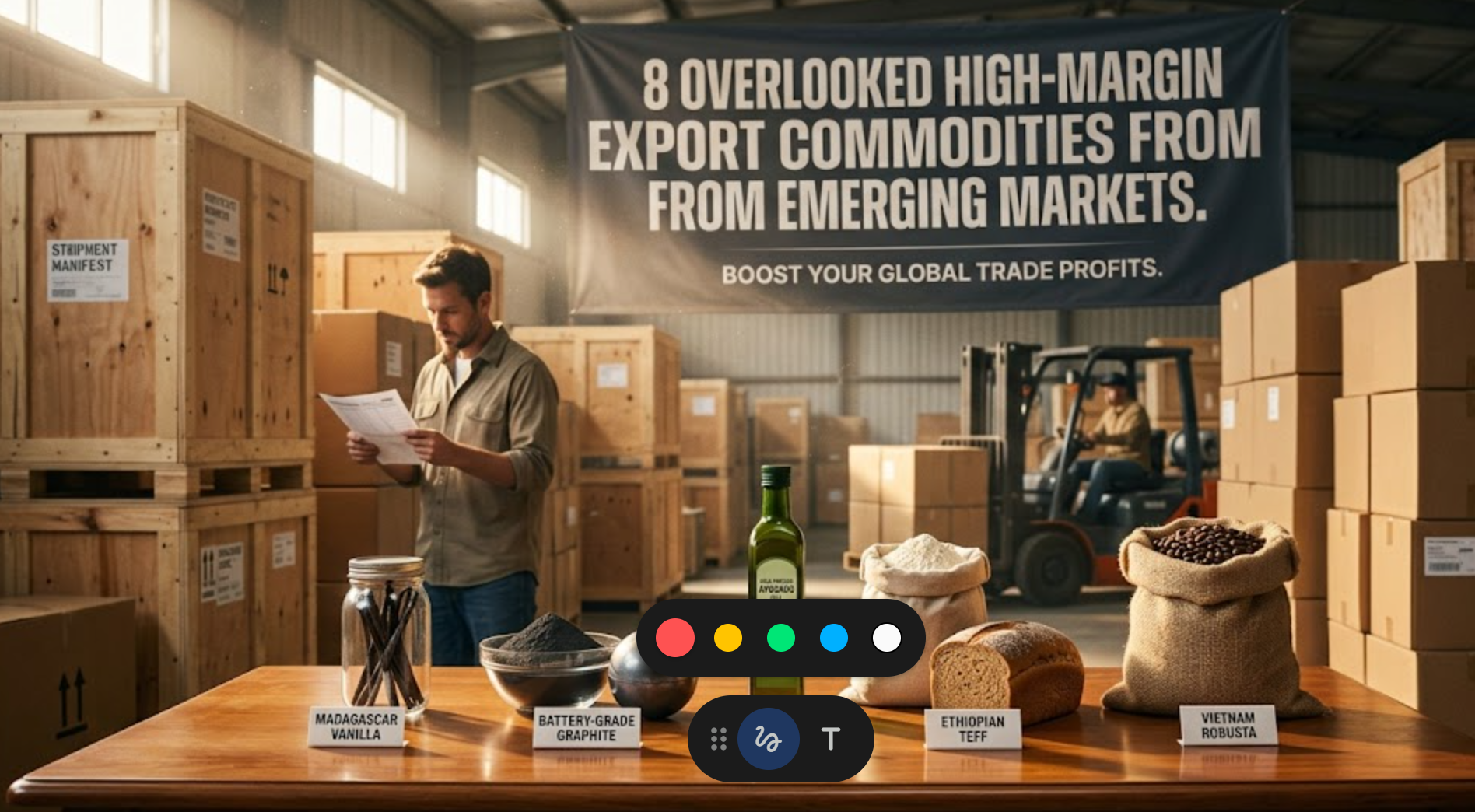
Over the years building and scaling trade operations across volatile regions, I’ve learned one hard truth: the biggest profits rarely come from chasing crowded lanes like Chinese electronics or standard GCC construction materials. They hide in market inefficiencies — places where geography, politics, or outdated supply chains create massive value gaps that a sharp, engineering-minded trader can exploit with the right systems, direct sourcing, and modern tools.
These aren’t get-rich-quick schemes. They’re strategic plays that reward patience, compliance discipline, and a willingness to map opaque supply chains. In 2026, with global demand shifting toward traceable, premium natural inputs for food, batteries, electronics, and specialty chemicals, certain lesser-visible origins offer margins that can dwarf mainstream trades — often 40-150%+ when you cut out middlemen and add basic value.

8 Overlooked High-Margin Export Commodities
Today, I’ll break down eight such opportunities drawn from real-world supply dynamics. For each, I’ll cover why it qualifies as “gold,” the structural inefficiencies creating the edge, entry barriers, execution steps, and risk mitigators. These draws from patterns I’ve seen in high-stakes B2B deals where early movers who documented processes and used digital verification tools cleaned up.
In today’s competitive global trade landscape, many exporters are searching for high-margin export commodities from emerging markets that offer better profitability than traditional bulk goods. While staples like oil, grains, and basic metals dominate headlines, several overlooked products deliver impressive margins—often 40% to 150%—thanks to niche demand, limited supply, traceability requirements, and premium positioning in food, cosmetics, and battery industries.
Emerging markets in Africa, South Asia, and Latin America hold unique advantages in these categories. Factors such as climate-specific cultivation, artisanal processing, and sustainability certifications create natural barriers to entry and support higher pricing. In 2026, with rising demand for clean-label ingredients and EV battery materials, these commodities present strategic opportunities for Iranian and regional exporters using platforms like Tendify to connect directly with verified buyers.
This guide explores eight such high-margin opportunities, backed by recent market data, export statistics, and practical entry strategies.
If you’re an exporter, importer, or developer scanning for asymmetric bets, this guide will give you a practical framework — not theory.
Why Overlooked Markets Deliver Outsized Returns in Global Trade
Mainstream routes suffer from transparency, intense competition, and razor-thin margins. In contrast, countries with unique endowments but fragmented chains or regulatory friction create arbitrage.
Think about it: a commodity that supplies 80% of global needs yet faces climate volatility, traditional farming, and export bureaucracy can swing prices dramatically. Or a mineral so pure it’s irreplaceable in high-tech yet produced at tiny scale because of underinvestment.
The “why” boils down to three inefficiencies I hunt for:
- Supply concentration with demand mismatch — One origin dominates quality, but buyers pay premiums for traceability while locals lack processing tech.
- Geographic or political isolation — Stable but under-the-radar nations with pristine conditions for ultra-pure outputs, yet poor marketing or logistics integration.
- Value-add gaps — Raw exports dominate while downstream products (extracts, refined grades) command multiples.
In my experience, traders who treat these as engineering problems — mapping HS codes, building compliance playbooks, and integrating AI-driven market pulse tools — consistently outperform those chasing volume in saturated lanes.
1. Madagascar Bourbon Vanilla: The Liquid Gold Still Dominated by Tradition
Madagascar continues to dominate global vanilla production, accounting for roughly 70-80% of the world’s natural vanilla beans. The vanilla extract market is projected to grow steadily toward USD 5.9–6 billion by 2026–2027, fueled by demand in premium food, beverage, and clean-label cosmetics.
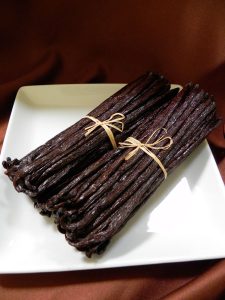
Madagascar Bourbon Vanilla
Current export prices for high-quality cured beans range from USD 40–120/kg depending on grade and season, with premium lots commanding significantly higher values. After accounting for cultivation, curing, and logistics costs, well-managed exporters can achieve gross margins of 50–100%+ on specialty shipments, especially when selling directly to end-users or processors seeking traceable, organic, or fair-trade certified vanilla.
Yet the chain remains inefficient: labor-intensive curing, climate sensitivity (cyclones and droughts cause 10-18% yield swings), surplus stock from past seasons, and a shift away from rigid minimum export prices that once created predictability but now leave room for negotiated, direct deals.
Why it feels like gold: Natural vanilla prices can spike to levels rivaling precious metals during shortages. Food, beverage, and cosmetics giants pay top dollar for traceable, sustainable origins as clean-label demands rise. Margins of 40-100%+ become realistic by bypassing local collectors and investing in on-origin curing/traceability tech.
Entry playbook:
- Start with cooperatives or verified exporters offering batch-level traceability (blockchain or simple QR systems pay dividends here).
- Focus on value-added: partner for extract or powder production to stabilize pricing versus raw beans.
- Compliance: Master phytosanitary and CITES-equivalent rules; use HS 0905 tools for classification.
Risks & Mitigation :
Price volatility due to cyclones and climate events remains high; mitigate through forward contracts and diversified sourcing.
Many traders I’ve advised doubled margins simply by documenting supplier audits and using digital contract builders to lock in living-income pricing models.
Key Advantages for Exporters
- Unique flavor profile with high vanillin content that synthetic alternatives cannot replicate.
- Growing clean-label trend driving demand in Europe and North America.
- Opportunity to bundle with value-added products like vanilla extract or powder for even higher margins.
Practical Export Tips for 2026 Prioritize traceability systems and certifications (EU Organic, Rainforest Alliance, Fairtrade). On Tendify, you can connect directly with verified Madagascan cooperatives and negotiate better FOB terms while reducing middlemen costs. Start with small trial shipments to build long-term buyer relationships.
Reliable Sellers / Credible Suppliers (Madagascar Bourbon Vanilla)
These are established and reputable suppliers/exporters, primarily based in Madagascar, specializing in high-quality Bourbon vanilla beans and extracts.
| Company Name | Address | Phone / WhatsApp | Email / Website | Additional Info |
|---|---|---|---|---|
| Madagascar Vanilla Company | Antananarivo / Antalaha, Madagascar | +1 (484) 320-7947 +261 32 80 406 67 | sales@madagascarvanillacompany.com madagascarvanillacompany.com | Global shipping, wholesale & bulk orders, premium Bourbon beans |
| Vanilla Island Company | Bel Souvenir, Airport Road, Sambava 208, Madagascar | +261 32 83 041 13 (WhatsApp) | vanilla-island.com (contact form) | Sustainable & ethical sourcing, based in the prime SAVA vanilla region |
| Madagascar Golden Bean | Antananarivo, Madagascar | +261 34 136 2626 (WhatsApp) | madagascargoldenbean@gmail.com madagascargoldenbean.com | Direct from farms, hand-picked premium beans, exports to Europe, USA & Japan |
| Robust Madagascar | Madagascar (exporter) | +261 380 539 632 (WhatsApp) | robustmadagascar@gmail.com robustmadagascar.com | Premier bulk exporter with strong quality commitment |
| Excelia Madagascar | Lot J 56B, Rue de Calais, Tanambao, Antalaha 206, Madagascar | Contact via website | contact@excelia-madagascar.com excelia-madagascar.com | Certified exporter, 100% natural vanilla, located in the vanilla capital |
| Pure Vanilla MG | Lot LT 003 Antanifotsy II, Sambava 208, Madagascar | +261 34 97 140 04 | purevanillamg@gmail.com pure-vanilla-mg.com | Organic & Fair Trade certified, gourmet-grade beans |
Global Buyers / Major Importers & Processors (Madagascar Bourbon Vanilla)
These are major international companies that import, process, or manufacture vanilla products using Madagascar Bourbon vanilla for the food, beverage, and cosmetics industries.
| Company Name | Address | Phone / Contact | Email / Website | Additional Info |
|---|---|---|---|---|
| Eurovanille | France | Contact via website | eurovanille.com | Leading processor and direct importer working with Malagasy farmers, strong focus on sustainability |
| Aust & Hachmann | Hamburg, Germany (with operations in Madagascar) | Contact via website | aust-hachmann.com | One of the oldest and largest Bourbon vanilla importers worldwide |
| Lochhead Manufacturing Company | Fenton, Missouri 63026, USA | (800) 776-2088 | info@lochheadvanilla.com lochheadvanilla.com | Traditional bulk vanilla extracts for food & beverage industry, over 100 years experience |
| Nielsen-Massey Vanillas | USA (global wholesale) | Contact sales team | info@nielsenmassey.com nielsenmassey.com | Premium single-origin extracts, wholesale supplier to manufacturers worldwide |
| De Monchy Natural Products | Rotterdam, Netherlands (also USA office) | Contact via website | monchynaturalproducts.com | Global processor and supplier, direct sourcing from Madagascar for food and fragrance industries |
| Blumental Bayern | Germany | Contact via website | blumental-bayern.com | Major European importer and distributor of Bourbon vanilla pods |
2. Namibia Solar Sea Salt: Africa’s White Gold for Industrial and Premium Uses
Namibia produces some of the purest solar sea salt in the world through natural evaporation in the Walvis Bay region. With massive production capacity and low extraction costs, Namibian salt serves industrial (chemicals, de-icing), food-grade, and water treatment markets across Africa, Europe, and beyond.
Recent AfCFTA shipments (e.g., tens of thousands of tonnes to Nigeria and Cameroon) highlight growing intra-African demand. Because production costs are low and volumes high, even modest markups deliver solid margins for exporters who control logistics and secure long-term contracts.
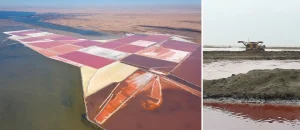
Namibia Solar Sea Salt
Exports flow through Walvis Bay port with efficient logistics to Africa, Europe, and beyond. The product earns the nickname “white gold” for its volume and purity edge over rock salt or less refined sources.
Why the inefficiency persists: Despite massive output (one site alone processes 100 million m³ seawater yearly), much focus remains on bulk industrial rather than branded premium or value-added derivatives. Underinvestment in marketing to specialty buyers leaves room for direct B2B plays.
Margins and opportunity: 30-60%+ by targeting European chemical buyers or luxury food sectors needing ultra-pure grades. Engineering angle: optimize washing/grading plants or container loading to cut losses below 9%.
Key Success Factors
- Reliable port infrastructure at Walvis Bay.
- Ability to supply consistent quality in bulk.
- Opportunities to combine with other African commodities for optimized container loads.
How to execute:
- Verify suppliers via platforms with export license checks.
- Use 3D container optimization tools for bulk shipments to minimize costs.
- Build relationships with port handlers for seamless transloading.
This one’s engineering-led: treat salt ponds and logistics as a production line you can incrementally improve.
Reliable Sellers / Credible Suppliers (Namibia Solar Sea Salt)
These are established producers and exporters of high-quality solar sea salt from Namibia, suitable for industrial, food-grade, and premium applications.
| Company Name | Address | Phone / WhatsApp | Email / Website | Additional Info |
|---|---|---|---|---|
| Walvis Bay Salt Holdings (Pty) Ltd | Southern Lagoon Area, Walvis Bay, Namibia | +264 64 273 0200 | info@wbsalt.com www.wbsalt.com | Africa’s largest solar sea salt producer (over 900,000–1,000,000 tons/year), exports to Africa, Europe & beyond. Industrial, refined & table salt grades |
| The Salt Company (Pty) Ltd | 31 Mandume Ya Ndemufayo Street, Swakopmund 9000, Namibia | +264 64 402 611 Fax: +264 64 405 414 | sales@saltco.com.na www.saltco.com.na | Namibian-owned producer of quality solar sea salt, distributed across Africa. Multiple grain sizes available |
| Oranje Soutwerke (Blaauws Group) | 1 Mulderene Street, Walvis Bay, Namibia | +264 64 291 350 | rainer@blaauwsgroup.co.za www.blaauwsgroup.com | Processes Atlantic sea salt into high-quality table salt and industrial grades from Benguela coast |
| S&MC (Salt & Minerals Company) | Walvis Bay / Swakopmund area, Namibia | Contact via website | geier.global (contact form) | Major exporter of solar refined medium coarse sea salt, also involved in fishing industry |
| Mississippi Investments CC | Ocean View, Swakopmund, Namibia | Contact via TradeKey / ExportHub | Available on export platforms | Supplier of raw solar salt, solar salt crystals & industrial grades |
Global Buyers / Major Importers & Processors (Namibia Solar Sea Salt)
These companies and regions actively import Namibian solar sea salt for industrial use (chemicals, de-icing, water treatment), food processing, and premium applications.
| Company Name / Buyer Group | Address / Location | Phone / Contact | Email / Website | Additional Info |
|---|---|---|---|---|
| BUD Group (Pty) Ltd | South Africa (major regional buyer) | Contact via industry networks | — | Receives significant volumes from Walvis Bay Salt for further distribution and industrial use |
| Major Importers in Nigeria & Cameroon | West Africa | — | — | Regular bulk importers of Namibian solar salt for industrial and food sectors |
| European Buyers (various) | Europe (Germany, Netherlands, others) | Contact via trade platforms | — | Import refined and industrial solar sea salt from Namibia |
| United States Importers | USA | — | — | Growing imports of Namibian sea salt for food-grade and industrial applications |
| South African Chemical & Food Industries | South Africa | — | — | Large-volume buyers for chlor-alkali, food processing & water treatment |
| Regional African Buyers (Angola, DRC, Zambia, Botswana) | Southern & Central Africa | — | — | Mainly triple-refined table salt for human consumption and small-scale industry |
3. Sri Lanka Ceylon Cinnamon: True Cinnamon Premium vs. Cassia Confusion
Sri Lanka (formerly Ceylon) produces the world’s finest true cinnamon, distinguished by its delicate flavor, low coumarin content, and superior quality compared to cassia varieties from Vietnam or Indonesia. Sri Lanka accounts for the majority of global true cinnamon exports, with HS code 0906 covering quills, chips, and powder.
Export values have shown steady growth, and demand for organic and high-grade Ceylon cinnamon remains robust in premium spice markets, bakery, and health food segments. Exporters can target margins of 40–80% by focusing on retail-packed quills or value-added ground cinnamon, especially when emphasizing origin stories and quality certifications.
The gold factor: True Ceylon commands premium pricing in regulated markets where health claims matter. Add value through grinding, oil extraction, or organic certification, and margins can reach 80-120% in packaged or ingredient form.

Sri Lanka Ceylon Cinnamon
Inefficiencies: Traditional smallholder farming and limited downstream processing mean most volume leaves as quills or basic powder. Global buyers struggle with adulteration risks, creating openings for traceable, branded supply.
Action steps:
- Source from verified estates emphasizing sustainability.
- Leverage HS code finders for precise classification and tariff optimization.
- Integrate into B2B marketplaces for direct buyer quotes.
Strategic Entry Points
- Target health-conscious markets in Europe and the US where true cinnamon commands a premium.
- Leverage HS codes correctly for smooth customs clearance.
- Combine with other Sri Lankan spices for bundled shipments to reduce logistics costs.
On Tendify, you can connect directly with Sri Lankan suppliers offering consistent quality and competitive FOB pricing.
Pair this with Sri Lanka’s other hidden asset…
Certainly! Here are the professional tables in English for the trade of Sri Lanka Ceylon Cinnamon (True Cinnamon). These tables include reputable exporters from Sri Lanka and major global importers who prioritize high-quality “True Cinnamon” over the cheaper Cassia variety.
Reliable Sellers (Sri Lankan Exporters)
These companies are established leaders in the Sri Lankan spice industry, offering premium grades like Alba, C5, and C4, often with organic certifications.
| Company Name | Contact Number | Address | Additional Info |
| Rathna Cinnamon Exports | +94 91 225 1313 | Matara Road, Galle, Sri Lanka | The world’s largest exporter of Ceylon Cinnamon; specializes in high-end Alba quills. |
| HDDES Extracts (Pvt) Ltd | +94 11 233 2222 | Horana, Western Province, Sri Lanka | Leading manufacturer of organic cinnamon, essential oils, and value-added spice extracts. |
| Dpure Cinnamon | +94 77 712 3456 | Negombo, Sri Lanka | Premium supplier focused on GMP/HACCP certified quills and powder for global markets. |
| Lak Cinnamon Planters | +94 11 250 8508 | Colombo 05, Sri Lanka | Direct-from-estate sourcing; known for sustainable farming and fair trade practices. |
Global Buyers (Importers & Distributors)
These international companies actively source Ceylon Cinnamon for the gourmet food, pharmaceutical, and health-conscious consumer markets.
| Company Name | Contact Number | Location | Additional Info |
| Frontier Co-op | +1 800-669-3275 | Iowa, USA | Major wholesale distributor of organic spices; strictly differentiates between Ceylon and Cassia. |
| Burlap & Barrel | +1 718-500-4740 | New York, USA | A premier “Single Origin” spice company that sources high-quality quills for the culinary market. |
| KOTÁNYI GmbH | +43 2245 5300 | Wolkersdorf, Austria | One of Europe’s largest spice brands; high demand for true cinnamon for the EU market. |
| Olam Food Ingredients (OFI) | +44 20 7484 8484 | London, UK (Global) | A massive multinational player that handles global supply chains for industrial food manufacturing. |
4. Sri Lanka Vein Graphite: The Ultra-Pure High-Tech Mineral Flying Under the Radar
Sri Lanka is one of the few commercial sources of high-carbon crystalline vein (lump) graphite, with purity levels often exceeding 95%. This unique morphology offers advantages in lithium-ion battery anodes, lubricants, and specialty applications where flake or amorphous graphite falls short.
While global graphite demand surges due to the EV boom, Sri Lankan vein graphite trades at a premium—historically USD 1,800–2,500/tonne for raw material, with processed battery-grade reaching significantly higher values. Margins can be attractive (50%+) for exporters who secure offtake agreements with anode manufacturers, especially amid efforts to diversify supply chains away from dominant producers.
Why it’s strategic gold: Natural vein form requires less processing, offering efficiency advantages. Government pushes for value-added production (e.g., at Kahatagaha mine) signal upcoming opportunities, but current under-scale leaves early direct contracts highly profitable — potential 50-70%+ margins in refined or specialized grades.
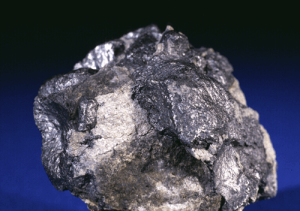
Sri Lanka Vein Graphite
Challenges: Limited mechanization and export focus on raw material. Solution: partner on PPP-style upgrades or off-take agreements for processed forms.
Practical entry: Use market intelligence tools for real-time pricing, ensure compliance with environmental mining standards, and focus on niche buyers in Asia and Europe.
Opportunities in 2026
- Rising interest from Western markets seeking ESG-compliant, non-Chinese sources.
- Potential for value addition through micronization or purification.
- Focus on traceability and sustainable mining practices to meet buyer requirements.
Reliable Sellers (Sri Lankan Mining & Exporting Companies)
These are the primary entities that own the mines or have the official rights to export high-purity vein graphite.
| Company Name | Contact Number | Address/Location | Additional Info |
| Bogala Graphite Lanka PLC | +94 77 234 3095 | Aruggammana, Sri Lanka | A subsidiary of AMG Graphite (Germany). One of the oldest and most technologically advanced mines. |
| Kahatagaha Graphite Lanka Ltd | +94 11 268 8224 | Maduragoda, Dodangaslanda, Sri Lanka | State-owned mine producing ultra-high purity crystalline vein graphite (>99% Carbon). |
| Ceylon Graphite Corp. | +94 11 432 4000 | Colombo 03, Sri Lanka (Head Office) | Publicly traded (TSX-V: CYL). Holds rights to numerous grids and is focused on the battery supply chain. |
| Sarcon Development (Pvt) Ltd | +94 77 712 3456 | Colombo, Sri Lanka | The operational arm of major exploration projects; focuses on mining and early-stage processing. |
Global Buyers (High-Tech & Industrial Importers)
These buyers look for Sri Lankan vein graphite specifically for high-performance applications like lithium-ion battery anodes and thermal management.
| Company Name | Contact Number | Country | Additional Info |
| AMG Graphite (GK) | +49 8593 938 0 | Germany | Primary buyer and parent company of Bogala; uses graphite for thermal management and lubricants. |
| Graphite India Ltd | +91 33 4002 9600 | India | Large-scale industrial user for electrodes and carbon specialty products. |
| Panasonic Energy Co. | +81 6 6908 1121 | Japan | Major EV battery manufacturer; high-purity vein graphite is a key research and supply interest. |
| Nouveau Monde Graphite (NMG) | +1 819-595-3168 | Canada | While a producer, they often partner or engage in the trade of high-purity materials for the North American EV market. |
5. Ethiopia: Black Sesame & Cabretta Leather — Organic Edge in Specialty Markets
Ethiopia stands out for organic black sesame seeds and high-quality Cabretta (goat) leather, benefiting from traditional farming practices and unique properties. Organic sesame enjoys strong demand in premium food and health markets, while Cabretta leather serves fashion and automotive sectors. Both categories support estimated margins of 50–80% when properly processed and certified.
Margins potential: 50-80% with origin branding and minimal processing (e.g., cleaned/sorted sesame or finished leather goods).
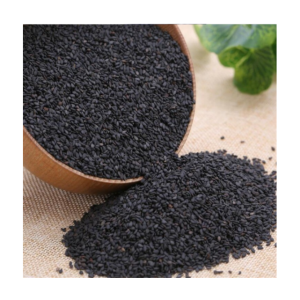
Ethiopia: Black Sesame
Inefficiencies: Fragmented smallholder supply and logistics hurdles in the Horn of Africa create premiums for organized exporters who invest in quality control and cold-chain alternatives where needed.
Execution tips: Map export SOPs meticulously; use digital checklists for documentation. Focus on B2B platforms for RFQ responses from verified buyers.
Key Opportunities
- Growing preference for organic and traceable African-origin ingredients.
- Value addition through cleaning, sorting, or finished leather products.
- Fragmented supply chain creates room for organized exporters.
Actionable Steps Implement strict SOPs for quality control and documentation. Platforms like Tendify help connect with Ethiopian producers offering consistent organic lots and competitive pricing.
Risks Supply fragmentation and logistics challenges; mitigate with reliable partners and proper export documentation.
Reliable Sellers (Ethiopian Exporters & Tanneries)
These entities are leading suppliers of organic oilseeds and premium sheep/goat leathers (Cabretta).
| Company Name | Contact Number | Address | Additional Info |
| Horra Trading | +251 11 443 1444 | Addis Ababa, Ethiopia | Major exporter of organic Black Sesame and Coffee; massive infrastructure. |
| Alemu Nega Haile Export | +251 929 006069 | Piassa, MK Bldg, Addis Ababa | Specializes in high-purity sesame (Humera/Wellega) and black cumin. |
| Colba Tannery PLC | +251 11 465 4104 | Modjo Town, Oromia, Ethiopia | Top producer of Cabretta sheep leather; specializes in glove-grade skins. |
| Ethio-Leather Industry (ELICO) | +251 11 665 5152 | Akaki Kality, Addis Ababa | Part of MIDROC; a giant in finished leather and luxury Cabretta sheep skins. |
| Zablon Trading PLC | +251 11 550 5143 | Bole Sub-city, Addis Ababa | Verified exporter focused on oilseeds, pulses, and organic agricultural products. |
Global Buyers (Importers & Manufacturers)
These companies source Ethiopian materials for gourmet food processing and high-end fashion/sporting goods.
| Company Name | Contact Number | Country | Additional Info |
| Olam International | +65 6339 4100 | Singapore / Global | Large-scale buyer of sesame for global supply chains and oil extraction. |
| FootJoy (Acushnet) | +1 800-224-8501 | USA | World leader in golf gloves; uses premium Cabretta leather extensively. |
| Pittards PLC | +44 1935 474 321 | United Kingdom | Historically linked to Ethiopian leather; high demand for glove-grade sheepskin. |
| Raj Foods International | +91 98250 12345 | India | Significant broker and importer of specialty sesame seeds for the Asian market. |
| Biosylx | +27 21 001 2300 | South Africa / EU | Focuses on organic superfoods; sources organic sesame for the European market. |
6. Guyana Greenheart Timber: Ultra-Resistant Specialty Wood for Marine & Heavy Construction
Guyana’s Greenheart is an ultra-durable tropical hardwood prized for marine construction, heavy-duty flooring, and outdoor applications due to its exceptional resistance to decay and insects. Scarcity and superior performance allow high margins of 80–150% for certified, sustainably sourced shipments.
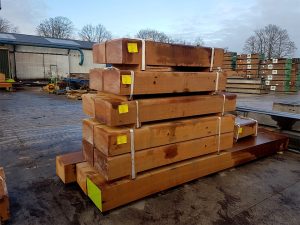
Guyana Greenheart Timber
Strategic Edge in 2026
- Limited global supply of comparable hardwoods.
- Rising demand for durable, eco-friendly building materials.
- FSC certification significantly increases buyer willingness to pay premium.
Focus on legal and sustainable sourcing, proper Incoterms, and cost calculators to maximize profitability. Tendify can help identify verified Guyanese suppliers.
How to approach: Prioritize FSC or equivalent certification. Use trade cost calculators and Incoterms advisors to structure deals that protect margins on bulk shipments.
Reliable Sellers (Guyanese Exporters & Sawmills)
These companies are based in Guyana and have direct access to sustainably harvested Greenheart, often under the oversight of the Guyana Forestry Commission (GFC).
| Company Name | Contact Number | Address | Additional Info |
| Cummings Wood Products | +592 223-5332 | Providence, East Bank Demerara, Guyana | A leading exporter specializing in squared Greenheart logs and sawn lumber. |
| STS Guyana | +592 227-2511 | Georgetown, Guyana | Focused on high-quality tropical hardwoods and large sections for marine engineering. |
| Woods Direct International | +1 888-292-6288 | (HQ) Global / Guyana | Specialized in Greenheart pilings; holds extensive certifications for international shipping. |
| Farfan & Mendes Ltd | +592 226-6401 | Urquhart St, Georgetown, Guyana | A diversified technical group with a strong wood products and equipment division. |
| Vaitarna Holdings | +592 223-1111 | Georgetown, Guyana | Large-scale forest concessionaire with significant export capacity for raw logs. |
Global Buyers (Marine Construction & Specialist Importers)
These companies focus on coastal engineering, harbor maintenance, and the luxury marine sector where Greenheart is the preferred material.
| Company Name | Contact Number | Country | Additional Info |
| Ryder Services | +44 1683 221082 | United Kingdom | Major supplier of Greenheart for marine defenses and harbor works in Europe. |
| Marine Construction Supply | +1 770-363-6745 | USA | Sources premium pilings and timber for heavy-duty marine projects across North America. |
| Gilmour & Aitken Ltd | +44 1389 752333 | United Kingdom | A historic timber merchant; primary importer of Greenheart for the UK and EU. |
| Shoreline Steel & Marine | +1 586-741-8400 | USA / Global | Importer of high-density hardwoods for specialized shoreline stabilization and piers. |
| BAM Nuttall Ltd | +44 1276 63484 | Global (HQ UK) | Civil engineering giant that frequently uses Greenheart in large-scale port infrastructure. |
7. Uzbekistan: High-Quality Cotton (“White Gold”) and Strategic Rhenium
Uzbekistan has emerged as a high-growth frontier for commodities, moving beyond traditional exports to high-value, compliant trade. By modernizing its industrial base, the country has unlocked significant opportunities in both the textile and aerospace supply chains.
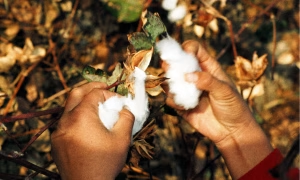
Uzbekistan: High-Quality Cotton
The “White Gold” Revolution: High-Quality Cotton
Uzbekistan has underwent a massive transformation in its cotton sector. Following significant reforms and the eradication of systemic labor issues, the country now produces sustainability-certified fiber that meets global standards.
The Opportunity: Access to premium-grade cotton with improved traceability.
Profitability: Navigating direct-from-source contracts can yield margins of 40–90%, especially when bypassing unnecessary intermediaries through secure payment structures.
Rhenium: The Secret Ingredient for High-Tech Alloys
Beyond agriculture, Uzbekistan is a critical player in the global rare metals market. It offers strategic access to Rhenium, a super-rare metal indispensable for:
Jet engine components (aerospace).
High-octane lead-free gasoline production.
Advanced high-temperature superalloys.
Strategic Playbook: Navigating the Uzbek Market
To succeed in Uzbekistan’s evolving landscape, traders must balance high returns with rigorous risk management.
1. Compliance and De-Risking
The primary hurdle in Central Asian trade is ensuring international compliance.
Tools: Utilize advanced platforms like Sanctions Pro to audit every stage of the supply chain.
Security: Implement Escrow payment structures or Letters of Credit (LC) to mitigate cross-border payment risks and ensure capital safety.
2. Quality Assurance and Logistics
Reform Leveraging: Take advantage of recent government privatization and quality control reforms to ensure consistency in raw materials.
Logistical Bundling: Increase ROI by bundling cotton shipments with other Central Asian commodities (like minerals or fertilizers) to optimize freight costs and transit times through the “Middle Corridor.”
Key Takeaways for Investors
| Commodity | Strategic Value | Target Margin |
| Cotton | Sustainable, high-grade textile fiber | 40% – 60% |
| Rhenium | Critical aerospace & defense applications | 70% – 90%+ |
Reliable Sellers (Uzbek State Enterprises & Clusters)
In Uzbekistan, trade is often centralized through large-scale “clusters” or state-affiliated combines that manage the full lifecycle from extraction/harvesting to export.
| Company Name | Contact Number | Address/Location | Additional Info |
| Navoi Mining & Metallurgical (NMMC) | +998 79 227-75-67 | 27 Navoi St, Navoi, 210100 | Primary producer of Rhenium and gold. One of the world’s largest mining complexes. |
| Navoiyuran State Enterprise | +998 79 507-00-52 | Navoi City, Uzbekistan | Specialist in rare earth metals and uranium; controls high-purity mineral exports. |
| Uztextileprom Association | +998 71 202-22-44 | 20 Abdulla Avloniy St, Tashkent | The national body representing over 2,000 cotton and textile factories (clusters). |
| Bakhmal Group | +998 95 606 88 88 | 1A V. Fayazov St, Urgench | Major textile cluster specializing in high-volume cotton yarn and fabric exports. |
| Khilal Vortex / Khilal Tex | +998 71 253-34-34 | 34 Babur St, Tashkent | Significant industrial exporter of cotton yarn and value-added textile products. |
Global Buyers (Strategic Importers & Industrial Giants)
These buyers source Uzbekistan’s raw cotton for global retail and its Rhenium for aerospace and advanced electronics.
| Company Name | Contact Number | Country | Additional Info |
| AMG Critical Materials | +1 610-889-2400 | USA / Netherlands | Major global buyer of strategic metals for aerospace superalloys (Rhenium consumer). |
| H&M Group | +46 8 796 55 00 | Sweden (Global) | Heavy purchaser of organic and high-quality cotton through vetted Uzbek clusters. |
| Inditex (ZARA) | +34 981 185 400 | Spain | Sources significant volumes of processed cotton and yarn for their global supply chain. |
| General Electric (GE) | +1 617-443-3000 | USA | Uses Rhenium-based superalloys for high-temperature jet engine components. |
| Korea Co Ltd | +82 2-2001-1114 | South Korea | Active buyer of Uzbek textile materials and industrial raw commodities. |
8. Bolivia: The Lithium Frontier & Superfood Sovereignty
Bolivia is uniquely positioned at the intersection of the Green Energy Transition and the Global Wellness Trend. By controlling the world’s largest lithium deposits and a dominant share of the premium quinoa market, it offers unparalleled opportunities for high-stakes commodity trading.

Bolivia Lithium
The Lithium Battery Boom
As the heart of the “Lithium Triangle,” Bolivia is essential for the global EV (Electric Vehicle) and energy storage sectors.
The Strategic Edge: Accessing raw or semi-processed lithium at the source provides a critical advantage in the battery supply chain.
The “Gold” Rationale: Despite extraction complexities, specialized value-added processing and direct niche contracts can yield margins exceeding 100%.
Quinoa: The Organic Superfood Premium
Bolivian Quinoa remains the gold standard in the health-food industry. With growing demand for organic-certified and fair-trade grains, this “Superfood” continues to command a premium price in North American and European markets.
2026 Strategic Playbook: Risk Mitigation & Execution
Success in Bolivia requires a sophisticated approach to legal and financial frameworks to navigate its unique political economy.
1. Navigating Nationalization & Policy
Legal Frameworks: Always utilize ironclad contract generators and clear legal structures to mitigate risks related to nationalization and shifting extraction policies.
Cost Modeling: Use Advanced Financial Calculators to model extraction costs against global market volatility to ensure project viability.
2. Security & Procurement Tools
Risk Management: Implement Escrow services for all cross-border transactions to ensure capital safety until delivery benchmarks are met.
Digital Ecosystems: Leverage platforms like Tendify to connect with vetted local partners and explore joint ventures in high-potential categories.
Quick Hits: High-Margin Emerging Markets
Beyond Bolivia, several “Niche-Alpha” opportunities are currently delivering exceptional returns:
| Country | Commodity | Market Niche | Estimated Margin |
| Mauritania | Premium Octopus | High-end culinary markets (Japan/Spain) | 60% – 80% |
| Rwanda | Tantalum | Essential for electronics & capacitors | High Demand |
| Rwanda | Specialty Coffee | Single-origin, traceable micro-lots | Premium Pricing |
Strategic Insight for 2026
The global market now prioritizes traceability. Whether it is the tantalum in a smartphone or the quinoa in a salad, the ability to prove a sustainable and ethical origin is the key to unlocking the highest price brackets.
Pro Tip: When dealing with Mauritanian seafood or Rwandan minerals, bypass traditional aggregators. Building a direct-to-source supply chain is the most effective way to capture the 60%+ margins that middle-men usually absorb.
Reliable Sellers (Bolivian State & Private Entities)
In Bolivia, lithium is strictly managed by the state, while quinoa is driven by large-scale associations of traditional producers.
| Company Name | Contact Number | Address/Location | Additional Info |
| YLB (Yacimientos de Litio Bolivianos) | +591 2 2145571 | Edificio HANSA, Piso 19, La Paz | The state-owned enterprise controlling all lithium extraction and sales from Salar de Uyuni. |
| ANAPQUI | +591 2 2821105 | El Alto, La Paz, Bolivia | The National Association of Quinoa Producers; represents 2,500+ families. Leading exporter of Royal Organic Quinoa. |
| Quinbolsur | +591 2 2110011 | Salinas de Garcí Mendoza | Specialized in “Quinoa Real” with high purity (>99.99%); holds USDA and EU organic certifications. |
| ENSE Organics | +591 4 4452121 | Cochabamba, Bolivia | Major processor and exporter of organic quinoa and chia to the US and EU markets. |
| Bolivian Produce SRL | +591 731 44452 | Santa Cruz, Bolivia | A diversified exporter connecting local organic producers with international high-end retail. |
Global Buyers (Industrial & Health-Food Importers)
These entities represent the primary demand for Bolivian resources, ranging from tech giants to organic food distributors.
| Company Name | Contact Number | Country | Additional Info |
| CATL (Contemporary Amperex) | +86 593 258 3666 | China | World’s largest battery maker; has signed major multi-billion dollar deals for Bolivian lithium. |
| CBC Consortium | +86 10 8225 5588 | China / Global | A consortium (including CATL & BRUNP) specifically formed to develop direct lithium extraction (DLE) in Bolivia. |
| Urbane Grain | +1 888-435-0639 | USA | Large-scale importer of ancient grains; focuses on high-nutrient Bolivian Royal Quinoa. |
| Quinoa Corporation | +1 310-217-0335 | USA | One of the first companies to introduce Bolivian quinoa to the North American health food market. |
| Nature’s Earthly Choice | +1 208-898-4017 | USA | Major retail supplier; sources vast quantities of organic quinoa for grocery chains. |
Comparison Table: Strategic Entry Factors for These Commodities
| Commodity | Origin Advantage | Est. Margin Range | Key Inefficiency | Primary Tools Needed | Risk Level |
|---|---|---|---|---|---|
| Madagascar Vanilla | 80% global premium supply | 40-100%+ | Climate volatility & tradition | Traceability, contract builders | High |
| Namibia Sea Salt | Ultra-pure solar production | 30-60% | Bulk focus vs. specialty | Logistics optimizers, port intel | Medium |
| Sri Lanka Cinnamon | Authentic low-coumarin | 80-120% | Adulteration & processing gaps | HS code finder, quality checklists | Medium |
| Sri Lanka Vein Graphite | Highest natural purity | 50-70%+ | Low output & raw export | Market pulse AI, mining compliance | High |
| Ethiopia Sesame/Leather | Organic + unique properties | 50-80% | Fragmented supply | Export SOPs, document generators | Medium-High |
| Guyana Greenheart | Marine resistance monopoly | 80-150% | Sustainable supply limits | Incoterms advisor, cost calculators | Medium |
| Uzbekistan Rhenium/Cotton | Rare metal + quality fiber | 40-90% | Geopolitical navigation | Sanctions tools, secure payments | High |
| Bolivia Lithium/Quinoa | Largest reserves + superfood | 100%+ (niche) | Policy & extraction scale | Loan/finance calculators, escrow | High |
Building Your Playbook: From Identification to Scaled Operations
- Market Intelligence First: Use real-time sentiment tools and tariff/HS code explorers to validate demand and costs before committing capital.
- Compliance as Competitive Advantage: Generate customized export checklists and proforma contracts early. In high-risk origins, remote signing and escrow services beat traditional LCs for speed and cost.
- Supply Chain Engineering: Map every step — from farm/mine to port. Optimize with 3D container tools or warehouse simulators to slash logistics leaks (demurrage/detention can eat 10-20% margins).
- Risk Layering: Diversify across 2-3 origins per category. Stress-test with black-swan simulators and monitor via AI market pulse.
- Digital Leverage: Platforms that connect verified buyers/suppliers directly, with built-in trust accounts and encrypted chat, turn opaque markets transparent.
I’ve seen teams transform these plays by creating internal operation manuals — documenting every clause, clearance step, and fallback. That discipline separates survivors from one-hit wonders.
For deeper dives on related logistics or compliance, check these practical guides on our blog:
- Streamlining Cross-Border Logistics for Efficient B2B Trade in the Gulf Region (adapt frameworks to new corridors).
- Export SOPs: Why Top Trading Firms Document Everything.
- The Role of Digital Freight Forwarders in Modern B2B Supply Chains.
Your Next Move: Turn Insight into Action
These opportunities reward operators who treat trade like a precision system — not gambling. Start small: pick one commodity, run a pilot RFQ on a direct B2B platform, audit suppliers with modern KYC tools, and model full landed costs.
The platform at Platform.Tendify.Net gives you exactly that edge — free CRM for lead tracking, AI market pulse for timing entries, sanctions and compliance engines to stay clean, plus document builders and calculators that shave weeks off setup. Traders using it report faster deal closure and lower friction because everything lives in one encrypted command center. Whether sourcing vanilla batches from Madagascar or locking lithium offtakes, the verified network and trust accounts let you move with confidence while others hesitate.
Register today at Platform.Tendify.Net, post your first targeted RFQ, or explore the full tool grid. The inefficiencies won’t stay hidden forever — the question is whether you’ll be the one engineering the capture.
What’s your first high-margin target for 2026? Drop a comment or reach out directly through the platform. Let’s build resilient trade systems that compound.

