Blog
Exporting to UAE: How to Sell Fruits, Machinery & Construction Materials
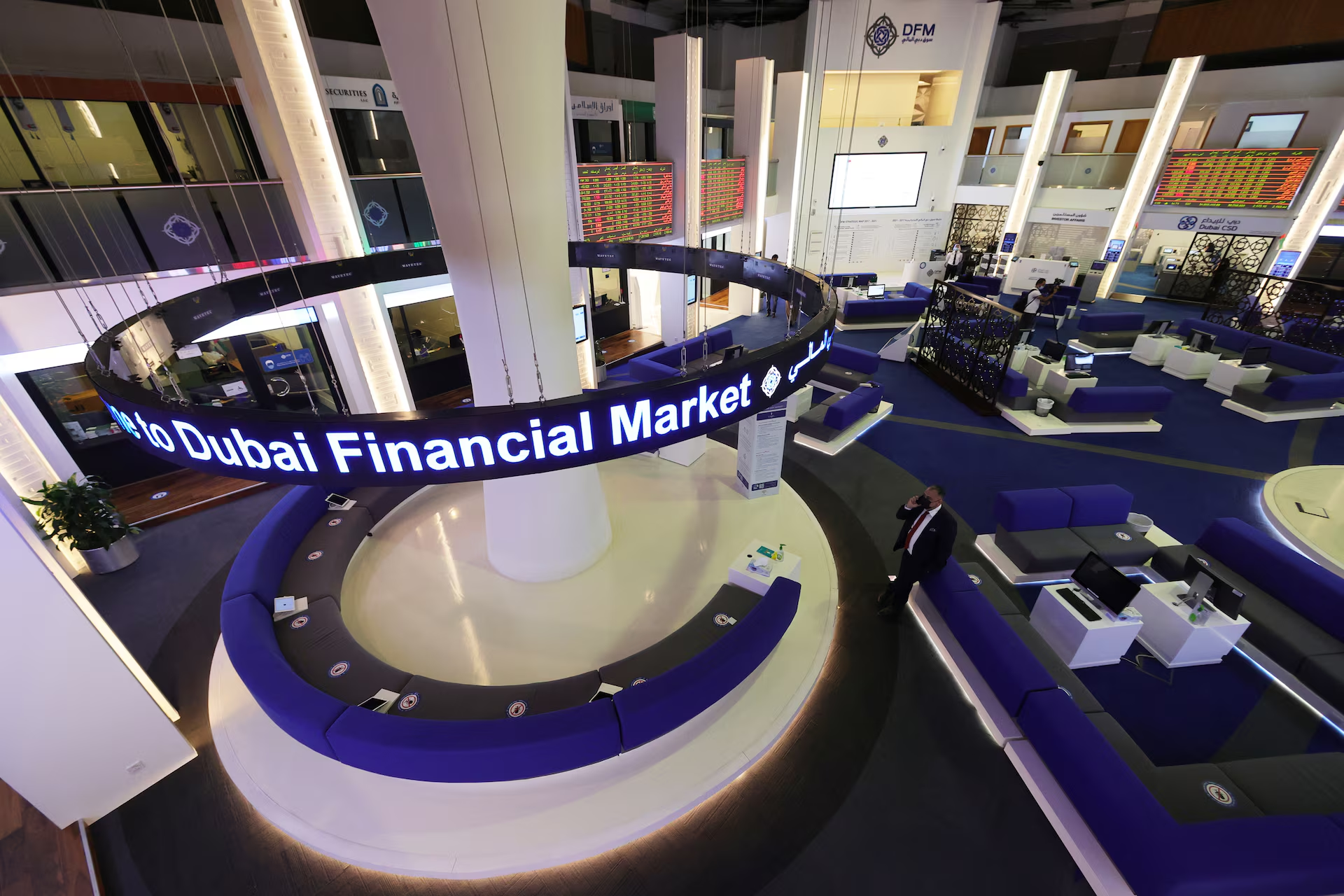
– Opportunities, Demand, and SWOT Insights for 2025 and Beyond
Over my decades in global trade, routing goods through the UAE has been one of the most rewarding strategies I’ve pursued. The Emirates isn’t just a transit point—it’s a thriving market in its own right, with booming domestic demand fueled by population growth, massive infrastructure projects, and a diverse expatriate community. In 2024, the UAE’s non-oil foreign trade hit record highs, surpassing AED 3 trillion, while total imports reached around $470 billion. For specialized products like dried fruits and nuts, construction materials, and machinery, the opportunities are immense. Domestic consumption is strong, but the real edge comes from re-exporting to high-growth regions in Africa, Asia, and the CIS countries.

UAE international Market
If you’re in these sectors, the UAE offers low barriers, duty-free zones, and logistics that cut costs dramatically. I’ve seen businesses double margins by importing here and redistributing efficiently. This guide dives deep into market analysis, import statistics, internal demand drivers, and detailed SWOT analyses for each category. By the end, you’ll see why now is the prime time to position yourself.
🫱🏽🫲🏼 Tendify’s Ground Reality: Navigating UAE Customs
Based on our direct operations at Jebel Ali Port and Dubai Airport Freezone (DAFZA), we’ve observed that the shift toward the Bayyan 2.0 system has significantly reduced clearance times for heavy machinery. However, fruit exporters still face challenges with biosecurity certifications. Our team in Dubai recommends pre-clearing documents at least 48 hours before the vessel berths to avoid costly demurrage fees.
Why the UAE is a Goldmine for Specialized Imports in 2025
The UAE’s economy grew 4% in 2024 to AED 1.776 trillion, with non-oil sectors contributing over 75%. Projections for 2025 show continued expansion at around 4.8-5%, driven by diversification away from oil.
Key drivers:
- Population surge to over 10 million, mostly expatriates demanding premium foods and quality goods.
- Mega-projects: Dubai’s urban master plans, Abu Dhabi’s Vision 2030, and renewable energy initiatives requiring vast materials and equipment.
- Re-export hub status: Jebel Ali Port handles massive volumes, facilitating quick turnaround to emerging markets.
Guide to the UAE Market for Specialized Products
Non-oil trade in the first half of 2025 alone reached AED 1.7 trillion, up 24% year-on-year. Imports of consumer-oriented foods hit $13.6 billion in recent years, while construction spending is projected to grow steadily.
For deeper context, explore our Complete 2026–2027 UAE Import Mastery Manual or the Ultimate Guide to Re-Exporting from Dubai.
Deep Dive into the Dried Fruits and Nuts Market in the UAE
Dried fruits and nuts are staples in the UAE, blending cultural traditions with modern health trends. The market thrives on imports—around 90% of food is imported—due to limited local production.
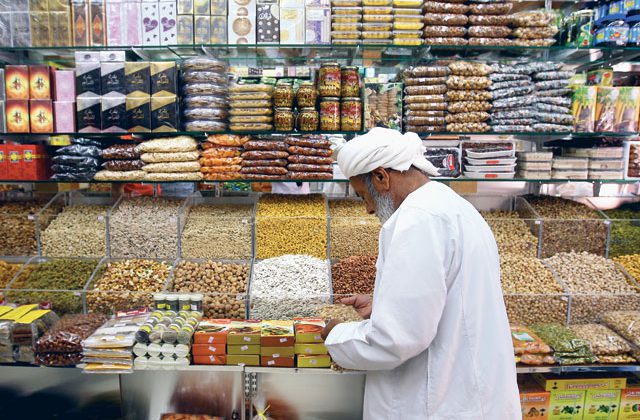
Dried Fruits and Nuts Market in the UAE
Import Statistics and Trends:
In 2022-2023, dried fruits imports were approximately $24.6 million, with tree nuts reaching $597 million from global sources. Tropical dried fruits like dates, figs, and others saw imports around $365-400 million annually.
Top sources: Turkey, India, Thailand, Pakistan, and the U.S. (especially almonds and pistachios).
Growth: Demand for healthy snacks is surging, with U.S. exports of tree nuts and processed foods hitting records. Overall consumer-oriented imports: $13.6 billion.
Domestic Demand Drivers:
- Health consciousness: Post-pandemic shift to nutrient-rich foods; nuts as protein sources.
- Expatriate influence: Diverse population craves familiar products—Indian dates, Turkish apricots.
- Hospitality and retail: Tourism boom (millions of visitors) boosts hotel and supermarket sales.
- Retail channels: Hypermarkets like Carrefour stock premium lines.
Projections for 2025: Continued double-digit growth in premium and organic segments.
Re-Export Potential:
The UAE re-exports significantly to Africa (e.g., Nigeria, Kenya for bulk nuts), Asia (India, Southeast for processed), and CIS (construction-linked demand for snacks).
Logistics & Packaging Standards for UAE
To succeed in the Dubai Central Fruit and Vegetable Market (Al Aweer), packaging is as vital as quality. For high-demand items like kiwi or citrus, ensuring a “Cool Chain” integrity is non-negotiable.
- Temperature Control: Maintain 0°C to 2°C for apples/kiwis and 8°C to 10°C for tropical fruits.
- Documentation: You must provide an original Phytosanitary Certificate and a Certificate of Origin.
- Labelling: Labels must include the brand name, product type, net weight, country of origin, and expiry date in Arabic (mandatory for retail).
SWOT Analysis for Dried Fruits and Nuts in the UAE Market
Strengths:
- High per-capita consumption in a wealthy market.
- Duty-free imports in free zones reduce costs.
- Strong logistics for quick distribution.
- Cultural fit: Dates and nuts central to diets and gifting.
Weaknesses:
- Heavy reliance on imports exposes to global price volatility.
- Perishable nature requires robust cold chain.
- Competition from established suppliers like Turkey and India.
Opportunities:
- Rising demand for organic and premium varieties (e.g., U.S. almonds).
- E-commerce and health food trends.
- Re-export to underserved African and CIS markets.
- Partnerships with local processors for value-add.
Threats:
- Supply chain disruptions (e.g., weather in source countries).
- Increasing local production initiatives reducing import needs long-term.
- Regulatory changes on food safety and labeling.
From experience, focusing on quality certification and reliable supply chains turns weaknesses into strengths here.
Exploring the Construction Materials Market in the UAE
The UAE’s construction boom is legendary—think iconic skylines and endless projects. Materials like cement, steel, aggregates, and composites are in constant demand.
Construction Materials Market in the UAE
Import Statistics and Trends:
The construction materials market valued at USD 16.2 billion in 2024, projected to USD 20 billion by 2030 (CAGR 3.5-5%).
Heavy import reliance: Steel, cement additives, and specialized items from global sources.
Overall construction industry: AED 189+ billion in 2025, growing to higher figures.
Domestic Demand Drivers:
- Infrastructure mega-projects: Airports, roads, Expo legacies.
- Residential and commercial boom: Population growth demands housing.
- Sustainability push: Green materials for Net Zero 2050.
- Industrial zones: Warehouses and logistics parks.
2025 outlook: 5-6% industry growth, boosting materials demand.
Re-Export Potential:
Materials routed through UAE to Africa (booming cities), Asia (India’s infra), and CIS (energy projects).
The Poland Corridor: A Strategic Guide to Import-Export Opportunities
SWOT Analysis for Construction Materials in the UAE Market
Strengths:
- Massive ongoing projects ensure steady demand.
- Free zone benefits: Zero duties on imports/re-exports.
- Advanced ports for bulk handling.
- Government support for sustainable materials.
Weaknesses:
- Volatility in global commodity prices (steel, cement).
- Supply chain vulnerabilities from international sources.
- Labor and logistics costs in peak seasons.
Opportunities:
- Green building mandates: Demand for eco-friendly imports.
- Urban expansion plans (Dubai 2040).
- Re-export to high-growth neighbors.
- Tech-integrated materials (smart composites).
Threats:
- Economic slowdowns affecting project funding.
- Local manufacturing ramp-up reducing imports.
- Geopolitical tensions disrupting supplies.
I’ve navigated price swings by diversifying sources—it’s key to profitability.
The Machinery and Equipment Market Landscape in the UAE
Machinery covers construction equipment, industrial machines, and more—vital for the UAE’s ambitions.
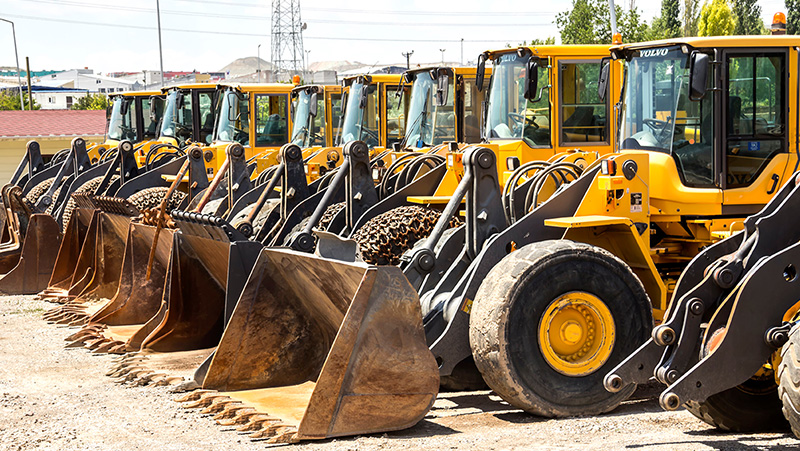
Machinery and Equipment Market in the UAE
Import Statistics and Trends:
Machinery imports significant, part of electrical/machinery category at $42-63 billion.
Construction equipment market: 20,400 units in 2023, growing to 28,500 by 2029 (CAGR 5.7%).
Heavy reliance on imports for advanced tech.
Domestic Demand Drivers:
- Construction surge: Excavators, cranes for projects.
- Industrial diversification: Manufacturing and logistics machinery.
- Renewable energy: Specialized equipment for solar/nuclear.
- Mining/quarrying: Earthmoving gear.
2025: Strong growth from infrastructure budgets.
Re-Export Potential:
Prime for Africa (mining), Asia (manufacturing), CIS (oil-related).
SWOT Analysis for Machinery in the UAE Market
Strengths:
- Hub for regional distribution.
- Tax advantages in free zones.
- Demand from diverse sectors.
- Established dealer networks.
Weaknesses:
- High capital costs for inventory.
- Dependency on foreign brands.
- Maintenance and parts logistics.
Opportunities:
- Electric and hydrogen machinery trends.
- Mega-projects requiring heavy equipment.
- Rental market growth.
- After-sales service bundles.
Threats:
- Global supply shortages.
- Competition from used equipment.
- Regulatory shifts on emissions.
Positioning with service contracts has been a game-changer in my dealings.
CARICOM Trade Guide: How to Profit in the Caribbean Single Market
Cross-Category Insights: Import Procedures, Challenges, and Strategies
To succeed in the UAE’s competitive landscape, businesses must move beyond basic logistics and adopt a multi-layered trade strategy. Here are the critical operational pillars:
1. Structural Optimization: The Free Zone Advantage
Duty-Free Ecosystems: Leverage specialized hubs like Jebel Ali Free Zone (JAFZA) or Dubai South to benefit from 100% foreign ownership and zero re-export duties.
Strategic Transshipment: Use these zones as regional redistribution centers to minimize overhead costs when targeting the wider GCC and MENA markets.
2. Digital Compliance: Navigating the Customs Frontier
Mirsal 2 & Bayyan 2.0 Integration: Ensure all documentation is processed through Dubai Customs’ Mirsal 2 system to streamline declaration approvals.
HS Code Precision: Rigorous verification of Harmonized System (HS) codes is mandatory to prevent costly misclassification penalties or shipment holds.
Regulatory Certifications: Compliance with ESMA (Emirates Authority for Standardization and Metrology) and MOIAT standards is non-negotiable, especially for technical machinery and food products.
3. Resilience Strategies: Overcoming Volatility and Competition
Market Volatility: Hedge against price fluctuations and supply chain disruptions by diversifying sourcing channels and maintaining “safety stock” within UAE warehouses.
Aggressive Competition: Differentiate through superior technical support and localized after-sales services, which are often the deciding factors for UAE-based B2B buyers.
Network Capital: Success in the GCC relies heavily on building robust local partnerships and engaging with trade corridors like the Economic Cooperation Organization (ECO) to optimize transit routes.
For related strategies, check our Ultimate 2026 Guide to UAE Free Zones.
🛡️ Risk Mitigation in UAE Trade
While the UAE is a safe haven for trade, B2B sellers must remain vigilant against Trade-Based Money Laundering (TBML) and payment defaults. At Tendify, we suggest:
Future Outlook: Why 2025-2030 is Prime Time
The upcoming five-year window is projected to be the most transformative period for the UAE’s commercial landscape. This bullish outlook is driven by several structural catalysts:
1. The CEPA Multiplier Effect
The rapid expansion of Comprehensive Economic Partnership Agreements (CEPA) is systematically dismantling trade barriers with high-growth economies. These deals are not just reducing tariffs but are creating frictionless corridors that simplify market entry for exporters in the machinery and agricultural sectors.
2. Diversification & Macro Stability
With the UAE’s non-oil GDP maintaining a robust growth trajectory of 5%+, the economy has successfully decoupled from hydrocarbon volatility. This stability provides a predictable environment for long-term B2B investments and large-scale construction projects.
3. The Re-export Powerhouse
The UAE is solidifying its status as the world’s premier re-export hub. We are seeing an unprecedented surge in cargo volumes destined for:
East & North Africa: Tapping into the continent’s emerging consumer markets.
Central Asia & CIS: Leveraging the ECO framework and North-South transit corridors to reach landlocked markets.
Southeast Asia: Acting as the primary logistics pivot between the West and the Pacific.
4. The Sustainability & Tech Mandate
The “Green Transition” is no longer optional. Sustainability mandates are creating massive demand for innovative engineering solutions, energy-efficient machinery, and smart logistics technologies. Businesses that align their offerings with the UAE’s Net Zero 2050 goals will gain a significant competitive edge.
Unlock Your UAE Trade Potential Today
The UAE market for dried fruits/nuts, construction materials, and machinery isn’t just viable—it’s transformative for scaling globally. I’ve built empires on these insights; now it’s your turn.
Ready to source verified suppliers, post requirements, or connect directly? Sign up for free on Tendify.net today. List products, find partners, and close deals securely. Your breakthrough in UAE trade starts here—register now and let’s grow together.