Blog
Bitumen 60/70 vs. 80/100: Which Grade is Right for Your Road Project?
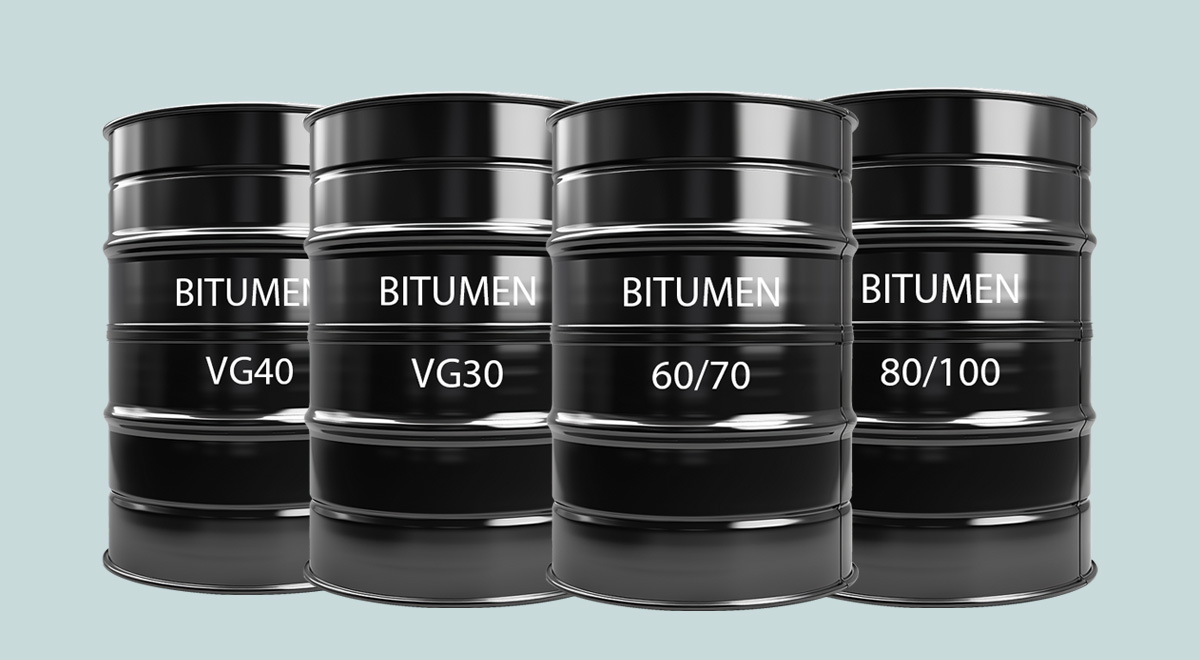
I’ve spent decades in the commodities trading and supply chain business, sourcing everything from raw materials to finished petrochemical products across continents. One question that comes up repeatedly from clients building infrastructure projects is the choice between penetration grade bitumen 60/70 and 80/100. These two grades dominate the global market, but picking the wrong one can lead to premature road failure, higher maintenance costs, or outright project delays.
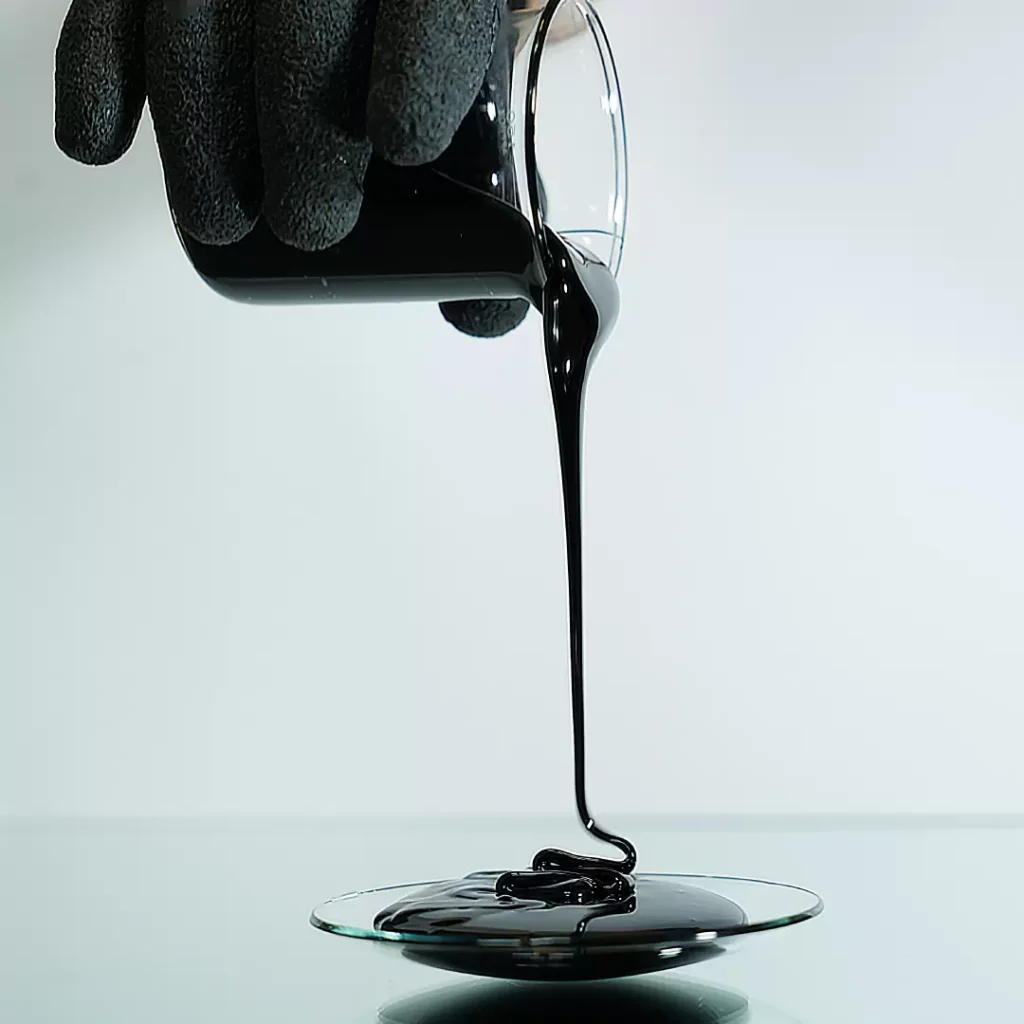
Bitumen 60-70
The reality is simple: bitumen 60/70 is harder and excels in hot, high-traffic environments, while 80/100 (sometimes labeled 85/100) is softer and performs better in cooler or moderate climates. I’ve seen projects in scorching regions suffer rutting with softer grades, and cold-weather pavements crack when harder ones were specified. Understanding the “why” behind these differences saves money and headaches.
Understanding Penetration Grading: The Foundation of Bitumen Performance
Penetration grading measures how far a standard needle sinks into bitumen under controlled conditions (100g load, 5 seconds, 25°C). The numbers represent this depth in tenths of a millimeter.
- Lower penetration = harder bitumen (e.g., 60/70: 60-70 dmm)
- Higher penetration = softer bitumen (e.g., 80/100: 80-100 dmm)
This test, standardized under ASTM D5 or EN 1426, directly correlates with real-world behavior. Harder grades resist deformation under heat and heavy loads because their molecular structure holds firm longer at high temperatures. Softer grades flow more easily during mixing and compaction but remain flexible when temperatures drop, preventing thermal cracking.
In my experience, ignoring this basic principle is the root cause of most bitumen-related failures I’ve investigated over the years.
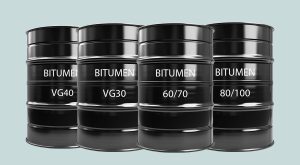
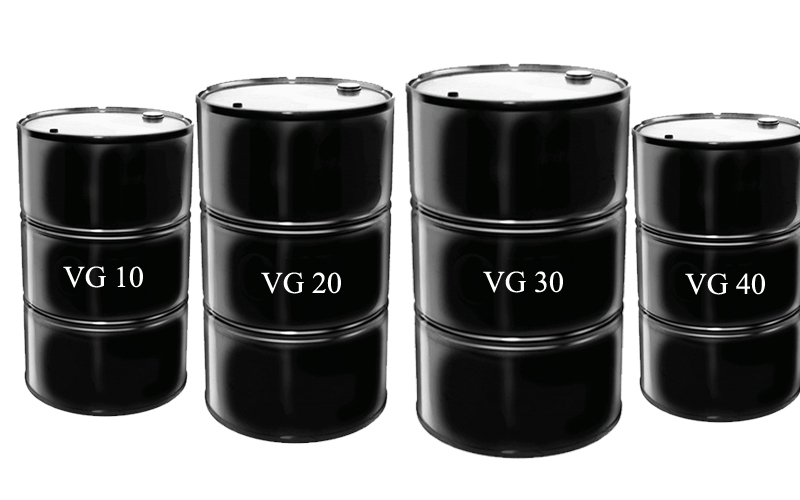
Bitumen 60-70 vs 80-100
Standard Specifications Comparison
Here’s a side-by-side look at typical properties based on ASTM D946 and EN 12591 standards:
| Property | Bitumen 60/70 | Bitumen 80/100 | Why It Matters |
|---|---|---|---|
| Penetration at 25°C (dmm) | 60-70 | 80-100 | Core hardness indicator |
| Softening Point (°C) | 49-56 | 45-52 | Resistance to softening in heat |
| Ductility at 25°C (cm) | >100 | >100 | Flexibility and cohesion |
| Flash Point (°C) | ≥250 | ≥232 | Safety during handling |
| Viscosity at 60°C (Poise) | Higher | Lower | Flow and workability |
Performance in Different Climates: Why Climate Dictates the Grade
Climate is the single biggest factor in grade selection. Roads aren’t static—they expand, contract, and bear loads under varying weather.
Hot Climates (Above 40°C Average Summers)
- Preferred Grade: 60/70
- Reasons:
- Superior resistance to permanent deformation (rutting) under heavy traffic.
- Higher viscosity prevents bleeding and shoving in extreme heat.
- Real-world insight: In regions with intense sunlight and high axle loads, softer grades like 80/100 can soften excessively, leading to wheel path depressions. I’ve sourced 60/70 for major highway projects where contractors reported 30-40% less rutting compared to previous softer-grade trials.
Moderate to Cold Climates (Below 20°C Winters)
- Preferred Grade: 80/100
- Reasons:
- Greater flexibility reduces low-temperature cracking.
- Easier workability during colder mixing and laying seasons.
- Observation from the field: In areas with freeze-thaw cycles, harder grades become brittle, forming transverse cracks that allow water ingress and accelerate pavement deterioration.
Studies from sources like the Asphalt Institute confirm this: pavements in hot zones using 60/70 show significantly less rutting than those with 85/100 equivalents.
Applications and Market Suitability
Both grades primarily go into hot-mix asphalt (HMA) for road construction, but their sweet spots differ.
Common Applications for Bitumen 60/70
- Heavy-duty highways and airports
- Base and wearing courses in high-traffic areas
- Industrial pavements and overlays
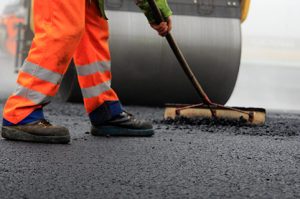
Common Applications for Bitumen 60/70
Common Applications for Bitumen 80/100
- Secondary roads and urban streets
- Surface dressing and chip seals
- Cold-region overlays or repairs
Pro Tip: For mixed climates, polymer-modified versions of either grade can bridge the gap, but straight penetration grades remain the cost-effective baseline.

Common Applications for Bitumen 80/100
Regional Market Preferences
Global demand patterns reflect climate realities:
- Asia-Pacific (e.g., India, Southeast Asia): Massive infrastructure growth drives huge volumes. 60/70 dominates for highways in hotter zones, while 80/100 sees use in northern or hilly areas.
- Middle East & Gulf: Predominantly 60/70 due to extreme heat and heavy transport corridors.
- Africa: Varied—60/70 in equatorial/high-traffic zones; 80/100 in cooler highlands or seasonal projects.
- Europe: Mix of both, with stricter EN standards favoring performance-graded equivalents, but penetration grades still common in southern vs. northern countries.
Asia-Pacific alone accounts for over 38% of global consumption, per recent industry reports, with road expansion fueling steady growth.
For deeper insights on navigating imports to high-growth markets like India, check our guide on The Ultimate Guide to Navigating Bitumen Imports to India. And if you’re exporting, don’t miss tips on container handling in The Ultimate Guide to Avoiding Cleaning Fees and Container Disputes When Exporting Bitumen 60/70.
How to Choose the Right Grade: A Practical Step-by-Step Framework
Over the years, I’ve developed this straightforward process for clients:
- Assess Climate Data: Review historical high/low temperatures and rainfall patterns for the project site.
- Evaluate Traffic Load: Heavy trucks? Go harder (60/70). Light vehicles? 80/100 suffices.
- Check Local Standards: Some countries mandate specific grades or performance equivalents.
- Test Samples: Always request certified lab reports matching ASTM/EN specs.
- Factor Logistics: Availability and pricing fluctuate—60/70 often commands a slight premium in hot-season demand peaks.
- Consider Long-Term Costs: Cheaper upfront softer grade can mean expensive repairs later.
This approach has helped numerous projects avoid costly mistakes.
Final Thoughts: Making the Smart Choice
Bitumen 60/70 and 80/100 aren’t interchangeable—each shines where conditions match its inherent properties. Get the grade right, and your pavement lasts decades with minimal intervention. Get it wrong, and you’re looking at accelerated wear, safety issues, and budget overruns.
If you’re sourcing bitumen for an upcoming project or expanding your supply chain, our platform connects you directly with verified suppliers offering both grades at competitive real-time pricing. Register today on Tendify.net to post your RFQ, receive quotes, and secure trusted deals—no middlemen, just efficient global trade.
Ready to move forward? Sign up now and let’s get your next shipment sorted.