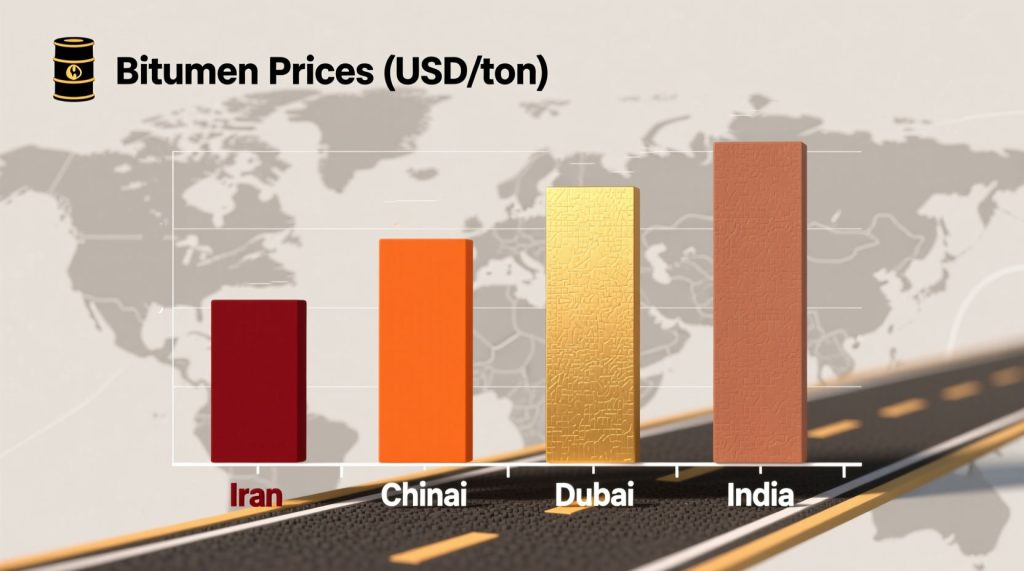
Blog
Avoid Costly Cleaning Fees: The Pro Guide to Bitumen 60/70 Container Logistics
I’ve been in the commodities trading game for over two decades, moving everything from petrochemicals to construction materials across oceans and borders. One thing I’ve learned the hard way—and thankfully, taught others to avoid—is how quickly a smooth export deal can turn into a headache over unexpected charges.
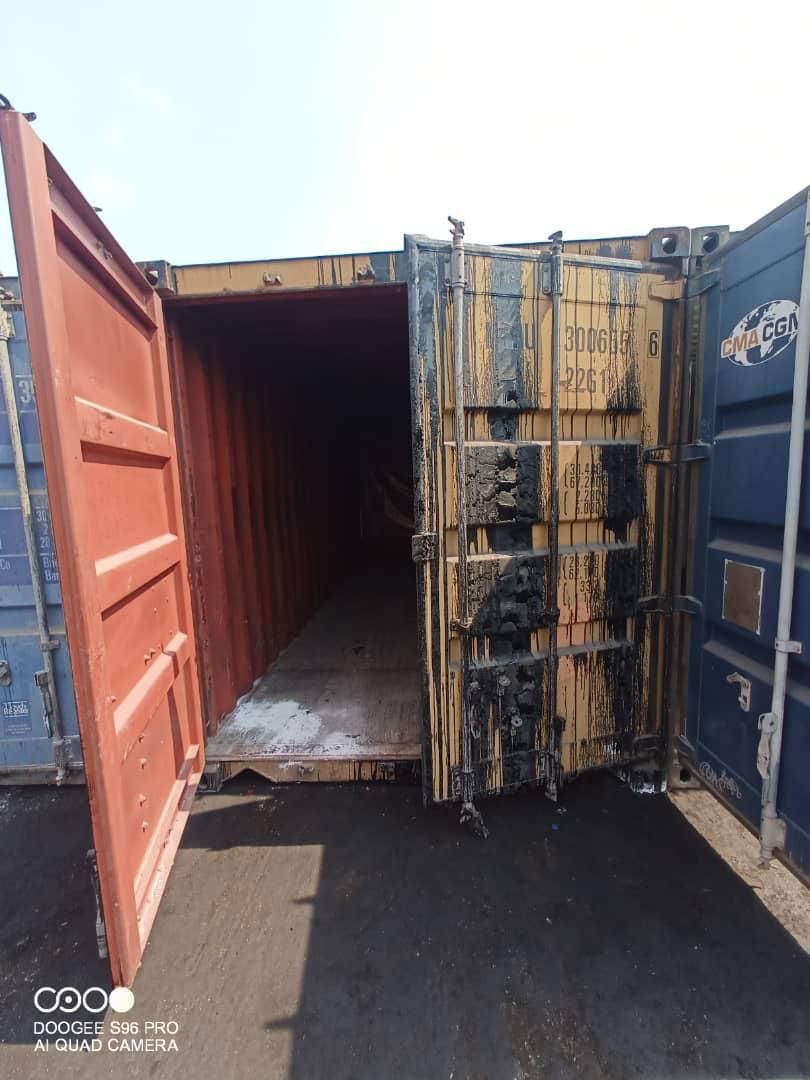
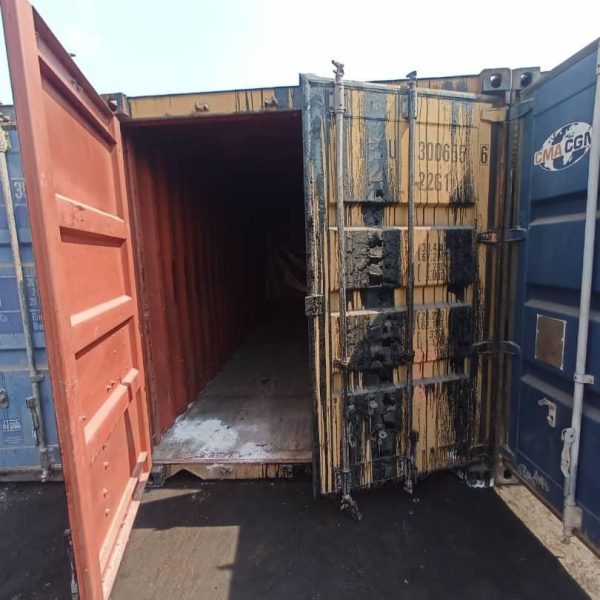
Take a recent shipment I handled: 50 containers carrying 1,000 tons of high-quality bitumen 60/70 headed to Malaysia. At destination, the shipping line hit us with a hefty cleaning fee claim. But with solid documentation from the loading point—photos, inspection reports, and timestamps—we proved the containers had pre-existing damage. The fee was waived entirely. That experience saved thousands and reinforced a core lesson: proper documentation isn’t optional; it’s your best defense against unnecessary costs.
Avoiding Cleaning Fees and Container Disputes When Exporting Bitumen 60-70
In this comprehensive guide, we’ll dive deep into exporting penetration grade bitumen 60/70, focusing on the pitfalls that lead to container cleaning fees, disputes over damage, and how to sidestep them. Whether you’re a seasoned exporter or scaling up your operations, these actionable strategies will protect your margins and build stronger partnerships.
Pro Experience: The Temperature-Leakage Correlation
One of the most overlooked factors in Bitumen 60/70 logistics is the ambient temperature during transshipment. In hubs like Jebel Ali or Bandar Abbas, temperatures can soar, causing the bitumen to expand and leak through micro-tears in liner bags.
- Insight: Always ensure a 10-15 cm “Expansion Gap” is left at the top of the drums or jumbo bags.
- Risk Mitigation: Use triple-layered heat-resistant liners for shipments passing through the Persian Gulf during summer months.
Iraq Customs Clearance 2026: Tariffs & Oilfield Regulations
Understanding Bitumen 60/70: The Gold Standard for Road Construction Exports
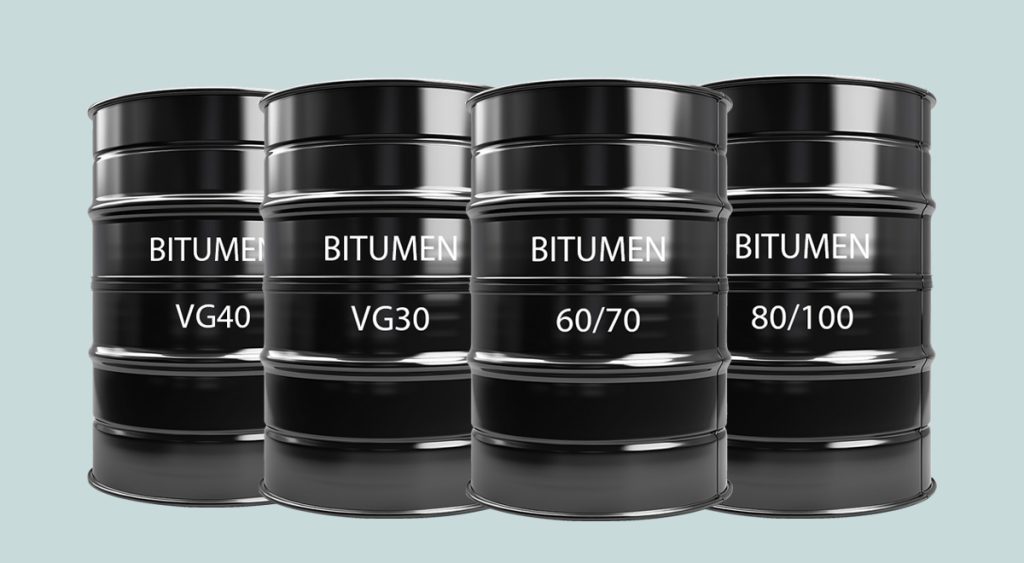
Bitumen 60/70—also known as penetration grade 60/70—is the workhorse of the asphalt industry. It’s a semi-hard bitumen produced by aerating vacuum bottom residue in refineries, with a penetration value between 60 and 70 mm at 25°C. This grade strikes the perfect balance: firm enough for durability in hot climates, yet flexible for road bases and wearing courses.
Why is it so popular for exports, especially to markets like Southeast Asia?
- Versatile performance: Excels in hot mix asphalt for highways, airports, and urban roads.
- Temperature resilience: Softens at high temps for easy application, hardens in cooler conditions for longevity.
- Global demand driver: According to industry reports, penetration grades like 60/70 account for over 70% of paving bitumen used worldwide, with strong uptake in infrastructure-heavy regions.
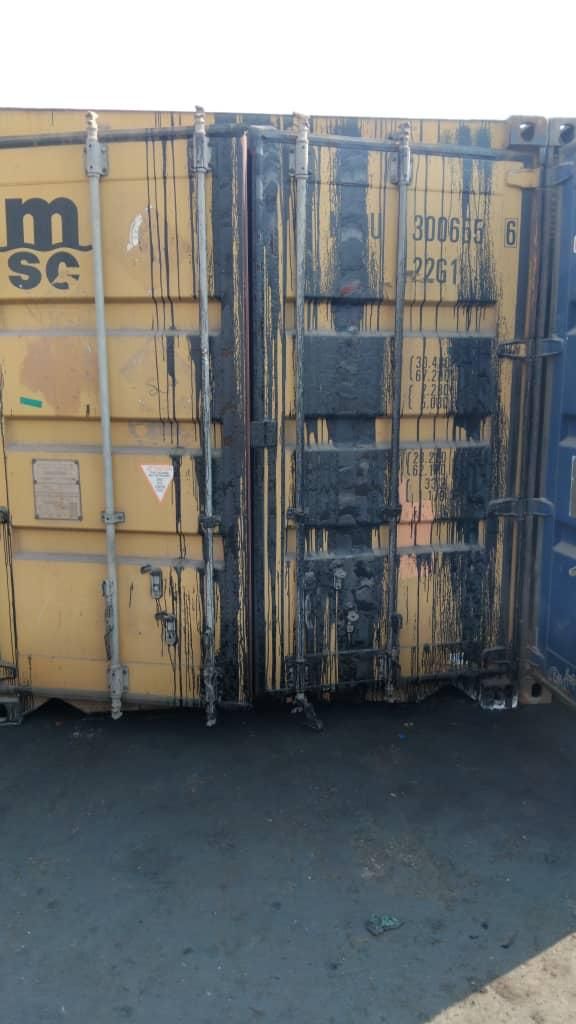
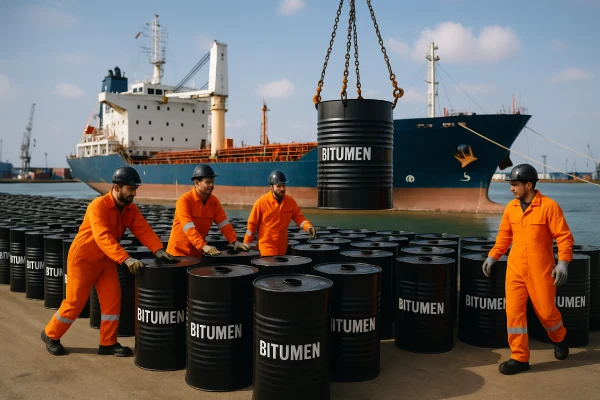
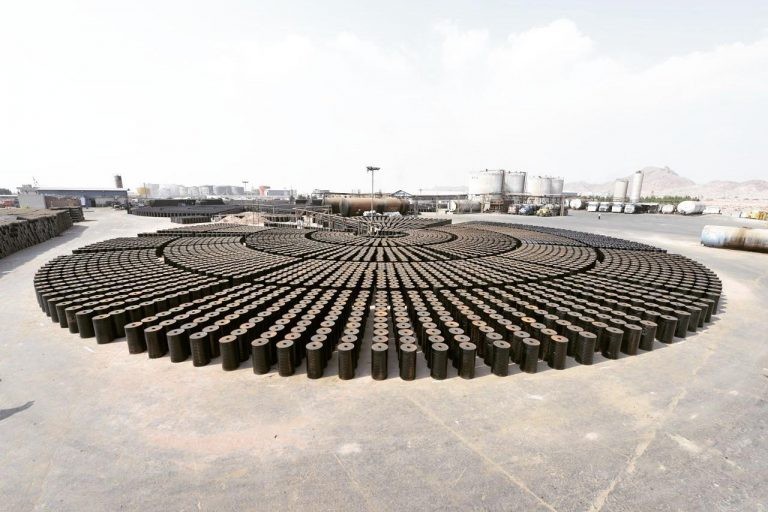
50 containers 1,000 MT of Bitumen 60-70 to Malaysia
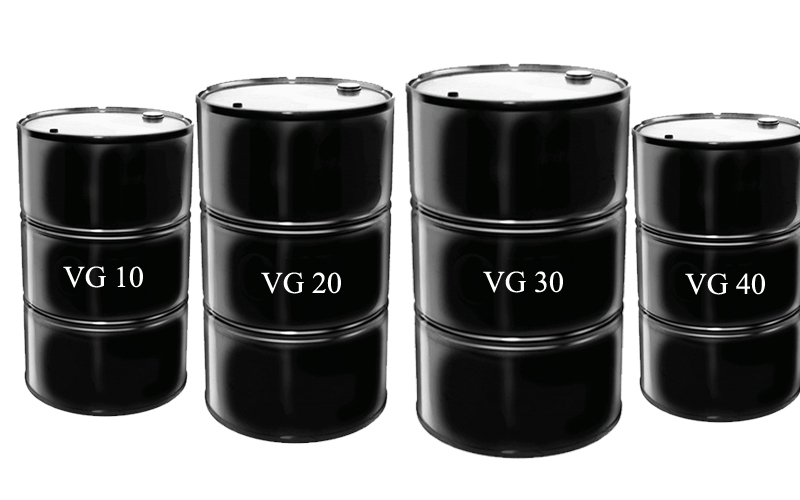
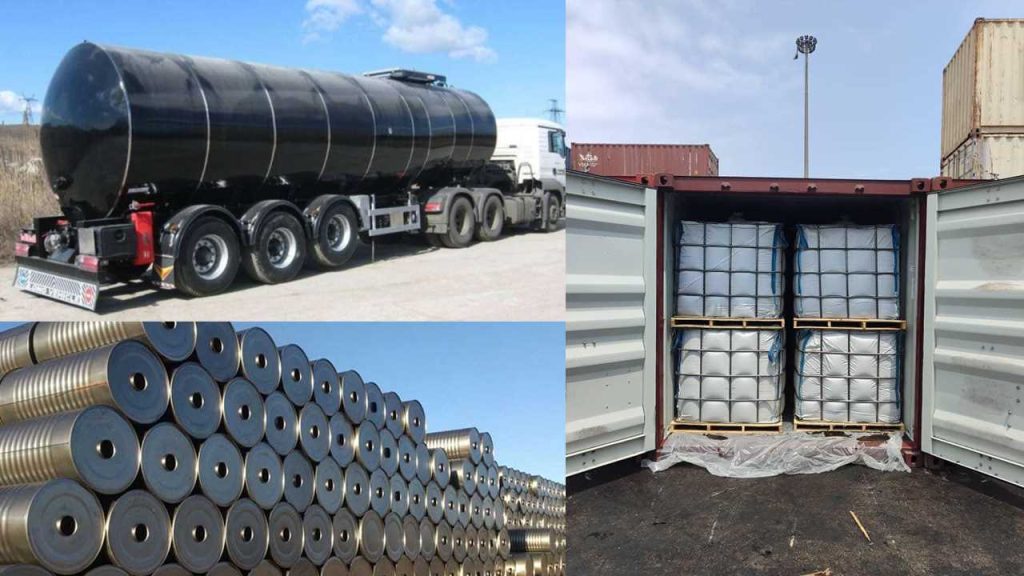
In exports, it’s typically packed in steel drums, polybags, or bulk into heated containers to maintain flow. But here’s where challenges arise: bitumen’s sticky, viscous nature leaves residues that can trigger cleaning disputes if not managed right.
Common Challenges in Shipping Bitumen: Why Cleaning Fees Hit Hard
Shipping bitumen isn’t like moving dry goods. Residue buildup, temperature fluctuations, and container conditions create ripe ground for extra charges.
Key Issues That Trigger Cleaning Fees and Disputes
- Residue and contamination: Even minor leaks or spills during loading/unloading can coat interiors, requiring professional cleaning.
- Pre-existing damage: Dents, rust, or old residues from prior cargoes get blamed on your shipment.
- Improper handling: Overfilling, inadequate heating, or poor sealing leads to solidification and stubborn buildup.
- Line-specific policies: Many carriers charge $500–$2,000 per container for cleaning if returned “dirty,” plus downtime fees.
In one study from logistics experts, up to 15% of bulk liquid shipments face ancillary charges due to container condition disputes. For bitumen exporters, these can erode 5–10% of profit margins on a single voyage.
I’ve seen deals sour over $50,000 in disputed fees across a fleet—money that could’ve gone to better freight rates or quality upgrades.
The Pre-Loading “Clean Container” Protocol
To avoid disputed cleaning fees, your team must document the container’s condition before the cargo is stuffed. Use this checklist to safeguard your interests:
| Inspection Point | Critical Action |
|---|---|
| Floor Condition | Ensure no oil stains or previous bitumen residue exist. Take HD photos. |
| Corner Castings | Check for structural integrity to prevent sagging during heavy bitumen loading. |
| EIR Verification | The Equipment Interchange Receipt must explicitly state “Container Clean & Odor Free.” |
The Power of Thorough Documentation: Your Shield Against Unfair Charges
That Malaysia shipment? It wasn’t luck. It was preparation. We documented everything at origin, turning a potential loss into a win.
Why does documentation work so well? It shifts the burden of proof. Shipping lines rely on destination inspections; your origin evidence counters claims effectively.
Step-by-Step: How to Document Container Condition Like a Pro
Follow this proven process every time:
- Pre-loading inspection: Survey the empty container thoroughly. Note any dents, rust, holes, or residues.
- Capture high-quality evidence:
- Photos from all angles: exterior, interior walls, floor, ceiling, doors.
- Close-ups of seals, corners, and any anomalies.
- Timestamped videos walking through the container.
- Use standardized forms: Complete an Equipment Interchange Receipt (EIR) with the depot, marking any pre-existing issues.
- During loading:
- Document clean lining (if using plastic sheets).
- Photo the filling process and final seal.
- Post-loading: Final exterior shots with seals intact and container number visible.
- Digital backup: Store files in cloud folders, named by container number and date. Share with your team and forwarder immediately.
Recommended Bill of Lading (B/L) Clause:
"Shipper not responsible for pre-existing residues. Container inspected and found fit for bitumen carriage as per EIR No: [Number]. Any cleaning claims must be supported by photographic evidence within 48 hours of discharge."
Adding this clause significantly reduces the success rate of predatory cleaning fee claims by shipping lines.
Pro tip: Use apps like container inspection tools for geotagged, timestamped photos—irrefutable in disputes.
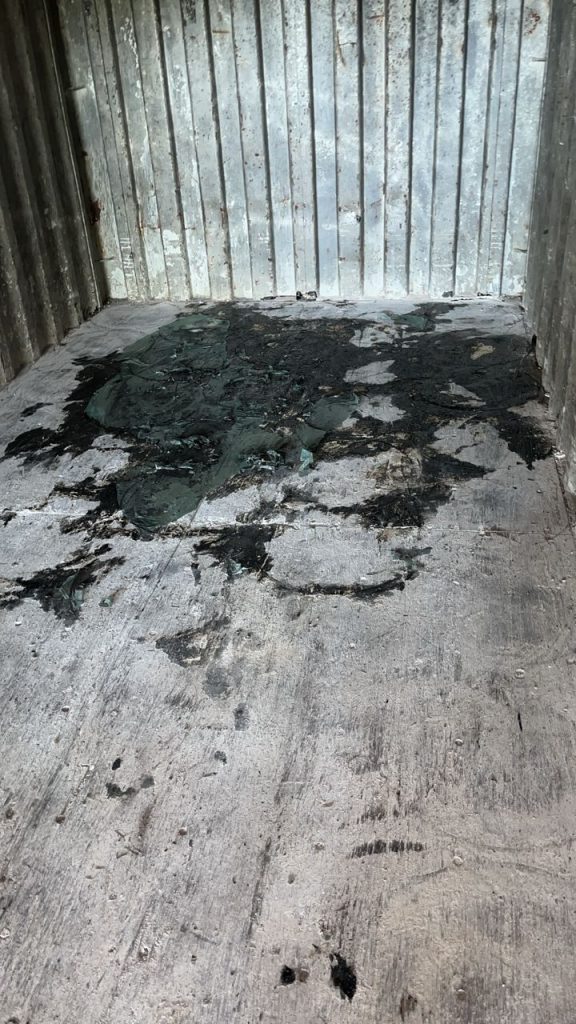
Common Challenges in Shipping Bitumen
In my experience, exporters who skip this pay dearly. Those who don’t? They resolve 90% of claims in their favor.
Best Practices for Loading and Transporting Bitumen 60/70 in Containers
While documentation serves as your legal shield, operational excellence at the loading site is what prevents disputes from arising in the first place. Smart handling and technical precision during the stuffing process are the most effective ways to mitigate the risk of leakage and equipment damage.
Essential Loading Techniques to Minimize Residue and Risk
1. Precision Temperature Management (Thermal Optimization) The viscosity of Bitumen 60/70 is highly sensitive to temperature. It is critical to maintain the bitumen between 140°C and 160°C during the loading phase.
The Risk of Overheating: Exceeding 170°C can lead to “Cracking” or carbonization, which hardens the bitumen prematurely and makes unloading nearly impossible, leading to heavy residue claims.
The Risk of Underheating: If the temperature drops too low during pumping, the flow becomes sluggish, causing air pockets and uneven weight distribution within the container.
2. Implementation of Multi-Layered Protective Barriers Relying on standard packaging is often not enough for long-haul maritime transit.
Advanced Lining: Utilize heavy-duty, heat-resistant polyethylene (PE) liners or specialized dry bulk liners for jumbo bags. These act as a secondary containment system.
Flexitank Integrity: If shipping in bulk, ensure the flexitanks are “Bitumen-Grade” and equipped with specialized heating pads. A single-use, high-tensile strength bag significantly reduces the “Cross-Contamination” risk, ensuring the container remains in food-grade or industrial-grade cleanliness after the voyage.
3. Strategic Ullage (Headspace) Allocation One of the most common causes of container floor damage is “Thermal Expansion Leakage.” Bitumen expands as its temperature fluctuates during transit through different climate zones.
The 10% Rule: Never fill drums or bags to the brim. Maintaining a 5% to 10% ullage (headspace) allows the bitumen to expand safely without breaching the seals or gaskets.
Stability Factor: Proper headspace also prevents the center of gravity from shifting, which protects the container’s structural integrity during heavy sea swells.
4. High-Integrity Sealing and Gasket Verification The final barrier between your cargo and a $1,000 cleaning fee is the seal.
Gasket Quality: Use only high-grade, oil-resistant gaskets for drum lids and valves. Before sealing the container, perform a “Visual Integrity Check” on all closure points.
Secondary Containment: For high-risk shipments, place absorbent materials or specialized “Barrier Paper” near the container door area. This prevents minor seepage from reaching the door sills, which is the first place port inspectors check for leaks.
5. Weight Distribution and Securing (The Pro Tip) Bitumen is a high-density cargo. Ensure that the weight is distributed evenly across the container floor to prevent “Sleeper Damage” or floor warping. Use timber blocking and bracing (Dunnage) to secure the drums/bags, preventing movement that could lead to punctures during crane operations.
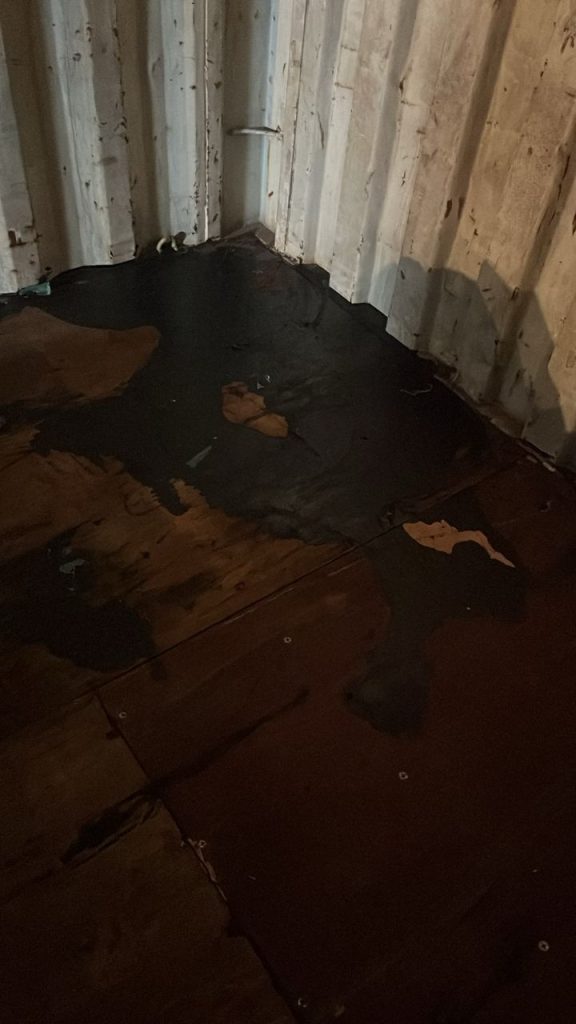
Best Practices for Loading and Transporting Bitumen
Comparison: Common Packaging Methods for Bitumen Exports
| Method | Capacity per 20ft Container | Pros | Cons | Best For |
|---|---|---|---|---|
| Steel Drums | 80–110 drums (16–20 tons) | Easy handling, reusable | Higher labor, residue risk | Small-medium shipments |
| Polybags | Up to 22 tons | Cost-effective, less waste | Potential tears | Budget exports |
| Bitutainers/Flexitanks | 20–24 tons | Max capacity, minimal residue | Specialized equipment needed | Large-scale, long-distance |
Choosing the Right Shipping Mode: Sea vs. Alternatives
Sea freight dominates bitumen exports for cost, but compare wisely:
- Sea advantages: Bulk volumes, lower per-ton rates.
- Challenges: Longer transit, temperature drops in cold routes.
- Alternatives: Heated ISO tanks for premium grades or air for samples (rare).
For deeper insights on freight choices, check our post on Air Freight vs Sea Freight from China to Jebel Ali: The 2026 Cost-Benefit Analysis for Your Commodity.
Real-World Case Studies: Lessons from the Trenches
Theoretical advice is valuable, but real-world victories prove that a rigorous documentation strategy is the best defense against ancillary charges. Beyond individual anecdotes, these anonymized cases highlight the financial impact of proactive logistics management:
Case Study 1: The “Legacy Rust” Rebuttal (Middle East Export) A major bitumen exporter shipping from a high-volume Persian Gulf hub was hit with a $30,000 “heavy cleaning and floor restoration” invoice covering 30 containers upon arrival at the destination port. The carrier claimed that bitumen leakage had caused deep corrosion.
The Defense: The exporter’s logistics team produced a high-resolution “Pre-Loading Inspection Report.” The photos clearly showed that the “pitted rust” on the container floors was pre-existing oxidation, not fresh bitumen damage.
The Result: Faced with indisputable evidence that the damage predated the cargo stuffing, the shipping line dropped all charges.
Pro Lesson: Always document the floor condition under the liner bags before loading begins.
Case Study 2: The Video Evidence Advantage (SE Asian Importer) An Asian importer was billed for specialized chemical cleaning after a carrier claimed bitumen residue was found during a post-discharge survey. The carrier insisted the liners had failed during transit.
The Defense: The importer provided time-stamped CCTV and handheld video footage of the “de-stuffing” process. The video proved that the bags were intact and that the “residue” in question was actually dried industrial waste from a previous voyage that had been hidden under the liners.
The Result: The carrier absorbed the cleaning costs and waived the associated detention fees, acknowledging the “Evidentiary Chain” provided by the importer.
Pro Lesson: Video documentation of the container opening and the removal of the first row of cargo is often more persuasive than static photos.
Case Study 3: The Data-Driven Defense (Global Logistics Forums) Aggregate data from major freight and logistics forums indicates a clear trend in dispute resolution. Shipments backed by a complete digital “Condition Trail” (Photos, EIRs, and Survey Reports) resolve disputes significantly faster than those without.
The Insight: Documented shipments resolve 4x faster on average, reducing the “dead time” where containers are held up, which in turn prevents cascading Demurrage and Detention (D&D) costs.
The Result: For a standard 20-container shipment, this speed of resolution can save an exporter between $5,000 and $12,000 in potential port storage penalties.
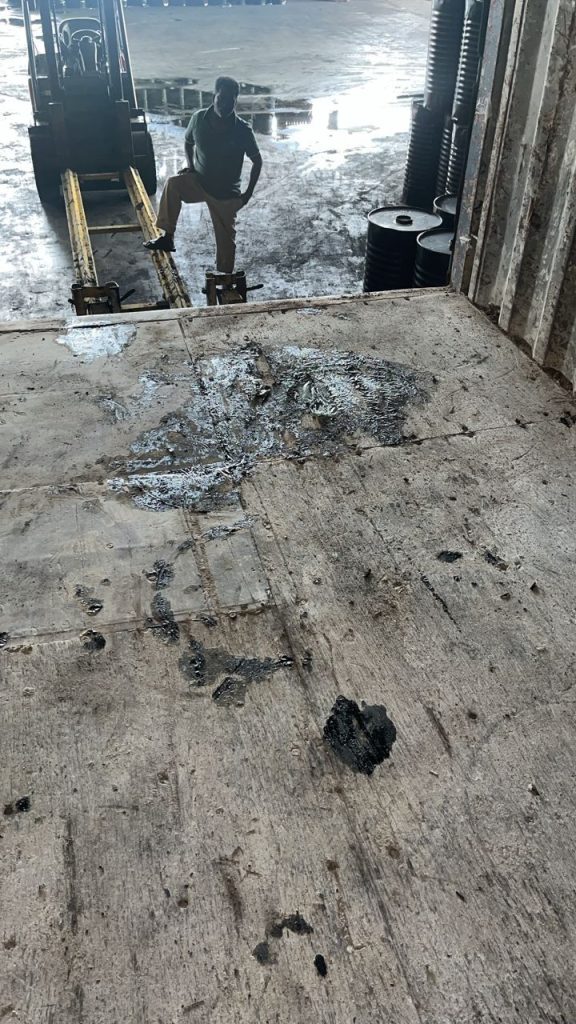
containers were old damage
Advanced Strategies: Building Long-Term Protections
To safeguard your margins in the volatile bitumen market, you must move beyond basic logistics and implement a robust risk-mitigation framework. Here is how to institutionalize protection against predatory cleaning fees and logistical disputes:
1. Strategic Carrier Selection and Vetting Don’t prioritize freight rates at the expense of terminal flexibility. Partner with reliable shipping lines that demonstrate transparent Equipment Interchange Receipt (EIR) policies. In high-stakes regions like the GCC or MENA, some carriers are notorious for aggressive “cleanliness” inspections. Research and choose carriers that provide a clear dispute resolution window and have a history of fair assessment regarding “normal wear and tear” versus actual cargo leakage.
2. Comprehensive Insurance and Ancillary Coverage Standard cargo insurance often fails to cover “indirect” or “ancillary” charges such as container cleaning, detention, or environmental remediation. Consult with your broker to include specific add-ons or “Liability Extensions.” These endorsements ensure that if a flexitank or drum fails, the resulting professional cleaning costs and port fines are borne by the insurer, not your bottom line.
3. Independent Third-Party Surveys and Inspections The most effective defense is objective evidence. Hire independent, internationally recognized surveyors (such as SGS or Saybolt) to conduct inspections at both the point of stuffing (origin) and unstuffing (destination). A “Pre-Shipment Inspection Report” accompanied by high-resolution, time-stamped photographs of the container’s interior floor and walls creates an indisputable baseline. This neutral report often forces shipping lines to drop baseless cleaning claims immediately.
4. Precision in Contractual Clauses and Documentation Your sales contracts and Shipping Instructions (SI) must be your legal shield. Incorporate specific “Clean on Board” terms and explicit photo requirements. For instance, include a clause stating: “The carrier acknowledges that the container was inspected and found fit for Bitumen 60/70 carriage; any subsequent cleaning claims must be supported by photographic evidence provided within 48 hours of discharge.” By shifting the burden of proof back to the carrier or the consignee, you significantly reduce the success rate of arbitrary fee impositions.
5. Operational “Pro-Tips” from the Field
The Expansion Gap: Always ensure a 10% ullage (expansion space) in drums or bags, especially when transiting through high-temperature zones like Jebel Ali. Heat-induced expansion is the #1 cause of micro-leaks.
Secondary Liners: For jumbo bag shipments, investing in a high-quality secondary floor liner (PE film or corrugated paper) is a fraction of the cost of a cleaning fee and serves as a vital physical barrier.
Also, explore risk management in related trades via our guides on War-Risk Insurance and Force Majeure Clauses in Contracts and UAE Customs Valuation Rules.
Frequently Asked Questions
A: Depending on the severity of the leak and the shipping line (e.g., MSC or Maersk), fees can range from $300 to $1,500 per TEU.
Q: Can I dispute a cleaning fee after 30 days?A: It is difficult. Most shipping lines require disputes to be filed within 7-10 days of the invoice date, supported by the destination EIR.
Final Thoughts: Protect Your Profits with Proactive Habits
Exporting bitumen 60/70 can be highly profitable, but hidden fees like cleaning charges lurk if you’re not vigilant. Thorough documentation, smart loading, and the right partnerships turn risks into routines.
I’ve built my business on these principles—saving millions over the years and earning trust from buyers worldwide.
Ready to streamline your bitumen exports and connect with verified global buyers? Join Tendify.net today. Post your products, source RFQs, or explore secure deals in petrochemicals and beyond. Sign up now and take control of your next shipment.