Blog
Ibrahim Khalil Border Status Today & Clearance Guide (2026): Live Updates & Delay Hacks
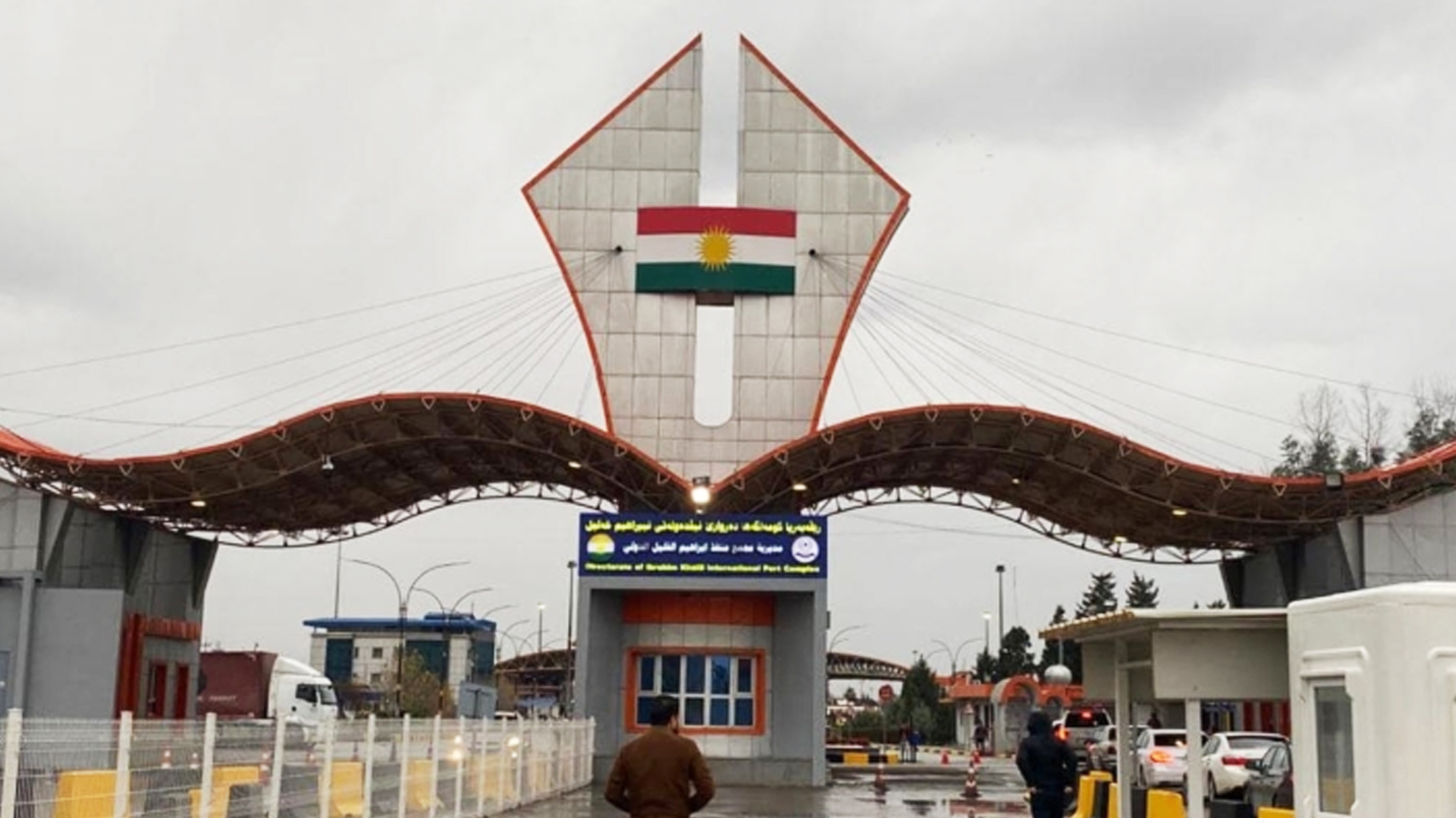
I’ve spent decades moving goods across borders, building supply chains that deliver on time and under budget. One of the toughest routes I’ve tackled is the Turkey-Iraq border at Ibrahim Khalil (known as Habur on the Turkish side). In 2026, this gateway handles massive volumes of transit goods, but congestion, shifting regulations, and paperwork pitfalls can grind operations to a halt.
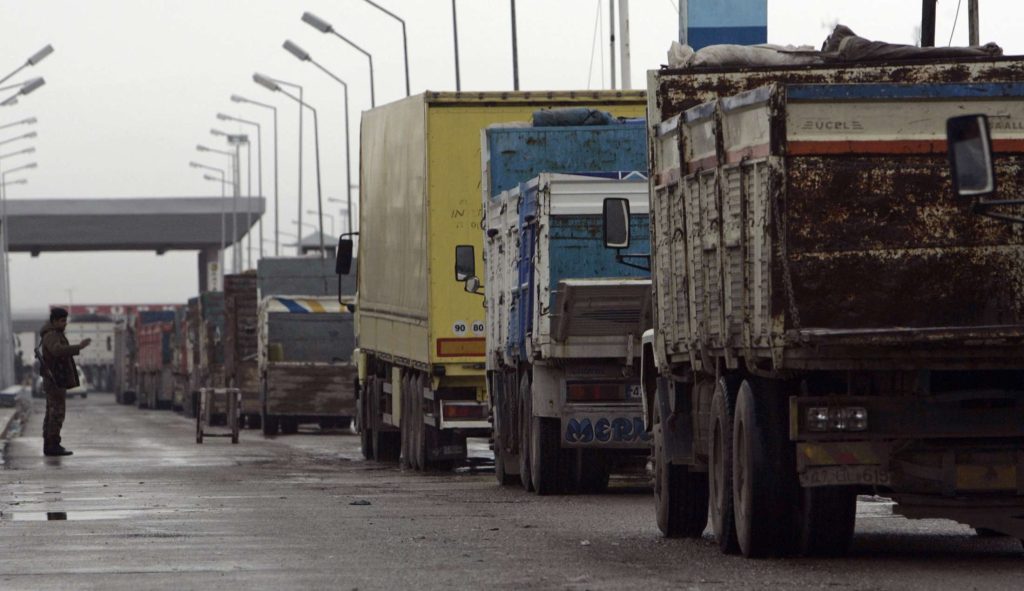
Ibrahim Khalil Border Logistics
Picture this: A convoy of trucks backed up for miles under the scorching sun, drivers waiting days for clearance while perishable cargo spoils. That’s the reality too many face at Ibrahim Khalil customs point. Yet, with the right preparation, I’ve cut clearance times from days to hours and kept costs predictable. This guide breaks it all down—step by step—so you can navigate Turkey-Iraq logistics smoothly and turn this border into a competitive advantage.
🔴
Live Border Status & Daily News Check
Updated Daily (2026)
📢 Latest Border & Customs Bulletin
- ASYCUDA Customs Integration: KRG and Federal Iraq authorities have advanced unified customs duty data sharing at Ibrahim Khalil to streamline cross-border tariff processing and eliminate double taxation risks.
- AI Scanner Verification: Turkish Customs at Habur Gate mandates exact matching between digital NCTS Packing Lists and physical visual density scans to avoid mandatory full physical inspections.
- CBI Banking Regulations: Ensure all border handling fees are pre-processed through CBI-approved financial channels in Zakho or Silopi to prevent processing holds.
🔗 Verify Live Status & Track Shipments
Why Ibrahim Khalil Remains the Key Artery for Turkey-Iraq Trade
The Ibrahim Khalil/Habur border crossing stands as the primary land route for commercial traffic between Turkey and Iraq. In recent years, it has processed around 1,500 trucks entering Iraq daily and 1,000 exiting, with a total capacity pushing 2,200 to 5,000 vehicles per day depending on conditions.
📊
Key Trade Statistics & Economic Impact
Macroeconomic significance of the Ibrahim Khalil / Habur gateway in 2026
💰
Annual trade volume passing through this single corridor, with official strategic targets set to reach $20 Billion in upcoming years.
🏛️
Over 80% of total commercial imports into the Kurdistan Region of Iraq (KRG)—and a major portion of broader Iraqi goods—pass through Habur.
This crossing dominates because:
- It connects directly to northern Iraq’s economic hubs like Dohuk, Erbil, and beyond.
- It serves as the main conduit for European and Turkish exports heading south, and Iraqi goods moving north.
- Bilateral trade between Turkey and Iraq has surged, with Turkey ranking as one of Iraq’s top trading partners.
But here’s the insight: While the Development Road project—a massive rail and highway corridor from Basra to Turkey—promises to transform regional logistics long-term, it routes toward a potential new crossing at Ovaköy/Faysh Khabur. For 2026, Ibrahim Khalil will still handle the bulk of road-based transit goods. The project won’t fully divert truck traffic overnight; expect Habur to remain dominant for years.
That said, the introduction of the TIR system in Iraq (fully operational since April 2025) has already sped up transit goods movements. TIR carnets now serve as a prerequisite for land transit, reducing inspections and enabling sealed shipments to move faster across borders.
Current State of Ibrahim Khalil Customs in 2026
As of early 2026, operations at Ibrahim Khalil run normally but with familiar pain points.
Key capacities and flows:
- Daily truck volume: Up to 3,000 trucks in parking areas pre-clearance.
- Separate lanes for commercial vehicles and passenger cars.
- X-ray and physical inspections standard on both sides.
- Free passage for Turkish and Iraqi registered trucks in many cases.
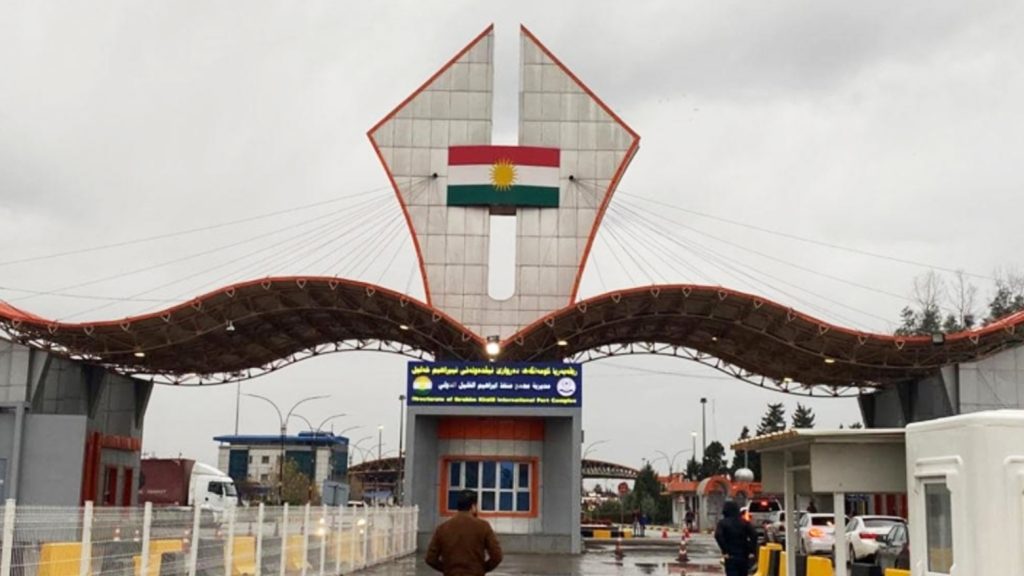
Ibrahim Khalil Turkey-Iraq Border
Challenges persist:
- Congestion leads to waits of several hours to multiple days, especially during peak seasons.
- Technical glitches or system upgrades on either side can halt traffic temporarily.
- Ongoing tensions over customs revenue sharing between federal Iraq and the Kurdistan Regional Government (KRG) have led to calls for unified systems like ASYCUDA, potentially causing double duties or delays for non-compliant shipments.
On the upside, TIR adoption has slashed transit times for qualifying loads—one operator recently moved goods from Turkey to Kuwait via Iraq in just four days, versus weeks by sea.
🔍 Smart Customs: AI X-Ray Scanners at the Habur Gate
In 2026, navigating the Turkish side of the border requires a fresh understanding of technology. Turkey has heavily invested in modernizing the Habur border crossing, deploying next-generation, high-definition X-ray scanners integrated with artificial intelligence (AI) anomaly detection software. This isn’t just about catching illicit cargo; it’s about automated packing verification.

AI X-Ray Scanners at the Habur border crossing
How AI Inspection Shapes Your Loading Strategy:
- Instant Packing List Matching: The new AI-driven scanners automatically cross-reference the visual density maps of your cargo with your digital Packing List. Any undeclared items or structural mismatches instantly flag the truck for a full physical inspection.
- Faster Throughput for Compliant Cargo: If your trailer is properly arranged and perfectly matches the paperwork, the AI clearance system approves the scan within minutes, drastically reducing your time spent in the Turkish exit zone.
- The Danger of “Blind Loading”: Throwing loose, mixed pallets into the back of a trailer without precise sequence mapping is a recipe for disaster. The system flags uneven densities or hidden layers as suspicious anomalies.
Pro-Tip for Cargo Staging:
Enforce a strict “What You See Is What You Declare” rule at your warehouse. Ensure your loading supervisor provides a digital grid layout of the trailer that perfectly mirrors the itemized packing list. If goods are rearranged at the last minute during staging, update the NCTS (New Computerized Transit System) entry before the truck enters the Habur scanning facility to avoid immediate holds and potential misdeclaration fines.
💡 Navigating Iraq’s 2026 Banking Restrictions & Currency Pitfalls
As we navigate 2026, one of the most volatile hurdles in Turkey-Iraq logistics isn’t physical congestion—it’s financial liquidity. The Central Bank of Iraq (CBI) has aggressively tightened restrictions on US Dollar transactions and electronic transfer platforms to combat illicit currency flows. This regulatory squeeze impacts operations directly at the Ibrahim Khalil border.
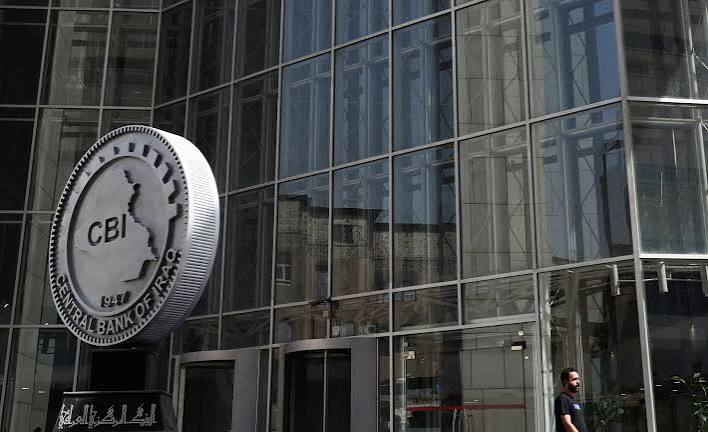
Iraq’s 2026 Banking Restrictions & Currency Pitfalls
How Currency Tightening Distorts Border Operations:
- Delayed Customs Clearance: Traditional dollar-based wire transfers to local brokers face lengthy compliance audits, threatening to lock your cargo in pre-clearance holding zones.
- Spike in Demurrage Costs: If electronic payments get held up in the banking system, your trailers sit idle, triggering immediate and expensive demurrage fees from carriers.
- Broker & Agent Friction: Many trusted border agents now refuse delayed digital payments, strictly demanding immediate, verified funds before initiating the clearance process.
Pro-Insider Strategy:
Never dispatch a convoy assuming electronic credit will suffice at the gate. Ensure your logistics partners or drivers carry a pre-calculated mix of Iraqi Dinars (IQD) and physical, clean-bill US Dollars for emergency local fees. Furthermore, only route payments through CBI-approved exchange houses in Silopi or Zakho to ensure your transactions clear instantly without freezing your entire supply chain.
💵
Customs Fees & Duty Tariff Breakdown
Comprehensive breakdown of mandatory duties and border handling costs at Ibrahim Khalil
Accurate financial planning for Turkey-Iraq land freight requires accounting for both standardized customs tariffs and localized border administration expenses. Failing to budget for handling surcharges often leads to unexpected driver delays at the gate.
🏷️
Standard commercial goods face average ad-valorem tariffs between 5% and 15%. Specialized, luxury, or protected domestic commodities can incur duties up to 30%.
🚛
Mandatory local expenses per vehicle, covering high-definition AI X-Ray scans, weighbridge fees, short-term yard storage, and terminal loading/unloading services.
Essential Documentation for Transit Goods
Getting paperwork wrong is the fastest way to rack up delays and penalties. I’ve seen shipments held for weeks over a single mismatch.
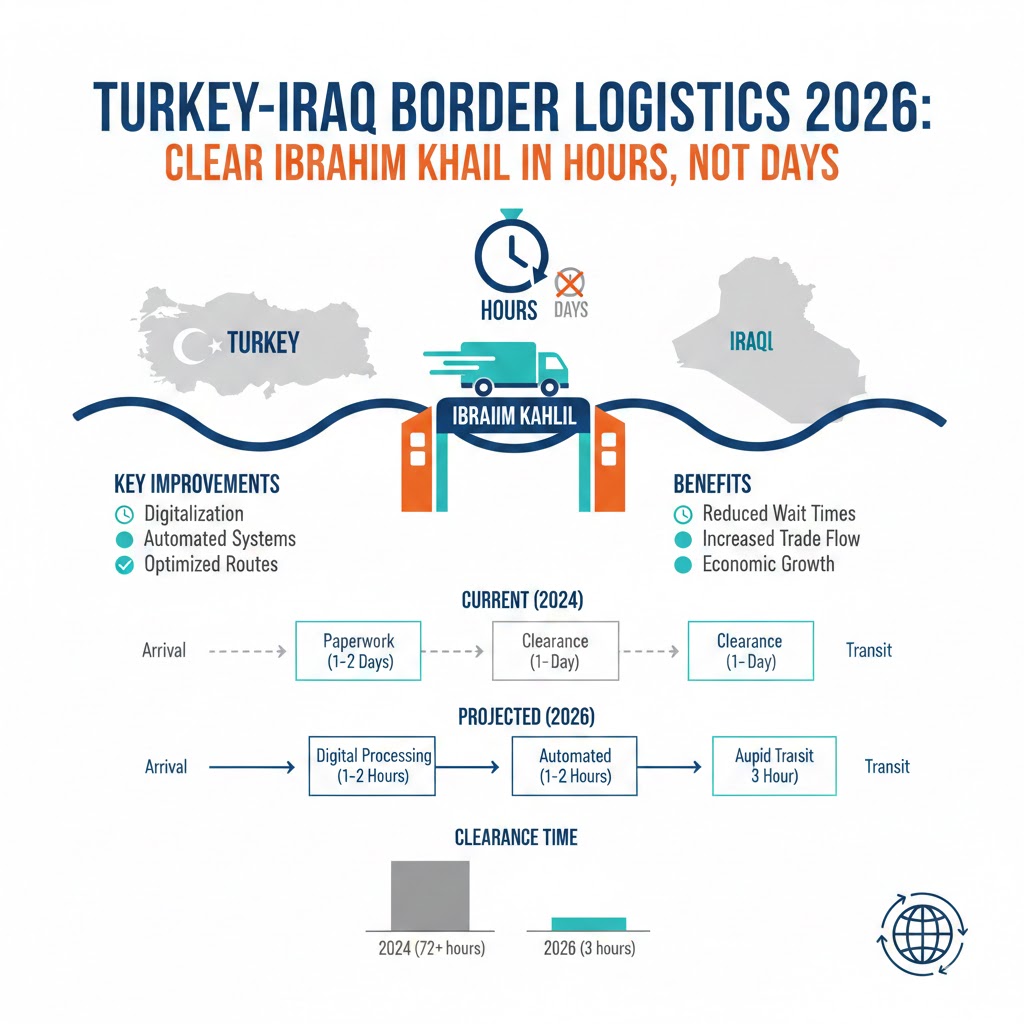
Turkey-Iraq Border Logistics 2026 Clear Ibrahim Khalil in Hours, Not Days
Core documents required:
- Commercial invoice and packing list (detailed, accurate values essential to avoid valuation disputes).
- Bill of lading or CMR (Convention on the Contract for the International Carriage of Goods by Road).
- Certificate of origin.
- TIR carnet—for transit without unloading or duties paid en route (now mandatory for many routes).
- Export declaration from Turkish customs.
- Import/transit permits on the Iraqi side, especially for restricted goods.
Pro tip: Pre-lodge declarations electronically where possible. Turkish customs allows much of this via their NCTS (New Computerised Transit System), and Iraq is pushing digital integration.
For certain goods:
- Phytosanitary certificates for agricultural products.
- Health certificates for food items.
- Dangerous goods declarations under ADR standards.
Always verify restricted or prohibited items—explosives, certain chemicals, and dual-use goods face strict controls.
🚫
Prohibited & Restricted Goods Compliance
Critical clearance permits, seasonal bans, and restricted cargo rules for 2026
Shipping regulated commodities without securing pre-approval permits is the single fastest way to trigger total cargo confiscation or indefinite border holds at Ibrahim Khalil. Importers must verify national clearance protocols before dispatching trucks.
📋
- Pharma & Medical Equipment: Requires advance Ministry of Health (MOH) registration & KRG clearance approvals.
- Telecom & Wireless Devices: Mandatory pre-approval from the Communications and Media Commission (CMC).
- Chemicals & Fertilizers: Subject to strict security screening and dual-use chemical verification permits.
⚠️
- Seasonal Agricultural Ban: Temporary import bans on local produce during domestic Iraqi harvest seasons to protect local farmers.
- Non-Compliant Building Materials: Strict rejection of construction goods failing IQS (Iraqi Quality Standards) certifications.
- Hazardous & Dual-Use Cargo: Strict border-point turnbacks for unauthorized explosive precursors or uncertified ADR goods.
🛡️
Quality Control & Standards Compliance (COSQC)
Mandatory pre-shipment inspection (ICOC) rules at Ibrahim Khalil for 2026
Failing to comply with Iraqi quality standards is one of the single largest causes of multi-day freight blockages at the border. The Central Organization for Standardization and Quality Control (COSQC) strictly enforces pre-shipment verification protocols for all commercial imports heading into KRG and Federal Iraq.
🔍
All regulated imports must hold an official Certificate of Conformity (CoC / ICOC) issued at origin by internationally accredited inspection agencies such as SGS, Bureau Veritas (BV), or Cotecna.
⏳
Arriving without a valid pre-shipment CoC triggers mandatory on-site physical sampling and laboratory testing by border health officers, immobilizing the truck for 3 to 7 days in expensive holding yards.
🪪 Driver & Fleet Compliance: The Human Factor at Habur
While freight documents and cargo scans dominate logistics strategy, human and fleet compliance is where many operations quietly fail. A single expired permit or missing insurance policy on the driver’s end will instantly stop a multi-million dollar shipment at the zero-point line.
The Essential Border Readiness Checklist:
✓
✓
Pro-Tip for Fleet Managers:
Do not leave cross-border insurance acquisition to the driver’s discretion at the border gate kiosks. Pre-arrange and purchase local Iraqi coverage through your customs broker 24 hours in advance. This allows the driver to present a pre-printed, verified policy certificate directly to the KRG transport window, saving hours of queuing in the chaotic transit zone.
🌐 Critical 2026 Transit Policy & System Updates
Essential regulatory shifts reshaping Turkey-Iraq freight corridors this year.
🔄 ASYCUDA World Integration & Tariff Harmonization
In 2026, the joint initiative between Federal Iraq and the Kurdistan Regional Government (KRG) to integrate ASYCUDA World has significantly reduced tariff mismatches. To avoid Double Duty taxation when moving cargo past KRG checkpoints into central or southern Iraq, ensure your customs broker issues a unified electronic customs declaration with verified harmonized tariff codes at the Ibrahim Khalil entry point.
📡 Mandatory Electronic GPS Tracking Seals
Under updated 2026 Iraqi transit regulations, all commercial transit trucks departing Ibrahim Khalil for southern destinations or transit-bound for Gulf states must be fitted with smart electronic GPS seals. These seals monitor real-time location and prevent unauthorized cargo offloading in transit corridors. Tampering with or breaking a GPS seal before destination verification carries severe legal penalties and immediate carrier blacklisting.
🗺️ Contingency Strategy: Alternative Route Options
When extreme seasonal congestion or administrative delays paralyze Habur/Ibrahim Khalil, proactive logistics planners leverage alternative entry corridors:
- Parvizkhan / Bashmaq Crossings: Effective backup routes when re-routing via Iran to access Sulaymaniyah and eastern Iraq.
- Ovaköy / Faysh Khabur (Development Corridor): Keep a close watch on secondary regional infrastructure developments designed to divert regional heavy freight traffic away from the main Habur bottleneck.
Step-by-Step Guide to Clearing Ibrahim Khalil Customs Point
Here’s the practical process I’ve refined over countless crossings.
- Pre-Border Preparation (Turkish Side) Complete export formalities at Silopi or nearby customs offices. Get your TIR carnet endorsed if applicable. Ensure vehicle and driver documents (insurance, licenses) are current.
- Approach Habur Gate Join the queue—use dedicated commercial lanes. Expect initial checks: passport/visa for drivers, vehicle inspection.
- Turkish Exit Procedures Submit declarations, pay any exit fees. Goods scanned via X-ray. Seals applied for transit.
- Cross the Neutral Zone Short bridge over the Khabur River—no man’s land.
- Iraqi Entry at Ibrahim Khalil Present documents to KRG customs officials. Scans and possible physical inspection. Pay transit fees or deposits (refundable under TIR).
- Final Clearance Receive entry stamp and proceed. For pure transit (e.g., to southern Iraq or Gulf), maintain seals until destination.
Time estimates: Smooth runs take 4-8 hours total. Peak or issues? Plan for 24-48 hours.
To speed things up:
- Use experienced customs brokers familiar with both sides.
- Travel mid-week and off-peak hours.
- Monitor border status via apps or logistics networks.
Border Infrastructure & Physical Facilities
Operational layout, staging yards, and dedicated transit corridors at Habur & Ibrahim Khalil
Navigating the Habur–Ibrahim Khalil complex efficiently requires a clear understanding of its physical layout. Recent infrastructural expansions on both sides of the border have created specialized staging zones and dedicated transit lanes designed to separate high-risk or specialized cargo from standard commercial flows.
🅿️
Massive pre-clearance holding parks located in Silopi (Turkey side) and Zakho (Iraq side) accommodate over 3,000 commercial vehicles, providing driver amenities, secure staging, and pre-customs document validation zones.
🛣️
The border features strict separation of traffic flows into specialized terminals:
- Fuel & Hazmat Terminals: Isolated corridors for hazardous liquids and tankers.
- General Commercial Cargo: Multi-lane lanes for dry bulk and containerized trailers.
- Priority Fast-Track Lane: Accelerated access reserved for temperature-controlled reefer trucks (food & pharmaceuticals).
❄️ Cold Chain Protocol: Protecting Perishables at Ibrahim Khalil
While standard cargo can afford to wait out unexpected border bottlenecks, temperature-sensitive shipments—like fresh produce, meat, and pharmaceuticals—cannot. If you are operating reefer trucks across the Turkey-Iraq border in 2026, relying on luck will eventually cost you an entire container.
Critical Realities for Temperature-Controlled Freight:
- The “Green Lane” Myth: While Ibrahim Khalil theoretically prioritizes perishables, a dedicated, fully accelerated “Green Lane” for reefers is highly dependent on daily congestion levels. Do not assume your truck will skip the line automatically during peak transit seasons.
- The KRG Customs Inspection Trap: Iraqi and KRG inspectors require comprehensive data to clear food and pharma. If your driver cannot instantly provide calibrated thermograph log sheets proving continuous temperature management throughout the journey, customs will freeze your clearance, not your cargo.
- On-Site Cold Storage Vulnerability: The Ibrahim Khalil customs facility has highly limited public cold-storage infrastructure. If your shipment is held up for comprehensive lab testing or a valuation dispute, your truck’s own cooling unit is your only line of defense.
Pro-Tip for Cold Chain Operators:
Always equip your reefer units with dual independent digital temperature loggers (thermographs) and ensure drivers carry extra fuel specifically for the cooling generator to sustain 48 to 72 hours of stationary idling under the summer heat. Most importantly, ensure your customs broker pre-submits all phytosanitary and health certificates to the KRG Ministry of Health portal 48 hours before the truck hits the Habur gate to avoid catastrophic holding delays.
Common Challenges and How to Overcome Them
Delays at Ibrahim Khalil aren’t inevitable—most stem from preventable issues.
Top challenges:
- Congestion — Queues build quickly.
- Documentation Errors — Mismatches trigger holds.
- Inspections — Random or risk-based physical checks.
- Regulatory Shifts — Ongoing push for unified customs data.
Actionable solutions:
- Partner with reliable forwarders who have on-ground agents.
- Leverage TIR fully — It minimizes intermediate checks.
- Build buffers into schedules—add 2-3 days for contingencies.
- Stay informed — Follow updates from IRU (International Road Transport Union) or local chambers.
Case in point: One of my clients switched to TIR-sealed trailers and cut average clearance from 36 hours to under 12.
For deeper insights on Iraqi import exemptions that can reduce duties on reconstruction-related goods, check our guide on Iraq Zero-Tariff Exemptions 2026.
📅 Seasonal & Calendar Risks: Weathering the Middle East Trade Cycle
Even with flawless paperwork and modern AI screening, your supply chain can still grind to a halt due to factors completely out of your broker’s control: the climate and the calendar. The Ibrahim Khalil crossing is highly sensitive to regional weather extremes and religious holidays, both of which drastically alter operational capacity.
Two Critical Disruptions to Forecast in Your Planning:
- Extreme Summer Heat (>45°C): During the peak summer months, scorching temperatures in the Zakho and Dohuk sectors lead to reduced physical inspection speeds on the Iraqi side. Customs personnel often adjust shifts to avoid peak afternoon heat, leading to sudden, unannounced backlogs in the commercial yards.
- The Ramadan & Eid Bottlenecks: During the holy month of Ramadan and the subsequent Eid holidays, customs operating hours shrink significantly. With downsized government staffing and a massive pre-holiday surge of consumer goods entering Iraq, border queues routinely double in length.
Pro-Tip for Transit Scheduling:
Never plan tight “Just-In-Time” (JIT) deliveries during the two weeks leading up to Eid al-Fitr or Eid al-Adha. Build a mandatory 3-to-4 day operational buffer into your freight rates and logistics contracts during these periods. Additionally, during summer, instruct your drivers to approach the gate for scanning during the cooler, high-efficiency late-night and early-morning shifts.
Future Outlook: Development Road and Alternatives
The Development Road megaproject will eventually include high-speed rail and highways, potentially shifting some volume away from Ibrahim Khalil. But in 2026, road transport rules.
Watch for:
- Potential opening of secondary gates like Ovaköy to ease pressure.
- Full TIR integration opening faster routes to Gulf markets.
- Digital customs harmonization reducing paperwork.
Smart operators position now for both current efficiencies and future shifts.
Risk Management and Best Practices for Turkey-Iraq Logistics
Solid risk management separates profitable routes from money pits.
Key strategies:
- Insure cargo comprehensively (all-risk coverage).
- Use GPS tracking and sealed containers.
- Vet partners for compliance—avoid trade-based laundering red flags.
- Diversify routes where possible (e.g., via ports for non-urgent goods).
| Risk Factor | Operational Impact | Mitigation Strategy |
|---|---|---|
| Border Congestion | 1–3 day transit delays. | Utilize off-peak night/early morning crossings. Implement electronic pre-clearance. |
| Documentation Errors | Immediate cargo holds & fines. | Double-check packing alignment with AI scanners. Submit digitally via NCTS before arrival. |
| CBI Banking Restrictions | Broker payment freezes & demurrage. | Route funds via CBI-approved exchange houses in Silopi/Zakho. Equip drivers with backup local currency (IQD/USD). |
| Cold Chain Spoilage | Total loss of temperature-sensitive cargo. | Deploy dual independent thermographs. Pre-submit health permits 48 hours prior. Fill reefer fuel tanks for 72-hour idling. |
| Ramadan & Summer Extremes | Shrunk customs hours & staff shortages. | Avoid Just-In-Time (JIT) schedules 2 weeks before Eid holidays. Add a mandatory 4-day buffer to transit contracts. |
| Driver Visa & Permit Mismatch | Turnbacks at zero-point or southern checkpoints. | Verify Federal Iraq Visas for southern trips. Pre-arrange local Iraqi insurance. Prep trailers for “Drop and Swap” interfaces. |
❓
Frequently Asked Questions (FAQ)
Essential intelligence for crossing Ibrahim Khalil & Habur border in 2026
🌐How can I check the Ibrahim Khalil / Habur border status today?
Live Status
⏱️How long does it take to clear customs at Ibrahim Khalil / Habur border in 2026?
Transit Time
📋What mandatory documents are required for Turkey-Iraq land transit?
Paperwork
🤖How do the new AI X-ray scanners at Habur affect cargo clearance?
Inspection
⚖️How can traders avoid double duties between KRG and Federal Iraq?
Tariffs
💵How can shippers handle Iraq’s 2026 Central Bank (CBI) currency restrictions?
Banking
🪪Is a KRG visa sufficient for drivers transporting cargo to Baghdad or Basra?
Compliance
🎯
Final Thoughts: Turn the Border into Your Advantage
Mastering Turkey-Iraq border logistics at the Ibrahim Khalil customs point demands strategic preparation, trusted local partnerships, and proactive regulatory compliance. By leveraging TIR carnets, aligning with AI scanner requirements, and securing pre-approved financial channels, you can turn a notorious bottleneck into a streamlined, high-speed trade corridor.
Ready to Streamline Your Global Supply Chain?
Connect directly with verified cross-border suppliers, post RFQs, and unlock tools designed to make Middle East trade faster and fully compliant.
🚀 Register on Tendify.net Today