Blog
Turkey’s US Treasuries Sell-Off: What It Means for Your Trade Margins
As a 40-year-old trader who’s spent the last 10 years moving containers across the Middle East, Asia, and Europe, I’ve learned one hard truth: geopolitical noise always hits your P&L before the headlines catch up. Turkey’s rapid reduction of its US Treasuries holdings in early 2026 is one of those moments. In just weeks, the country liquidated around 89% of its US Treasury portfolio — roughly $14 billion — turning what looked like a routine reserve adjustment into a signal that every exporter, importer, and logistics manager needs to understand.

Turkey’s US Treasuries
This isn’t abstract economics. It’s the kind of shift that changes freight rates, payment terms, currency hedging costs, and supplier confidence overnight. In this comprehensive guide, I’ll break down exactly what happened, why it happened, and — most importantly — how you can protect and even profit from the ripple effects in your B2B trade operations.
WPS 2.0 UAE: The Ultimate B2B Compliance Playbook for 2026
What Actually Happened: The Numbers Behind Turkey’s Treasury Sell-Off
According to official US Treasury International Capital (TIC) data and reports from leading global financial institutions like MUFG, Turkey entered February 2026 holding a stable cushion of approximately $15.7 to $16 billion in US Treasuries. By the end of March, that balance sheet didn’t just decline—it cratered. The central bank’s holdings plummeted to a mere $1.8 billion.

Turkey’s Treasury Sell-Off
To put this into perspective, this wasn’t a routine portfolio rebalancing or a tactical yield-curve adjustment. It was an aggressive, structural liquidation—one of the fastest and most massive firesales of safe-haven assets in modern emerging market history.
To understand the sheer scale of the capital mobilization, we have to look at the broader asset drawdowns that occurred simultaneously across Turkey’s balance sheet:
| Asset Class | Baseline (Feb 2026) | Position (End of March 2026) | Net Capital Liquidation |
| US Treasuries | ~$16.0 Billion | ~$1.8 Billion | -$14.2 Billion (89% Drop) |
| Other Foreign Securities | – | – | -$22.0 Billion |
| Physical Gold Reserves | – | – | -127 Tons (Direct / Swaps) |
When you stack these liquidations alongside the brutal pressure on the Turkish Lira—which swiftly broke past historical psychological barriers to plunge toward the 44–45 range against the USD—the macro picture becomes undeniable: the Central Bank of the Republic of Turkey (CBRT) was operating in pure crisis-response mode, burning through its most liquid international reserves to preserve basic monetary stability. This was a defensive firewall, not political theater.
Why These Central Bank Numbers Dictate Your Next Trade
For international B2B traders, manufacturers, and supply chain directors, it is a dangerous mistake to dismiss these figures as abstract central bank accounting. Turkey is not just an isolated economy; it sits at the absolute geographic and logistical crossroads of Eurasian trade, linking European consumer markets with the industrial and energy corridors of the Middle East, Central Asia, and North Africa.
When a critical transit and manufacturing hub liquidates 89% of its most liquid foreign assets in less than sixty days, the shockwaves reshape micro-level trade economics almost instantly. Here is exactly how that macro data trickles down to your desk:
Counterparty Risk Amplification: A central bank starved of immediate dollar liquidity trickles down to commercial banks. This impacts their capacity to issue Letters of Credit (LCs), process foreign exchange allocations, or honor long-term credit lines for Turkish exporters.
The Velocity of Contract Renegotiations: When a local currency devalues to the tune of 45 Lira per Dollar while the central bank is aggressively burning reserves, domestic price stability vanishes. Contracts signed under older FX baselines are suddenly unprofitable for local suppliers, leading to unexpected delivery delays or demands for immediate margin adjustments.
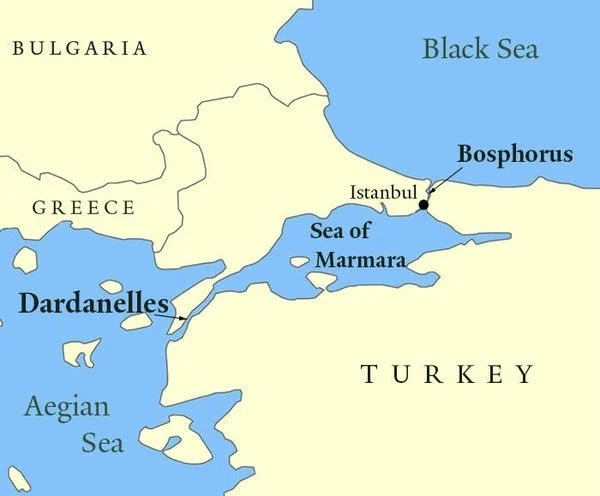
Logistical Friction and Friction Costs: Financial stress at the state level inevitably translates into tighter customs scrutiny, sudden regulatory updates on import/export tariffs, and operational bottlenecks at major shipping gateways like Istanbul, Izmir, and Mersin as authorities try to tightly manage the cross-border flow of hard currency.
In short, the data tells us that the buffer is gone. The financial landscape anchoring Turkish trade has fundamentally transformed, and any trader relying on a 2025 playbook to run a 2026 supply chain is exposed.
The Three Real Drivers Behind the Sell-Off
After nearly two decades of watching emerging market currency crises, structural devaluations, and emergency reserve management decisions up close, I can tell you one thing with absolute certainty: this massive liquidation was not about scoring cheap political points on the international stage. This was survival economics playing out under extreme, concentrated pressure.
When you are bleeding reserves at this velocity, you throw ideology out the window and look strictly at liquidity ratios and settlement windows. The Central Bank of the Republic of Turkey (CBRT) was forced into this position by a perfect storm of three interconnected macroeconomic and geopolitical forces:
1. Aggressive Defense of the Lira Amid Regional Capital Flight
The geopolitical escalation in late February 2026—particularly the acute military and diplomatic tensions surrounding Iran and broader Middle Eastern trade corridors—triggered a textbook “flight-to-safety” across global markets. For emerging economies positioned on the geographic periphery of the conflict, the impact was immediate. Foreign portfolio investors, hedge funds, and institutional liquidity providers pulled capital out of Turkish equities, local debt, and banking assets overnight.
This massive capital flight placed the Turkish Lira under unprecedented selling pressure. As the domestic market scrambled to convert Lira into hard currency, the exchange rate rapidly deteriorated toward the critical 44–45 threshold against the greenback. To prevent a catastrophic, unanchored currency collapse and a hyper-inflationary spiral, the CBRT had to step into the open market as the dollar-supplier of last resort. When you need billions of dollars within hours to absorb a market-wide sell-off, selling your portfolio of highly liquid, short-term U.S. Treasuries is not just the best option—it is practically the only operational path available.
Invisible Cargo: The Dark Logic of Empty Private Jets
2. Absorbing a Skyrocketing Energy Import Bill
Turkey’s structural economic Achilles’ heel has always been its heavy, near-total reliance on foreign energy imports to power its industrial base. When the regional escalation disrupted vital maritime shipping lanes and sent global crude oil and natural gas benchmarks surging, Turkey’s import bill expanded exponentially.
Because global energy trade and commodity settlements remain strictly dollar-denominated, the country faced an immediate, structural drain on its foreign exchange reserves. Turkish energy utilities and industrial conglomerates needed massive allocations of physical greenbacks to honor delivery contracts and keep the power grid running. The CBRT couldn’t afford to wait for long-term bilateral swap lines to clear, nor could it risk selling less liquid assets at a steep discount. Liquidating its U.S. Treasury holdings allowed the central bank to instantly inject hard cash into the domestic banking system, ensuring that the country’s vital energy supply chain did not freeze up amid the broader regional chaos.
3. Strategic Reserve Diversification and Liquidity Autonomy
In an era where cross-border capital movements, international clearing networks, and sovereign asset allocations are increasingly leveraged as tools of economic warfare, holding outsized positions in a single Western jurisdiction carries inherent counterparty and regulatory risks. For Ankara, aggressively dialing down its U.S. Treasury footprint was a calculated, forward-looking maneuver to maximize its liquidity autonomy.
By converting paper assets held in foreign clearing houses into immediate dollar cash reserves and unencumbered physical gold, the CBRT sought to insulate its balance sheet from potential external regulatory freezes, diplomatic standoffs, or secondary sanctions risks. In a deeply fragmented regional landscape, maintaining absolute operational flexibility and keeping your cash close at hand is simply prudent risk management.
The Macro Shift Meets the Micro Reality
The immediate result of this rapid rebalancing is a highly complex, volatile economic landscape: a Turkish state that has successfully shored up its immediate dollar cash liquidity, but an internal domestic economy saddled with a deeply weakened Lira and surging input costs.
For international B2B traders, this macro-level defense mechanism translates directly into changed business conditions on the ground. The central bank managed to avert a total financial collapse, but the cost of that defense is now being passed down the supply chain.
Export Import Business in India: The Ultimate 2026 Guide
How This Affects You: Direct Impacts on Global Trade Flows
Let’s move from macro to your day-to-day operations. Here’s what the Turkey Treasury sell-off means for traders in 2026:
Rising Freight Rates and Port Pressure
Higher energy costs and regional risk premiums have pushed container and bulk freight rates upward, especially on routes involving Turkish ports like Istanbul, Izmir, and Mersin. Demurrage and detention fees are climbing as vessels face longer turnaround times amid security checks and insurance adjustments. If you are routing cargo through or near Eastern Mediterranean hubs, do not look at your historical baseline. Instead, expect a 15% to 30% surge specifically in spot freight rates and War Risk Surcharges (WRS) on affected lanes. Port congestion in gateways like Ambarli, Izmir, and Mersin is changing daily turnaround times, turning what used to be a predictable transit into a variable that requires buffer capital for unexpected demurrage.
Shift in Payment Terms and Currency Preferences
Turkish suppliers who previously accepted mixed or lira-linked terms are now demanding 100% USD prepayments or confirmed letters of credit. The weak lira makes them extremely sensitive to currency volatility. This increases your working capital requirements but also creates opportunities for buyers with strong dollar liquidity.
Supply Chain Reconfiguration Opportunities
Some manufacturers in Turkey are accelerating efforts to diversify markets and hedge currency risk. This creates openings for B2B buyers looking for alternative suppliers in sectors like textiles, automotive parts, machinery, and agri-products. Conversely, exporters targeting the Turkish market face a buyer base with reduced purchasing power in dollar terms.
Arbitrage and Re-Export Dynamics
Turkey has long been a re-export hub. The current environment — weaker currency combined with high dollar costs — is reshaping these flows. Savvy traders are recalibrating routes between Europe, the GCC, and Central Asia to account for new cost structures.
Practical Strategies for Traders in This New Environment
Don’t just watch the volatility — build systems that profit from it. Here’s what I’ve implemented in my own operations and recommend to others:
1. Strengthen Currency Risk Management
- Hedge more aggressively on Turkish lira exposure using forwards or options.
- Build natural hedges by balancing imports and exports in the same currency baskets.
- Consider multi-currency invoicing where practical, though expect pushback from Turkish partners right now.
2. Optimize Logistics and Routing
Review your routing options. In some cases, shifting volume to alternative ports in the Eastern Mediterranean or deepening relationships with digital freight forwarders can offset rising Turkish port costs. Tools that model total landed cost including new risk premiums are essential.
I regularly use platforms that integrate real-time tariff data, freight calculators, and compliance checkers to stay ahead.
3. Diversify Counterparties and Due Diligence
In uncertain times, counterparty risk rises. Strengthen your KYC processes. Look for suppliers with strong export track records and access to alternative financing. This is where having the right network and verification tools becomes a competitive advantage.
4. Leverage Technology for Efficiency
The smartest operators aren’t just reacting — they’re using AI-powered market intelligence, automated compliance tools, and advanced calculators to reduce friction. Whether it’s HS code classification, duty estimation, container optimization, or contract generation, the right digital infrastructure turns volatility into manageable variables.
Pro Tip: Before signing any significant contract involving Turkish parties, run updated cost simulations that factor in current freight indices and currency volatility. What looked profitable three months ago might now be marginal.
Broader Regional Context: GCC, Iran, and Eurasian Trade Corridors
Turkey’s dramatic financial defense mechanisms do not exist in a vacuum. In the highly integrated markets of the modern Middle East and Eurasia, a liquidity shock in Ankara triggers immediate, structural recalculations across neighboring economic blocs. For B2B operators, mapping these macroeconomic shifts is the key to identifying structural blind spots—and untapped arbitrage opportunities—before they are priced into the market.
The current economic realignment across the region is carving out three distinct dynamics that are redefining global trade flows:
1. The GCC Pivot: Strategic Opportunities in Re-Export and Logistics
As Turkey wrestles with domestic inflation, currency volatility, and capital preservation mandates, the Gulf Cooperation Council (GCC) bloc is moving aggressively to cement its position as the primary, unencumbered logistics and financial anchor of the region. Countries like the UAE, Saudi Arabia, and Qatar are utilizing their massive sovereign capital cushions to double down on national economic diversification frameworks.
For international traders, this creates a fascinating dual dynamic:
The Competitive Edge: Gulf-based hubs are rapidly capturing high-value re-export volumes that previously flowed through Turkish transit points, offering superior regulatory predictability and highly liquid multi-currency clearing environments.
Complementary Arbitrage: Savvy operators are utilizing GCC-backed financial infrastructure to secure trade finance, structured credit lines, and insurance policies that Turkish commercial banks are currently pulling back from or pricing at prohibitive premiums.
2. The Acceleration of Alternative Corridors and Multimodal Logistics
As transit risks, regulatory friction, and war risk insurance premiums climb along traditional Anatolian and Eastern Mediterranean maritime channels, we are witnessing an accelerated, structural shift toward alternative trade architecture. If your supply chain demands predictability, relying on historical baselines is no longer a viable strategy.
Smart logistics managers are actively stress-testing and rerouting volumes to leverage the GCC’s heavily capitalized, multimodal land-sea bridges. By utilizing seamless multimodal networks—such as clearing ocean freight at advanced ports in Oman (Salalah, Sohar) or the UAE (Jebel Ali, Khalifa Port) and transitioning to high-velocity overland trucking corridors through Saudi Arabia—traders can completely bypass volatile maritime chokepoints and unstable transit nodes. Rerouting cargo directly into Central Asian, Caucasian, and European markets via these integrated Southern networks might present a higher initial freight cost, but when balanced against the risk of container detention, arbitrary customs holds, and currency-driven demurrage at Turkish ports, the net landed cost calculation heavily favors the GCC corridor.
3. Realignment of Regional Investment Flows and Project Finance
The private capital and institutional portfolio investment that exited Turkish markets in early 2026 did not vanish—it migrated. This flight-to-safety has directed a massive wave of global liquidity directly into the highly stable, yield-generating ecosystems of the GCC.
High-performing exporters and industrial contractors are rapidly positioning themselves to capture this shifting capital by aligning their operations with massive state-backed procurement pipelines, such as Saudi Arabia’s Vision 2030 megaprojects, Oman’s logistical expansions, and the UAE’s next-generation industrial initiatives. The message for B2B operators is clear: while consumer purchasing power may be taking a hit in Ankara, capital expenditure and industrial procurement are breaking records across the Gulf.
Seeing Beyond the Headline
Understanding these complex regional interconnections is what separates a reactive trader from a market leader. Turkey’s rapid depletion of its U.S. Treasury portfolio is not just an isolated piece of financial data—it is a leading indicator that the financial and physical routing of Eurasian trade has fundamentally shifted. By zooming out and looking at the broader regional grid, you can transform a macro crisis into a highly localized, highly profitable supply chain advantage.

Turkey’s sell-off of US Treasuries
Lessons from History: Similar Events and How Traders Adapted
If you stay in the international trade game long enough, you realize that while the geopolitical actors change, the underlying economic playbook rarely does. We have seen versions of this exact script play out before: the sudden, aggressive reserve drawdowns during the 2018 Turkish Lira crisis, the sweeping emerging-market balance sheet restructurings of 2022, and the localized liquidity freezes of various geopolitical flare-ups over the past decade.
Every single one of these disruptions left behind a trail of bankruptcies, stranded cargo, and broken contracts. Yet, in every crisis, a specific group of operators didn’t just survive—they actively expanded their market share. When you analyze how those winning traders adapted, their success wasn’t built on luck or political insider info. It was built on four foundational operational pillars:
1. Maintaining Aggressive Hard-Currency Liquidity Cushions
The most brutal lesson of past currency shocks is that paper wealth and asset valuation vanish overnight when a systemic liquidity crunch hits. In 2018, traders who had their working capital tied up in local currencies or illiquid credit lines found themselves paralyzed when commercial banks clamped down on capital flight.
The survivors always maintain a disproportionate allocation of unencumbered cash reserves in hard, globally cleared currencies—primarily USD, EUR, or AED. They understand that in a fractured market, physical cash liquidity is the ultimate defensive armor and the sharpest offensive weapon. When a supplier is desperate for dollars to clear a cargo or pay an emergency import bill, the trader who can execute an immediate hard-currency wire commands the table, dictating terms, margins, and ex-works pricing.
2. Structural Diversification of both Supply and Demand Nodes
During previous supply chain shocks, the hardest-hit businesses were those relying on a single manufacturing hub or a single buyer base. When that specific country’s banking system or shipping lanes froze, their entire P&L collapsed.
The winners of history build natural redundancies directly into their corporate DNA. They never let a single country account for more than 25-30% of their total sourcing or revenue mix. If Turkey’s domestic market faces a currency-driven contraction, these adaptive operators instantly dial down their exposure there and ramp up volumes with pre-vetted backup suppliers in Central Asia, the GCC, or Southeast Europe. They treat diversification not as an administrative chore, but as an active hedge against sovereign risk.
3. Transitioning from “Gut-Feel” to Data-Driven Operational Warfare
In the old days of trading, you could run a decent operation based on personal intuition, historical relationships, and phone calls to local brokers. Those days are officially over. The crises of 2022 proved that the velocity of modern regulatory updates, sanction rollouts, and currency devaluations moves too fast for human intuition to keep up.
The operators who consistently come out on top are those who treat data as a core utility. They don’t guess their margins; they run automated, multi-scenario simulations. They use algorithmic tools to monitor real-time freight indices, intraday FX spot rates, and automated compliance screening. When the market moves 5% in an afternoon, they have already recalibrated their landed costs and adjusted their proforma invoices while their competitors are still trying to get their logistics desk on the line.
4. Cultivating High-Trust, Structural Strategic Alliances
When a financial system goes into crisis mode, legal contracts often become secondary to raw survival. Suppliers default on delivery dates, and buyers walk away from deposits. In those high-stress windows, the only contracts that hold are the ones backed by deep, long-standing human relationships.
The top traders spend years building genuine, face-to-face rapport with their tier-one suppliers, local customs brokers, and regional freight forwarders. They don’t just treat them as faceless line-items on a ledger. Because they have established a track record of fair dealing and financial reliability during the good times, these partners will prioritize their containers, honor their allocations, and extend flexible payment windows when the rest of the market is getting locked out.
The Bottom Line of Trade Warfare
This latest 2026 U.S. Treasury sell-off by Ankara simply reinforces the oldest, hardest rule in global commerce: liquidity and operational adaptability beat financial leverage and market concentration every single time.
The global trade map is being redrawn in real-time, and the boundary lines aren’t being set by politicians—they are being set by supply chain resilience. If your infrastructure is rigid, this volatility will break you. If your infrastructure is agile, fluid, and backed by the right data, this volatility becomes your ultimate competitive edge.
Building Resilience: Tools and Systems That Actually Work
After nearly two decades in the trenches, I’ve learned that information and execution speed separate survivors from casualties. Here’s what I rely on:
- Real-time market intelligence platforms
- Automated document builders for proforma invoices and contracts
- Advanced calculators for duties, landed costs, and financing
- Compliance and sanctions screening tools
- Networking systems that help identify reliable partners quickly
The most effective operators integrate these capabilities into a single command center rather than juggling disconnected tools. This integration is what turns reactive firefighting into proactive strategy.
If you’re serious about scaling in this environment, having access to a comprehensive trade operating system isn’t a luxury — it’s becoming table stakes. Platforms that combine AI market pulse, logistics optimization, document automation, and compliance engines let you respond faster than competitors still using spreadsheets and phone calls.
Check out the full suite at Platform.Tendify.Net — it’s designed exactly for traders navigating these complex, fast-moving conditions. From AI-powered market analysis to practical tools like container optimizers and contract generators, having everything in one place saves hours and reduces expensive mistakes.
The Bottom Line: Turn Volatility Into Your Edge
Turkey’s US Treasuries sell-off is a reminder that global trade is never static. The forces driving currency moves, freight rates, and payment terms are deeply interconnected with geopolitics and energy markets.
The traders who will thrive in 2026 and beyond aren’t those predicting every headline. They’re the ones who build systems, diversify intelligently, manage risk proactively, and use technology to maintain speed and accuracy.
You’ve got a choice: let these shifts erode your margins, or use them as a catalyst to professionalize and strengthen your operations. The data, tools, and knowledge are available. The question is whether you’ll act on them.
If you’re ready to move from surviving to systematically winning in global trade, now is the time to get your operations dialed in.
Ready to strengthen your trade infrastructure?
Sign up free at Tendify.net and access the Command Center tools that top traders are using to navigate 2026 market conditions with confidence. Your next profitable move starts with better systems — start building them today.
Frequently Asked Questions (FAQ)
Q1: Does Turkey’s sell-off of US Treasuries mean the country is shifting away from the US Dollar in international trade?
A: No. It is critical to separate central bank reserve management from real-world B2B settlement practices. While the Central Bank of Turkey (CBRT) liquidated its paper Treasury portfolio to shore up immediate liquidity, the US Dollar remains the undisputed dominant currency for Turkish trade settlements, especially for energy, raw materials, and machinery. In fact, due to the extreme volatility of the Lira, Turkish exporters and suppliers are now demanding 100% USD or EUR prepayments more aggressively than before to hedge their own risks.
Q2: How will this liquidation affect Letter of Credit (LC) issuance by Turkish commercial banks?
A: Expect tighter scrutiny and higher confirmation fees. When a central bank de-risks its balance sheet under pressure, local commercial banks face compressed foreign exchange allocations. If you are importing from Turkey via LCs, expect your suppliers’ banks to take longer to process documents, and ensure your issuing bank has strong, direct correspondent relationships with Tier-1 international banks to avoid settlement delays.
Q3: I route cargo through major Turkish ports like Mersin and Ambarli. Should I expect direct logistical delays?
A: Yes, but the friction is primarily financial and regulatory rather than physical. The ongoing regional tensions—which drove the sell-off—have triggered spikes in War Risk Surcharges (WRS) and spot freight rates. Furthermore, as the Turkish government monitors cross-border capital flows closely to preserve hard currency, customs clearing procedures for both transit and import/export cargo are facing increased documentation audits. Factor in a 3-to-5 day buffer on top of your standard transit time estimates.
Q4: Is it safer to switch to alternative trade corridors like the GCC land-sea bridges right now?
A: If your supply chain priority is predictability and risk mitigation, yes. While multimodal networks linking Oman, the UAE, and Saudi Arabia overland to Central Asian or European markets might carry a slightly higher initial freight rate compared to historical Eastern Mediterranean baselines, they completely bypass the current volatile chokepoints and currency-driven port bottlenecks. It is highly recommended to run a total landed cost simulation comparing both routes before locking in Q3/Q4 contracts.
Q5: Can international buyers leverage the weak Turkish Lira to get better pricing on commodities?
A: Only in specific, localized sectors. For manufacturing industries that rely heavily on imported raw materials (such as chemical processing, high-end electronics, or specialized automotive parts), the domestic benefit of a weaker Lira is completely wiped out by skyrocketing, dollar-denominated energy and input costs. However, for fully localized supply chains—such as raw textiles, agricultural products, and basic construction materials—buyers with strong USD liquidity can negotiate highly favorable ex-works prices if they offer immediate cash settlements.
Q6: How often should I update my landed cost calculations under these market conditions?
A: In the current 2026 economic environment, any cost simulation older than two weeks is a liability. With intraday Lira fluctuations and dynamic freight rate adjustments, calculating your margins on static spreadsheets is highly dangerous. B2B operators should utilize automated trade intelligence tools that integrate real-time tariff updates, live FX spot rates, and dynamic freight indices before signing any proforma invoice.