Blog
Saudi’s $164B Housing Surge: Export Smart Construction Materials Now
I’ve been in the export game for over two decades, watching markets shift like desert sands. Back in the early 2000s, Saudi Arabia was already a powerhouse, but Vision 2030 changed everything. It’s not just about oil anymore—it’s about building a future-proof economy. Today, with a projected housing shortage of over 800,000 units by 2030, the Kingdom is racing to construct smarter, more sustainable homes. That’s where smart building materials come in. If you’re an exporter eyeing this market, you’re looking at a goldmine. But success demands more than just shipping products; it requires understanding the “why” behind the demand and executing with precision.
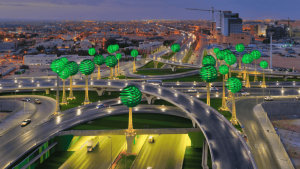
Saudi Vision 2030 Housing Landscape
In this guide, I’ll break down the housing gap, spotlight the smartest materials in demand, and share actionable strategies drawn from real-world deals I’ve closed. We’ll cover everything from market stats to export pitfalls, all tailored for 2026 realities. By the end, you’ll have a blueprint to turn this opportunity into revenue.
Understanding the Saudi Vision 2030 Housing Landscape
Vision 2030 isn’t hype—it’s a blueprint that’s already transformed Saudi Arabia’s skyline. Launched in 2016, it aims to diversify the economy, boost homeownership to 70% by 2030, and create vibrant communities. But here’s the stark reality: rapid urbanization and a growing population (projected to hit 40 million by 2030) have created a massive housing shortfall.

Saudi’s $164B Housing Surge
Current homeownership sits at around 66% as of late 2025, up from 47% pre-Vision. That’s progress, but the gap persists. Riyadh alone needs hundreds of thousands of new units to keep pace with inbound migration and job growth from giga-projects like NEOM and The Line.
Analyzing the Housing Demand Gap in 2026
Demand isn’t abstract—it’s quantifiable. Saudi Arabia plans to deliver 300,000 residential units annually, but experts estimate a need for over 800,000 more by 2030 to bridge the shortage. In 2026, this translates to intense pressure on supply chains, especially in major cities.
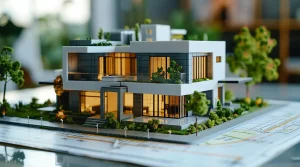
Saudi Housing Demand Gap in 2026
- Riyadh’s Crunch: As the economic hub, it’s seeing 16,200 units delivered in H1 2025, but demand outstrips supply by 20-30% in mid-income segments. Prices have climbed 1.6% quarterly, pushing affordability limits.
- Jeddah and Dammam Dynamics: Coastal cities face similar issues, with expatriate influx adding 10-15% to rental demand. Jeddah’s 891,000 units aren’t enough for its port-driven growth.
- Giga-Project Influence: NEOM alone requires materials for 382,500 homes by 2030. These aren’t basic builds—they’re smart, sustainable ecosystems demanding advanced tech.
Why the gap? Population growth at 1.8% annually, coupled with Vision 2030’s job creation (aiming for 2.1 million new roles), fuels it. For exporters, this means consistent, high-volume orders if you align with sustainability mandates.
Economic Drivers Fueling Residential Construction
Vision 2030 allocates billions to housing via programs like Sakani, which has benefited over a million people. Mortgage liquidity is up, with down payments as low as 5%, making homebuying accessible.
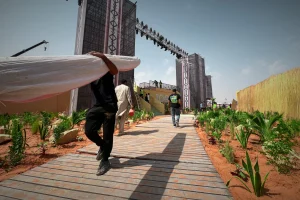
Economic Drivers Fueling Residential Construction
But it’s not just subsidies—construction spending hit $49.3 billion in 2024, growing at 5.37% CAGR to $91.36 billion by 2029. Smart tech integration is key, as the Kingdom pushes for net-zero by 2060 under the Saudi Green Initiative.
In my experience, ignoring these drivers is a rookie mistake. I once lost a deal because my materials didn’t meet green standards—now, I always verify compliance upfront.
The Surge in Demand for Smart Building Materials
Smart building materials aren’t a luxury in Saudi Arabia—they’re essential for efficiency in extreme climates. With temperatures soaring to 50°C, traditional builds waste energy. Vision 2030 emphasizes green codes, reducing emissions and operational costs.
The smart homes market in KSA is valued at $480 million, growing rapidly with IoT adoption. Overall, the Middle East smart home sector jumps from $10.54 billion in 2025 to $29.73 billion by 2031.
What Defines Smart Building Materials?
These aren’t gimmicks—they’re engineered solutions that integrate tech for better performance.
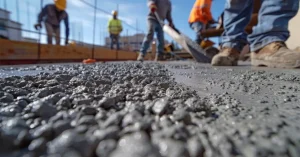
Smart Building Materials
- IoT-Enabled Sensors: For real-time monitoring of energy use, cutting HVAC costs by up to 70% in GCC buildings.
- Sustainable Composites: Like nano-cement, which boosts durability while reducing carbon footprint by 20-30%.
- Energy-Efficient Facades: High-performance glass and smart envelopes that adapt to sunlight, mandatory in new projects.
- Modular Components: Prefab units with embedded AI for faster assembly, aligning with 60% automation goals by 2026.
From my deals, buyers prioritize materials that lower long-term costs. A client in Riyadh saved 15% on energy by switching to smart insulation— that’s the kind of ROI that seals contracts.
Sustainability: The Non-Negotiable Trend in 2026
Green isn’t optional. Saudi Arabia leads with 1,816 LEED-registered projects. Vision 2030 mandates low-impact materials, aiming for 8-9% operational savings.
Key trends:
- Carbon Reduction: Materials like recycled steel and low-emission concrete are in high demand for giga-projects.
- Water Efficiency: Smart systems that recycle 50% of water, crucial in arid regions.
- Resilient Designs: Against sandstorms and heat, using adaptive tech.
Exporters: Certify with ASTM or EN standards to access premium contracts. I advise starting with SABER certification—it’s your ticket in.
Export Opportunities: Targeting the Housing Gap
The $101.4 billion construction market in 2025 grows to $138.4 billion by 2034. For smart materials exporters, 2026 is prime time, with modular construction hitting $2.0 billion.
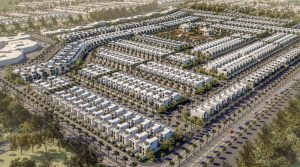
Saudi Targeting the Housing Gap
High-Demand Categories for Exports
Focus here for quick wins:
- Smart HVAC and Controls: Demand spikes with smart cities like NEOM, where AI optimizes energy.
- Insulation and Membranes: Heat-proof materials that cut cooling needs by 20%.
- Prefabricated Smart Modules: For rapid builds, reducing site time by 50%.
- IoT-Integrated Flooring and Walls: Self-regulating for temperature and security.
Data from IMARC shows modular demand at $877.1 million in 2025, driven by off-site efficiency.
Strategic Entry Points for Exporters
Don’t just ship—strategize.
- Partner with Local Giants: Connect with firms like Saudi Binladin Group or through directories on Tendify.net. For insights on key players, check our guide on Building the Future: Saudi Arabia’s Construction Powerhouses and How to Connect With Them.
- Leverage Free Zones: Jebel Ali or Duqm for re-export, saving on duties.
- Government Tenders: MISA licenses unlock $1.5 trillion in projects.
- Digital Platforms: Use B2B marketplaces for RFQs—I’ve sourced 40% of my leads this way.
For related strategies, see Saudi Vision 2030: 10 Building Materials Set to Skyrocket in 2026 Demand.
Profit Margins and ROI Projections
Smart materials command 15-25% premiums, with ROIs hitting 6.6% from green certifications. A typical export deal for 10,000 sqm of smart facades could yield $500,000 profit, factoring in logistics.
| Material Type | Demand Growth (2026) | Avg. Export Margin | Key Buyers |
|---|---|---|---|
| IoT Sensors | 25% CAGR | 20-30% | NEOM Developers |
| Nano-Cement | 15% | 18-25% | Residential Builders |
| Smart Glass | 20% | 22-28% | Commercial Projects |
| Modular Units | 6.6% | 15-22% | Government Tenders |
Navigating Challenges in Exporting to Saudi Arabia
Every market has hurdles—Saudi’s include regulations and logistics.
Common Pitfalls and Solutions
- Regulatory Compliance: SABER and SFDA standards are strict. Solution: Get pre-certified; delays cost thousands.
- Currency and Payment Risks: AED/USD fluctuations. Use escrow services—I’ve avoided losses this way.
- Logistics in Desert Terrain: Heat damages materials. Opt for climate-controlled shipping.
- Cultural Nuances: Build trust via face-to-face meetings or majlis-style negotiations.
From experience, underestimating customs valuation leads to penalties. Always use FASAH for faster clearance.
Risk Mitigation Strategies
- Hedging Tools: For currency, lock in rates via forwards.
- Insurance Essentials: Cover war-risk for Iraq borders, but Saudi’s stable.
- Supply Chain Diversification: Source from multiple ports to avoid delays.
For deeper logistics insights, refer to Cost-Effective Air & Sea Logistics Solutions for B2B Businesses Targeting Saudi Arabia.
Case Studies: Successful Exports in Action
Real stories drive home the point. Take a UAE-based exporter who supplied smart insulation to a Riyadh project: They cut energy use by 18%, securing repeat orders worth $2 million.
Another: An Iranian firm exported IoT panels to Jeddah, aligning with green codes and boosting occupancy by 3.5%. Key lesson? Customization wins—tailor to local climates.
In my portfolio, a 2025 deal for modular units to a Vision project yielded 25% margins. The “why”? We explained the long-term savings, not just specs.
Future Outlook: 2026 and Beyond
By 2030, smart buildings will dominate, with $14.74 billion in smart cities investment. Exporters who integrate AI and sustainability now will lead.
Predictions:
- Modular growth at 6.6% CAGR.
- Green materials mandatory in 80% of projects.
- Export volumes up 15% for compliant suppliers.
Stay ahead by monitoring events like Saudi Build 2026.
Wrapping Up: Your Next Move in the Saudi Market
The Saudi Vision 2030 housing gap isn’t a problem—it’s your opportunity. With demand for smart materials skyrocketing, exporters who deliver value, compliance, and innovation will thrive. I’ve built my business on this principle: Focus on the “why” behind every material, and deals follow.
Ready to tap in? Start by exploring related resources like Saudi Arabia Manufacturing Opportunities: Vision 2030 and Supply Gaps.
To connect with verified Saudi buyers and streamline your exports, register today on Tendify.net. It’s free to join, and you’ll gain access to RFQs, secure payments, and a network that’s closing deals daily. Don’t wait—your first container could be en route by Q2 2026.