Blog
The Gulf-to-CARICOM Corridor: Unlocking New Maritime Trade Lanes
Over the past two decades, I’ve watched countless exporters from the Gulf build solid businesses shipping to traditional markets in Asia, Africa, and Europe. But the real game-changers—the ones who compound margins year after year—are those who spot the next underserved corridor before it becomes crowded. Today, that corridor runs between the Persian Gulf and the Caribbean/CARICOM region.
The Gulf-to-CARICOM Corridor
The Gulf supplies high-demand strategic goods: polymers, bitumen, cement and clinker, urea, and oilfield equipment. The Caribbean, with its developing infrastructure needs and growing consumer base, needs exactly those inputs. Yet few traders treat this route as a core strategy. Most still default to familiar lanes while leaving containers half-empty on the backhaul.
This comprehensive guide breaks down the maritime logistics opportunities between the Persian Gulf and CARICOM, maps the key routes and hubs, introduces the major logistics players, highlights profitable cargo flows, addresses real operational challenges, and shows exactly how tools inside the Tendify Command Center turn these opportunities into repeatable profits. If you’re exporting bulk or containerized goods from the GCC, this is your 2026 playbook.
Why Now Is the Time to Connect the Gulf to CARICOM
For years, Gulf exporters have focused eastward or on intra-GCC trade. That made sense when Asia offered scale and Europe delivered premium pricing. But several shifts have changed the equation:
- CARICOM’s infrastructure boom: Countries like Guyana (with its oil-driven growth), Jamaica, Trinidad and Tobago, and the Dominican Republic are investing heavily in ports, roads, energy, and construction. They need reliable, cost-effective supplies of construction materials, petrochemicals, and industrial inputs that the Gulf produces competitively.
- Supply chain diversification: Global buyers and regional governments seek alternatives to over-reliance on traditional suppliers. Gulf-origin goods often arrive with competitive landed costs when optimized properly.
- Backhaul economics: Many vessels heading to the Americas have space available for Gulf-origin cargo. Securing favorable freight rates on these legs can dramatically improve margins compared to one-way high-rate routes.
- Regional trade frameworks: CARICOM’s single market and Common External Tariff (CET) create a structured environment for non-member imports, provided you understand the classifications and compliance requirements.
Persian Gulf to CARICOM
The result? A corridor where strategic suppliers meet growing demand, but with far less competition than mature Asia-Europe or Gulf-India lanes. Traders who master the logistics here gain first-mover advantages in high-margin segments.
Anatomy of the Gulf-to-Caribbean Maritime Routes
There is no dominant direct liner service from Jebel Ali or Hamad Port straight to every CARICOM port. Most shipments use transshipment hubs, which adds a layer of complexity—but also opportunity for optimization.
Primary routing patterns:
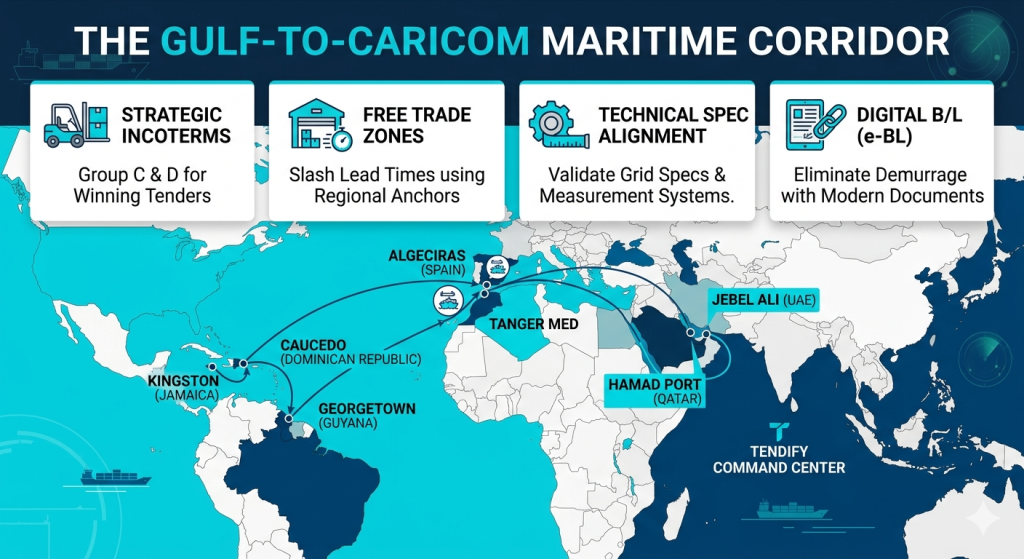
- Gulf ports (Jebel Ali, Hamad, sometimes King Abdullah or Jebel Ali extensions) → Mediterranean or Atlantic transshipment points → Caribbean feeders.
- Common transshipment hubs: Tanger Med (Morocco), Algeciras (Spain), or direct Atlantic connections via services that link to Caucedo (Dominican Republic) or Kingston (Jamaica).
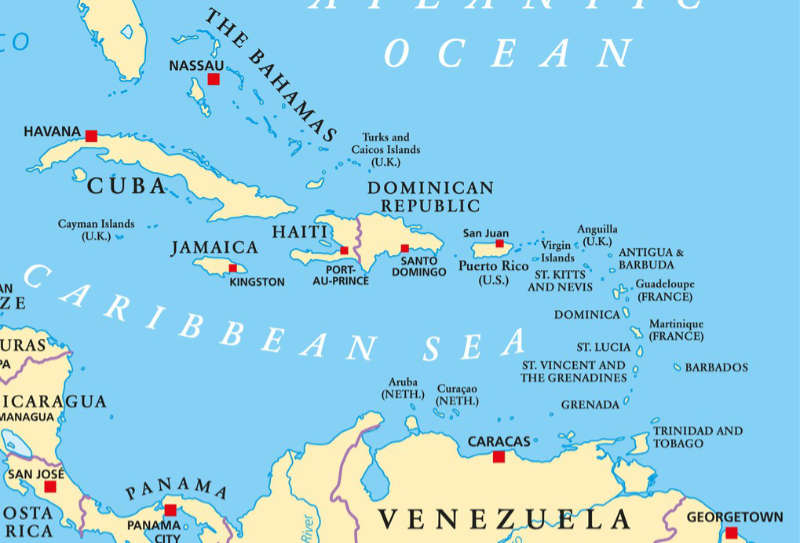
- From there, efficient feeder networks distribute to smaller island ports or mainland CARICOM destinations like Port of Spain (Trinidad), Georgetown (Guyana), or Bridgetown (Barbados).
Estimated transit times (2026 averages, port-to-port, subject to routing and disruptions):
- Jebel Ali to Caucedo/Kingston: 35–45 days via typical Atlantic routing.
- Add 5–10 days for final feeder legs to smaller CARICOM ports.
- Total door-to-door can stretch to 50–60+ days when including customs and inland moves.
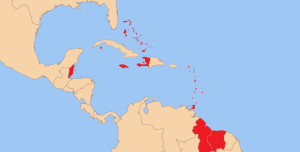
Gulf-to-CARICOM Corridor
These times are longer than short-sea Gulf routes, which is why container optimization, proper cargo selection, and accurate landed cost modeling become non-negotiable. A few extra days at sea matter less when your total cost per ton beats competitors and your backhaul revenue offsets the voyage.
Factors affecting reliability include seasonal weather in the Atlantic, port congestion at major hubs, and occasional global disruptions (Red Sea or Hormuz-related reroutings can indirectly tighten capacity and rates). Smart exporters build buffers and maintain relationships with carriers offering flexible scheduling.
Key Logistics Hubs on Both Sides
Persian Gulf side:
- Jebel Ali (UAE) remains the undisputed heavyweight—massive capacity, world-class infrastructure, and seamless integration with free zones for re-export or value-added processing.
- Hamad Port (Qatar) offers growing capabilities, particularly for certain bulk and project cargoes, with strong connectivity to regional feeders.
CARICOM / Caribbean side:
- Kingston, Jamaica: The region’s premier container transshipment hub with excellent feeder connections across the islands.
- Port of Spain, Trinidad and Tobago: Strong focus on energy-related cargoes and bulk handling.
- Caucedo, Dominican Republic: Rapidly expanding thanks to significant investment; serves as a strategic gateway for the broader Caribbean and nearshoring activities.
- Guyana ports: Undergoing expansion to handle larger vessels amid the country’s oil and infrastructure boom. The Linden-Lethem road corridor further unlocks access to interior markets and potential overland links toward South America.
Understanding each hub’s strengths—draft limits, crane capabilities, storage for temperature-sensitive or hazardous goods, and customs efficiency—directly impacts your choice of discharge port and overall landed cost.
The Logistics Titans Operating in This Corridor
Success in long-haul trade depends heavily on partnering with operators who have dedicated infrastructure and feeder networks.
DP World stands out as a dominant player with deep roots in both regions. From its massive operations at Jebel Ali, the company has invested hundreds of millions in the Caribbean—most notably at Caucedo Port in the Dominican Republic. Expansions there include quay extensions, new cranes, security upgrades, and adjacent free zones designed to support manufacturing and logistics. DP World’s integrated port-to-park model simplifies transshipment and nearshoring plays, making it easier for Gulf exporters to move goods efficiently into the region.
CMA CGM brings one of the strongest feeder networks in the Caribbean through services like CARIFEED. Their extensive liner and feeder connections allow consolidation in the Mediterranean or Atlantic before final distribution to multiple CARICOM islands. This is particularly valuable for containerized or less-than-container-load (LCL) shipments of polymers, chemicals, or packaged goods.
Other major carriers and regional specialists handle project cargo, bulk liquids (such as bitumen), and hazardous materials. For dangerous goods or temperature-controlled shipments, look for lines with specialized certifications and experience in the Atlantic trade.
When selecting partners, prioritize those with:
- Proven track record on the specific route
- Reliable feeder schedules
- Strong local agents or customs brokers in target CARICOM countries
- Digital tracking and documentation platforms
| Port Hub | Primary Advantage | Best For… |
|---|---|---|
| Jebel Ali (UAE) | Global Consolidation & Free Zone | Polymers, Machinery, Chemicals |
| Kingston (Jamaica) | Strategic Transshipment Node | Containerized Consumer Goods |
| Caucedo (DR) | Integrated Logistics Park | Nearshoring & Bulk Distribution |
| Georgetown (Guyana) | High-Growth Gateway | Oilfield Equipment & Infrastructure |
High-Potential Cargo Opportunities in Both Directions
Outbound from the Persian Gulf (Your Export Wins):
- Petrochemicals and polymers (polyethylene, polypropylene): Essential for plastics manufacturing and packaging in the region.
- Bitumen and asphalt products: Critical for road infrastructure projects across CARICOM nations.
- Cement and clinker: Driven by construction and reconstruction needs.
- Urea and fertilizers: Supporting agriculture in island economies.
- Oilfield equipment and industrial machinery: Tied to energy developments, especially in Guyana and Trinidad.
Backhaul opportunities (Optimizing the Round Trip):
- Tropical fruits, sugar, coffee, cocoa, and other agricultural products from CARICOM to premium Gulf markets (Dubai, Doha) or for re-export.
- These can fill returning containers or vessels, turning a one-way cost center into a balanced trade lane.
Matching the right cargo to the right vessel type and packaging (moisture-resistant for humid Caribbean conditions) is key to minimizing claims and demurrage.
Utilizing Free Trade Zones as Intermediate Hubs
While hubs like Jebel Ali and Kingston are vital, the most successful traders are now employing a Mid-Point Warehousing Strategy to slash lead times.
Operational Insight: Instead of shipping everything direct-to-order, savvy operators move bulk inventory into specialized Free Zones like Caucedo (Dominican Republic) or Colon (Panama). By holding “buffer stock” in these regional anchors, you can reduce final delivery times to CARICOM nations from 60 days down to just 5 days. On Platform.Tendify.Net, we help you connect with verified warehousing partners in these zones to transform your supply chain from a slow-moving pipeline into a high-speed regional distribution network.
Operational Challenges and Practical Survival Strategies
Long-distance maritime logistics to CARICOM is not without friction. Here’s how experienced traders handle the realities:
CARICOM Common External Tariff (CET): Non-member goods face standardized duties. Petrochemicals, cement, and related products often fall under specific HS chapters with rates that can reach 20-40% in some categories, though suspensions or exemptions exist for development priorities. Accurate HS code classification is essential—misclassification leads to delays and penalties. Use reliable tools to verify rates and plan landed costs upfront.
Packaging and environmental resilience: High humidity and tropical conditions demand robust moisture barriers, proper sealing, and sometimes specialized coatings (especially for cement or bitumen). Factor this into your costing early.
Freight rate volatility and capacity: On secondary routes, rates can swing with global disruptions or seasonal demand. Secure space weeks or months ahead and consider freight hedging or fixed-rate contracts where possible.
Customs and compliance: Each CARICOM member has nuances despite the common framework. Engage experienced local customs brokers early. Documents like commercial invoices, packing lists, certificates of origin, and phytosanitary certificates (if agricultural backhaul) must be precise.
Risk management: Include strong force majeure and war-risk clauses in contracts. Marine insurance tailored to the route is non-negotiable.
Strategic Incoterms: Shifting the Risk Profile
In the Gulf-to-Caribbean corridor, the transit time is a marathon (50–60 days), making the point of Risk Transfer a critical deal-breaker.
The Strategy Shift: While many GCC exporters are accustomed to FOB (Free on Board) terms, buyers in Guyana and Jamaica are increasingly demanding CIF (Cost, Insurance, and Freight) or even DAP (Delivered at Place). In 2026, mastering Group C and Group D Incoterms is no longer optional—it is a competitive necessity. By taking responsibility for the long maritime leg, you remove a massive psychological and operational barrier for the buyer, often becoming the deciding factor in winning high-value tenders.
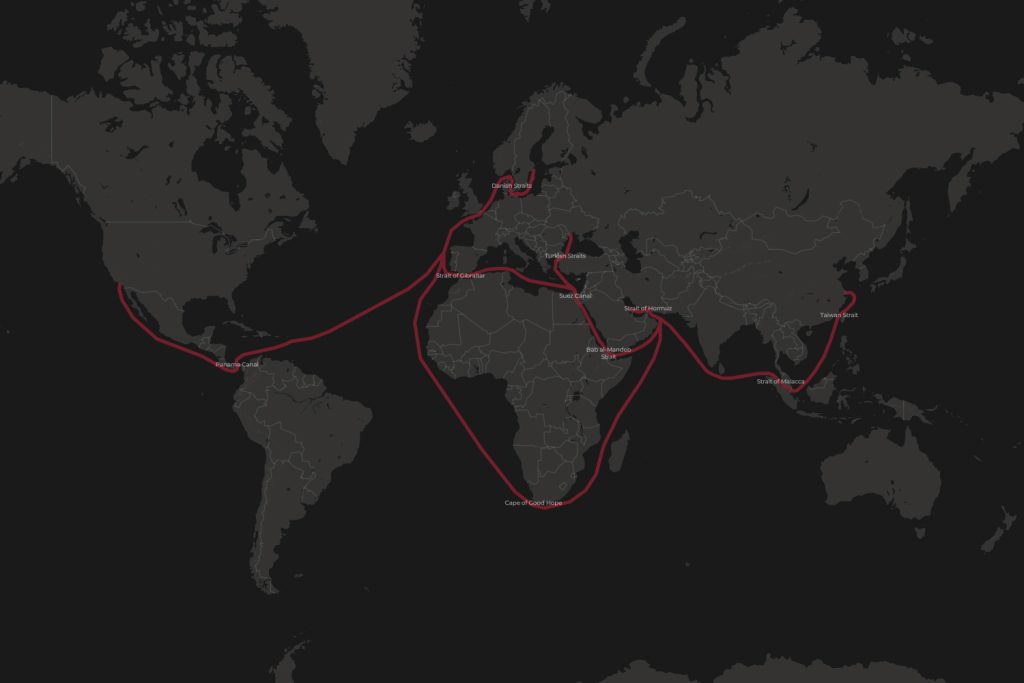
Persian Gulf-to-Caribbean corridor
Green Shipping and the Energy Balance (IMO Compliance)
Long-haul corridors are now under the microscope of global decarbonization efforts, specifically IMO 2020 and 2024 regulations.
The Future of Tariffs: As the industry pivots toward “Green Shipping,” the carbon footprint of your voyage matters. We anticipate that low-carbon goods or those transported via eco-certified vessels may soon qualify for preferential customs treatment or reduced tariffs within CARICOM’s evolving green frameworks. Positioning your Gulf-origin exports as part of a sustainable supply chain isn’t just about ethics—it’s about preparing for a new era of carbon-based trade barriers and incentives.
Digital Bill of Lading (e-BL) and Document Blockchain
In a world where goods move across multiple oceans, paper-based logistics is a liability.
Modern Logistics: On a 45-day voyage, the physical loss or delay of paper documents can lead to catastrophic Demurrage and Detention (D&D) costs at the port. Tendify advocates for the adoption of the Digital Bill of Lading (e-BL). By utilizing our digital document management tools, you ensure that the “title to the goods” arrives at the destination port before the ship does, eliminating the administrative friction that often stalls trade at the Caribbean gateway.
How Tendify Tools Give You the Edge in This Corridor
In a corridor with longer transits and multiple handoffs, precision tools separate profitable shipments from costly ones.
The 3D Container Optimization Tool is invaluable for long voyages. It helps you maximize space utilization, balance weight distribution, and reduce per-unit shipping costs—critical when every extra cubic meter or ton impacts margins over 35–45 days at sea. Head to Platform.Tendify.Net and test your next Gulf-to-Caribbean load; the difference in efficiency often pays for itself on the first container.
The Landed Cost Calculator (and related trade cost tools) lets you model full economics: ocean freight, transshipment fees, CET duties, local transport, insurance, and handling. Input your product details and destination to see true profitability before committing.
Other practical supports include:
- HS Code Finder for accurate classification under CARICOM rules
- Export Documentation Checklist Generator to ensure nothing is missing for Caribbean clearance
- Proforma Invoice Builder and ProTrade Contract templates tailored for international deals
- Access to verified partners via the marketplace for local agents or freight forwarders in target ports
These aren’t theoretical features—they’re battle-tested for exactly the kind of cross-regional trade we’re discussing. Logging into the Tendify Command Center at Platform.Tendify.Net gives you one dashboard to plan, calculate, document, and connect—dramatically shortening the learning curve for new corridors.
The “Silent Killer”: Standardization & Technical Specs
A minor oversight in technical standards can result in a “dead shipment” upon arrival.
The Compliance Gap: CARICOM nations often follow a blend of British and American standards that may conflict with Gulf-produced equipment. For instance, electrical voltages, frequencies, and even measurement systems (Metric vs. Imperial) vary across the islands. Whether you are exporting industrial pumps or electrical panels, Technical Spec Alignment must occur before the cargo is loaded. Always verify the destination’s specific grid requirements and standardizations to avoid expensive retrofitting or rejection at the port of discharge.
FAQ: Common Questions About Gulf-to-CARICOM Maritime Logistics
Do we need a confirmed Letter of Credit for these shipments? It depends on the buyer, value, and your relationship. Many experienced traders use escrow services or secure payment platforms as flexible alternatives, especially for repeat business. Evaluate risk case-by-case.
How do CET duties affect petrochemical or cement imports? Rates vary by HS code and product specifics (often in the 0–40% range depending on the chapter and any suspensions). Always verify current rates and check for exemptions tied to infrastructure or development projects. Accurate classification prevents surprises.
What packaging is essential for Caribbean discharge? Prioritize moisture-proofing and tropical-resistant materials. For cement, use multi-layer bags or specialized liners. For bitumen, ensure proper drum or bulk tanker specifications suitable for high temperatures and humidity.
Is direct service available or is transshipment mandatory? Most shipments involve at least one transshipment. Hubs like Caucedo or Kingston make the process efficient when using established carriers.
Final Thoughts: Turn This Corridor into Your Competitive Advantage
Connecting the Persian Gulf to the Caribbean and CARICOM isn’t about chasing exotic volume—it’s about disciplined execution on a route with structural supply-demand fit, improving round-trip economics, and using modern tools to control costs and risks.
The traders winning here in 2026 aren’t the biggest; they’re the most prepared. They optimize containers ruthlessly, model every cost layer accurately, choose the right logistics partners, and comply with CARICOM requirements from day one.
Ready to explore these opportunities with precision? Log into the Tendify Command Center at Platform.Tendify.Net. Test your next shipment with the 3D optimizer and landed cost tools, connect with verified partners, and generate compliant documentation in minutes. Whether you’re moving your first test container or scaling an established flow, the platform is built to make complex corridors like this one manageable and profitable.
The window is open. The infrastructure is expanding. The demand is real. The only question is whether you’ll be one of the operators who captures the margin—or watches from the sidelines.
Start building your Gulf-to-CARICOM playbook today. Your next high-margin lane is waiting.