Blog
2026 Qatar Re-Export Secrets: Clear Hamad Port Faster and Cheaper

Imagine this: You’ve secured a massive order for construction materials destined for a neighboring GCC country. The goods arrive smoothly at Hamad Port, but then customs delays hit—paperwork issues, unexpected fees, or valuation disputes threaten your margins and deadlines. I’ve been in international trade for decades, and I’ve seen profitable deals turn into headaches overnight because of overlooked re-export rules.

Qatar Re-Export
In 2026, Qatar is pushing hard to become a regional logistics powerhouse, with Hamad Port at the center. Re-exporting through this gateway can slash costs and speed up delivery—if you know the regulations inside out. Get it wrong, and you’re facing penalties or stuck shipments.
This guide breaks down everything you need for seamless re-export operations in Qatar this year. We’ll cover the latest procedures, incentives, and practical steps drawn from real-world trade flows.
Why Hamad Port is a Game-Changer for Re-Export in 2026
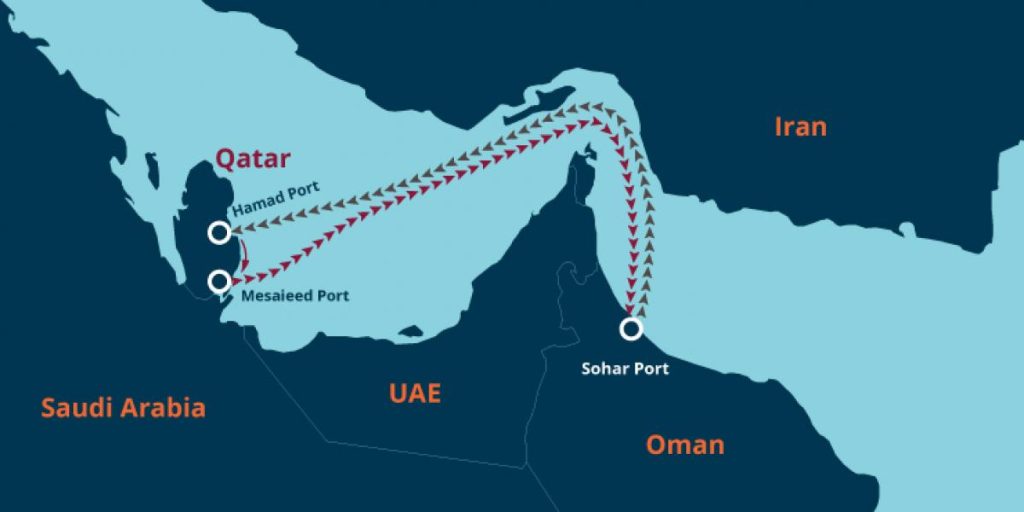
Hamad Port isn’t just another facility—it’s strategically built to handle massive transshipment volumes. With capacity for millions of TEUs annually, advanced inspection zones, and direct links to regional markets, it’s designed for efficiency.
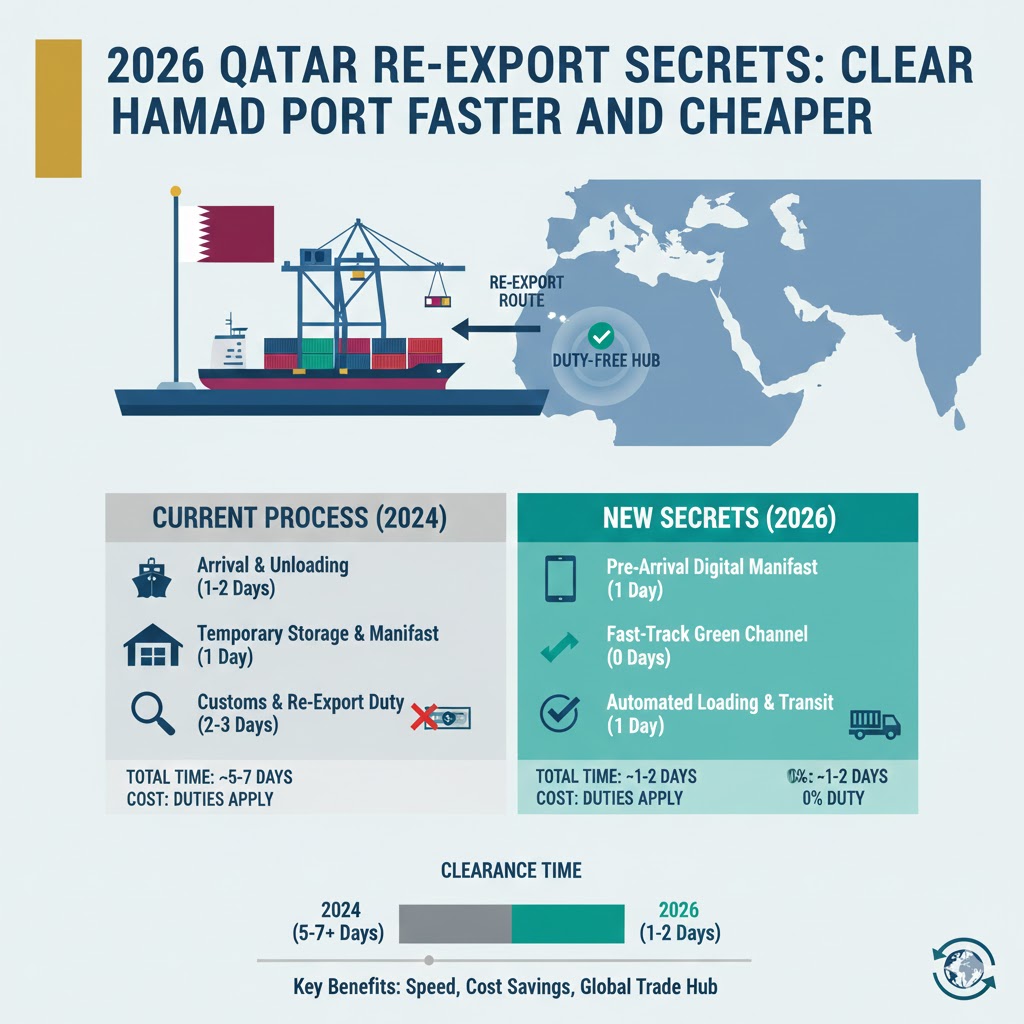
In recent years, Qatar has introduced simplified protocols for transit and re-export shipments. These include reduced tariffs on handling, extra free storage days, and lower customs fees for goods moving through to nearby countries.
Key advantages include:
- Faster vessel and yard operations compared to congested regional hubs.
- Electronic infrastructure that cuts paperwork time dramatically.
- Competitive edge for re-exports to GCC neighbors, leveraging Qatar’s neutral positioning.
Data shows ports facilitating easy transit see trade volumes grow faster. Qatar’s investments here align with that—aiming to diversify beyond energy and boost non-oil exports.
I’ve handled re-exports through various GCC ports, and Hamad’s focus on speed stands out. One delayed container can cost thousands; here, streamlined processes minimize that risk.
Understanding Re-Export vs. Transit in Qatar Customs
Re-export and transit are often confused, but they differ significantly in duties and procedures.
Transit goods pass through Qatar without entering the local market—often by truck or vessel to land borders. No customs duties apply if they exit promptly.
Re-export goods are imported temporarily (duties suspended or paid with refund), stored or minimally handled, then exported. This suits adding value or consolidating shipments.
In 2026, both benefit from Qatar’s “Import for Re-Export” initiative, which postpones duties for eligible sectors to encourage trade flow.
Qatar Re-Export Secrets
Why does this matter? Choosing wrong means unnecessary duties or compliance failures. Transit suits pure pass-through; re-export fits warehousing or repackaging.
Key 2026 Updates to Qatar Customs Regulations
Qatar follows the GCC Common Customs Law, with local enhancements via the General Authority of Customs (GAC).
Notable developments into 2026:
- Full rollout of AI-powered document archiving and analysis for faster verification.
- Enhanced Al Nadeeb single-window platform integrations, reducing clearance to hours for compliant shipments.
- Continued emphasis on Authorized Economic Operator (AEO) status for priority treatment.
- Simplified transit protocols announced for Hamad Port, including lower fees and extended free periods.
No major tariff hikes for standard goods—most remain at 5% CIF, with exemptions for over 800 items. Prohibited/restricted lists unchanged: no alcohol, pork, or narcotics.
These updates stem from Qatar’s push for trade facilitation. HubSpot-like reports on global logistics highlight digital customs as a top efficiency driver.
Step-by-Step Guide to Re-Exporting Through Hamad Port
Let’s get practical. Here’s how to execute a re-export flawlessly.
Qatar Re-Export Hamad Port
1. Pre-Arrival Preparation
Register on Al Nadeeb if not already. All importers/exporters need approval via Qatar Chamber.
Gather documents:
- Commercial invoice (authenticated).
- Certificate of Origin.
- Bill of Lading/Air Waybill.
- Packing list.
- HS Code-aligned declaration.
For re-export, specify “temporary import for re-export” or transit mode.
Pro tip: Use AEO status if qualified—skips many inspections.
2. Arrival and Customs Declaration
Goods arrive at Hamad Port. Submit declaration via Al Nadeeb before or upon arrival.
System auto-routes for approvals. Pay any security deposit for suspended duties.
Inspection: Risk-based. Low-risk shipments clear fast; high-risk get physical checks.
3. Storage and Handling
Benefit from extended free storage for transit/re-export.
If value-adding (allowed minimally), stay compliant—no full manufacturing without permits.
4. Re-Export Clearance
Submit re-export declaration.
Prove original import (links via Al Nadeeb).
Refund duties if paid, or release deposit.
Goods exit—track via electronic seals if required.
5. Common Pitfalls to Avoid
- Undervaluation: Strict valuation rules—use transaction value method.
- Missing authentication: COOs/invoices need Arab Chamber endorsement.
- Exceeding time limits: Re-export within specified periods or face duties.
Case study: A trader I know saved 15% on costs by using suspended duties for machinery re-export—proper planning made it seamless.
Documents Checklist for Re-Export in 2026
| Document | Required For | Notes |
|---|---|---|
| Commercial Invoice | All | Authenticated, detailed |
| Certificate of Origin | All | Notarized by Arab authority |
| Bill of Lading | Sea shipments | Original or electronic |
| Customs Declaration | Via Al Nadeeb | Specify re-export/transit |
| Deposit Guarantee | Duty suspension | Bank guarantee or cash |
| Health/Halal Certs | Food/meat | If applicable |
Incentives and Cost-Saving Opportunities
Qatar offers:
- Duty drawback on re-exported goods (full refund if within time).
- Pending duties for select sectors.
- Reduced handling fees for transshipment.
- Free zones adjacent to Hamad for zero-duty storage.
Combine with ATA Carnet for temporary admissions—duty-free for up to a year.
These aren’t loopholes; they’re designed to make Qatar competitive. Businesses leveraging them see higher throughput.
For deeper dives into GCC customs, check our guides on Mastering FASAH for Saudi Customs 2026 and GCC Ports 2026: Master Customs Valuation.
Risk Management and Compliance Best Practices
Compliance isn’t optional—penalties for smuggling or errors are steep.
Build a strong approach:
- Train teams on HS codes and valuation.
- Use verified clearing agents.
- Audit declarations regularly.
- Monitor GAC updates via official channels.
I’ve seen companies thrive by treating compliance as a competitive advantage—faster clearances mean happier clients.
In 2026, digital tools like Al Nadeeb make this easier than ever.
The Future of Re-Export in Qatar
Qatar’s vision positions Hamad Port as a top transshipment hub. Ongoing investments in automation and green logistics will further reduce times and costs.
For traders, this means more opportunities in regional supply chains—especially reconstruction and infrastructure projects.
The “why” is clear: Efficient re-export drives economic diversification and positions your business at the heart of GCC trade.
Ready to capitalize on these opportunities? Join Tendify.net today—connect with verified suppliers, post RFQs, and access tools that streamline your global trade. Register now and start sourcing or selling with confidence.