المدونة
Zero-Waste Logistics: Digitizing Your Supply Chain to Save 15% on Costs
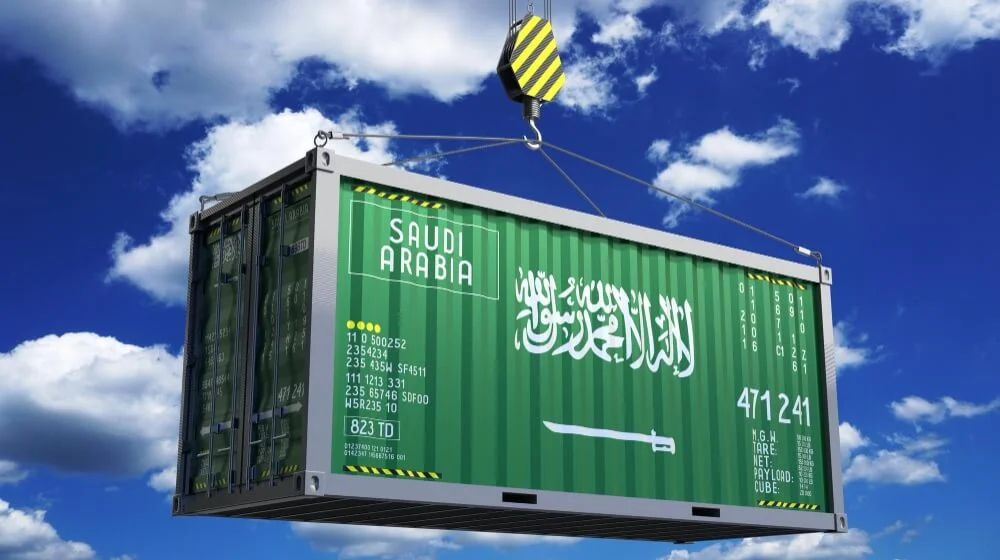
Imagine watching a container of fresh produce sit idle at a port for days longer than planned. Temperatures fluctuate, delays mount, and by the time it clears customs, a significant portion has spoiled. I’ve seen this happen far too often in global trade—costing businesses millions and contributing to unnecessary waste. But here’s the good news: digitizing the supply chain with modern tools can dramatically cut these losses, boost efficiency, and build a more resilient operation.
According to the Food and Agriculture Organization (FAO), about one-third of all food produced globally—roughly 1.3 billion tons—is lost or wasted each year, with a large chunk tied to supply chain inefficiencies like delays in transportation and poor visibility. In perishable goods sectors, these issues can account for up to 20-30% of losses due to spoilage alone. Digital transformation changes that by providing real-time visibility and smarter decision-making.
Digitizing Your Supply Chain
In this comprehensive guide, I’ll draw from decades of experience in global trade to show you exactly how digitizing your supply chain reduces waste—both physical (like spoiled inventory) and operational (like excess stock or errors). We’ll cover the why, the how, and actionable steps to get started, with real-world insights and data to back it up.
The Hidden Costs of Waste in Traditional Supply Chains
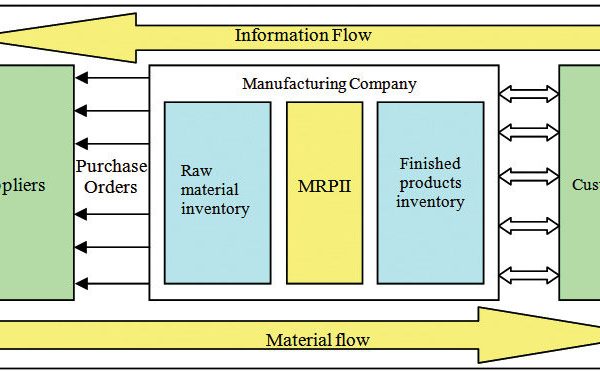
Traditional supply chains rely heavily on manual processes, fragmented data, and limited tracking. This leads to blind spots that amplify waste at every stage.
Physical waste hits hardest with perishables. Delays at ports or in transit can cause temperature-sensitive items—like food or pharmaceuticals—to degrade quickly. Studies show that inefficiencies in logistics contribute to significant spoilage, with cold chain breaks alone responsible for substantial losses in global food trade.
Operational waste is equally damaging: overstocking due to poor demand forecasting, excess inventory tying up capital, or errors from manual data entry. These add up fast—companies can lose 3-5% of annual revenue to supply chain inefficiencies, per reports from industry analysts.
Why does this persist? Lack of real-time visibility means you react after problems occur, not before. But digital tools flip this script, turning reactive firefighting into proactive optimization.
The Hidden Costs of Waste in Traditional Supply Chains
How Digital Transformation Drives Waste Reduction
Digital transformation in the supply chain integrates technologies like IoT sensors, AI analytics, blockchain, and cloud platforms to create a connected, transparent ecosystem. The core benefit? End-to-end visibility that minimizes errors and waste.
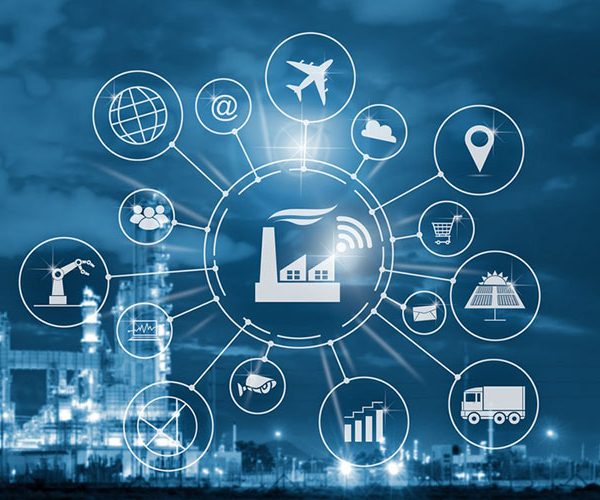
How Digital Transformation Drives Waste Reduction
Real-time data allows you to monitor shipments instantly, predict issues, and adjust on the fly. For example:
- IoT devices track temperature, humidity, and location in real time, alerting you to deviations before spoilage sets in.
- AI and predictive analytics forecast demand more accurately, reducing overproduction and excess inventory.
- Blockchain ensures immutable records for traceability, cutting fraud and disputes that lead to wasted resources.
Data backs this up: Companies adopting these tools report significant waste reductions. One major consumer goods firm used digital twins and IoT to optimize operations, slashing waste and improving efficiency across their network. Another saw inventory optimization lead to lower holding costs and less obsolescence.
The “why” is simple: Visibility eliminates guesswork. When everyone—from suppliers to logistics partners—accesses the same accurate data, errors drop, and waste plummets.
Key Technologies for Real-Time Visibility and Waste Minimization
To digitize effectively, focus on these proven technologies. Each plays a specific role in reducing waste.
IoT: The Foundation of Real-Time Tracking
Internet of Things (IoT) sensors are game-changers for perishable and high-value goods.
- Attach sensors to containers or pallets for live monitoring of conditions.
- Get alerts for temperature spikes or delays, allowing rerouting or interventions.
Case in point: Logistics providers using IoT have reduced spoilage in food transport by enabling precise cold chain management. This directly tackles issues like port delays causing food to rot.
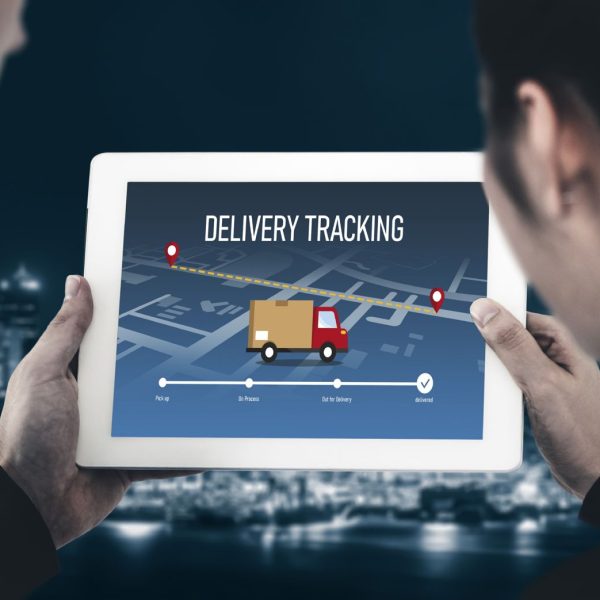
التتبع في الوقت الحقيقي
AI and Machine Learning: Predictive Power to Prevent Waste
AI analyzes vast data sets to spot patterns humans miss.
- Predict demand fluctuations to avoid overstocking.
- Optimize routes and inventory levels dynamically.
- Detect anomalies early, like potential delays.
Results? Companies leveraging AI for demand planning minimize waste from excess or shortages, with some achieving double-digit reductions in inventory waste.
Blockchain: Building Trust and Traceability
Blockchain creates a secure, shared ledger for all transactions.
- Track provenance from origin to destination without tampering.
- Automate smart contracts for faster payments and fewer disputes.
- Enhance collaboration with verified data.
In food supply chains, blockchain combined with IoT provides full traceability, reducing losses from recalls or contamination by isolating issues quickly.
Integrated Platforms: Tying It All Together
Modern wholesale marketplaces and supply chain platforms (like those offering real-time pricing and tracking) combine these technologies. They provide dashboards for oversight, automated RFQs, and secure transactions—streamlining global trade while cutting manual errors.
Step-by-Step Guide to Digitizing Your Supply Chain
Ready to act? Here’s a practical roadmap based on what I’ve implemented successfully in multiple operations.
- Assess Your Current State Map your supply chain end-to-end. Identify pain points: Where do delays occur most? Which products spoil frequently? Use tools like process audits to quantify waste.
- Prioritize High-Impact Areas Start with perishables or high-volume items. Focus on visibility in logistics and inventory first—these yield quickest waste reductions.
- Select and Implement Technologies
- Deploy IoT sensors on key shipments.
- Integrate AI tools for forecasting (many cloud-based options are affordable).
- Adopt blockchain-enabled platforms for traceability. Test in pilots to measure ROI before full rollout.
- Train Your Team and Partners Change management is key. Provide hands-on training to build buy-in—I’ve found this accelerates adoption and minimizes resistance.
- Monitor and Optimize Continuously Use KPIs like waste percentage, on-time delivery, and inventory turnover. Adjust based on data insights.
| التكنولوجيا | Primary Benefit | Waste Reduction Impact | Example Use Case |
|---|---|---|---|
| IoT Sensors | Real-time monitoring | Reduces spoilage by 20-30% in perishables | Temperature alerts during transit |
| AI Analytics | Predictive forecasting | Lowers overstock by optimizing inventory | Demand planning for seasonal goods |
| Blockchain | Immutable traceability | Minimizes losses from disputes/recalls | End-to-end product provenance |
| Integrated Platforms | Unified visibility | Cuts operational errors | Real-time pricing and RFQ automation |
Large-scale examples illustrate the potential:
- A global retailer integrated IoT and AI for inventory tracking, achieving real-time visibility that reduced waste and improved demand forecasting.
- Unilever employed digital twins and analytics to simulate scenarios, optimizing their supply chain and significantly lowering physical waste.
- Logistics firms using blockchain platforms like TradeLens gained real-time shipping data, reducing paperwork delays and associated waste.
In wholesale trade, platforms promoting real-time visibility have helped traders avoid losses from mismatched supply-demand or delayed clearances.
These aren’t outliers— they’re achievable with the right approach.
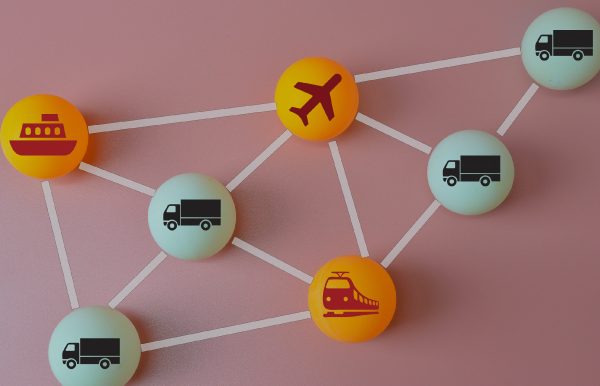
Digitizing Your Supply Chain
Overcoming Common Challenges in Digital Adoption
Digitization isn’t without hurdles, but they’re manageable.
- Cost Concerns: Start small with scalable cloud solutions—no need for massive upfront investment.
- Integration Issues: Choose interoperable tools that connect with existing systems.
- Data Security: Prioritize platforms with encryption and compliance features.
- Resistance to Change: Lead by example, sharing quick wins to demonstrate value.
From experience, the payback period is often under 12-18 months through waste savings alone.
The Future: Sustainable, Resilient Supply Chains
Looking ahead to 2026 and beyond, digitization isn’t optional—it’s essential for competitiveness. Trends like AI-enhanced predictive maintenance and blockchain-IoT hybrids will further slash waste while supporting sustainability goals.
Businesses embracing these now build resilience against disruptions, cut costs, and contribute to reducing global waste.
For more insights on scaling operations digitally, check out our guides:
- Scaling Import and Export Operations in a Digital-First World
- Digital Tools Every Import and Export Business Needs to Scale Globally in 2025
- Building a Digitally Driven Import and Export Business
Take Action Today: Join the Digital Shift
If you’re tired of watching profits evaporate due to waste and inefficiencies, it’s time to digitize. Platforms like Tendify.net make it straightforward—with real-time visibility tools, secure transactions, and direct connections to verified global partners.
Register for free on Tendify.net today and start experiencing the benefits of a digitized supply chain. Post your first RFQ or explore real-time opportunities—your more efficient, waste-free operation awaits.