المدونة
AI in MENA Trade 2026: How Smart Automation is Slashing Export Costs

I’ve spent decades building and scaling businesses in global trade. I’ve seen markets shift from paper-ledger deals to instant digital transactions. Today, in the Middle East and North Africa (MENA) region, we’re at a turning point. Digitalization and artificial intelligence are not just trends—they’re reshaping how we source, negotiate, and move goods across borders.
Think about this: PwC estimates that AI could add $320 billion to the Middle East economy by 2030. Meanwhile, the region’s digital transformation market is projected to grow at a 22.5% CAGR, reaching over $500 billion by 2035, according to Future Market Insights. Yet many traders still rely on outdated processes that waste time and money.

Digitalization and AI in MENA Trade
If you’re in import/export, wholesale, or supply chain, ignoring these shifts means falling behind. In this guide, I’ll break down what’s happening, why it matters, and—most importantly—how you can act on it right now.
The Current State of Trade in MENA
MENA trade has always been dynamic, driven by energy exports, growing consumer markets, and strategic location. But traditional challenges persist: complex customs, geopolitical risks, fragmented supply chains, and reliance on intermediaries.
Digitalization is changing that. Platforms now connect buyers and suppliers directly, with real-time pricing and secure payments. E-commerce in MENA is booming, expected to hit $80 billion by 2029, fueled by AI personalization and better logistics.
Governments are pushing hard. Saudi Vision 2030 invests billions in digital infrastructure. The UAE’s AI strategy aims for global leadership. These aren’t just policies—they create real opportunities for traders.
Key statistics at a glance:
- MENA digital economy projected to grow from $180 billion to $780 billion by 2030 (GSMA).
- AI market in Middle East & Africa expected to reach $257 billion by 2032, with 32.7% CAGR (Fortune Business Insights).
- Enterprises in MENA spend nearly 10% of revenues on digital transformation, higher than global averages.
The gap? Many businesses adopt tools piecemeal without full integration. That’s where AI steps in to bridge it.
How AI Is Transforming Trade Operations
AI isn’t futuristic—it’s practical and delivering results today.
In trade, AI handles predictive analytics, automation, and smarter decisions. Here’s why it works: AI processes vast data faster than any team, spotting patterns humans miss.
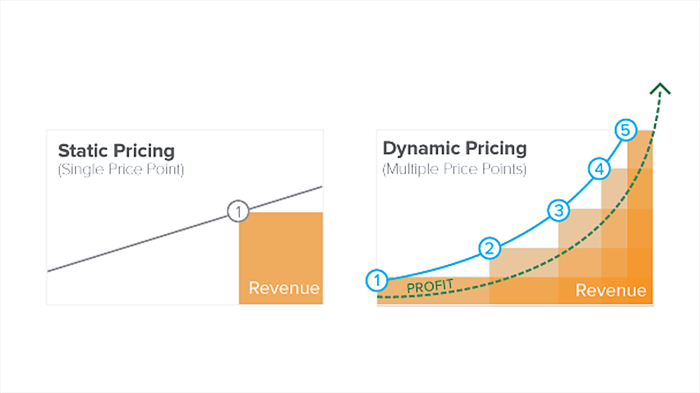
Predictive Analytics for Demand and Pricing
Gone are the days of guessing inventory needs. AI forecasts demand based on market trends, weather, or global events.
For example, in agriculture trade—a big MENA sector—AI predicts crop yields and prices, reducing overstock risks.
Real-world impact: Companies using AI for supply chain forecasting cut excess inventory by up to 20% (HubSpot studies).
Automated Supply Chain and Logistics
Blockchain combined with AI streamlines documentation, cutting delays in customs.
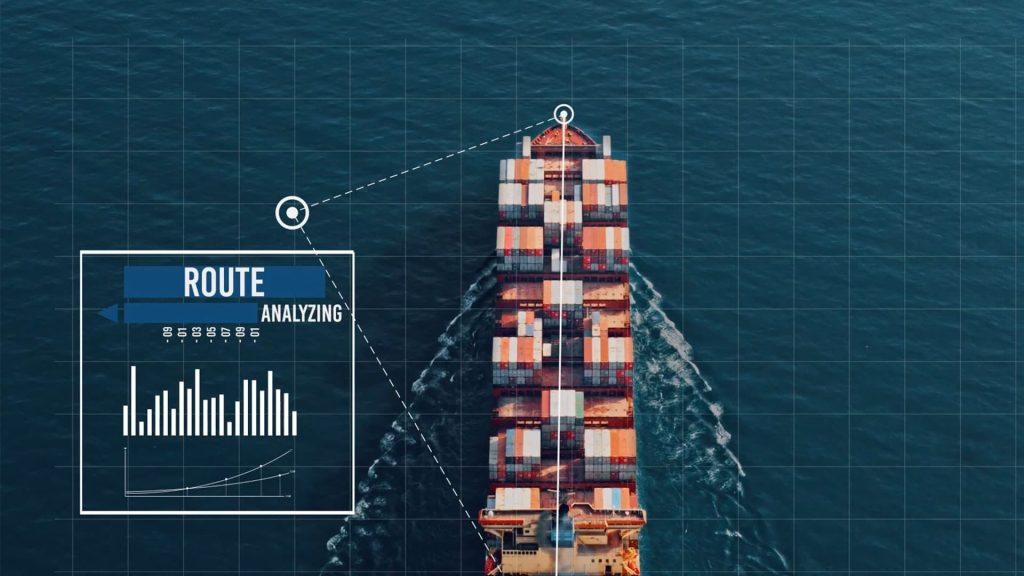
IoT sensors track shipments in real-time, while AI optimizes routes to save fuel and time.
In MENA’s oil/gas and manufacturing trades, this means fewer disruptions.
Personalized B2B Matching and Negotiation
Platforms use AI to match buyers with suppliers based on needs, history, and reliability.
Chatbots handle initial RFQs, speeding connections.
This builds trust in a region where relationships matter.
Case study insight: Early adopters in GCC trade report 30-40% faster deal cycles with AI tools.
Benefits of Digitalization and AI in MENA Trade
Why make the switch? The advantages are clear and measurable.
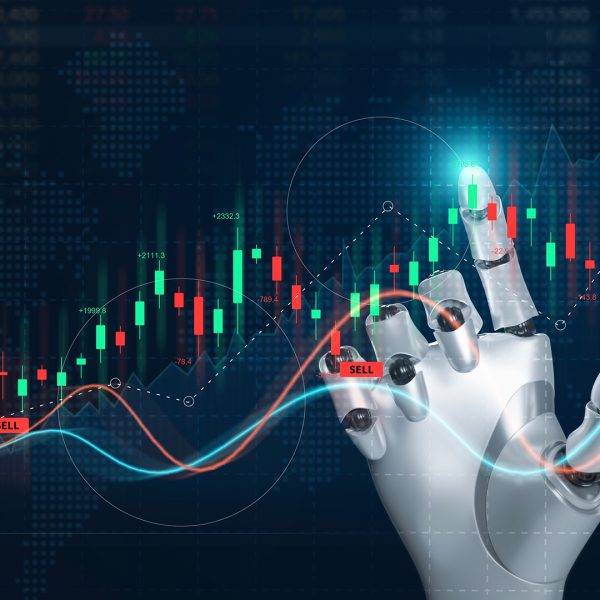
AI in MENA Trade
Cost Reduction and Efficiency Gains
Automation slashes manual work. One study shows digital supply chains reduce waste by 15-25%.
In high-volume wholesale, this translates to millions saved.
Risk Mitigation
AI flags geopolitical risks or supplier issues early.
During disruptions, predictive tools reroute shipments seamlessly.
Market Expansion
Digital platforms open global doors without physical presence.
MENA exporters now reach buyers in Asia and Europe directly.
Sustainability Edge
AI optimizes energy use in logistics, aligning with green initiatives like Vision 2030.
This attracts partners prioritizing ESG.
Comparison table: Traditional vs. Digital/AI-Enabled Trade
| أسبكت | Traditional Trade | Digital/AI-Enabled Trade |
|---|---|---|
| Deal Cycle Time | Weeks to months | Days to weeks |
| Error Rate in Docs | High (manual entry) | Low (automation) |
| Risk Forecasting | Reactive | Proactive |
| Cost per Transaction | Higher (intermediaries) | Lower (direct) |
| قابلية التوسع | محدودة | عالية |
No transformation is easy. I’ve faced these hurdles myself.
Infrastructure and Skills Gaps
Not all MENA areas have equal connectivity. Fragile states lag behind GCC leaders.
Solution: Start with cloud-based tools needing minimal setup. Partner with providers offering training.
Data Privacy and Regulatory Issues
Rising cyber threats concern everyone. MENA security spending hits $3.2 billion in 2025 (Gartner).
Solution: Choose platforms with strong encryption and compliance features. Build trust through transparency.
Integration with Legacy Systems
Old software resists new tech.
Solution: Adopt hybrid approaches. Phase in AI modules without full overhauls.
Cultural Resistance to Change
Teams fear job loss from automation.
البصيرة: AI augments jobs, not replaces them. It frees people for strategy.
Train staff early—I’ve seen productivity soar.
Step-by-Step: Implementing Digitalization and AI in Your Trade Business
Here’s a direct plan from experience.
- Assess Your Current Setup Audit processes: Where are bottlenecks? Use free tools like supply chain audits.
- Choose Core Tools Start with a digital marketplace for direct connections. Add AI for analytics.
- Pilot Small Test AI forecasting on one product line. Measure results in 3-6 months.
- Train Your Team Invest in short courses. Focus on practical use.
- Scale and Integrate Link tools with payments and logistics. Monitor ROI.
- Stay Compliant and Secure Regular audits. Update for new regs.
For deeper dives, check these related posts:
- Digitizing Your Supply Chain to Slash Waste in 2026
- From Manual Trade to Intelligent Global Operations
- Unlocking Supply Chain Opportunities in Saudi Vision 2030
The Future Outlook for MENA Trade
By 2030, AI will be routine in trade— from generative tools for contracts to advanced robotics in warehouses.
MENA leads in enterprise adoption, with GCC driving 5G and cloud.
Trade will shift to ecosystems: networks of trusted partners powered by data.
Businesses adapting now will dominate. Those waiting will scramble.
I’ve built success on spotting shifts early. This is one of the biggest.
Ready to Transform Your Trade Business?
Digitalization and AI aren’t optional—they’re the new standard for competitive MENA trade.
If you’re ready to connect directly with verified suppliers, access real-time opportunities, and build a resilient operation, start today.
انضم إلى Tendify.net الآن—post your first RFQ for free, explore wholesale deals, and see how digital tools can accelerate your growth. Register here and take the first step toward intelligent trade.