المدونة
Money Laundering Tactics in MENA 2026
Your Ultimate Guide to Staying Compliant and Protected
I’ve spent over four decades in the trenches of international trade, sourcing materials from bustling Gulf ports and negotiating deals that spanned continents. Back in the early days, I once nearly got burned by a seemingly straightforward shipment to Dubai—turns out, the payment trail led through layers of shadowy accounts that screamed foul play. It was a wake-up call: in regions like MENA, where economic booms collide with complex financial ecosystems, money laundering isn’t some abstract risk; it’s a daily threat that can dismantle a business overnight.
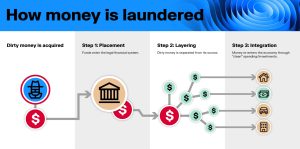
Money Laundering Tactics in MENA 2026
Fast-forward to 2026, and the landscape has evolved dramatically. With fintech surging in hubs like the UAE and Saudi Arabia, traditional systems like hawala digitizing, and currency volatilities in parts of the region creating perfect storm conditions, criminals are innovating faster than ever. Global estimates peg annual laundered funds at $800 billion to $2 trillion—2% to 5% of world GDP—with MENA’s slice growing amid diversification drives. A 2025 UNODC report notes only 1% of illicit flows are seized, underscoring the urgency.
This isn’t just about dodging fines; it’s about safeguarding your operations in a high-stakes environment. In this exhaustive guide, we’ll dissect the top emerging money laundering tactics in MENA for 2026, blending hard-hitting warnings with step-by-step education on detection and prevention. Drawing from real-world insights, regulatory frameworks like FATF’s 40 Recommendations, and MENAFATF’s strategic priorities, we’ll equip you with actionable strategies to turn compliance into a business advantage. By the end, you’ll not only spot these red flags but also build a fortress around your finances.
The Shifting MENA Landscape: Why Money Laundering Risks Are Skyrocketing in 2026
MENA’s economic transformation is a double-edged sword. On one side, initiatives like Saudi Vision 2030 and UAE’s Centennial 2071 are fueling growth in non-oil sectors, with fintech investments hitting record highs. The MEA anti-money laundering market alone generated $233.2 million in 2024 and is projected to grow at 15.5% CAGR through 2030. But this boom attracts illicit actors exploiting gaps in regulation and technology.
Key drivers include:
- Fintech Explosion: With over 800 fintech firms in the region by 2025, platforms for digital payments and crypto are ripe for abuse.
- Traditional Networks: Hawala and informal remittances, handling billions annually, are modernizing with apps, blurring lines between legit and illicit.
- Currency Fluctuations: In volatile markets, arbitrage hides dirty money trails.
- Sector Vulnerabilities: Real estate, gold, and gaming see spikes in laundering due to high-value anonymity.
Regulatory responses are ramping up. The UAE assumes MENAFATF presidency in January 2026, signaling tougher enforcement. FATF’s focus on virtual assets and trade-based schemes aligns with MENAFATF’s third-round mutual evaluations, like those for Mauritania and Oman, emphasizing effectiveness in AML/CFT. Yet, gaps persist—many countries score below average on preventive measures.
Understanding this context is crucial. Criminals don’t just wash money; they integrate it into economies, inflating costs and eroding trust. For businesses, entanglement means frozen assets, reputational ruin, and penalties up to millions under updated laws.
Trade-Based Money Laundering (TBML): The Silent Killer in MENA Commerce
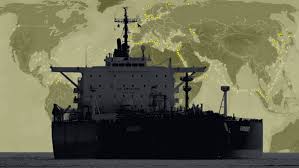
Trade finance dominates MENA, with Gulf ports processing trillions in goods yearly. TBML exploits this by manipulating invoices, quantities, or values to move illicit funds disguised as legitimate trade.
Crypto Money Laundering
How TBML Traps Legitimate Businesses: Real-World Scenarios
Picture exporting construction materials to Saudi Arabia. A buyer insists on fragmented shipments—multiple low-value consignments—to “optimize logistics.” Each under $15,000 evades scrutiny, but collectively, they layer funds from drug trafficking or corruption. In MENA, free zones like Jebel Ali amplify this, where rapid transits mask discrepancies.
Another ploy: Over-invoicing exports to inflate values, allowing excess payments to return clean. A 2025 FATF study highlights how trade-based schemes launder billions, often combined with other methods for obscurity. I’ve encountered cases where suppliers unwittingly facilitated this via fake bills of lading, only discovering during audits.
Variations include:
- Under-Invoicing: Selling below market to evade duties, with side payments settling the difference illicitly.
- Phantom Shipments: Documented goods that never move, justifying fund transfers.
- Commodity Misclassification: Declaring high-value items as low to hide premiums.
In 2026, AI enhances these by generating realistic docs, making detection harder.
The Brutal Consequences: Legal, Financial, and Operational Fallout
Entanglement spells disaster. Under FATF Recommendation 1 (risk-based approach), failures invite investigations. In the UAE, 2025 amendments boost penalties, including jail for enablers. Banks may freeze accounts, halting operations. Globally, firms face blacklisting, losing partners—reputation recovery can take years.
Financially, fines escalate: A recent case saw a firm hit with $400 million for AML lapses. Operationally, supply chains disrupt, eroding margins.
Mastering Detection: In-Depth Education on AML Tools and Best Practices
Knowledge is your shield. Modern AML systems leverage AI for pattern recognition. Transaction monitoring scans for anomalies like price deviations from benchmarks (e.g., using World Customs Organization data).
Step-by-Step Implementation:
- Conduct Risk Assessments: Map trade partners and routes quarterly, using FATF’s risk indicators.
- Verify Documentation: Cross-check invoices with independent sources—apps like TradeLens use blockchain for transparency.
- Deploy AI Monitoring: Tools flag unusual patterns, such as repeated small trades exceeding norms.
- e-KYC Integration: Real-time verification of counterparts via platforms linked to MENAFATF registries.
- Train Teams: Workshops on red flags, like mismatched shipping manifests.
Pro Tip: Benchmark prices using sources like Platts for commodities. If a deal’s too good, probe deeper—savings upfront often cost more long-term.
Case Study: A 2025 UAE probe exposed TBML in gold trades, where overvalued shipments laundered $460 million via crypto conversions. Early detection via AI saved compliant firms from fallout.

Money Laundering in Mena
Cryptocurrency and Virtual Assets: The Digital Shadows of Laundering in MENA
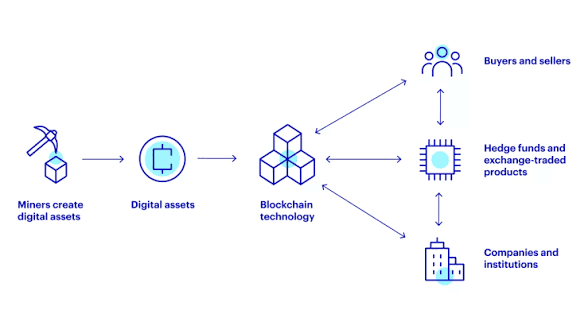
MENA’s crypto adoption is booming—UAE’s hubs like Dubai Multi Commodities Centre host thousands of firms. But this enables laundering, with $24.2 billion in illicit crypto transactions in 2025.
Entrapment Scenarios: From Wallets to Wash Trades
A client pays in crypto for services, routing through mixers—services tumbling coins for anonymity. It seems efficient, but it’s layering illicit gains from hacks or sanctions evasion. In MENA, OTC brokers within exchanges facilitate this, exploiting regulatory lags.
Advanced tactics:
- DeFi Exploitation: Using decentralized platforms for flash loans, borrowing and repaying in one transaction to obscure origins.
- NFT Laundering: Buying/selling non-fungible tokens at inflated prices to legitimize funds.
- Cross-Chain Bridges: Moving assets between blockchains to break trails.
Currency volatility aids arbitrage, masking true flows. AI now automates this, creating synthetic trades.
Severe Warnings: Regulatory Hammers and Business Shutdowns
FATF Recommendation 15 mandates controls on virtual assets. Non-compliance triggers asset freezes and sanctions. UAE’s VARA enforces seven-figure fines; in 2026, expect heightened scrutiny under MENAFATF presidency. Businesses risk delisting, crippling fintech ties.
Globally, 2025 saw $56 million seized in Canada for crypto laundering—similar actions loom in MENA.
Comprehensive Education: Blockchain Tracing and Compliance Mastery
AML evolves with tech. Tools like Chainalysis trace wallets, identifying mixers or sanctioned addresses.
Detailed Steps:
- Screen Wallets: Before transactions, use software to check for illicit links.
- Implement Travel Rule: Share sender/receiver data per FATF standards.
- Monitor Velocity: Flag high-speed transfers indicating automation.
- Adopt Multi-Sig: Require multiple approvals for crypto moves.
- Audit Regularly: Use forensic experts to review chains.
Insight: Privacy coins like Monero pose challenges, but AI detects behavioral patterns. Educate via simulations—teams spotting fakes early prevent crises.
Case Study: 2025 Spanish arrests for $460 million crypto laundering highlight MENA parallels, where Gulf exchanges were intermediaries.
Modernized Hawala: Tradition Meets Tech in MENA’s Underground Economy
Hawala, transferring billions via trust networks, remains vital for remittances in MENA. Digitization via apps adds speed but risks.
How It Snares Businesses: Subtle Shifts to Illicit Flows
A partner suggests hawala for “quick settlements” amid fluctuations. You comply, but the network offsets illicit funds. Apps encrypt coords, evading detection.
Variations:
- Hybrid Systems: Combining traditional ledgers with digital wallets.
- Remittance Layering: Splitting large sums into small hawala transfers.
- Agent Posing: Brokers fronting as legit, funneling dirty money.
MENAFATF webinars emphasize improving these systems.
Dire Outcomes: Crackdowns and Operational Paralysis
MENAFATF aligns with FATF for monitoring. Violations lead to shutdowns; Saudi’s ZATCA targets concealment. Businesses face audits, losing banking access.
In-Depth Training: Analytics for Informal Detection
Behavioral AI correlates patterns with economic data, flagging anomalies.
Steps:
- Shift to Regulated Channels: Use licensed fintech for traceability.
- Document Offsets: Require proofs for any hawala use.
- Red Flag Training: Spot undocumented large transfers.
- Collaborate with FIUs: Report suspicions promptly.
- Use Data Analytics: Tools like SAS for pattern spotting.
Pro Tip: In volatile areas, hedge currencies legitimately—avoid shortcuts.
AI-Driven Laundering: Synthetic Schemes and Deepfakes in 2026 MENA
AI’s rise in finance spawns new threats, like synthetic identities.
Scenarios of Deception: Fakes That Fool Systems
A “client” verifies via deepfake video, opening accounts for layering. In fintech-heavy MENA, this enables micro-laundering.
Tactics:
- Bot-Driven Trades: AI automating wash trades in markets.
- Synthetic Docs: Generating fake IDs for entity creation.
- Predictive Evasion: AI anticipating AML flags.
2026 trends show governance tightening.
Harsh Realities: Exclusion and Probes
FATF pushes AI oversight. Failures lead to market exclusion; UAE reforms amplify.
Advanced Countermeasures: Biometrics and AI Defenses
e-KYC uses liveness checks to detect fakes.
Steps:
- Multi-Factor Verification: Combine biometrics with device fingerprinting.
- Ongoing Monitoring: AI scans for synthetic behaviors.
- Vendor Partnerships: Use compliant tools like Jumio.
- Internal Audits: Simulate attacks to test resilience.
- Ethical AI Use: Train models on diverse data to avoid biases.
Case Study: 2025 market laundering via mirror trades exposed $225 million in US, with MENA links.
Sector-Specific Risks: Real Estate, Gold, Gaming, and Beyond
MENA’s growth sectors are hotspots.
Real Estate: Properties as Laundering Vehicles
Anonymous offshore buys hide origins. MENAFATF typologies report details risks.
Scenario: Layered payments for Dubai villas.
Warning: Seizures under AML laws.
Detection: Registry analytics flag mismatches.
Steps: Require source-of-funds proofs; use title insurance.
Gold Trade: Precious Metals’ Vulnerabilities
Fake assays circular trades. 2025 MENAFATF report on gold misuse.
Scenario: Overvalued bullion shipments.
Consequences: Bans.
Insight: AI scans deviations.
Steps: Assay independently; track chains.
Gaming and Virtual Economies: Digital Laundromats
In-game asset trades launder via platforms.
Scenario: NFT flips in metaverses.
Risks: Bans.
Education: Monitor virtual transfers.
Steps: Limit in-game economies; KYC users.
Other Sectors: Charities, Art, and More
Non-profits abused for TF; art for value storage.
MENAFATF focuses on legal arrangements.
Steps: Enhanced due diligence for high-risk.
FATF and MENAFATF Frameworks: Your Compliance Blueprint
FATF’s 40 Recommendations provide the core—risk assessment, customer due diligence, etc. MENAFATF adapts for MENA, with 2025-2026 priorities on effectiveness.
Key: Mutual evaluations drive improvements; UAE’s 2026 chairmanship boosts.
Integrate: Align audits with standards.
Building an Ironclad Compliance Program: Step-by-Step Strategies
- Risk Mapping: Identify exposures using FATF tools.
- Tech Stack: AI AML like Napier, saving $183B globally.
- Training Regimens: Role-playing scenarios.
- Partnership Vetting: Deep dives on counterparts.
- Incident Response: Protocols for suspicions.
- Metrics Tracking: KPIs on detection rates.
Pro Tips: Outsource to specialists; foster culture of vigilance.
Case Studies from MENA and Global Parallels
- UAE Gold Scheme (2025): $460M laundered via fake trades.
- Saudi Fintech Breach: AI deepfakes enabled $100M flow.
- Regional TBML Ring: Exposed in 2025, linking to emerging economies.
Lessons: Proactive monitoring saves.
Future Outlook: MENA’s AML Horizon in 2026 and Beyond
Trends: AI governance, crypto regs, regional cooperation. Expect $10.3B AML software market by 2033. Challenges: Emerging risks in Sub-Saharan MENA ties.
Stay ahead: Continuous learning.
For deeper dives, check our analysis on GCC Trade Dynamics و Export Scams.
If you’re navigating MENA trade and need verified partners, real-time compliance insights, and secure deals, Tendify.net is your platform. Sign up today for buyer leads, market updates, and tools to keep your business clean and thriving. Don’t wait—join now and fortify your future.