المدونة
What Trump’s 25% Secondary Tariff Means for Your Business
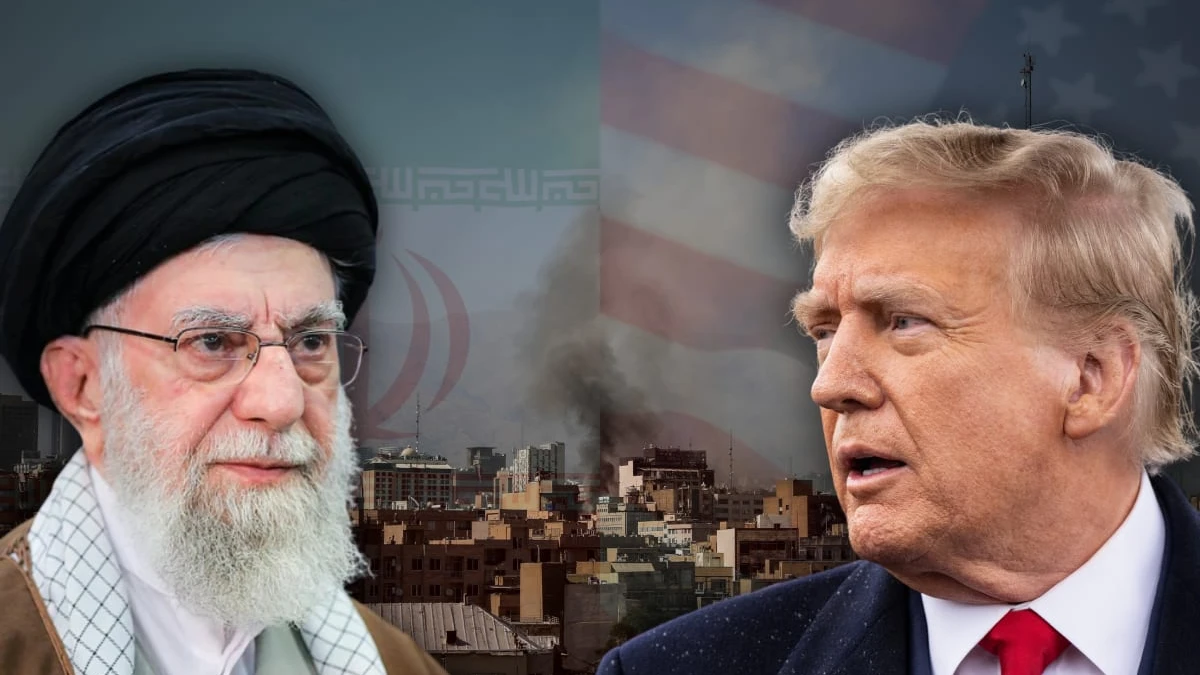
In January 2026, U.S. President Donald Trump announced and later formalized through executive order a sweeping new policy: any country engaging in business with Iran faces a 25% additional tariff on its exports to the United States. This “secondary tariff” mechanism builds on decades of U.S. sanctions but shifts from entity-specific secondary sanctions to a broader, country-level penalty tied to any trade with the Islamic Republic.
The policy targets Iran’s economic lifelines—primarily oil and petrochemical exports to China, re-exports and regional trade via the UAE, Turkey, and India—while aiming to intensify the “maximum pressure” campaign amid Iran’s domestic protests and regional tensions.
Trump’s 25% Secondary Tariff
Major trading partners like China (Iran’s top oil buyer, accounting for 80-90% of its seaborne crude), the UAE (key re-export and logistics hub), Turkey, India, and Iraq now face heightened risks when accessing the U.S. market. This could disrupt global supply chains, raise costs for U.S. importers and consumers, and force difficult choices for businesses worldwide.
For Iran, the policy exacerbates isolation, potentially deepening discounts on its oil, accelerating currency pressures, and limiting non-oil trade diversification. However, historical resilience through shadow fleets, barter deals, and regional networks suggests trade will persist in adapted forms rather than cease entirely.
This report examines the policy’s background, mechanics, country-specific impacts, sectoral effects, compliance challenges, business strategies (including tools like those on platforms such as تينديفاي), and long-term outlook. Data draws from trade statistics, official announcements, and economic analyses as of early 2026.
Historical Context: U.S. Sanctions on Iran and the Evolution to Secondary Tariffs
U.S. sanctions against Iran date back to the 1979 Islamic Revolution and the hostage crisis, with comprehensive measures evolving over decades. Key milestones include the Iran and Libya Sanctions Act of 1996 (later ISA), which introduced secondary sanctions targeting foreign firms investing in Iran’s energy sector. The 2010s saw intensification under Obama (targeting Iran’s nuclear program) and the 2015 JCPOA nuclear deal, which offered temporary sanctions relief in exchange for curbs on enrichment.
Trump’s first term (2017-2021) withdrew from the JCPOA in 2018, reimposing “maximum pressure” sanctions. This included snapping back UN sanctions, designating the IRGC as a terrorist organization, and aggressively enforcing secondary sanctions on oil buyers. Countries like China, India, South Korea, Japan, and Turkey received temporary waivers but faced pressure to reduce imports to near zero. Iran’s oil exports plummeted from over 2.5 million barrels per day (bpd) pre-2018 to under 500,000 bpd at lows, though China continued covert purchases via “teapot” refineries and ship-to-ship transfers.
The Biden administration (2021-2025) pursued limited diplomacy but maintained core sanctions, with enforcement varying. Iran’s oil exports recovered somewhat to 1.5-2 million bpd by 2024-2025, largely to China, aided by a “shadow fleet” of tankers evading tracking and insurance restrictions. Non-oil trade, including petrochemicals, metals, and agricultural goods, shifted toward neighbors like the UAE, Iraq, and Turkey, often via free zones and informal channels.
Trump’s return in 2025 revived maximum pressure aggressively. Early actions included new designations on evasion networks, military strikes on nuclear sites (in context of regional conflicts), and renewed focus on zeroing out Iranian oil revenue. The 25% tariff policy, announced via Truth Social in January 2026 amid Iranian protests and a government crackdown, represents an escalation: it weaponizes U.S. market access as leverage against third countries, framing any trade with Iran (not just oil) as grounds for penalties.
Legal basis rests on the International Emergency Economic Powers Act (IEEPA) and prior Iran-related national emergencies (dating to 1995). The executive order directs tariff imposition on imports from countries that “directly or indirectly” acquire goods/services from Iran, with 25% cited as a benchmark rate (potentially variable by presidential determination). Implementation details remain evolving—e.g., thresholds for “doing business,” exemptions for humanitarian trade, or carve-outs for allies—but the broad language creates uncertainty and deterrence.
This differs from traditional secondary sanctions (which target specific entities with blocking or prohibitions) by applying a blanket tariff at the national level, potentially affecting entire export baskets to the U.S. It echoes threats against buyers of Russian or Venezuelan oil but is more comprehensive.
BRICS+ Local Currency Trade: Save 3–5% on Every Deal in 2026
Mechanics of the 25% Tariff Policy and Implementation Challenges
The policy applies to “any and all business” with Iran, potentially encompassing oil, petrochemicals, consumer goods, machinery, agriculture, and services. U.S. importers of goods from affected countries pay the additional 25% duty on top of existing tariffs (e.g., Section 301 tariffs on China, steel/aluminum duties on Turkey/India).
Key challenges:
- Verification: Proving “direct or indirect” trade is complex. Supply chain tracing, especially for blended products or re-exports, is difficult. The UAE’s role as a re-export hub (goods entering free zones and re-shipped) complicates attribution.
- Scope: Does minor trade (e.g., $1M in pistachios) trigger full-country tariffs? Humanitarian exceptions (medicine, food) are likely but undefined. Services (banking, shipping) may fall under separate sanctions.
- Enforcement: U.S. Customs and Border Protection (CBP) would require enhanced documentation. OFAC and Commerce Department guidance is pending. Non-compliance risks penalties, seizures, or further designations.
- Retaliation Risks: China has vowed measures to protect interests. India and Turkey, with significant U.S. ties, may seek exemptions or quietly reduce visible trade.
- Global Fragmentation: Companies may reroute via unaffected jurisdictions, increase use of intermediaries, or shift production—raising costs and inefficiencies.
Early market reactions included volatility in oil prices (Iranian crude discounts widened), shipping insurance spikes, and stock dips in exposed sectors.
Country-by-Country Impacts on Trade with Iran
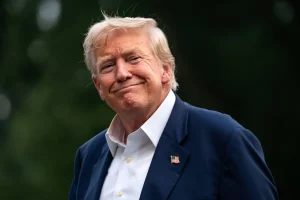
China: Iran’s largest partner by far. In recent years, bilateral trade exceeded $20-30 billion annually, with China importing $14+ billion from Iran (mostly oil/petrochemicals) and exporting machinery, electronics, and consumer goods. China buys 80-90% of Iran’s exported crude (often 1+ million bpd via independent refineries). The tariff stacks atop existing high U.S. duties on Chinese goods (often 25-35%+ under Section 301), potentially devastating competitiveness in the U.S. market ($400B+ annual exports).
Country-by-Country Impacts on Trade with Iran
China has historically defied U.S. pressure on Iran oil through yuan settlements, ship renaming, and dark fleet tactics. Retaliation options include restricting rare earths, U.S. agricultural imports, or accelerating de-dollarization. However, full decoupling is unlikely; China may absorb some costs, demand deeper Iranian discounts (already 10-20% below benchmarks), or diversify suppliers (Russia, Saudi Arabia). For Iran, China remains the indispensable buyer, but revenue per barrel could decline further, straining budgets amid protests and military spending.
الإمارات العربية المتحدة: Critical re-export and logistics hub for Iran. Bilateral trade ~$6-7 billion (2024-2025 data), with the UAE importing Iranian hydrocarbons, plastics, and fruits while exporting gold, electronics, and machinery. Dubai and other free zones facilitate much of Iran’s access to global markets, including indirect U.S.-bound goods. Jebel Ali port handles significant volumes.
The UAE maintains strong U.S. security and economic ties (Abraham Accords, defense deals). Full 25% tariffs would hurt Emirati exports (aluminum, petrochemicals, re-exports) to the U.S. Expect heightened compliance: stricter due diligence on Iranian-origin goods, possible crackdowns on shadow trade, and promotion of “clean” corridors. Iran may face reduced re-export ease, pushing more activity to Oman or Iraq. Tendify-style platforms highlighting UAE vs. mainland setups become vital for risk assessment.
تركيا: Bilateral trade ~$5-6 billion, with Turkey exporting machinery, plastics, chemicals, and agricultural products while importing Iranian natural gas, metals, and fruits. Border trade (especially via Van and eastern routes) is significant, alongside energy deals. Turkey’s exports to the U.S. (textiles, autos, steel) are vulnerable; it already faces elevated steel tariffs.
Ankara balances NATO ties, energy needs, and regional influence. It may reduce high-profile deals or use intermediaries while maintaining gas imports (Iran supplies ~10-15% of Turkey’s needs). Impacts include higher logistics costs and potential shifts in re-export patterns. Turkey-Iran trade has grown despite sanctions, driven by geographic proximity and mutual sanctions-busting incentives.
الهند: Trade ~$1.3-2 billion in recent periods (higher historically with oil). India imports Iranian oil (when waivers allowed) and exports rice, pharmaceuticals, tea, and machinery. Post-2019, India reduced official oil buys but maintained some via rupee trade or third parties. Major exports to Iran include basmati rice and drugs.
India faces cumulative U.S. tariffs (steel/aluminum at 25-50%, plus potential 25% secondary). New Delhi prioritizes energy security and “multi-alignment” but values U.S. tech/investment ties (Quad, defense). Likely response: discreet continuation of limited trade, diversification to Russian/U.S./Saudi oil, and rupee-based mechanisms. For Iran, lost Indian market share hurts non-oil exports (e.g., fruits, chemicals).
Halal Logistics Certification: The 2026 Bridge to GCC Success for Chinese Food Exporters
Other Key Players:
- العراق: Major non-oil export destination (~$10B+ Iranian goods: electricity, food, consumer products). Proximity and Shia ties sustain flows despite U.S. influence in Baghdad. Tariffs on Iraqi goods to U.S. (limited volume) are less impactful, but U.S. pressure on Iraqi banks could constrain payments.
- روسيا: Growing ties (drones, military, some energy barter). Limited direct U.S. exposure but adds to global fragmentation.
- EU Countries (Germany, etc.): Modest trade; humanitarian exemptions likely, but banks remain cautious.
- Pakistan, Afghanistan, Syria: Regional, lower U.S. market exposure; trade persists via land routes.
Overall, Iran’s top export destinations (China, Iraq, UAE, Turkey) account for the bulk of its ~$50-80 billion annual trade (estimates vary due to underreporting). The policy pressures diversification but accelerates “resistance economy” self-reliance narratives in Tehran.
Sectoral and Economic Impacts
Energy and Oil: Iran’s ~1.5-2.5 million bpd exports (mostly to China) face deeper discounts, shadow fleet risks, and potential U.S. seizures. Global oil prices may spike short-term if flows disrupt, benefiting Saudi Arabia and others. Petrochemicals (key non-oil revenue) to Asia and via UAE are vulnerable.
Manufacturing and Consumer Goods: Chinese/Indian/Turkish exporters to the U.S. (electronics, apparel, autos, pharma) face margin squeezes, prompting reshoring, “friendshoring” to Vietnam/Mexico, or absorption of costs. U.S. consumers pay more for imports.
Agriculture and Food: Iranian pistachios, saffron, fruits to neighbors; Indian rice/tea to Iran. Disruptions could raise regional food prices.
Logistics and Shipping: Increased insurance, routing complexity, and demurrage risks. UAE ports may impose stricter origin rules; Tendify-like tools for container optimization and HS code classification gain importance.
Finance and Payments: Dollar access remains restricted; growth in yuan, rupee, or barter. Vostro/Nostro accounts (as discussed in Gulf-India trade guides) and escrow services become more relevant to mitigate risks.
Broader Economy: For Iran, GDP contraction risks, rial depreciation, inflation, and heightened protests. Trading partners face U.S. market share loss (China’s U.S. exports are massive) but may offset via intra-Asian or BRICS trade growth.
Global effects include supply chain fragmentation, higher inflation in the West, and accelerated de-dollarization trends.
Bitumen Triangle 2026: Why These 3 Countries Control the Asphalt Game
Business Strategies and Mitigation for Traders Engaging with Iran
Businesses must prioritize compliance while seeking opportunities:
- Due Diligence and Tools: Use advanced sanctions screening (e.g., Sanctions Pro platforms), HS code verifiers, and origin certification. Platforms like Tendify offer export checklists, Incoterms advisors, and world tariff databases to map risks.
- Rerouting and Hubs: Leverage unaffected or low-exposure jurisdictions. Oman/Qatar for some Gulf access; focus on intra-GCC or Iran-Iraq corridors. Free zone vs. mainland setups in UAE require careful structuring (as detailed in 2026 re-export guides).
- Payment Innovations: Escrow, documentary collections over LCs (vulnerable to sanctions), or local currency settlements. Digital freight forwarders and B2B marketplaces reduce visibility.
- التنويع: Iranian exporters target “resistance” markets (Russia, Venezuela, Africa); importers source alternatives (e.g., Indian pharma substitutes).
- Regional Focus: GCC countries offer exhibitions (UAE, Saudi, Turkey 2026 calendars) for networking. Investment in Iranian manufacturing via GCC entities (as explored in Tendify articles) could hedge if structured compliantly.
- Risk Management: War-risk clauses, force majeure in contracts, and insurance for demurrage/detention in GCC ports. Bitumen, cement, and wheat exporters (common Iran-GCC trades) should review quality standards and logistics (e.g., Bitutainer vs. drums).
For Tendify users: Leverage AI Market Pulse for sentiment, Sanctions Pro for monitoring, trade cost calculators, and 3D container tools to optimize amid disruptions. B2B logistics marketplaces simplify Iran-GCC chains while flagging risks.
Humanitarian carve-outs and small-scale trade may persist with robust documentation.
Legal, Compliance, and Geopolitical Considerations
Entities must monitor OFAC guidance, CBP rulings, and potential WTO challenges (though enforcement is unilateral). Violations risk fines, asset blocks, or exclusion from U.S. systems. Multinationals with U.S. exposure should segment operations (e.g., separate Iran desks).
Geopolitically, the policy tests alliances: Europe may protest but comply minimally; BRICS nations could coordinate pushback. Escalation risks include Iranian retaliation (Strait of Hormuz threats, proxy actions) or U.S.-China trade war renewal.
Future Outlook and Long-Term Implications
Short-term (2026): Heightened uncertainty, discounted Iranian oil, partial trade contraction, and adaptation via gray channels. Oil prices volatile; U.S. inflation pressures from tariffs.
Medium-term: Possible U.S.-Iran negotiations if protests weaken the regime or economic pain forces concessions. Or further escalation if Iran advances nuclear program.
Long-term: Accelerated global trade fragmentation into blocs (U.S.-aligned vs. others). Iran’s “look East” policy deepens, but at cost of technology and investment. For Gulf traders, opportunities in compliance services, alternative sourcing, and regional integration (e.g., via Vision 2030 projects) persist.
The policy underscores tariffs as geopolitical tools but highlights limits: sanctions have not collapsed Iran in 45+ years, and third countries prioritize interests. Trade with Iran will evolve—more opaque, discounted, and regionally focused—rather than vanish.
Businesses adapting via technology, diversification, and expert platforms will thrive. For detailed modeling or country-specific calculators, resources like global tariff explorers and duty tools provide actionable insights.
Sources and further reading: Official U.S. announcements, trade data from customs authorities, analyses from Reuters, BBC, Al Jazeera, and industry reports on Iran-GCC dynamics.