المدونة
Liquidity Protocols: Using Stable Digital Assets in B2B Supply Chains
A practical playbook for B2B operators who need fast, predictable, and regulation-compliant liquidity without the traditional banking bottlenecks that slow down global trade in 2026.
In my more than two decades structuring multi-million-dollar supply chain deals across the Middle East, Asia, and Africa, one truth has become crystal clear: the heavier the regulatory oversight on traditional banking rails, the more valuable alternative liquidity protocols become. SWIFT messages are scanned in real time, correspondent banking relationships keep shrinking, and compliance costs have turned routine cross-border payments into multi-week ordeals.
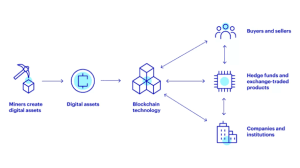
Using Stable Digital Assets in B2B Supply Chains
For B2B operators moving goods worth hundreds of thousands or millions per shipment, those delays are not just inconvenient — they are expensive. Demurrage, missed delivery windows, and currency volatility eat margins alive. This is why a growing number of serious traders and logistics providers are quietly integrating stable digital assets — particularly USDT and USDC — directly into their supply chain payment workflows.
This is not about speculation or retail crypto. It is about engineering predictable liquidity inside legitimate commercial transactions. Stable digital assets provide instant finality, minimal fees, and built-in audit trails that actually strengthen compliance documentation while dramatically reducing the financial friction that once slowed entire supply chains.
The New Regulatory Reality: Why Traditional Liquidity Is Under Pressure
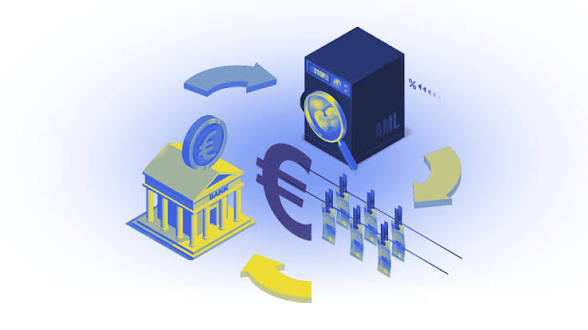
Global financial regulators have spent the last decade building a near-perfect surveillance net around bank wires. The Travel Rule, FATF recommendations, enhanced due diligence requirements, and real-time screening have made every large payment visible and reviewable. For legitimate B2B operators, this means longer approval cycles, higher compliance overhead, and occasional unexpected holds even when all paperwork is perfect.

Why Traditional Liquidity Is Under Pressure
In 2026, the average cross-border commercial payment still takes 3–7 business days and incurs fees of 1–3% when currency conversion and intermediary banks are involved. In high-friction corridors, that number climbs higher. Meanwhile, the physical movement of goods — containers, trucks, vessels — continues at the speed of modern logistics. The mismatch between physical speed and financial speed creates friction that costs the global economy billions annually.
Stable digital assets solve this mismatch. Because they settle in minutes rather than days, they allow B2B operators to align cash flow with physical delivery milestones. Payment can be released upon verified GPS arrival, container seal confirmation, or third-party inspection report — all without waiting for correspondent bank approval.
What Makes Stable Digital Assets Ideal for B2B Supply Chain Liquidity
USDT and USDC are not volatile cryptocurrencies. They are digital representations of fiat currency — primarily the US dollar — backed by reserves and audited regularly. This makes them “stable digital assets” that behave like cash in digital form but move at the speed of the internet.

What Makes Stable Digital Assets Ideal for B2B Supply Chain Liquidity
Key advantages for B2B supply chains:
- Near-instant settlement — funds move 24/7/365, even across weekends and holidays
- Predictable low cost — typical transaction fees are fractions of a percent versus 1–3% on traditional wires
- Programmable payments — smart contracts or escrow logic can release funds automatically upon delivery confirmation
- Built-in audit trail — every movement is recorded on public blockchains, simplifying compliance reporting
- No correspondent banking friction — bypasses de-risked or slow-moving bank relationships
Real-World Integration: Stable Digital Assets in Logistics Payments
Case Example: Container Shipment from Jebel Ali to Basra
A logistics operator in the UAE needs to pay a freight forwarder in Iraq for a 40-foot container of industrial chemicals. Traditional banking would require 5–9 days and multiple intermediary approvals. Using USDC on a compliant layer-2 network, the operator escrows the payment on Platform.Tendify.Net. Once the container is unloaded and inspected at Umm Qasr (verified via API integration with port systems), the funds are automatically released. The entire financial leg completes in under 15 minutes while the physical goods are already moving inland.
Case Example: Bulk Commodity Trade in the Gulf
A petrochemical producer in Oman sells urea to a buyer in East Africa. Payment is structured in USDT. The buyer’s funds are held in smart escrow until loading is confirmed at Duqm. Upon bill of lading issuance and satellite tracking confirmation, the stable digital asset is released. The seller receives instant liquidity in a dollar-pegged form that can be converted or held without currency risk.
Technical Protocols That Make This Work in 2026
Modern B2B platforms now combine stable digital assets with enterprise-grade infrastructure:
- Layer-2 and side-chain solutions that keep transaction costs low and speeds high
- Compliant on-ramp and off-ramp gateways regulated in major jurisdictions
- Programmable escrow smart contracts that tie payment release to real-world events (GPS, IoT sensors, third-party APIs)
- Hybrid on-chain/off-chain audit logs that satisfy both regulatory requirements and commercial confidentiality
These protocols do not replace banks entirely. They augment them. Routine low-value payments may still use traditional rails, while high-value or time-sensitive logistics legs shift to stable digital assets for speed and predictability.
How Platform.Tendify.Net Integrates Stable Digital Assets into B2B Operations
Platform.Tendify.Net — Liquidity Protocols Built for the Real World
We designed Platform.Tendify.Net as the operating system that bridges physical supply chains with modern liquidity protocols. Our tools let B2B operators use stable digital assets without sacrificing compliance, auditability, or operational simplicity.
Key capabilities operators use daily:
- Real-time cost calculators that model stable digital asset versus traditional wire economics
- Smart escrow modules that tie USDT/USDC release to verified logistics milestones
- Export documentation generators that automatically align with both traditional and digital payment records
- HS Code and duty modeling tools that work seamlessly with tokenized payments
- Compliance dashboards that generate audit-ready reports for both financial and trade regulators
- Multimodal logistics planning that incorporates stable digital asset settlement timelines
Whether you are paying a carrier in Oman, settling with a supplier in Qatar, or releasing funds upon arrival in a GCC port, the platform ensures every step is documented, cost-optimized, and regulator-friendly.
The most successful B2B operators in 2026 treat liquidity as a strategic variable, not a fixed cost. They combine the physical efficiency of the Golden Triangle ports with the digital efficiency of stable assets and the operational intelligence of integrated platforms.
Risk Management and Best Practices for Stable Digital Asset Adoption
Responsible integration requires discipline:
- Choose regulated custodians and on/off-ramp providers
- Maintain full off-chain documentation that matches on-chain movements
- Use multi-signature or platform-level escrow for high-value legs
- Stress-test workflows under different regulatory scenarios
- Keep hybrid models — stable digital assets for time-sensitive legs, traditional rails for routine low-value flows
The Future of Liquidity in Global Supply Chains
As oversight continues to intensify, the gap between physical trade speed and financial settlement speed will only widen. Stable digital assets, when integrated thoughtfully with enterprise platforms like Tendify, close that gap. They deliver the liquidity protocols that modern B2B supply chains demand: fast, predictable, auditable, and resilient.
The operators who master these protocols today will hold a structural advantage tomorrow. They will move goods faster, hold less idle capital, reduce counterparty risk, and maintain full compliance visibility — all while keeping costs under control.
We at Tendify have built the tools that simplify the most complex equations of physical logistics, regulatory compliance, and modern liquidity protocols. Our calculators, smart escrow systems, and documentation engines turn theoretical efficiency into daily operational reality.
If you are running B2B supply chains and want to explore how stable digital assets can deliver faster, cheaper, and more predictable liquidity, the full suite of liquidity protocols and integration tools is ready inside your dashboard at Platform.Tendify.Net.
The oversight is heavy. The protocols are ready. Your next supply chain payment does not have to wait for a bank.
Related Strategic Resources on Tendify.net
- The Hidden Arbitrage of Risk: How Trade-Based Settlement Exploits Regulatory Blind Spots in 2026
- Cross-Border Logistics for B2B Trade in the Gulf Region
- The Golden Triangle of Settlement: How Free Ports in Oman, UAE, and Qatar Enable Non-Banking Capital Transit
- Regional Logistics Integration and Trade Opportunities Across the GCC