المدونة
Guyana: A Strategic Guide to the World’s Fastest Growing Market
I’ve spent over two decades building and scaling export operations across volatile, high-growth markets. What I’m seeing in Guyana right now reminds me of the early days of the Gulf boom — only faster, sharper, and with even bigger stakes. A small English-speaking nation in South America is posting GDP growth numbers that make seasoned traders stop and recalculate everything they thought they knew about emerging markets.
Guyana Complete Guide to Opportunities and Logistics
According to the IMF’s latest projections, Guyana is on track for around 16.2% real GDP growth in 2026, following 19.3% in 2025 and explosive figures in prior years. This isn’t hype. It’s the direct result of massive offshore oil discoveries turning a quiet agricultural economy into one of the world’s fastest-growing producers of high-quality crude. For importers, exporters, equipment suppliers, logistics providers, and anyone serious about geographic arbitrage in 2026 and beyond, Guyana isn’t just an opportunity — it’s becoming a strategic imperative.
In this comprehensive guide, I’ll walk you through the realities on the ground: the oil-driven engine, the diversification play, the logistics bottlenecks and breakthroughs, local content rules that actually matter, and exactly how to position your business to win without getting burned. Because in markets this hot, the difference between massive returns and expensive lessons is usually preparation.
Why Guyana Matters Right Now – The Big Picture
Picture this: A country with a population of roughly one million, blessed with vast natural resources, English as the official language, and membership in CARICOM. Until recently, it lived largely on agriculture, mining, and forestry. Then came the Stabroek Block discoveries. Proven recoverable reserves now exceed 11 billion barrels of oil, with production ramping aggressively toward over 1 million barrels per day in the coming years.
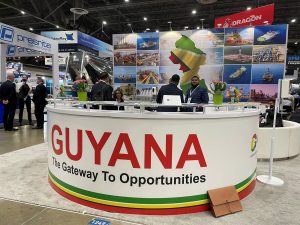
Why Guyana Matters Right Now
This isn’t just another oil story. Guyana’s crude is light and sweet, low in sulfur, making it highly desirable for refiners worldwide. Production is scaling via floating production storage and offloading (FPSO) vessels, with major projects like Yellowtail, Uaru, and others feeding sustained growth. The IMF and government forecasts show the oil sector continuing as the primary driver, while non-oil GDP — construction, services, agriculture, and manufacturing — is also accelerating thanks to reinvested revenues.
For global traders on تينديفاي دوت نت, this translates into immediate demand for:
- Industrial machinery and equipment
- Oilfield services and spare parts
- Construction materials and heavy equipment
- Logistics solutions for bulk and project cargo
- Consumer goods and food products to support a growing, wealthier population
The multiplier effect is real. Oil money is funding infrastructure, raising incomes, and creating secondary booms in almost every sector. If you’ve successfully exported to fast-growing Gulf markets in the past, the playbook here will feel familiar — but with its own Caribbean-South American flavor.
CARICOM Trade Guide: How to Profit in the Caribbean Single Market
Strategic Geography: The Gateway Between the Caribbean and South America
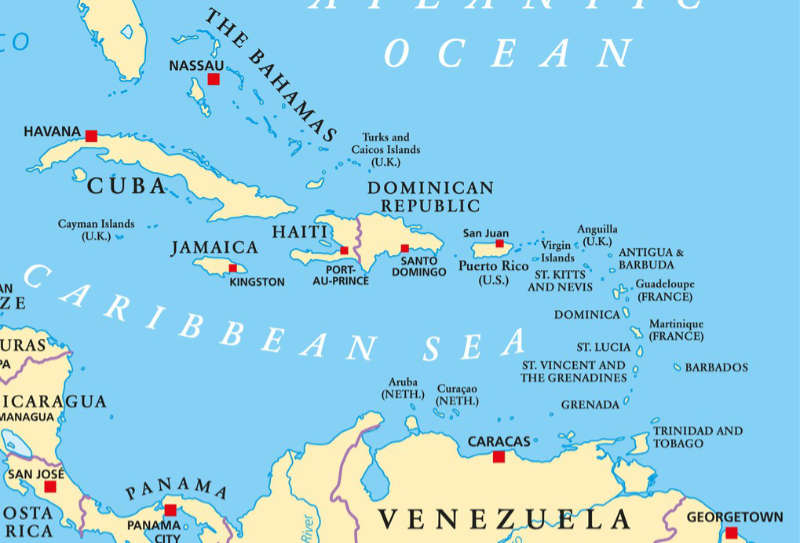
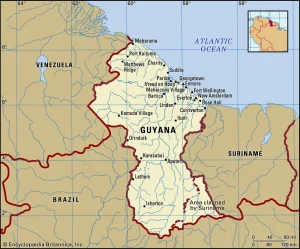
Guyana sits at a unique crossroads. As a CARICOM member, it offers preferential access to Caribbean markets. At the same time, its position on the northern coast of South America positions it as a natural entry point to Brazil’s vast northern regions and beyond.
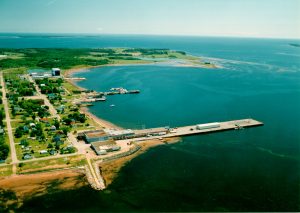
Georgetown Port
Key infrastructure plays already underway or in planning:
- Georgetown Port upgrades and modernization
- Berbice Deep Water Port development for larger vessels and bulk cargo
- Parika Port enhancements for regional trade
- Road and bridge projects, including connections that could open efficient overland routes toward Brazil
These developments aim to reduce reliance on expensive transshipment and position Guyana as a regional logistics hub. For exporters shipping from the Middle East, Asia, or Europe, this means evolving routes: direct calls or efficient feeder services into Guyana, then onward distribution.
Did You Know? Kaieteur Falls, located in Guyana, is the world’s highest single-drop waterfall — a powerful symbol of the untapped natural power and pristine environments that also support growing ecotourism potential alongside the industrial boom.
Strategic Commodity Match: Where the Margins Are
Based on our trade flow analysis at Tendify, here is where the immediate arbitrage opportunities lie for 2026:
| القطاع | High-Demand Commodity | Why Now? |
|---|---|---|
| الإنشاءات | Portland Cement (Type I/V) & Rebar | Massive infrastructure & housing backlog. |
| Energy | API Spec Valves & Subsea Umbilicals | Ramping up of FPSO operations in Stabroek Block. |
| Agriculture | Agro-processing Machinery | Government shift to reduce food import bill by 25%. |
Beyond the coast, keep an eye on the Linden-Lethem Road project. Once fully paved, this corridor will transform Guyana into the primary Atlantic gateway for Northern Brazil. For traders, this means Guyana isn’t a market of 800,000 people—it’s the hub for a regional hinterland of millions.
The “Invisible” Barrier: Technical Standards
In my experience, many traders fail in Guyana not because of demand, but because of Standards Compliance. The Guyana National Bureau of Standards (GNBS) is becoming increasingly rigorous. Whether it’s ASTM for construction or ISO for oilfield services, ensure your documentation is flawless before the ship leaves the port. Use the compliance tools on Platform.Tendify.Net to verify your HS codes and certification requirements early.
The Oil and Gas Engine – Where the Real Demand Lives
The core opportunity in 2026 centers on the petroleum sector. With production targets climbing steadily (averaging projections around 840,000 bpd in 2026), operators need a constant stream of goods and services.

Guyana The Oil and Gas Engine
Primary demand categories include:
- Upstream equipment: Drilling rigs components, pipes, valves, pumps, wellheads, and subsea technology
- Support services: Offshore and onshore logistics, marine vessels, safety equipment, and training
- Infrastructure buildout: FPSO-related supplies, platforms, storage tanks, and related engineering services
- Downstream and ancillary: Refining inputs, petrochemical handling, and power generation equipment (including gas-to-energy projects)
Foreign suppliers succeed here by understanding that oil companies prioritize reliability, compliance, and increasingly — local partnerships.
Local Content Requirements: The Non-Negotiable Reality
Guyana’s Local Content Act (passed in 2021, with ongoing refinements) mandates significant participation by Guyanese businesses and nationals in the petroleum sector. Key elements traders and suppliers must navigate:
- Ownership thresholds: For a company to qualify as “Guyanese-owned,” Guyanese nationals typically need at least 51% share capital, plus high percentages of local staffing in management and operational roles.
- Reserved or prioritized categories: The Act identifies specific service areas where local providers get preference, covering everything from certain procurement to specialized services.
- Certification: Suppliers often need a Local Content Certificate. Processing times are improving with digital reforms, but documentation and compliance remain critical.
- Partnership models: Many successful foreign players form joint ventures or subcontracting arrangements with certified local firms. This isn’t optional window dressing — it’s how you secure tenders and build long-term presence.
The “why” behind these rules is straightforward: the government wants oil wealth to create sustainable local jobs, skills transfer, and economic multipliers rather than just passing through. Smart international businesses treat local content as a strategic advantage, not a hurdle. They invest in training, technology transfer, and genuine partnerships that deliver value to all sides.
On Platform.Tendify.Net, you can explore tools and connect directly with verified partners who understand these dynamics. Whether you’re sourcing equipment or looking for local collaborators, having the right connections early dramatically reduces risk and speeds up market entry. Checking the platform’s matching and RFQ capabilities here often reveals suppliers or buyers already active in similar high-growth corridors.
8 Overlooked High-Margin Export Commodities from Emerging Markets
Beyond Oil: Diversification Opportunities for Long-Term Players
While oil dominates headlines, the non-oil economy is growing robustly — projected in the double digits in recent years and supported by public investment in infrastructure and social programs. Savvy exporters are already positioning for these sectors:
- Mining: Guyana is a significant producer of gold, bauxite, and diamonds. Demand for mining equipment, chemicals, and support services remains strong.
- Agriculture and Agro-processing: Rice, sugar, fruits, and tropical products. Modernization efforts create openings for irrigation systems, processing machinery, and export-oriented technologies.
- Construction and Infrastructure: Roads, bridges, housing, commercial real estate, and power projects. This drives consistent imports of cement, steel, machinery, and building materials.
- Tourism and Ecotourism: With its rainforests and natural wonders, Guyana is pushing sustainable tourism, creating needs for hospitality supplies and related services.
- Renewable Energy and Green Initiatives: Gas-to-power projects and longer-term diversification into renewables open doors for specialized equipment.
The lesson from my own experience scaling in similar markets: the companies that win big are those who don’t put all eggs in the primary commodity basket. They build diversified portfolios of relationships and product lines that ride multiple waves of growth.
Logistics and Market Entry: Practical Playbook for 2026
Getting goods into and around Guyana efficiently is one of the biggest variables affecting profitability.
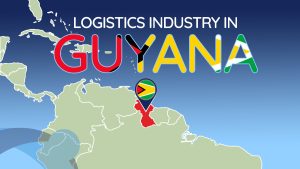
Logistics and Market Entry
Key Considerations:
- Ports and Shipping: Traditional reliance on Georgetown, with new deep-water ambitions at Berbice and others. Larger vessels and better infrastructure will gradually reduce costs and delays. Plan for project cargo and heavy-lift requirements in oil-related shipments.
- Routes from Key Origins: From the Gulf or Asia, sea freight via established Caribbean or direct Atlantic routes. Air freight for high-value or time-sensitive items. Overland potential via improved roads toward Brazil could open new corridors.
- Customs and Compliance: Standard import procedures apply, with tariffs and regulations evolving alongside economic growth. HS code classification, proper documentation, and understanding any incentives for priority sectors are essential. Tools like those available on Tendify help streamline cost calculations and documentation.
- Last-Mile and Inland Transport: Improving but still developing. Trucking, warehousing, and distribution networks are expanding rapidly to serve both coastal and interior demands.
- Challenges to Anticipate: Power supply reliability (improving with gas-to-energy), skilled labor shortages in certain technical areas, and inflationary pressures from the boom itself. Build buffers into your timelines and pricing.
Actionable Steps for Smooth Entry:
- Map your Incoterms carefully — DDP or DAP may make sense for certain buyers, but understand local capabilities.
- Engage local agents or partners early for customs clearance and on-ground support.
- Use digital tools for real-time tracking, cost simulation, and compliance checks.
- Factor in currency considerations — transactions often involve USD, but local elements may require Guyana Dollar handling.
For precise calculations on duties, shipping costs, or container optimization, platforms like Platform.Tendify.Net offer practical utilities that many traders rely on to model scenarios before committing capital.
Trading with ASEAN : Opportunities, Regulations, and Market Entry Strategies
Challenges and Risk Management – The Realistic View
No high-growth market is without friction. In Guyana 2026, expect:
- Infrastructure gaps that are closing but still present (roads, reliable utilities outside main areas)
- Bureaucratic processes that reward preparation and local knowledge
- Talent competition as the economy heats up
- Border and regional dynamics (including maritime boundaries) that require monitoring
- Potential for overheating or policy adjustments as revenues grow
The smartest operators build resilience through diversified supply chains, strong compliance frameworks, robust contracts (pay attention to force majeure, payment terms, and dispute resolution), and genuine local relationships. They also maintain flexibility — markets this dynamic reward agility.
Guyana Challenges and Risk Management
From my years in the trenches, the traders who thrive treat these challenges as the price of admission to outsized returns. They document processes, learn from every shipment, and turn data into competitive advantage.
How Tendify Fits Into Your Guyana Strategy
In a market exploding with opportunity but full of moving pieces, having the right digital infrastructure isn’t a luxury — it’s how you move faster than the competition.
Platform.Tendify.Net serves as your command center for global trade operations. Whether you’re posting RFQs for oilfield equipment, searching for verified suppliers of construction materials, using calculators for trade costing, generating proforma invoices and contracts, or exploring compliance tools, the platform streamlines the operational heavy lifting.
Many traders I’ve advised use it to:
- Connect directly with manufacturers and buyers without layers of intermediaries
- Access real-time market insights and pricing signals
- Manage documentation and secure transaction elements
- Identify arbitrage or high-margin opportunities across correlated markets
If you’re serious about Guyana, take a few minutes to explore Platform.Tendify.Net. The tools there are built precisely for operators like us who need to execute efficiently across borders while minimizing risk and maximizing visibility.
Strategic FAQ: Navigating the Guyanese Market
1. Is Guyana safe for foreign direct investment (FDI)?
Guyana operates under a stable parliamentary democracy with a legal system based on British Common Law, providing a solid framework for contract enforcement. While bureaucratic delays exist, the investment climate is highly favorable, especially for those aligned with the Local Content Act. At Tendify, we emphasize that “safety” in this market comes from rigorous compliance and verified local partnerships.
2. What is the biggest logistics bottleneck for shipping to Guyana?
The primary challenge is port draft limitations. The Port of Georgetown currently has depth constraints that prevent ultra-large vessels from docking directly. Most global shipments require transshipment via hubs like Trinidad & Tobago أو Panama using feeder services. We recommend factoring in a 10-15% buffer for customs clearance and port handling during peak oil-field activity cycles.
3. How does the Local Content Act affect my export business?
If you are strictly supplying goods from abroad, the impact is minimal. However, if you intend to bid for primary contracts with oil majors or government agencies, you must partner with a certified Guyanese company (typically 51% local ownership). Smart exporters use Platform.Tendify.Net to find verified local partners to navigate these requirements seamlessly.
4. Which commodities currently offer the highest margins in Guyana?
High-margin opportunities are currently concentrated in البنية التحتية و Specialized Industrial Equipment. Specifically:
- ASTM-standard Cement and Rebar for massive housing/road projects.
- Water treatment systems and heavy-duty power generators.
- Agro-processing machinery to support the government’s food security initiatives.
5. How can I estimate the total landed cost for Guyana?
Landed costs involve freight, insurance, and Guyana’s Common External Tariff (CET) for non-CARICOM goods. To avoid margin erosion, use the trade costing tools on Platform.Tendify.Net. These utilities allow you to simulate duties, port fees, and last-mile transport costs before committing capital to a shipment.
Final Thoughts: Positioning for the Long Game
Guyana in 2026 isn’t a get-rich-quick story. It’s a get-positioned-for-decades-of-growth story. The oil surge provides the fuel, infrastructure investments lay the tracks, and policy focus on diversification and local capacity building creates the foundation for sustainable expansion.
The winners won’t be the ones who simply show up with containers. They’ll be the ones who arrive with solutions — reliable supply chains, technology transfer, local partnerships, and a deep understanding of both the macroeconomic tailwinds and the on-the-ground realities.
I’ve watched too many promising markets fizzle for lack of preparation, and seen others deliver generational wealth for those who did the work upfront. Guyana has all the hallmarks of the latter.
Start small if you need to — test a shipment, build a relationship, run the numbers on the platform. But start now. The window for early-mover advantage in a market growing this fast doesn’t stay open forever.
Ready to explore real opportunities in one of the world’s most dynamic trade frontiers? Head over to Platform.Tendify.Net, register (it’s straightforward for serious traders), and begin connecting with the partners and tools that turn potential into profitable, scalable operations.
The next chapter of global trade is being written in places like this. Make sure your business has a prominent page in it.
Ready to act? Join thousands of forward-thinking traders already using Tendify to source, sell, and scale in high-growth markets. Register free on Tendify.net or dive straight into the tools at Platform.Tendify.Net — your command center for smarter global trade in 2026 and beyond. The opportunities in Guyana (and similar frontiers) reward those who move with intelligence and speed. Don’t watch from the sidelines.