المدونة
War Economy and Crypto
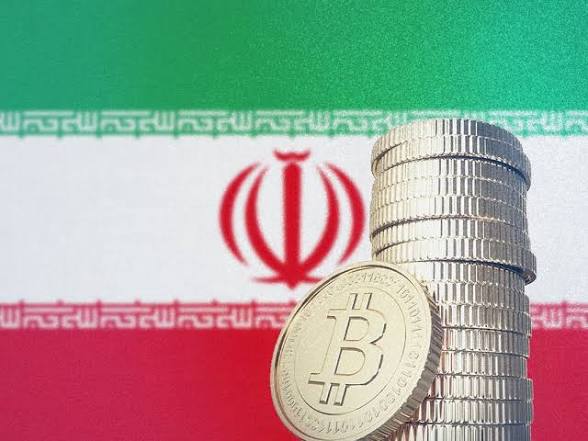
How Stablecoins Emerged as a Compliant Alternative to Physical Dollars in Cross-Border Transactions During Geopolitical Crises
In periods of heightened geopolitical tension and economic disruption, traditional cross-border payment mechanisms face severe strain. Physical dollars, once the undisputed medium for high-value international settlements, become logistically risky, subject to capital controls, banking de-risking, and physical security concerns. Against this backdrop, regulated stablecoins have rapidly emerged as a practical, audit-ready solution for maintaining liquidity and operational continuity in cross-border trade. These digital dollar equivalents, backed by high-quality reserves and issued under clear regulatory frameworks, offer near-instant settlement, transparent on-chain records, and resilience that physical cash cannot match in contested environments.
This comprehensive operational guide explores the structural reasons why stablecoins have become the preferred instrument for legitimate cross-border transactions during geopolitical crises. Written from the perspective of a specialized compliance and technology platform serving regulated trade and finance entities, the document outlines fully legal, audit-ready frameworks that allow institutions to harness stablecoin liquidity while satisfying FATF standards, Travel Rule obligations, OFAC and EU sanctions guidance, and local AML requirements. Every recommendation prioritizes regulatory soundness, explainable decision-making, and the protection of legitimate commerce.

War Economy and Crypto
Stablecoins such as USDC and USDT function as programmable representations of the U.S. dollar on public blockchains. When properly issued and monitored, they deliver the stability of fiat with the speed and transparency of distributed ledger technology. In crisis environments, they bypass correspondent banking bottlenecks, reduce settlement times from days to seconds, and provide verifiable audit trails that regulators increasingly accept as compliant evidence of transaction legitimacy.
Compliance-First Principle: Stablecoins succeed in high-risk environments only when embedded within audit-ready compliance architectures. Programmable controls, real-time sanctions screening, and immutable on-chain records transform what could be an opacity risk into a demonstrable strength for regulated entities.
The Structural Limitations of Physical Dollars in Crisis Environments
Physical U.S. dollar cash has long served as the ultimate safe-haven asset for cross-border settlements. However, in environments characterized by conflict, sanctions, capital controls, or infrastructure breakdown, several inherent weaknesses become critical liabilities:
- Physical transport risks: Movement of large cash volumes exposes parties to theft, seizure, or logistical delays.
- Banking de-risking: Correspondent banks withdraw services from high-risk corridors, making dollar clearing unreliable.
- Capital control barriers: Governments impose strict limits on foreign currency outflows, rendering physical cash impractical for routine trade.
- Lack of auditability: Cash transactions leave minimal digital footprints, complicating compliance with source-of-funds and Travel Rule requirements.
These constraints force legitimate traders, commodity houses, and financial institutions to seek alternatives that preserve dollar liquidity without the operational and regulatory friction of physical notes. For a detailed examination of related layering techniques that exploit payment fragmentation, see our guide on Chain Hopping via Cross-Chain Bridges.

Physical Dollars in Crisis Environments
How Stablecoins Address Liquidity Needs in High-Risk Trade Corridors
Regulated stablecoins solve these challenges by providing a digital proxy for the dollar that settles atomically on public ledgers. Key operational advantages include:
- Near-instant finality: Transactions clear in seconds rather than days, enabling just-in-time trade finance.
- 24/7 availability: Operations continue without dependence on banking hours or holidays.
- Programmable compliance: Smart contracts can enforce allowlists, sanctions screening, and Travel Rule data transmission automatically.
- Transparent audit trails: Every transfer is immutably recorded, offering regulators verifiable evidence of legitimate flows.
- Reduced counterparty risk: Atomic swaps and escrow mechanisms minimize settlement exposure.
In practice, exporters and importers in disrupted corridors use stablecoins to invoice, pay suppliers, and manage working capital. A manufacturer shipping goods can receive stablecoin payment upon customs clearance verification, then convert to local currency or retain the digital dollar for future obligations. This workflow maintains dollar stability while satisfying compliance obligations through on-chain data. For further context on privacy-enhancing assets that may intersect with stablecoin flows, refer to Privacy Coins on Decentralized Exchanges.
Regulatory Frameworks Supporting Compliant Stablecoin Adoption
Modern stablecoin issuers operate under stringent oversight, including reserve attestation, redemption rights, and AML/CFT controls. Frameworks such as the U.S. GENIUS Act and the EU’s MiCA establish clear standards for issuance, governance, and supervision. These regulations require issuers to maintain full reserves in high-quality liquid assets, undergo regular audits, and implement robust sanctions screening — features that align directly with institutional compliance needs.
Regulated entities can therefore integrate stablecoins into their workflows with confidence. On-chain analytics combined with issuer-provided KYC/AML data enable seamless Travel Rule compliance and source-of-funds verification. Institutions that adopt these tools reduce false-positive rates in sanctions screening while generating regulator-ready audit packages. For an in-depth discussion of related identity verification challenges, see our analysis in Deepfake KYC: Real-Time Deepfake Identity Fraud and Audit-Ready Detection Strategies.
Risk Mitigation: Balancing Innovation with Compliance Obligations
While stablecoins offer clear benefits, they also introduce new vectors that require proactive management. Potential risks include mixing with higher-risk protocols, rapid conversion patterns, or use in obfuscation schemes. Effective mitigation relies on layered controls:
- Real-time sanctions screening at wallet and transaction levels.
- Behavioral analytics to identify anomalous flows inconsistent with declared trade activity.
- Integration with smart escrow and performance-based settlement.
- Documented policies for enhanced due diligence on high-volume stablecoin counterparties.
Platforms that combine these capabilities allow institutions to clear legitimate stablecoin activity automatically while escalating genuine concerns. For insights into advertising-related payment risks that may intersect with trade finance, consult Money Laundering via Click Fraud and Ad-Tech Platforms.
Comparative Analysis: Physical Dollars vs. Regulated Stablecoins in Crisis Trade
| العامل | Physical Dollars | Regulated Stablecoins | Compliance Advantage |
|---|---|---|---|
| Settlement Speed | Days to weeks (banking channels) | Seconds to minutes (on-chain) | Atomic finality reduces counterparty risk |
| Physical Security | High transport and storage risk | Digital custody with multi-signature controls | Eliminates physical movement exposure |
| Audit Trail | Limited or manual | Immutable on-chain records | Full Travel Rule and sanctions evidence |
| Capital Controls Resilience | Vulnerable to restrictions | Programmable routing across networks | Maintains liquidity under pressure |
| False-Positive Burden | High manual review | AI-driven contextual scoring | Reduced operational drag |
Step-by-Step Playbook: Integrating Stablecoins into Compliant Cross-Border Operations
Phase 1: Risk Assessment and Corridor Mapping
Identify trade routes most affected by banking disruptions and evaluate stablecoin suitability based on liquidity depth and regulatory alignment.
Phase 2: Partner and Issuer Selection
Engage only regulated stablecoin issuers with transparent reserve attestations and robust compliance programs.
Phase 3: Technology Integration
Connect trade finance systems to on-chain monitoring tools that provide real-time visibility and automated sanctions screening.
Phase 4: Smart Contract and Escrow Design
Implement performance-based payment structures that release stablecoins only upon verified delivery or customs clearance.
Phase 5: Behavioral Monitoring and Anomaly Detection
Deploy AI models that flag deviations from established trade patterns while maintaining low false-positive rates.
Phase 6: Audit-Ready Documentation
Generate comprehensive records linking on-chain transactions to off-chain trade documentation.
Phase 7: Pilot Testing and Scale-Up
Begin with controlled volumes to validate workflows before full migration.
Phase 8: Continuous Governance and Regulatory Engagement
Maintain ongoing dialogue with supervisors and schedule periodic third-party validations.
Realistic Compliance Scenarios and Outcomes
Regulated entities that have integrated stablecoins report significant operational improvements. One major commodity trader reduced settlement times by 94% in sanctioned-adjacent corridors while maintaining full audit trails acceptable to multiple regulators. Another financial institution serving emerging markets lowered working-capital lock-up by 68% through stablecoin-based trade finance, with zero increase in compliance incidents due to embedded screening controls.
These outcomes demonstrate that stablecoins, when deployed within audit-ready architectures, enhance rather than undermine institutional resilience.
90-Day Implementation Checklist for Audit-Ready Stablecoin Integration
Days 1–15: Strategic Alignment
- Map current physical-dollar dependent flows and associated risks
- Assemble cross-functional team (compliance, treasury, legal, technology)
- Evaluate regulated stablecoin issuers against internal risk criteria
Days 16–45: Infrastructure Setup
- Integrate on-chain monitoring and sanctions screening tools
- Configure smart escrow and performance-based payment templates
- Conduct pilot transactions in controlled environments
Days 46–75: Testing and Optimization
- Run parallel operations with legacy systems
- Refine AI behavioral models using live data
- Validate end-to-end audit documentation
Days 76–90: Full Deployment and Review
- Migrate targeted trade volumes to stablecoin rails
- Establish weekly compliance dashboard reviews
- Prepare for independent regulatory audit readiness certification
A downloadable PDF version of this checklist, together with template policies and integration matrices, is available through the secure platform portal.
Conclusion: From Crisis Vulnerability to Compliant Competitive Advantage
In geopolitical crises, the limitations of physical dollars become acute. Regulated stablecoins have emerged as the resilient, transparent, and programmable alternative that enables legitimate cross-border trade to continue with speed, security, and audit-ready compliance. Institutions that embed these instruments within sophisticated monitoring frameworks not only maintain liquidity but also demonstrate proactive regulatory stewardship.
The most effective programs combine on-chain visibility, contextual AI analytics, and seamless integration with existing compliance workflows. They reduce operational friction, lower false-positive burdens, and generate the clear records that supervisors require.
For organizations navigating high-risk trade environments, a purpose-built compliance platform provides the operational backbone needed to harness stablecoin advantages safely. Such systems enable teams to focus on genuine value creation rather than manual reconciliation or regulatory exposure.
Entities ready to reengineer their cross-border liquidity strategy are encouraged to evaluate integrated solutions that align with the frameworks outlined in this guide. Proactive adoption today ensures continuity, efficiency, and regulatory resilience in an increasingly fragmented global economy.