


المدونة
Saudi Aramco OSP Cuts: What the Historic $11 Drop Means for GCC B2B Traders
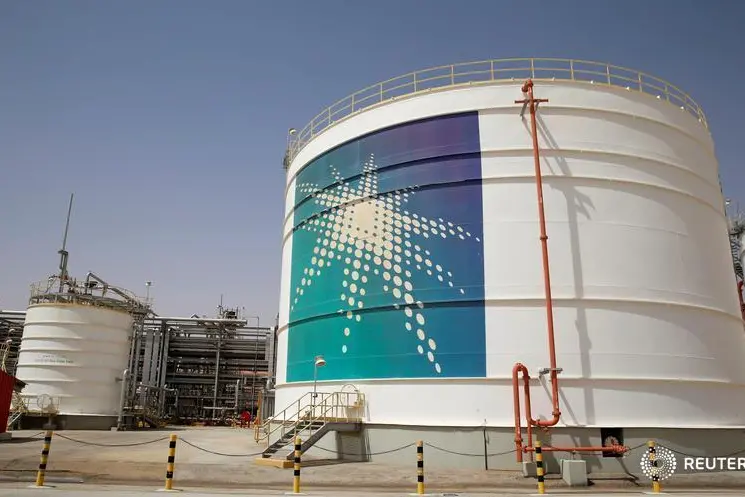
In a move that sent ripples across global energy markets, Saudi Aramco slashed the official selling price (OSP) of its flagship Arab Light crude for Asian customers by $11 per barrel for August 2026 deliveries—the largest single-month reduction in over two decades. This adjustment positions Arab Light at a $1.50 discount to the Oman/Dubai benchmark, marking a sharp pivot from the $9.50 premium seen just one month earlier.
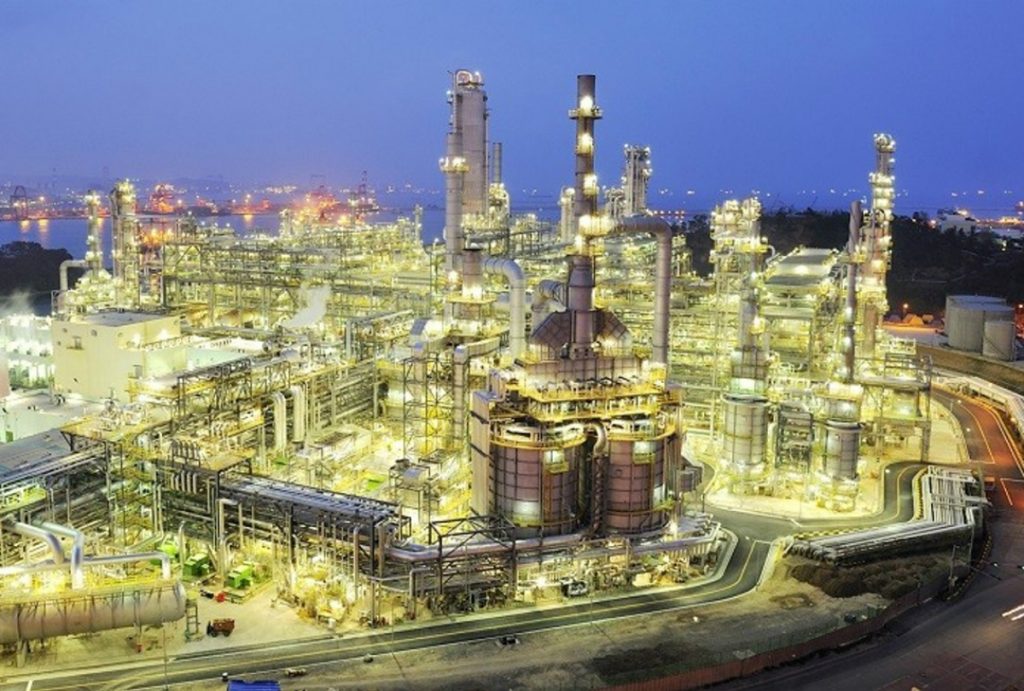
Saudi Aramco OSP Cuts
For B2B traders, importers, and supply chain operators active in GCC markets, this development is far more than a headline price shift. It signals a fundamental transition in oil market dynamics—from geopolitically driven scarcity to abundant supply and intense competition for market share. Understanding these changes is essential for optimizing procurement, renegotiating contracts, adjusting logistics budgets, and identifying downstream opportunities in refining, petrochemicals, and related sectors.
Cost-Effective Air & Sea Logistics Solutions for B2B Businesses in Saudi Arabia
Why This Price Cut Matters for Cross-Border Traders
Oil remains the backbone of many GCC economies and a critical input for industries ranging from manufacturing and construction to transportation and plastics. A sudden $11 drop per barrel translates into substantial savings—or margin pressure—for buyers and sellers alike. Asian refiners, who represent Saudi Arabia’s largest customer base, stand to benefit immediately, but the effects cascade into GCC B2B ecosystems through altered trade flows, freight rates, and investment signals.
This analysis draws on operational market observations, benchmark pricing data, and supply chain patterns observed across MENA trade corridors. It equips traders with actionable insights to navigate the new environment.
Root Causes Behind the Historic OSP Reduction
Several converging factors created the conditions for this aggressive pricing strategy:
- Easing Geopolitical Tensions and Strait of Hormuz Reopening: Reduced risks allowed Saudi loadings at Ras Tanura to ramp back toward pre-crisis levels, flooding the market with previously constrained supply.
- OPEC+ Coordinated Output Increases: The alliance approved another 188,000 barrels per day increase for August, continuing a series of monthly hikes that added significant volume to global availability.
- Softening Asian Demand: Key buyers like China experienced lower refinery runs, while India continued sourcing discounted Russian barrels, reducing appetite for premium Middle Eastern grades at elevated prices.

Root Causes Behind the Historic OSP Reduction
These elements shifted the market balance from seller-friendly tightness to buyer leverage, prompting Saudi Arabia to prioritize volume over per-barrel margins to defend long-term market share.
Comparative Pricing Snapshot: Before and After the Cut
| متري | Peak Crisis Period | July 2026 | August 2026 (New OSP) | Change |
|---|---|---|---|---|
| Brent Crude | >$120/bbl | ~$72/bbl | ~$72/bbl | War premium erased |
| Arab Light OSP to Asia | +$9.50 premium | +$9.50 premium | -$1.50 discount | $11 reduction |
| Regional Benchmark Context | Tight supply | Normalizing | Oversupply pressure | Competitive reset |
This table highlights how quickly the risk premium evaporated once physical flows resumed.
💡
The Incoterms & Customs Valuation Impact
For B2B procurement managers and cross-border operators, an $11/bbl drop in Arab Light isn’t just a raw material discount—it fundamentally alters your Customs Valuation formulas and exposure across key regional shipping hubs.
FOB Ras Tanura Adjustments
With the primary benchmark dropping, chemical and plastic derivatives loaded FOB Ras Tanura will see an immediate reduction in their declared transactional value. This lowers the absolute baseline for customs duties and import taxes at destination ports, heavily improving immediate cash-flow for buyers.
CIF Jebel Ali & Freight Risks
If you are importing via CIF/CFR Jebel Ali, the sharp drop in commodity value shifts the risk-to-cost ratio. If intra-Gulf tanker freight rates fluctuate due to sudden spikes in volume, locking in CIF terms protects your landed cost from freight volatility, even if the underlying OSP drops further.
Immediate and Longer-Term Implications for GCC B2B Trade
1. Cost Relief for Importers and Downstream Industries Lower feedstock prices benefit refiners, petrochemical producers, and manufacturers across the GCC. Expect margin expansion in sectors reliant on energy inputs, potentially spurring higher output and new procurement tenders. Traders sourcing intermediates or finished goods tied to oil derivatives should revisit supplier contracts for pass-through savings.
The Downstream Domino Effect: SABIC & IQ Benchmarks
A historic $11/bbl drop in Saudi Aramco’s Arab Light doesn’t just disrupt crude allocations—it immediately recalibrates the regional naphtha and liquefied petroleum gas (LPG) feedstock pricing floor. Major petrochemical conglomerates, including Saudi Arabia’s SABIC and Qatar’s Industries Qatar (IQ), will see their production cost baselines shift over the next 30 to 60 days.
B2B Polymer & Chemical Traders Note: Monitor global spot markets closely. This domestic feedstock relief is highly likely to trigger secondary price corrections for core derivatives like Polyethylene (PE), Polypropylene (PP), and Propylene monomers. If you are negotiating Q3/Q4 volume contracts, leverage this OSP cut to demand transparent pass-through savings on downstream chemical shipments.
2. Heightened Regional Competition Other Gulf producers, including those in the UAE, Iraq, and Kuwait, face pressure to match or exceed discounts to avoid losing liftings. This dynamic could accelerate price wars in spot markets and influence term contract negotiations throughout the second half of 2026.
3. Logistics and Freight Adjustments With more barrels moving, tanker availability and rates may stabilize or soften, particularly on Asia-GCC routes. However, high intra-Gulf shipping costs could still limit arbitrage for certain buyers. Supply chain managers should model updated demurrage, detention, and routing scenarios, especially for bulk liquid handling in ports like Jebel Ali or Ras Tanura.
4. Broader Economic Ripple Effects Cheaper energy supports inflation control globally, potentially enabling central banks to ease monetary policy. For GCC exporters of non-oil goods, this environment could boost demand in energy-sensitive markets while creating opportunities to diversify offerings.
📊
The Mathematics of Landed Cost: From Barrel to Container
An $11/bbl reduction can sound abstract on a corporate balance sheet. To ground this in reality, let’s look at how this price cut flattens the Landed Cost for a standard 20ft container (FCL) of downstream petroleum derivatives, such as industrial bitumen or polymers, moving across GCC corridors.
Landed Cost = [Product Base (Ex-Works) - OSP Discount Component] + Freight + Customs Duty + Insurance + Local HandlingScenario: 1 FCL (20ft Container) of Bitumen/Polymers (~20 Metric Tons)
*Assuming a standard conversion factor where 1 Metric Ton of heavy derivative roughly equates to ~6.5 barrels of primary oil feedstock input.
| Cost Component (Per Container) | July 2026 (Peak OSP) | August 2026 (New OSP) | Net Savings / Margin Shift |
|---|---|---|---|
| Feedstock Cost Baseline (130 bbl equivalent) | $10,595 | $9,165 | -$1,430 |
| Ocean/Intra-Gulf Freight (20ft Container) | $1,200 | $1,200 (Stable) | $0 |
| Customs Duty (5% on CIF Valuation) | $589 | $518 | -$71 (Duty Saved) |
| Total Landed Cost (Per 20MT) | $12,384 | $10,883 | -$1,501 per FCL |
🌐
The Financial Dimension: Petroyuan, CIPS, and Local Currency Settlements
Saudi Aramco’s aggressive OSP discount targeting Asian buyers is more than a commercial volume-play—it intersects directly with the rapidly evolving non-dollar payment corridors dominating Q3 2026 cross-border trade. By giving Asian refiners substantial leverage, this price reset could act as a massive catalyst for alternative financial settlements.
Accelerating the Petroyuan
As Chinese independent refiners (teapots) re-engage with cheaper Saudi volumes, a significant portion of these high-volume B2B transactions is expected to clear through the Shanghai Petroleum and Natural Gas Exchange utilizing Petroyuan, bypassing traditional clearing mechanisms.
CIPS and Rupee-Riyal Corridors
With India heavily active in sourcing bilateral trade alternatives, an increased flow of Middle Eastern crude under tighter pricing expands the reliance on China’s CIPS (Cross-Border Interbank Payment System) and localized Rupee-Riyal mechanisms. This structural shift provides direct operational relief from Western clearing networks.
Tendify Forward Look: Bridging the Multi-Currency Divide
As alternative corridors like Petroyuan and CIPS transition from macroeconomic theories into active B2B trading realities, legacy banking infrastructure remains a bottleneck for mid-market operators. Navigating cross-border multi-currency liquidity requires agile, decentralized financial tooling.
Platform Roadmap Note: To mitigate conversion friction and shield trading margins from USD liquidity squeezes, تينديفاي is actively developing its next-generation Digital Escrow Infrastructure. Our product pipeline is engineered to natively support multi-currency clearing and localized non-dollar settlement frameworks, positioning your cross-border supply chain at the absolute forefront of regional financial sovereignty.
Strategic Responses for B2B Traders and Operators
Short-Term Actions (Next 30-60 Days)
- Audit existing term contracts for pricing adjustment clauses.
- Engage freight forwarders to lock in competitive rates amid shifting volumes.
- Monitor competitor OSP announcements from ADNOC, SOMO, and others for relative value opportunities.
- Re-evaluate inventory levels—lower prices may favor building strategic stocks for key inputs.
Medium-Term Strategies (Q3-Q4 2026)
- Diversify supplier portfolios to balance Saudi volumes with alternatives from other GCC and international sources.
- Explore value-added processing or re-export models that capitalize on cheaper feedstock.
- Strengthen relationships with Asian buyers who gain purchasing power, positioning your offerings in their expanded budgets.
- Invest in digital tools for real-time price tracking and scenario modeling.
Risk Considerations While discounts are attractive, traders must account for potential volatility if OPEC+ reverses course or if Asian demand rebounds faster than expected. Currency fluctuations, particularly AED/USD dynamics, and evolving freight insurance premiums tied to regional stability also warrant close attention.
War Food Economics: Protecting B2B Margins Amid Geopolitical Friction
How Lower Oil Prices Influence Related GCC Markets
Energy price shifts rarely occur in isolation. In construction and infrastructure—major pillars of Vision 2030 initiatives—cheaper fuel and inputs can accelerate project timelines and reduce bid costs. FMCG and retail sectors may see indirect benefits through lower transportation expenses, supporting higher import volumes from diverse origins.
For logistics providers and freight forwarders, the normalization of flows through key chokepoints creates opportunities to optimize multimodal routes and containerized cargo tied to energy projects. Warehousing operators serving petrochemical hubs should prepare for potential throughput increases.
Practical Tools and Frameworks for Traders
Successful operators in this environment treat pricing data as a core operational input. Regularly consulting tariff calculators, cost analysis models, and trade explorers helps quantify impacts on landed costs. For instance, integrating updated OSPs into end-to-end budgeting reveals where savings can be captured or passed to partners.
In parallel, compliance and documentation processes remain critical. Ensuring accurate HS code classification for energy-related goods and staying current with regional customs valuation practices prevents costly delays amid higher shipment volumes.
Positioning Your Business for Success in the New Oil Paradigm
This price reset underscores a broader truth in global trade: adaptability and timely intelligence separate market leaders from those reacting after the fact. By viewing cheaper oil not merely as a cost reduction but as a catalyst for expanded activity, proactive B2B players can capture share in procurement, logistics partnerships, and downstream value chains.
Businesses leveraging integrated platforms for market intelligence, contract management, and logistics coordination gain a decisive edge in volatile conditions. Such tools streamline everything from duty calculations to supplier discovery, enabling faster responses to shifts like the current OSP adjustment.
For deeper dives into related topics, explore GCC Ports 2026: Master Customs Valuation and Dodge Crushing Penalties و The 2026 UAE Freight Playbook: From Desert Roads to High-Speed Rail.
Preparing for What Comes Next
The August 2026 OSP cut represents a strategic recalibration rather than a one-off event. As global supply normalizes and competition intensifies, success belongs to those who translate price signals into operational advantages—securing better terms, optimizing routes, and building resilient networks across GCC-Asia corridors.
Market conditions will continue evolving. The organizations that thrive will combine rigorous data analysis with agile execution, turning energy market fluctuations into sustainable competitive edges.
To streamline your cross-border operations, secure better visibility into trade tools, and accelerate deal execution in this dynamic environment, register an account on Tendify today. The platform offers practical utilities that support efficient, compliant, and profitable international trade decisions.

