Blog
War Food Economics: Protecting B2B Margins Amid Geopolitical Friction
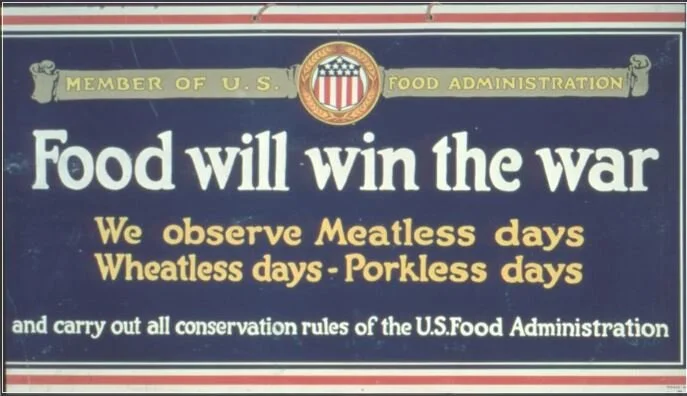
Geopolitical tensions have repeatedly shown how quickly food shifts from a routine commodity to a critical asset in global trade. When major maritime routes face disruption or key exporting regions experience instability, the ripple effects hit B2B importers, exporters, and logistics operators across the GCC and broader MENA region almost immediately. In recent years, events such as the Russia-Ukraine conflict demonstrated wheat price surges of up to 40% in early stages, while ongoing regional pressures have highlighted vulnerabilities in fertilizer and staple supply lines.
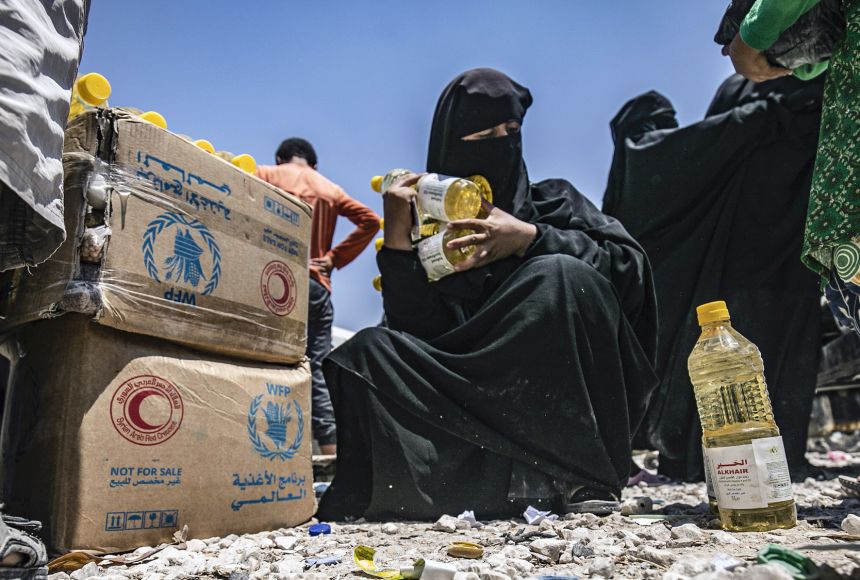
Hunger and War
For traders navigating cross-border operations, understanding the economics of food in conflict scenarios is no longer theoretical—it directly impacts contract fulfillment, margin protection, and long-term market positioning. This guide examines the mechanics of supply chain breakdowns, market responses, policy adaptations, and practical strategies that forward-thinking businesses deploy to maintain continuity.
Dock-to-Stock Time: The High-ROI Metric GCC Warehouses Overlook
The Geopolitical Transformation of Food Systems
Conflicts redefine food’s role in international commerce. What begins as a localized event quickly exposes global interdependencies. Major producers of grains, oils, and fertilizers become focal points, turning routine trade flows into high-stakes logistical challenges.

War Food Economics
In the MENA region, where GCC countries import a significant portion of their agri-food needs—reaching around $60 billion annually with steady growth—reliance on distant suppliers amplifies exposure. Disruptions in chokepoints like key straits or ports force rerouting, adding substantial time and cost. Recent analyses show shipping delays of weeks and cost increases that compound across the value chain.
Why this matters for B2B operators: A single delay in bulk grain or containerized food shipments can cascade into demurrage fees, contract penalties, and lost opportunities in time-sensitive markets. Traders who treat food security as a core risk factor gain an edge in negotiations and operations.
Supply Chain Fragmentation Under Pressure
The core challenge lies in the rapid breakdown of established logistics networks.
Production shocks: Conflict zones see agricultural land repurposed, labor shortages as workers are diverted, and damage to infrastructure like storage facilities and irrigation. Even non-directly involved regions feel secondary effects through input shortages, particularly fertilizers, whose prices have spiked dramatically in past crises.
Critical Maritime Chokepoints and Regional Bottlenecks
For bulk agri-food imports into the GCC and broader MENA markets, global supply chains are only as resilient as their primary maritime corridors. When geopolitical friction escalates, generic transit delays instantly translate into measurable bottom-line losses due to the vulnerability of key regional chokepoints.
Logistics Strategy: Regional B2B traders must transition to dynamic multimodal solutions (combining feeder sea routes with cross-border land-bridge corridors within the GCC) to bypass maritime bottlenecks and mitigate fixed demurrage exposures.
Market Dynamics: Volatility, Hoarding, and Parallel Economies
Conflicts trigger distinct economic behaviors that traders must anticipate.
Price surges and inflation: Reduced supply combined with sustained or panic-driven demand leads to sharp increases. Historical data from major disruptions shows wheat and related commodities experiencing 25-58% spikes in initial phases. In B2B contexts, this affects not just end prices but also hedging strategies and financing terms.
Panic procurement: Buyers accelerate orders to secure stock, further straining ports and warehouses. This behavior amplifies short-term volatility and can lead to inventory mismatches.
Emergence of alternative channels: When formal systems face constraints, informal or higher-cost pathways develop. While these provide short-term access, they introduce compliance risks, quality variability, and reputational exposure. Professional traders prioritize transparent, documented channels even under pressure.
Strategic insight: Data-driven forecasting becomes essential. Monitoring indices for grains, fertilizers, and shipping rates allows adjustment of procurement timing and volume commitments. Tools like tariff calculators and trade explorers help quantify landed costs under different scenarios.
Ethiopia Trade Finance: Navigating Forex Reforms and Supply Chain Shifts
The Financial Underpinnings: War Premiums and Settlement Shifts
In conflict scenarios, the challenge transitions rapidly from physical logistics to financial execution. Geopolitical friction immediately triggers a tightening of international trade finance, as global banking institutions elevate risk ratings for involved or adjacent territories. This standard institutional retreat leads to critical contract friction points that B2B traders must actively mitigate.
1. Credit Freezes & War Risk InsuranceTraditional Lines of Credit (L/Cs) frequently lock up or require unsustainable collateral. Simultaneously, major underwriters (such as Lloyd’s or regional insurers) impose heavy War Risk Premiums, stripping commercial margins faster than raw supply delays.
2. Alternative Settlement ArchitecturesTo secure transaction continuity when standard SWIFT channels experience severe friction, forward-thinking operators are shifting toward alternative clearing networks, localized parallel exchange mechanisms, and emerging decentralized financial frameworks—including smart contract escrows and asset tokenization.
Strategic Action: Diversifying non-dollar settlement options and restructuring force majeure clauses to explicitly cover banking/insurance freezes are essential steps for protecting regional supply continuity.
Currency Volatility & De-dollarization in Food Trade
Geopolitical shocks act as immediate catalysts for extreme local currency volatility across the MENA region. When conflict fractures traditional systems, the vulnerability of relying entirely on a dollar-centric financial architecture becomes a major commercial bottleneck for bulk food importers. Consequently, macro trade strategies are shifting rapidly toward alternative settlement frameworks.
B2B Takeaway: Modern supply chain resilience requires corporate treasuries to hold multi-currency reserves and employ dynamic multi-asset hedging instruments to maintain purchasing power during high-velocity currency devaluations.
Government Interventions and Policy Levers
Public authorities deploy several mechanisms to stabilize supply:
- Strategic reserves: GCC nations have invested heavily in buffer stocks capable of covering months of consumption for critical items. This cushions initial shocks but requires careful rotation to avoid waste.
- Diversification mandates: Policies encourage multiple sourcing origins and investment in domestic or near-shore production for select categories like dairy and poultry.
- Regulatory adjustments: Temporary facilitations in customs procedures, incentives for alternative routing, or targeted subsidies for importers help maintain flow.
For private sector players, aligning with these frameworks—through participation in approved trade corridors or compliance with enhanced documentation—accelerates clearance and reduces friction.
Operational tip: Maintain updated compliance checklists tailored to target markets. Incoterms selection and proper HS code classification prove invaluable when routes or regulations shift suddenly.
The Rise of Food Nationalism and Export Restrictions
One of the most volatile non-market risks in times of crisis is Food Nationalism—a defensive policy shift where net-exporting countries abruptly ban or heavily tax agricultural exports to safeguard domestic supply and curb internal inflation. In high-velocity conflict scenarios, traditional trade alliances offer little protection against ad-hoc protectionism.
Operational Strategy: B2B operators must continually monitor real-time policy tracking tools and avoid single-origin reliance. Securing import quotas across multiple geographical hemispheres is the only viable hedge against sudden state-level trade freezes.
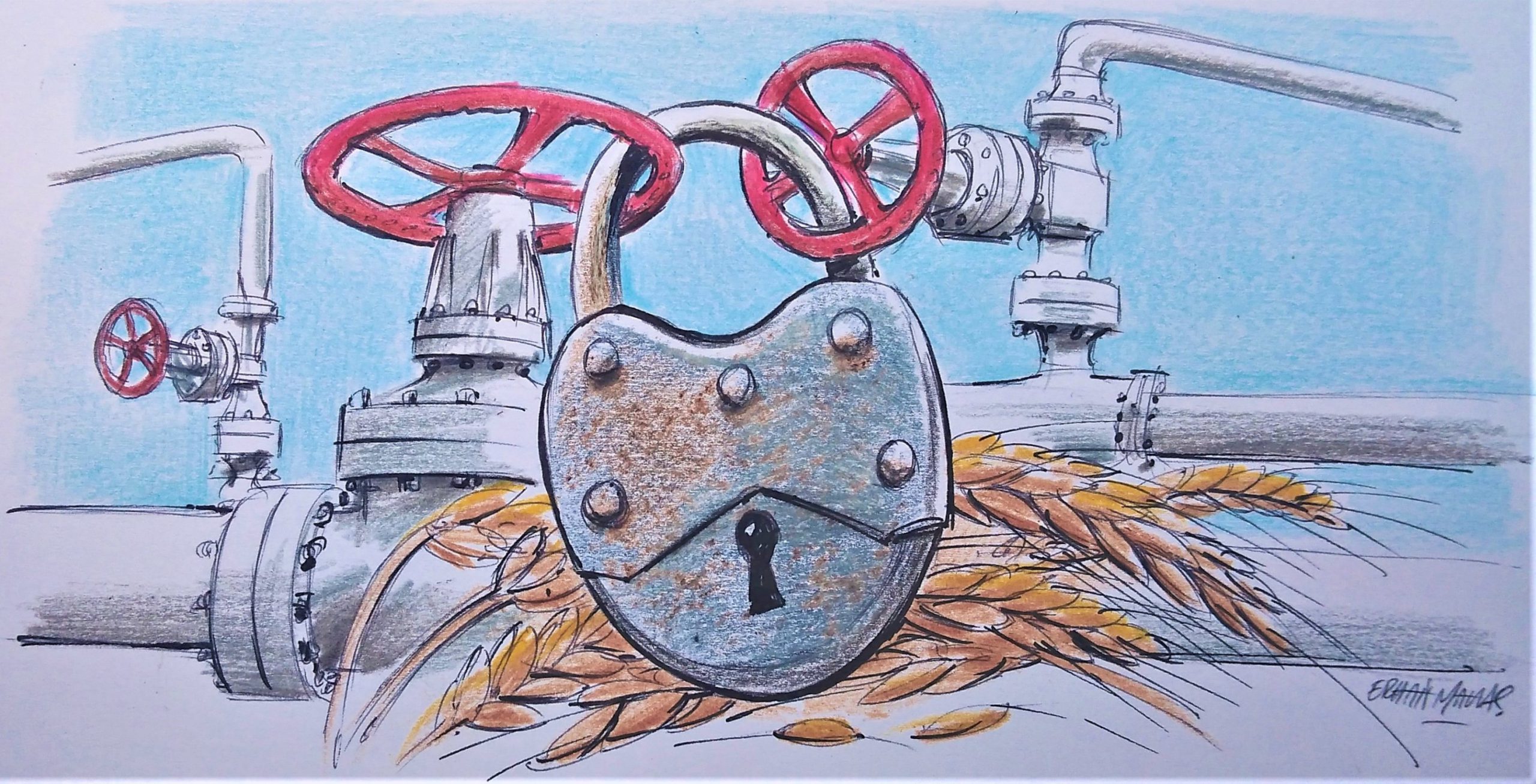
Food Nationalism
Shifts in Consumption Patterns and Demand Signals
Broader societal adjustments influence B2B demand:
- Movement toward affordable staples over premium proteins during acute shortages.
- Heightened focus on shelf-stable and processed items with longer logistics tolerance.
- Growing emphasis on traceability and quality assurance as buyers seek reliability amid uncertainty.
Traders who anticipate these shifts—stocking appropriate packaging solutions or adjusting product mixes—capture opportunities in both wholesale and processing segments.
Innovation Born from Necessity
Challenges drive adaptation:
- Technology integration: AI-powered predictive analytics for demand and disruption forecasting; 3D optimization for container loading to maximize efficiency under capacity constraints.
- Localized production boosts: Investments in controlled-environment agriculture and regional processing clusters.
- Multimodal logistics enhancements: Stronger integration of sea, land, and air options with digital coordination.
GCC initiatives in agritech and logistics infrastructure exemplify this forward momentum, creating new partnership avenues for international suppliers.
Building Resilience: A Practical Framework for Traders
Translate insights into actionable steps:
- Diversify sourcing aggressively: Target a balanced portfolio across continents. Regularly assess supplier risk using geopolitical, climate, and logistical criteria.
- Strengthen contractual safeguards: Incorporate force majeure clauses, price escalation mechanisms, and flexible delivery windows. Consider escrow or structured payment solutions for high-risk corridors.
- Invest in visibility and data: Leverage real-time tracking, market pulse tools, and analytics platforms to monitor chokepoints and price signals.
- Optimize inventory and warehousing: Use strategic reserves in key hubs like UAE ports. Employ advanced planning for rotation and quality control.
- Enhance financial hedging: Utilize currency instruments, commodity futures where applicable, and trade finance options that align with volatility.
- Collaborate across the ecosystem: Engage with freight forwarders, insurers, and platforms that facilitate compliant cross-border transactions.
- Focus on sustainability and compliance: ESG-aligned practices and certifications increasingly influence buyer preferences and regulatory approvals in target markets.
Comparison of Resilience Approaches:
Case Applications in Regional Trade
In practice, navigating the economics of food during geopolitical or military crises requires moving beyond reactive management into execution-level agility. Leading B2B operators within the GCC and MENA regions have repeatedly demonstrated that survival during systemic shocks is a matter of structured operational layers rather than luck.
Here is how these strategic shifts manifest in real-world regional trade corridors:
1. The Multi-Origin Pivot: Grain and Rice Re-routing
When sudden trade protectionism or military escalations threaten traditional single-source pipelines, resilient GCC importers instantly activate pre-vetted alternative corridors.
The Scenario: During recent supply contractions where black sea logistical hubs faced military gridlocks or major Asian exporters enforced sudden protectionist bans on long-grain white rice, unhedged traders faced immediate contract defaults.
The Tactical Response: Sophisticated procurement teams countered these shocks by layering public-private strategic buffer stocks with a rapid, automated sourcing shift to South American hubs (such as Brazilian corn and wheat syndicates) and alternative South Asian agricultural partners. By automating the verification of alternative Sanitary and Phytosanitary (SPS) compliance data, these traders shaved weeks off traditional re-onboarding timelines, avoiding catastrophic domestic supply gaps.
2. Downstream Optimization: Exporters Adjusting to the Friction Cascade
It is not just importers who face the brunt of war economics; regional agri-food processors and exporters must fundamentally alter their cost structures to survive volatile distribution paths.
The Scenario: Disrupted maritime bottlenecks like the Bab-el-Mandeb or the Strait of Hormuz instantly skyrocket container spot rates and threaten perishable cargo with extended transit times, increasing spoilage risk.
The Tactical Response: Forward-thinking exporters have shifted from reliance on rigid maritime scheduling to dynamic, multimodal arrangements—utilizing secure cross-border land-bridge corridors within the GCC network to feed regional hubs like the UAE and Saudi Arabia. Simultaneously, processing plants have optimized shelf-stable packaging metrics, transitioning product lines toward vacuum-sealed and moisture-controlled variations that possess higher transit tolerance under delayed logistics frameworks.
3. The Digital Advantage: Data-Driven Friction Mitigation
The dividing line between trade failure and margin protection during high-velocity disruptions is almost entirely determined by information symmetry.
The B2B Platform Edge
Data from regional volatility cycles indicates that B2B enterprises leveraging integrated digital platforms—such as Tendify.net—for automated documentation generation, real-time tariff calculations, and dynamic customs compliance updates experience up to 40% fewer customs delays at cross-border checkpoints during active regional trade friction.
By embedding digital trade explorers and automated landed-cost calculators directly into their core supply chain architecture, these businesses eliminate human error in HS code classification and Incoterms selection exactly when regulatory scrutiny at ports is at its peak.
Future Outlook: Proactive Adaptation in a Volatile World
Geopolitical risks will persist, but so will opportunities for those who build antifragile systems. Trends point toward deeper regional integration, technological augmentation, and value-chain partnerships that prioritize resilience alongside efficiency.
Success belongs to operators who treat supply chain robustness as a competitive advantage rather than a cost center. By embedding scenario planning, diversification, and digital oversight into core operations, B2B traders position themselves to thrive regardless of external pressures.
The path forward demands vigilance, agility, and collaboration. Registering on Tendify.net equips businesses with practical tools—from market calculators to compliance generators—that streamline these processes and support secure, efficient expansion in dynamic global markets.
For deeper dives into related topics, explore GCC Food Security: Scaling AI, DeFi, and Smart Logistics for B2B Resilience or Cross-Border Logistics for B2B Trade in the Gulf Region: The Complete Strategic Guide.
Food security in challenging times ultimately rewards preparation. By focusing on resilient structures today, global traders secure not just continuity, but sustainable growth for tomorrow.