المدونة
Iraq Contracts: Don’t Sign Without These War-Risk & Force Majeure Clauses
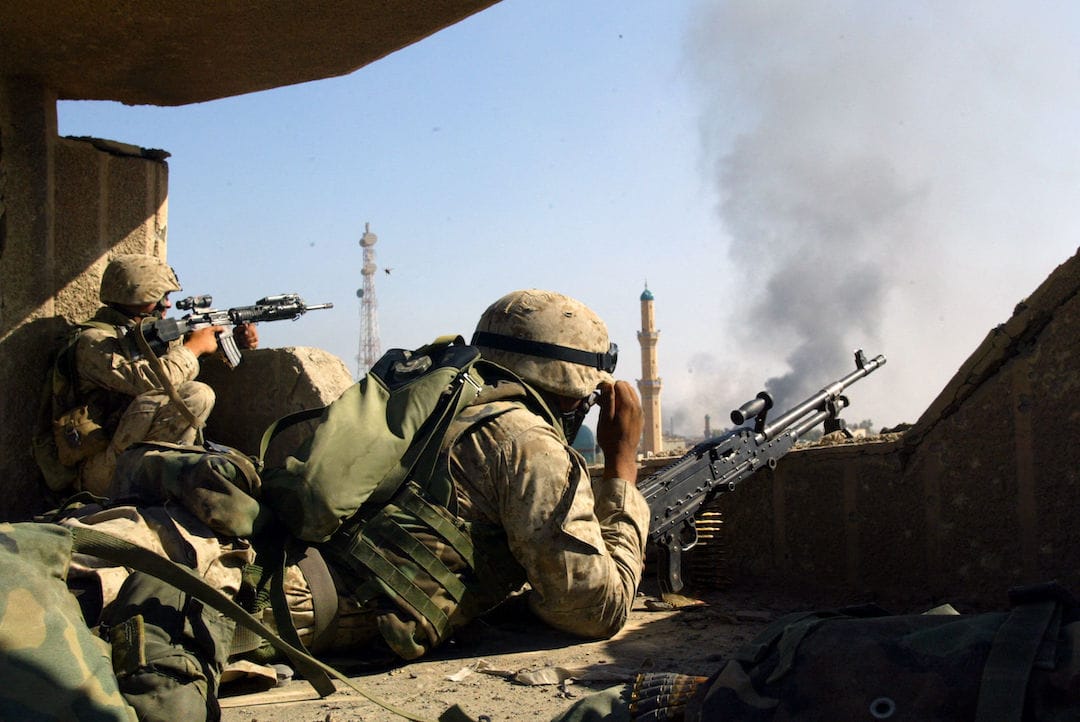
لقد أبرمت صفقات في بعض أكثر الأسواق تقلباً في العالم على مدار العشرين عاماً الماضية، حيث قمت بتوريد كل شيء من مواد البناء إلى الآلات في مناطق يمكن أن يتغير فيها الاستقرار بين عشية وضحاها. حقيقة واحدة تضرب بقوة: التأمين ضد مخاطر الحرب و شروط القوة القاهرة ليست إضافات اختيارية في عقود العراق - إنها شريان الحياة. فعدم الاستقرار السياسي ونشاط الميليشيات والتوترات الإقليمية تعني أن البوالص القياسية غالباً ما تستثني تغطية الخسائر المرتبطة بالحرب، مما يجعل المصدرين عرضة لضربات مالية هائلة. في العراق، حيث تدفع إعادة الإعمار مليارات الدولارات في التجارة ولكن المخاطر الأمنية لا تزال قائمة، فإن تجاهل هذه المخاطر يمكن أن يقضي على الأرباح أو يعيق الشحنات.
المخاطر الحقيقية التي يواجهها المصدّرون في عقود العراق
فكر في هذا الأمر: ارتفعت أقساط التأمين ضد مخاطر الحرب البحرية العالمية بمقدار 20-501 تيرابايت في السنوات الأخيرة بسبب التوترات في الشرق الأوسط، وفقًا لتقارير الصناعة. بالنسبة للمصدّرين إلى العراق، فإن الطرق عبر الخليج العربي أو الحدود البرية تزيد من التعرض للمخاطر. لقد رأيت الصفقات تنهار عندما تسببت الاضطرابات في حدوث تأخير، حيث يدعي أحد الطرفين حدوث قوة قاهرة بينما يعترض الطرف الآخر على ذلك - مما يؤدي إلى نزاعات مكلفة. يفصل هذا الدليل أساسيات التأمين ضد مخاطر الحرب و شروط القوة القاهرة في العقود العراقية. سأغطي ما تحميه، ولماذا هي مهمة بموجب القانون العراقي، والخطوات العملية للتفاوض على شروط قوية. في النهاية، سوف توقع بثقة وتحمي هوامش أرباحك في هذه السوق ذات الفرص الكبيرة.
المخاطر الحقيقية التي يواجهها المصدّرون في عقود العراق
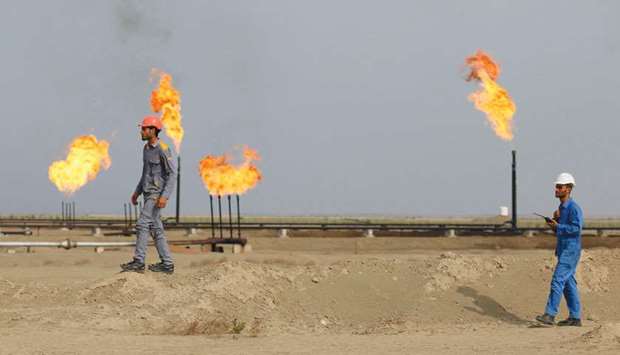
يزدهر الاقتصاد العراقي مع احتياجات إعادة الإعمار - فالبنية التحتية النفطية ومشاريع البناء وواردات السلع الاستهلاكية تغذي النمو. ومع ذلك، لا تزال مخاطر مثل الاضطرابات المدنية والإرهاب والتداعيات الجيوسياسية مرتفعة.
التعرضات الرئيسية للمصدرين
- الفقد أو التلف المادي: البضائع التي تم الاستيلاء عليها أو تدميرها في الهجمات أو تأخيرها إلى أجل غير مسمى.
- تأخر التسليم: إغلاق الحدود أو نقاط التفتيش الأمنية التي تعطل الشحنات.
- المنازعات التعاقدية: تذرع المشترون بظروف قاهرة لعدم السداد في ظل عدم الاستقرار.
- نقاط ضعف المسار: الشحنات البحرية عبر الخليج تواجه القرصنة أو مناطق النزاع؛ أما الشحنات البرية فتضيف مخاطر حدودية.
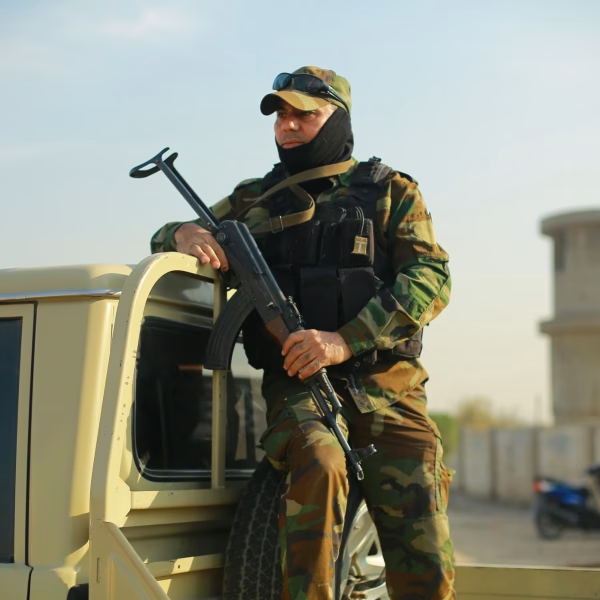
يستثني التأمين القياسي على البضائع الحرب والإضرابات وأعمال الشغب والاضطرابات المدنية (SRCC). وبدون إضافات محددة، فإنك تؤمّن على نفسك خسائر فادحة. تسلط التقارير الضوء على التهديدات المستمرة للميليشيات والهجمات على المنشآت، مما يؤكد سبب عدم قابلية التغطية الاستباقية.
Trading with ASEAN : Opportunities, Regulations, and Market Entry Strategies
فهم التأمين ضد مخاطر الحرب للصادرات إلى العراق
التأمين ضد مخاطر الحرب يسد الفجوة التي خلفتها وثائق التأمين القياسية، ويغطي الخسائر الناجمة عن الحرب والغزو والإرهاب والقرصنة والأخطار ذات الصلة.
لماذا تقصر السياسات القياسية
War-risk insurance bridges the critical protection gap left by standard marine cargo policies. It serves as a specialized indemnity layer covering physical loss or damage to goods resulting from war, invasion, acts of foreign enemies, hostilities (whether war be declared or not), civil war, rebellion, revolution, insurrection, or civil strife. In the volatile landscape of Middle Eastern trade, it also encompasses risks like terrorism, piracy, and the deployment of derelict weapons of war, such as drifting mines or abandoned torpedoes.
مخاطر الحرب في العراق
Why Standard Policies Fall Short: The 48-Hour Reality
Most standard “All-Risk” marine cargo policies operate under the Institute Cargo Clauses (A), which explicitly exclude war and strikes perils via the Paramount Exclusions. Furthermore, insurers maintain the right to cancel war risk coverage on extremely short notice—typically 7 أيام, but sometimes as little as 48 hours for highly volatile corridors.
In Iraq’s specific context, exporters face three unique challenges:
Hull vs. Cargo Disparity: While your cargo might be insured, the vessel owner may lack adequate hull war risk coverage, leading to “General Average” complications if the ship is seized or damaged in the Persian Gulf.
Transshipment Vulnerabilities: Cargo moving through Jebel Ali or Kuwait for onward transit to Iraq often requires a “Continuous Transit” extension to ensure coverage doesn’t lapse during warehouse storage.
The “Notice of Cancellation” Risk: If tensions escalate in the Strait of Hormuz, a standard policy might drop coverage while your goods are mid-transit, leaving your capital exposed unless a “Fixed-Premium” war policy is pre-arranged.
التغطيات الرئيسية في وثائق التأمين ضد مخاطر الحرب
A robust policy for the Iraqi market must include:
Hostilities and Submerged Perils: Protection against modern naval threats and historical remnants (mines) in the Shatt al-Arab or Umm Qasr approach.
Seizure and Nationalization: Protection if goods are confiscated by local authorities or militias due to shifting political alignments.
SRCC (Strikes, Riots, and Civil Commotions): This is vital for overland trucking via the Ibrahim Khalil (Turkey) or Shalamcheh (Iran) borders, where localized protests can lead to cargo theft or arson.
Contract Frustration: Covers the inability to complete a contract due to government intervention or sudden sanctions.
Practical Options for Exporters: Strategy Over Product
Marine War Risk (Institute War Clauses – Cargo): This is the baseline. Ensure it is based on the latest CL255 أو CL385 clauses for maximum legal clarity.
Political Risk Insurance (PRI): Recommended for long-term supply contracts with Iraqi government entities (State Companies). It protects against non-payment and currency inconvertibility.
The Lloyd’s Market Advantage: For high-value shipments (oil & gas equipment or laboratory instrumentation), sourcing coverage from specialized Lloyd’s syndicates provides higher indemnity limits and faster claims processing in high-risk zones.
Pro-Tip on Pricing: Do not treat insurance as a sunk cost. Use it as a competitive advantage. In a recent logistics project I supervised, a pre-negotiated Annual Open Cover policy allowed the exporter to offer fixed DDP prices to a client in Baghdad, even as regional freight rates fluctuated. By locking in the war-risk premium early, they avoided the 300% surcharge spike that hit their competitors during a sudden regional escalation.
اتجاهات واعتبارات التكلفة
تختلف الأقساط: الأسعار الأساسية منخفضة، ولكنها إضافية لطرق العراق/الخليج. التسعير الديناميكي يعكس التهديدات في الوقت الحقيقي - رصدت لجنة الحرب المشتركة المناطق المدرجة في القائمة.
Cost Trends and The Joint War Committee (JWC)
Premiums for Iraq are never static. They are governed by the Joint War Committee (JWC) in London, which frequently updates its “Listed Areas.”
Base vs. AP: You will pay a base premium plus an Additional Premium (AP) for entering Iraqi waters or territory.
The “72-Hour Quote” Rule: Most AP quotes are only valid for 72 hours. Timely vessel arrival is crucial to avoid re-quoting at a higher rate if the security situation deteriorates.
Pro-Tip: Incoterms Selection for Iraq Transit
From an operational standpoint, CPT (Carriage Paid To) أو DAP (Delivered at Place) are often risky for the seller in Iraq without a “Hub-and-Spoke” insurance model. We recommend:
- Customized CIF: Extend the Institute War Clauses (Cargo) to cover the “Last Mile” from the border (e.g., Shalamcheh or Umm Qasr) to the final warehouse in Baghdad.
- Demurrage Protection: Explicitly state that War Risk covers port congestion caused by military activity. In 2024, delays at Southern ports often lead to costs that standard FM clauses ignore.
The Iraqi Legal Perspective: Article 146
While international contracts often rely on ICC standards, incorporating Article 146 of the Iraqi Civil Code provides a stronger safety net. Unlike standard Force Majeure, this article addresses “Exceptional Circumstances” that make a contract “oppressive” even if not impossible to perform.
- Hardship vs. Impossibility: Ensure your clause explicitly mentions that a sudden spike in transport costs due to regional conflict triggers a price renegotiation, not just a termination.
- Experience Tip: Iraqi courts often distinguish between “Foreign Force Majeure” and “Internal Civil Unrest.” Your contract must define both to avoid legal loopholes in Basra or Baghdad jurisdictions.
شروط القوة القاهرة: درعك التعاقدي في الصفقات العراقية
شروط القوة القاهرة الإعفاء من الأداء عندما تجعل الأحداث الاستثنائية ذلك مستحيلاً أو غير عملي.
بموجب القانون المدني العراقي (المتأثر بتقاليد القانون المدني):
- تنقضي الالتزامات إذا استحالت لأسباب خارجية (المادة 425 مثل المبادئ).
- المحاكم مترددة في التطبيق على نطاق واسع ضد الكيانات الحكومية بسبب الاضطرابات/الحرب.
البنود الصريحة تلغي أو تكمل هذا - وهو أمر ضروري للمصدرين.

Iraq B2B Contract War Risk
لماذا تعتبر البنود أكثر أهمية من الإعفاء القانوني
In the context of Iraqi trade, a Force Majeure (FM) clause is not just boilerplate language; it is a critical “contractual shield.” While these clauses generally excuse performance when extraordinary, unforeseeable, and unavoidable events occur, their application in Iraq requires a deep understanding of the Iraqi Civil Code (Law No. 40 of 1951).
Under the Iraqi legal framework, which is heavily influenced by French and Egyptian civil law traditions, obligations may be extinguished if performance becomes impossible due to an “external cause” beyond the party’s control (Article 211 and principles akin to Article 425). However, a significant challenge exists: Iraqi courts and state-owned enterprises (SOEs) are historically reluctant to grant FM relief for “civil unrest” or “localized conflict” unless the event renders performance absolutely impossible, rather than just economically burdensome.
Why Contractual Clauses Outweigh Statutory Relief
Relying solely on the statutory definitions of Force Majeure in Iraqi law is a high-risk strategy. The burden of proof required by Iraqi judges to establish “absolute impossibility” is exceptionally strict. By drafting an explicit, tailored FM clause, exporters can define their own thresholds for relief, such as:
Performance Suspension: Instead of immediate termination.
Automatic Extensions: Vital for logistics delays at the Basra ports or northern border crossings.
Cost-Sharing: Allocation of “standby costs” during the FM period.
Common Triggers Specific to the Iraqi Landscape:
Kinetic Conflict: Full-scale war, hostilities, or state-level military operations.
The “Non-State Actor” Variable: Acts of terrorism, sabotage, or interference by militias and non-state groups—perils that standard “War” clauses might overlook.
Sovereign Intervention: Government-mandated curfews, sudden embargoes, or the revocation of import licenses.
Infrastructural Failure: Regional power grid collapses or sudden closures of the Shatt al-Arab waterway.
Drafting Strong, Exporter-Friendly Provisions
To ensure your Force Majeure provision stands up to scrutiny in a Baghdad or Erbil court, it must be drafted with precision. Here is how to optimize each element:
1. The “Granular” Definition: Avoid generic terms. List events explicitly: “including but not limited to war, terrorism, insurrection, civil commotion, acts of militias, epidemic-related border closures, and sovereign credit freezes.”
2. The Mitigation Standard: Clauses should require “reasonable commercial efforts” to mitigate the impact. Crucially for exporters, ensure the clause specifies that the exporter is not required to take “heroic measures” or incur costs exceeding the contract’s profit margin to bypass an FM event.
3. Robust Notice Protocols: Iraqi law values formal documentation. Your clause should mandate notification within a specific timeframe (e.g., 72 hours) via recorded delivery or verified digital channels, followed by a formal “Certificate of Force Majeure” issued by a Chamber of Commerce.
4. Termination for Prolonged FM: Define a “Long-Stop Date.” If the FM event persists for more than 60 or 90 days, the exporter should have the unilateral right to terminate the contract without penalty, ensuring capital is not tied up indefinitely.
Strategic Insight: The “Militia Clause”
One of the most frequent mistakes in Iraqi contracts is using a standard “War & Rebellion” clause from Western templates. In the Iraqi theater, delays are often caused by “localized disruptions” or “unofficial checkpoints.”
Experience Tip: Always include “acts of non-state actors or armed groups” و “disruption of public utilities” in your list of FM events. In one contract I reviewed for a laboratory equipment tender, adding “security-related road closures” saved the exporter from massive liquidated damages when a temporary blockade in the Nasiriyah region delayed delivery by three weeks.
The Mutual Trust Element
While the clause is designed to protect you, negotiating it as a “Mutual Relief” provision helps build trust with Iraqi buyers. Presenting the clause as a tool for “stabilizing the partnership” rather than an “escape hatch” often leads to smoother negotiations and more favorable terms in the final agreement.
مقارنة: القوة القاهرة القانونية مقابل القوة القاهرة التعاقدية
| أسبكت | القانون المدني العراقي (قانوني) | الشرط التعاقدي | ميزة المصدرين |
|---|---|---|---|
| الأحداث المشغلة | الاستحالة الخارجية | محدد + محدد + شامل | حماية أوسع نطاقًا ومصممة خصيصًا |
| الإغاثة المقدمة | ينهي الالتزام | خيارات الإيقاف/إنهاء الخدمة | المرونة في الصفقات الجارية |
| عبء الإثبات | ثقيل على صاحب المطالبة | الإشعار/العملية المحددة | استدعاء أسهل |
| ضد المشترين الحكوميين | التطبيق المتردد | قابل للتفاوض إذا تم الاتفاق عليه | رافعة مالية أقوى |
دمج التأمين ضد مخاطر الحرب والقوة القاهرة في العقود
هذه الأدوات تكمل بعضها البعض:
- ربط التغطية بالبنود: إلزام المشتري بالاحتفاظ بالتأمين؛ وربطه بمسببات القوة القاهرة.
- توزيع المخاطر: تحديد من يتحمل مخاطر الحرب - المصدر عن طريق شروط التجارة الدولية (على سبيل المثال، يشمل التأمين).
- منع المنازعات: تضمين التحكيم من أجل حل سريع.
في المناقصات الحكومية، غالبًا ما تكون البنود في المناقصات الحكومية لصالح الدولة - التي تدفع باتجاه شروط متوازنة في الصفقات الخاصة.
قائمة تدقيق المفاوضات خطوة بخطوة لعقود العراق
- تقييم المخاطر مبكراً: تعيين مسار الشحنة والجدول الزمني للعقد مقابل التهديدات الحالية.
- تفويض تغطية مخاطر الحرب: تحديد في العقد من يقوم بالشراء والحدود الدنيا.
- مسودة القوة القاهرة القوية: استخدام النماذج الدولية المكيفة مع القانون العراقي.
- طلب الأدلة: بالنسبة للمطالبات، اطلب إثبات تأثير الحدث.
- بناء في المراجعات: السماح بإعادة التفاوض إذا تصاعدت التهديدات.
- استشر الخبراء: مستشار محلي للامتثال؛ وسطاء للتأمين.
لقد استخدمت هذا الأمر لتأمين الصفقات التي ابتعد عنها الآخرون - مما أدى إلى تحويل المخاطر إلى تكلفة مُدارة.
للاطلاع على استراتيجيات التداول ذات الصلة، استكشف هذه الأدلة:
- الوثائق السبعة الرئيسية التي يجب تضمينها في كل مناقصة حكومية عراقية فائزة (التركيز التقني) - ضرورية لصفقات القطاع العام.
- إدارة مخاطر صرف العملات في العقود التجارية في الإمارات العربية المتحدة: دليل عملي لتحوط الدرهم الإماراتي مقابل الدولار الأمريكي
- الشحن الجوي مقابل الشحن البحري من الصين إلى جبل علي: تحليل التكلفة والفائدة لسلعتك لعام 2026
Frequently Asked Questions: Iraq Trade Risks
Does standard Force Majeure cover border closures in Iraq?
What is the ‘War Risk Surcharge’ in Iraq shipping?
قم بتأمين صادراتك العراقية بثقة
التأمين ضد مخاطر الحرب و شروط القوة القاهرة تحويل تحديات العراق إلى مخاطر يمكن السيطرة عليها. الحماية القياسية لا تفي بالغرض هنا - فالصياغة والتغطية الاستباقية تحافظ على موقفك.
على مدار سنوات من التصدير إلى الأسواق الصعبة، تعلمت أن هذه الضمانات تضاعف النجاح: شحنة واحدة محمية تمول العديد من الشحنات الأخرى.
هل أنت مستعد للحصول على فرص في العراق والتواصل مع المشترين المعتمدين والتعامل مع المدفوعات الآمنة؟ اشترك في Tendify.net اليوم للحصول على أدوات طلب عروض الأسعار المجانية، والمطابقات في الوقت الفعلي، والحسابات الائتمانية التي تُسهِّل الصفقات عالية المخاطر. سجِّل الآن وحافظ على صفقتك التالية.