Blog
What is the ATIGA Agreement? How Tariffs Are Being Eliminated Across ASEAN
The ASEAN Trade in Goods Agreement (ATIGA) is the cornerstone legal instrument governing intra-ASEAN trade in goods. Signed in 2009 and fully effective from 2010, ATIGA replaced earlier preferential trade arrangements and established a comprehensive framework for the progressive elimination of tariffs and non-tariff barriers among the ten ASEAN member states. For businesses trading within Southeast Asia, understanding ATIGA is essential for optimizing costs, ensuring compliance, and accessing preferential tariff treatment across one of the world’s most dynamic economic regions.
ATIGA Agreement
This in-depth guide explains what ATIGA is, how the tariff elimination process works in practice, the rules of origin requirements, implementation timelines, compliance obligations, and strategic opportunities for international and regional companies. The analysis is written from a practical business and compliance perspective to help exporters, importers, logistics providers, and multinational corporations navigate the ASEAN single market effectively and lawfully.
📌
ATIGA Meaning & Quick Overview
ATIGA Meaning: ATIGA stands for the ASEAN Trade in Goods Agreement. It is a comprehensive free trade framework established in 2009 (effective since 2010) that eliminates intra-regional import tariffs, standardizes customs procedures, and streamlines cross-border trade across all 10 ASEAN member states.
Key Facts at a Glance:
- Signing & Effective Date: Signed in 2009; fully operational in 2010.
- Member Countries (10): Brunei, Cambodia, Indonesia, Laos, Malaysia, Myanmar, Philippines, Singapore, Thailand, and Vietnam.
- Primary Purpose: Near-zero intra-ASEAN tariff rates (over 99% duty elimination for ASEAN-6) and non-tariff barrier removal.
- Core Compliance Document: Electronic Certificate of Origin (e-Form D) via the ASEAN Single Window (ASW).
Key Takeaway: ATIGA is not merely a free trade agreement — it is a living framework that continues to deepen economic integration. Companies that master its rules of origin, tariff schedules, and compliance requirements gain a significant competitive advantage in one of the fastest-growing consumer and production bases in the world.

The ATIGA Handbook Navigating Intra-ASEAN Trade and Compliance
The Evolution and Objectives of ATIGA
The implementation of the ASEAN Trade in Goods Agreement (ATIGA) represents a watershed moment in the economic history of Southeast Asia. Designed to consolidate, streamline, and strengthen earlier, fragmented preferential trading arrangements—such as the ASEAN Free Trade Area (AFTA) Common Effective Preferential Tariff (CEPT) scheme—ATIGA established a single, modern, and legally binding instrument. The overarching mandate of this comprehensive framework is to facilitate the free flow of goods within the region, thereby transforming the ten ASEAN member states into a unified production base and a highly competitive single market.
From a strategic and regulatory standpoint, the primary objectives of ATIGA are structured around five critical pillars:
First, it aims to achieve near-zero tariffs on virtually all goods traded among ASEAN member states. By systematically dismantling tariff walls, the agreement encourages cross-border manufacturing specialization and lowers the cost of raw materials and finished products for regional enterprises.
Second, it focuses on the systematic elimination of non-tariff barriers (NTBs) and non-tariff measures (NTMs) that distort intra-regional trade. This includes tackling arbitrary import licensing requirements, complex technical barriers to trade, and inconsistent sanitary and phytosanitary (SPS) measures that historically acted as hidden protectionist tools.
Third, ATIGA establishes clear, transparent, and predictable rules of origin (ROO). By defining precise legal benchmarks for what constitutes an originating product, the agreement provides multinational corporations and local exporters with the legal certainty required to invest heavily in regional supply chains.
Fourth, it facilitates smoother, modernized customs procedures and robust trade facilitation frameworks. Through the alignment of customs valuation, the standardization of tariff nomenclatures under the ASEAN Harmonised Tariff Nomenclature (AHTN), and the digitalization of trade data, ATIGA significantly reduces cargo dwell times at regional ports of entry.
Fifth, it serves as a foundational legal pillar supporting the broader strategic vision of the ASEAN Economic Community (AEC). The agreement ensures that trade policy directly contributes to regional economic integration, narrowing the development gap between member nations.
By creating this highly integrated and unified legal framework, ATIGA has effectively accelerated the evolution of ASEAN from a loose geopolitical association of distinct nations into a cohesive, synchronized economic bloc. For global businesses, institutional investors, and trade strategists, this institutional shift translates directly into unprecedented operational predictability. Corporate entities can now design complex, multi-tiered regional supply chains, optimize international sourcing strategies, and execute aggressive market expansion plans across the ten member countries with minimized exposure to regulatory volatility or unexpected customs friction.
The Evolution and Objectives of ATIGA
List of ATIGA Member Countries
The ASEAN Trade in Goods Agreement (ATIGA) applies to all 10 ASEAN member countries. To accommodate different stages of economic development, the agreement categorizes members into two primary regional blocs with distinct tariff elimination timelines:
| Regional Category | Member Countries | Tariff Liberalization Status |
|---|---|---|
| ASEAN-6 (Original Developing Members) |
| Achieved near-total tariff elimination (over 99.2% of tariff lines at 0% duty). |
| CLMV Countries (Newer ASEAN Members) |
| Granted extended transition flexibility (over 97.7% of tariff lines eliminated). |
For companies evaluating ASEAN as part of a broader Asian supply chain strategy, understanding ATIGA is fundamental. Related market entry considerations in other high-growth ASEAN economies are discussed in Comprehensive Guide to Trading with ASEAN in 2026: Opportunities, Regulations, and Market Entry Strategies.
Understanding ATIGA Tariff Categories: Inclusion vs. Exclusion Lists
To implement progressive tariff elimination across member states, ATIGA categorizes all traded products into four distinct legal lists. Understanding which list your product falls under is critical for determining exact duty rates, phase-out schedules, and customs compliance obligations.
| Tariff List | Core Definition & Status | Typical Commodity Examples | Duty Rate Status |
|---|---|---|---|
| Inclusion List (IL) Main Trade Baseline | Comprises the vast majority of intra-ASEAN traded goods subject to immediate or fast-track duty elimination. | Electronics, machinery, organic chemicals, textiles, rubber products, processed food, automotive parts. | 0% Duty Rate |
| Temporary Exclusion List (TEL) Transition Protection | Products temporarily shielded from tariff cuts to allow local industries time to adjust, subsequently transferred into the Inclusion List. | Certain motor vehicles, specialized plastics, heavy industrial equipment, specific iron & steel lines. | Phased to 0–5% |
| Sensitive List (SL) Agricultural Focus | Highly sensitive agricultural and primary commodities granted extended phase-in schedules and custom tariff ceilings. | Unmilled rice, livestock, poultry, fresh fruits, refined palm oil, coffee beans, unmanufactured tobacco. | Cap at 0–5% |
| Highly Sensitive List (HSL) Strategic Exclusions | A restricted selection of critical agricultural items allowed longer phase-outs or end-date exceptions under country-specific protocols. | Rice (specifically in Malaysia & Indonesia), sugar (in Philippines & Indonesia). | 5% or Negotiated Rate |
Over 98.6% of all tariff lines across ASEAN member states are now fully integrated into the Inclusion List (IL) at a 0% duty rate. If your product falls under the Inclusion List and meets the Rules of Origin (ROO) requirements, you can immediately claim zero-tariff entry upon presenting a valid e-Form D or self-certification declaration.
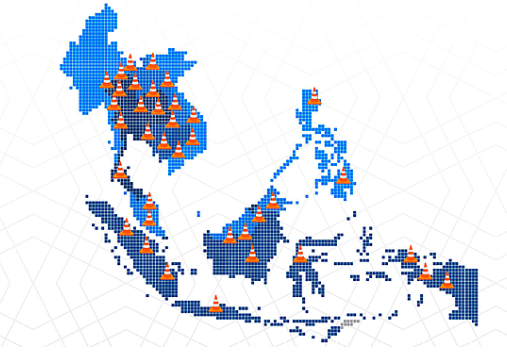
As of the full implementation phase, the original ASEAN-6 countries (Brunei, Indonesia, Malaysia, Philippines, Singapore, Thailand) have eliminated tariffs on over 99% of tariff lines under ATIGA. The CLMV countries (Cambodia, Laos, Myanmar, Vietnam) have made substantial progress, though some sensitive products still carry residual duties that continue to decline according to agreed schedules.
Tariff Elimination Works Under ATIGA
This tariff liberalization creates powerful incentives for businesses to qualify goods as “ASEAN originating” through proper rules of origin certification. Qualifying products can move freely within the bloc at zero or near-zero duty, significantly improving cost competitiveness. For practical guidance on route optimization and supply chain efficiency in Asia, see The Impact of Artificial Intelligence on Route Optimization and Carbon Emission Reduction.
Rules of Origin Under ATIGA: The Key to Preferential Treatment
Rules of origin (ROO) are the technical heart of ATIGA. They determine whether a product qualifies for preferential tariff treatment when traded between ASEAN member states. The agreement uses a combination of criteria:
- Wholly Obtained (WO): Products entirely produced within ASEAN (e.g., agricultural goods, minerals).
- Regional Value Content (RVC): Usually 40% ASEAN content.
- Change in Tariff Classification (CTC): A substantial transformation at the HS heading or chapter level.
- Specific Process Rules: Product-specific requirements for certain sensitive sectors.
The Direct Consignment Principle
To qualify for ATIGA preferential tariffs, goods must comply with the strict Direct Consignment rule. This operational baseline requires that products eligible for tariff concessions must be transported directly from the exporting member state to the importing member state. However, cross-border logistics often necessitate transit through intermediary nations. Under ATIGA, transshipment through non-ASEAN third countries or intermediate ports is permissible only if the goods remain under customs control, do not enter into domestic commerce, and undergo no operations other than unloading, reloading, or preservation techniques designed to keep them in good condition. Failure to document this continuous customs supervision results in the immediate forfeiture of preferential status.
Exporters must obtain a valid Certificate of Origin (Form D) issued by authorized bodies in the exporting ASEAN country to claim preferential treatment. Proper documentation and record-keeping are essential for audit readiness and to defend against customs challenges.
The ASEAN Single Window and e-Form D Integration
A critical modernization of the ATIGA framework is the transition from paper-based documentation to the ASEAN Single Window (ASW). Under this digital architecture, the traditional Certificate of Origin (Form D) is now predominantly exchanged electronically as an e-Form D among member states. This digital integration drastically reduces customs clearance times, minimizes administrative overhead, eliminates the risk of physical document loss, and mitigates forgery. For supply chain compliance managers, leveraging the e-Form D platform is mandatory for ensuring real-time customs validation and maintaining predictable logistics timelines across regional borders.
Digitalization of ATIGA Trade: ASW e-Form D and Self-Certification
Trade compliance under ATIGA has transitioned almost entirely from physical paperwork to seamless digital data exchange. Importers and exporters across the 10 member states leverage two major operational frameworks to bypass administrative delays at regional borders:
🌐
The ASEAN Single Window (ASW) & e-Form D
The traditional paper Certificate of Origin (Form D) has been replaced by the electronic e-Form D. Transmitted instantly between national customs authorities via the ASEAN Single Window (ASW) portal:
- Dramatically cuts customs clearance times from days to hours.
- Eliminates risks of document damage, physical loss, or postal delay.
- Prevents tariff fraud and counterfeit documentation through secure cryptographic verification.
✍️
ASEAN Wide Self-Certification (AWSC)
Under the AWSC scheme, high-volume trading entities can attain Certified Exporter (CE) status, unlocking direct origin self-declaration privileges:
- Certified Exporters can self-declare origin status directly on commercial invoices or packing lists.
- Removes the need to apply for an e-Form D certificate for every individual shipment.
- Significantly reduces administrative overhead and operational shipping timelines.
⚡
Next-Gen ASW: AI and Blockchain Integration
The digital trade landscape across Southeast Asia has advanced significantly. The ASEAN Single Window (ASW) has evolved far beyond the basic exchange of electronic Certificates of Origin (e-Form D). Today, the platform drives full-scale cross-border document integration, enabling the seamless, real-time transmission of complex Customs Declaration Documents, electronic Bills of Lading (e-BL), and commercial invoices across all member states.
Technological Drivers Accelerating Compliance:
- Artificial Intelligence (AI): Integrated AI sub-routines now automate and accelerate Rules of Origin (ROO) validation, cross-referencing regional value content (RVC) calculations instantly to flag compliance anomalies before shipments reach the port.
- Blockchain Architecture: Immutable distributed ledger technology secures regional data exchanges, creating an unalterable audit trail that eliminates documentation tampering, mitigates customs fraud, and establishes absolute trust between disparate port authorities.
Understanding and correctly applying ATIGA rules of origin can be the difference between paying full MFN duties and enjoying zero-tariff access. For companies managing complex regional supply chains, mastering these rules is a critical competitive skill. Related compliance considerations for sustainable supply chains are examined in ESG Compliance Guide for Asian Exporters: How Chinese and Indian Companies Can Meet Western Environmental Standards.
🌱
The Green Frontier: Sustainability and Circular Economy under ATIGA
As ASEAN accelerates its transition toward a low-carbon economy, the ATIGA framework is increasingly being leveraged to align intra-regional trade with global climate objectives. Modern supply chains within Southeast Asia are no longer evaluated solely on cost and speed; they are fundamentally judged on their environmental footprint. The contemporary evolution of ATIGA directly intersects with the principles of the Circular Economy, encouraging the cross-border movement of recyclable materials, remanufactured goods, and eco-friendly technologies through optimized tariff classifications.
New regulatory discussions within the bloc focus on decarbonizing regional logistics networks. By eliminating administrative bottlenecks at borders and integrating digital supply chain solutions, the agreement actively reduces cargo dwell times and transport-related emissions across transit corridors. For global compliance officers, matching sourcing strategies with ASEAN’s evolving environmental standards is critical.
Practical Benefits and Business Opportunities Created by ATIGA
The elimination of tariffs under ATIGA creates multiple layers of opportunity for businesses:
- Cost Reduction: Zero or near-zero duties on qualifying intra-ASEAN trade directly lowers the cost of goods.
- Supply Chain Optimization: Companies can more freely allocate production across ASEAN countries based on comparative advantage.
- Market Access Expansion: Easier movement of goods encourages regional expansion strategies.
- Investment Attraction: Predictable preferential access makes ASEAN locations more attractive for manufacturing investment.
Many multinational corporations have restructured their Asian operations to take full advantage of ATIGA preferences, using Singapore, Malaysia, Thailand, or Vietnam as regional hubs while distributing production across lower-cost ASEAN locations. For manufacturers considering strategic relocation or expansion within Asia, complementary insights are available in Vietnam: The New Factory of the World – Why Tech Giants Are Moving Production from China to Vietnam.
🌐
Geopolitical Realignment: ATIGA as the Engine of “China+1” Strategies
In an era defined by geopolitical volatility and post-pandemic supply chain restructuring, global multinational corporations are aggressively pursuing “China+1” strategies to diversify risk and build operational resilience. This historic shift has transformed Southeast Asia into the world’s premier manufacturing relocation destination. At the core of this migration are key ASEAN economies—most notably Vietnam, Malaysia, Thailand, and Indonesia—which offer an unbeatably competitive alternative for industrial diversification.
However, the true strategic enabler of this relocation is the ATIGA framework. When a corporation moves components of its production line out of China and into various ASEAN nations, those factories do not operate in isolation. ATIGA’s near-zero intra-regional tariff structure acts as a vital connective tissue, seamlessly linking these newly established manufacturing hubs into a unified, highly integrated production network.
By allowing raw materials, sub-assemblies, and finished goods to cross Southeast Asian borders tariff-free under precise Rules of Origin, ATIGA ensures that fragmented regional supply chains remain cost-optimized and operationally frictionless. For international trade strategists, mastering ATIGA is no longer just about saving duties—it is the foundational requirement for de-risking global operations.
Compliance Requirements and Best Practices
To benefit from ATIGA preferences, businesses must maintain strict compliance with both substantive and procedural requirements:
- Accurate classification of goods under the ASEAN Harmonised Tariff Nomenclature (AHTN)
- Proper calculation and documentation of regional value content
- Maintenance of supporting records for at least three years
- Timely and accurate submission of Form D certificates
- Internal controls to prevent misuse of preferential treatment
- Utilization of the ASEAN Wide Self-Certification (AWSC) scheme, which allows Certified Exporters to self-declare the origin of their goods on commercial invoices or billing statements instead of applying for a traditional Form D for every shipment.
Non-compliance can result in denial of preferences, penalties, and damage to commercial relationships. Leading companies implement automated classification and origin management systems integrated with their ERP platforms to reduce human error and strengthen audit readiness.
Future Outlook: Deepening Integration Beyond ATIGA
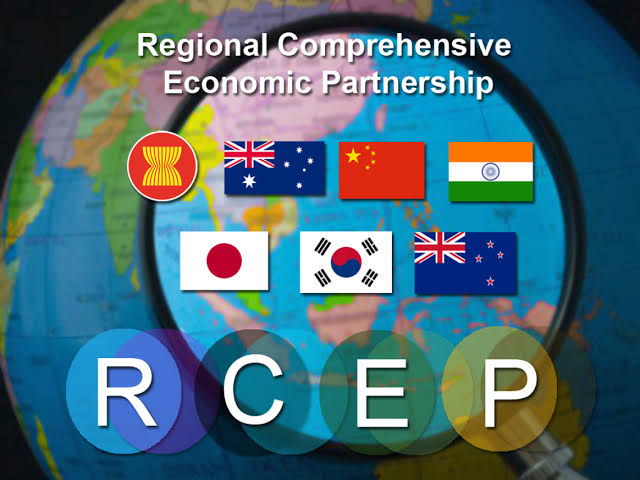
While ATIGA has largely achieved its core tariff elimination objectives, ASEAN continues to work toward even deeper integration. Ongoing efforts focus on non-tariff barrier reduction, trade facilitation, digital economy rules, and greater harmonization of standards. The Regional Comprehensive Economic Partnership (RCEP), which includes all ASEAN members plus major external partners, further expands the preferential trade landscape.
📊
Strategic Arbitrage: Choosing Between ATIGA and RCEP
For companies operating within Southeast Asia, navigating the overlapping trade architectures of ATIGA and the Regional Comprehensive Economic Partnership (RCEP) creates a powerful opportunity for tariff arbitrage. While ATIGA remains the deeper agreement for strictly intra-ASEAN trade—often eliminating tariffs much faster—RCEP offers groundbreaking flexibility through its Regional Cumulation rules. This allows manufacturers to source raw materials from non-ASEAN industrial giants like China, Japan, or South Korea, and still qualify the final product for preferential tariff treatment.
| Feature / Metric | ATIGA (Intra-ASEAN) | RCEP (Mega-Regional Bloc) |
|---|---|---|
| Geographic Scope | Strictly limited to the 10 ASEAN member states. | 15 countries (10 ASEAN nations + China, Japan, South Korea, Australia, New Zealand). |
| Tariff Elimination Speed | Aggressive & Immediate: Over 98% of tariff lines are already completely eliminated at 0% duty. | Progressive & Long-term: Tariffs are reduced gradually over a 20-year timeline; some residual duties remain. |
| Rules of Origin (ROO) Flex | Requires inputs to be predominantly sourced from within ASEAN to meet regional value benchmarks. | High Flexibility: Allows full cumulation of materials across East Asian supply chains (e.g., integrating Chinese steel or Japanese electronics). |
| Digital Integration | Fully integrated with the ASEAN Single Window (ASW) for instant e-Form D processing. | Moving toward unified electronic declarations, but clearance depends more on individual bilateral lanes. |
💡 Supply Chain Takeaway: Compliance managers should implement dual-track optimization systems. Utilize ATIGA when your production relies heavily on raw materials from neighboring ASEAN countries for fast zero-duty clearance. Switch to RCEP when your manufacturing relies on complex, high-value components imported directly from Northeast Asian partners.
Businesses that build strong ATIGA compliance capabilities today will be well positioned to take advantage of these evolving integration initiatives. The combination of zero-tariff access within ASEAN and preferential access to major external markets through RCEP creates a powerful platform for regional and global supply chain strategies.
🔄
Regulatory Update: ATIGA Upgrade Negotiations
While ATIGA successfully eliminated tariffs across over 98% of intra-ASEAN trade, member nations are actively conducting ATIGA Upgrade Negotiations. This comprehensive modernization effort ensures the framework adapts to evolving global supply chain dynamics, technological advances, and modern sustainability standards.
Key Pillars of the Upgraded ATIGA Framework:
- Paperless & Digital Trade Expansion: Mandating fully paperless cross-border trade mechanisms, cross-border e-commerce customs protocols, and real-time electronic data exchanges for shipping documents.
- Eliminating Non-Tariff Barriers (NTBs): Establishing stricter legal disciplines and transparent reporting mechanisms to prevent hidden administrative, technical, or sanitary restrictions from replacing eliminated import duties.
- Flexible & Modern Rules of Origin: Streamlining Product Specific Rules (PSRs) to reflect multi-country manufacturing realities, enabling easier compliance for complex technology and industrial sectors.
- SME Integration & Supply Chain Resilience: Reducing compliance costs and simplifying customs procedures specifically tailored to help Small and Medium Enterprises (SMEs) expand across Southeast Asia.
Frequently Asked Questions :
Q: What is the difference between ATIGA and RCEP for intra-ASEAN trade?
While both agreements offer preferential tariffs, ATIGA is specific to the ten ASEAN member states and generally offers deeper tariff elimination (closer to 100% at zero duty) and more streamlined customs integration like the ASEAN Single Window. RCEP includes external partners such as China, Japan, and Australia, introducing different rules of origin. For trade strictly within Southeast Asia, ATIGA remains the primary and usually more advantageous framework.
Q: Can a foreign-owned manufacturing company in ASEAN utilize ATIGA preferences?
Yes. The ownership of the company does not dictate eligibility. As long as the manufacturing entity is legally registered within an ASEAN member state and the goods produced meet the necessary Rules of Origin criteria—such as a 40% Regional Value Content (RVC) or a specific Change in Tariff Classification (CTC)—the products qualify for ATIGA preferential treatment.
Q: What happens if our e-Form D is rejected by the importing customs authority?
If an e-Form D is rejected, customs will typically apply the standard Most-Favored-Nation (MFN) tariff rates, and the importer must pay the full duty or post a security deposit. Common reasons for rejection include discrepancies in HS codes, minor errors in data fields, or failure to satisfy the Direct Consignment rule. Importers can launch an administrative appeal by submitting additional origin verification data and supporting cost structures within the prescribed customs window.
Q: How long must a business retain documentation for ATIGA audit compliance?
Under ATIGA regulations, exporters, producers, and importers must retain all records, accounting files, and origin data supporting the Certificate of Origin (Form D) or self-certification for a minimum period of three years from the date of issuance or declaration. These records must be readily available for retrospective verification audits by customs authorities.
Q: How does the ASEAN Wide Self-Certification (AWSC) scheme benefit high-volume exporters?
The AWSC scheme eliminates the administrative bottleneck of applying for a physical or electronic Form D for every individual shipment. Once a company achieves Certified Exporter status from its domestic authority, it can self-declare the originating status of the goods directly on commercial documents like invoices or packing lists, significantly accelerating dispatch timelines and lowering operational costs.
🔗 Official ATIGA Resources & Primary Legal Sources
For regulatory verification, legal references, and direct trade portal access, refer to the official platforms maintained by the ASEAN Secretariat and participating member states:
Conclusion: ATIGA as a Strategic Enabler for Regional Business
The ASEAN Trade in Goods Agreement (ATIGA) represents one of the most successful examples of regional economic integration in the developing world. By progressively eliminating tariffs and establishing clear rules of origin, ATIGA has created a seamless, cost-effective single market for goods across ten dynamic economies.
A Competitive Imperative
Mastery of ATIGA is no longer optional. Companies investing in classification systems, origin management, and compliance infrastructure gain instant cost advantages and regional agility.
Audit-Ready Scalability
Integrating automated, audit-ready trade compliance platforms enables cross-border expansion while ensuring complete adherence to evolving ASEAN regulatory frameworks.
Official Document