


Blog
Container Desiccants: Eliminating Moisture Damage in GCC Ports
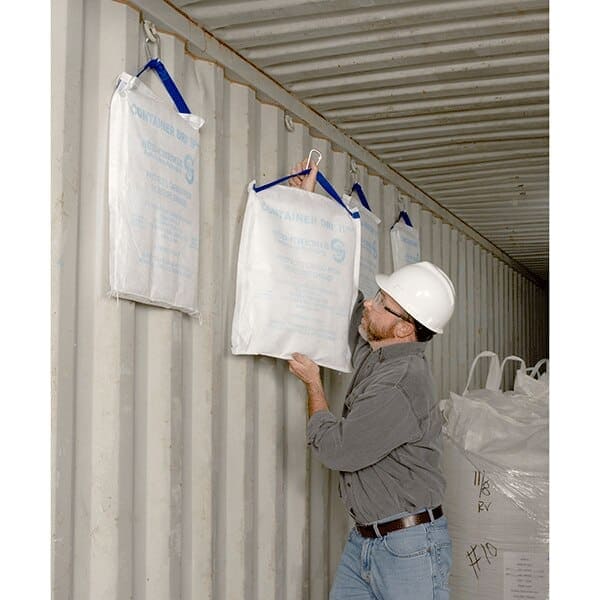
In the high-stakes world of cross-border trade, a single overlooked factor can turn a profitable shipment into a costly write-off. Container rain — the condensation that forms inside sealed shipping containers during long ocean voyages — remains one of the most persistent threats to cargo integrity across MENA and GCC supply chains.
Industrial container desiccants offer a proven, practical solution. These advanced moisture-control systems protect everything from FMCG and construction materials to machinery and bulk commodities during extended transit through volatile climates. This guide delivers the operational insights, selection criteria, and implementation strategies that experienced traders and logistics managers use to eliminate moisture-related losses.
Why Moisture Damage Remains a Top Operational Risk in Global Trade
Temperature swings during sea voyages create a cycle of evaporation and condensation inside containers. Warm daytime air holds more moisture; as temperatures drop at night or in different latitudes, that moisture condenses on cooler surfaces and drips onto packaging and goods. The result: mold on textiles and food products, corrosion on metals, weakened cardboard, and rejected shipments at destination ports.
🔥 The “Tarmac Baking” Effect: Pre-Voyage Risks in GCC Ports
While ocean transit risks are widely acknowledged, the most critical moisture crisis often occurs before the vessel even departs. During summer in the GCC, sealed steel containers left on the tarmac at ports like Jebel Ali or Dammam face extreme heat, with internal temperatures soaring close to 50°C (122°F).
This “tarmac baking” forces any inherent moisture within the cargo or wooden pallets to evaporate rapidly into the air inside the container. Low-grade or under-dosed desiccants will quickly become oversaturated during these few days on the dock, leaving the cargo completely unprotected for the actual seafaring journey.
In GCC ports and major re-export hubs like Jebel Ali, these issues compound with high humidity and strict quality inspections. A single damaged container can generate demurrage fees, insurance claims, and lost buyer trust — expenses that quickly erode thin margins in competitive regional markets.
Real Impact Statistics (Industry Benchmarks):
- Up to 20-30% of cargo claims in container shipping trace back to moisture damage.
- FMCG and agricultural exporters face rejection rates as high as 15% in humid corridors without proper protection.
- Construction material suppliers report rust and degradation issues that delay Saudi Vision 2030 and UAE infrastructure projects.
How Advanced Container Desiccants Work: Engineering Beyond Basic Silica Gel
Modern container desiccants go far beyond the small silica gel packets found in consumer packaging. They are engineered hanging units or strips designed specifically for 20ft and 40ft containers.
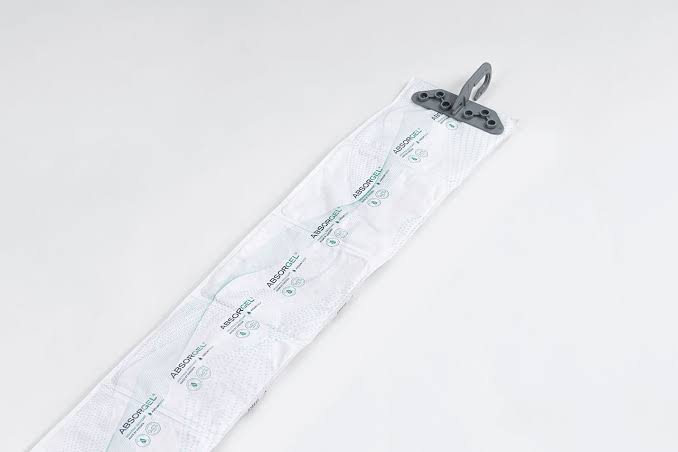
Container Desiccants
Core Mechanisms:
- High-Capacity Absorption: Premium formulations use calcium chloride combined with starch or proprietary gels. These absorb 200-300% of their weight in moisture — far exceeding standard desiccants.
- Gel Conversion Technology: Absorbed water turns into a stable gel matrix, preventing leakage even during rough seas or truck vibrations.
- Targeted Placement: Units hang from container bars or attach to walls, actively pulling moisture from the air before condensation forms.
This technology maintains relative humidity below critical thresholds (typically under 50-60% RH), keeping the internal environment dry regardless of external conditions.
⚠️ Thermal Warning: Silica Gel vs. Calcium Chloride in GCC Heat
Many logistics teams mistakenly deploy standard silica gel packets inside bulk shipping containers. While silica gel is excellent for air-conditioned retail packaging, it possesses a critical thermodynamic flaw: it is highly temperature-sensitive. When internal container temperatures in Middle Eastern ports exceed 50°C (122°F), silica gel reaches its desorption point and actively releases its trapped moisture back into the container, worsening the condensation cycle.
| Desiccant Type | Absorption Capacity | Behavior at 50°C+ (GCC Summer) | Risk Level |
|---|---|---|---|
| Standard Silica Gel | ~30-40% of its dry weight | Desorption (re-releases moisture) | 🔴 High (Cargo Damage) |
| Industrial Calcium Chloride | 200-300% of its dry weight | Chemical binding (turns to non-reversible gel) | 🟢 Extremely Low |
Engineering Verdict: For global maritime routes passing through or originating in the MENA/GCC region, calcium chloride-based desiccants are not just an alternative—they are an operational necessity to ensure chemical stability under extreme thermal stress.
Types of Container Desiccants: Choosing the Right Solution for Your Cargo
| Type | Best For | Absorption Capacity | Duration (Typical Voyage) | Key Advantage |
|---|---|---|---|---|
| Hanging Strips | General cargo, FMCG, textiles | 1.5–3 kg/unit | 30–60 days | Easy installation, even coverage |
| Pole-Mounted Units | Bulk commodities, machinery | 4–10+ kg/unit | 45–90 days | High volume for long hauls |
| Floor/Panel Sheets | Floor-sensitive goods | Variable | 30–50 days | Protects against bottom condensation |
| Custom Blends | High-value electronics, pharma | Tailored | Project-specific | Regulatory compliance focus |

Types of Container Desiccants
Selection Criteria for GCC/MENA Routes:
- Voyage duration and route (e.g., Asia-GCC vs. intra-GCC land-sea combos).
- Cargo type sensitivity (hygroscopic goods like cement, grains, or chemicals need higher capacity).
- Container size and load configuration — use the platform’s 3D Container Optimization Tool for precise placement planning.
Step-by-Step Implementation: Deploying Desiccants in Your Export Workflow
- Pre-Shipment Assessment Evaluate cargo moisture content, packaging type, and expected transit conditions. Tools like HS Code classifiers and trade cost calculators help forecast risks early.
- Quantity Calculation Industry rule of thumb: 1 kg of high-capacity desiccant per 1-2 cubic meters of container volume for standard 30-day voyages. Adjust upward for high-humidity origins or monsoon seasons.
📊 Quick-Reference Calculation Matrix
To save time during pre-shipment planning, use these standardized calculations for standard 30-day ocean voyages. Adjust to the higher end of the range for high-humidity origin ports or hygroscopic cargoes (like agricultural goods, cocoa, or paper products).
*Note: These ranges assume the use of high-capacity calcium chloride desiccants (absorption rate greater than 200%). If using inferior products, quantities may need to be tripled.
- Strategic Placement
- Hang units near the ceiling and doors where condensation starts.
- Space evenly for full airflow coverage.
- Combine with proper ventilation settings (keep vents closed for desiccants to work optimally).
⚠️ Critical Compliance Note: HS Code Alignment for Desiccants
While updating export checklists, logistics teams often overlook the customs manifest of the desiccant itself. Industrial chemical desiccants generally fall under HS Code 3824 (prepared binders for foundry molds/cores; chemical products).
When entering strict GCC customs frameworks—such as Saudi Arabia’s FASAH system—any undeclared or mismatched HS codes can trigger manual inspections, leading to unexpected container holds at ports like Jebel Ali or King Abdulaziz Port. Always ensure your desiccant’s HS code is harmonized with the primary cargo manifest to prevent avoidable customs delays.
- Documentation and Compliance Record usage in export checklists and commercial invoices. Many GCC buyers now request proof of moisture protection as part of quality assurance.
- Post-Arrival Verification Inspect upon discharge. Dry containers reduce disputes over demurrage and detention charges in busy ports like Jebel Ali or Hamad.
Quantifiable ROI: Cost Savings That Justify Investment
A single set of quality desiccants costs a fraction of potential losses. For a 40ft container:
- Average desiccant investment: $50–150.
- Potential avoided losses: $2,000–$15,000+ (damaged goods, rework, rejected deliveries).
Exporters using consistent moisture control report:
- 80-95% reduction in moisture-related claims.
- Faster customs clearance due to intact packaging.
- Stronger buyer relationships through reliable delivery quality.
Integration with Broader Trade Operations
Effective moisture management forms one piece of a resilient supply chain. Pair it with:
- Accurate Incoterms selection to define responsibility boundaries.
⚖️ Incoterms & Moisture Liability: Who Pays for the Desiccants?
A frequent source of dispute in maritime claims is determining which party is responsible for cargo protection costs. While Incoterms define the point where risk transfers, they rarely mention moisture control explicitly.
| Rule Group | Operational Reality | Best Practice / Responsibility |
|---|---|---|
| EXW / FCA / FOB | Risk transfers before ocean transit (e.g., on board vessel for FOB). However, desiccants must be installed during stuffing at the seller’s factory. | Buyer should explicitly specify desiccant requirements in the contract and reimburse the Seller for installation. |
| CFR / CIF / CIP | Seller arranges main freight. Risk still transfers at departure, but the seller holds commercial interest in cargo arriving sound. | Seller usually absorbs desiccant costs as part of quality assurance and to avoid freight/insurance disputes. |
Pro Tip: Never rely on assumptions. Add a dedicated clause in your Sales Contract specifying the exact type, quantity, and placement of container desiccants, and clearly assign the cost to prevent post-arrival litigation.
- Real-time tracking via maritime logistics tools.
- Digital document builders for compliant paperwork.
These elements work together to streamline operations across GCC trade corridors.
Common Pitfalls and Pro Tips from Operational Experience
- Under-dosing: Using too few units leads to partial protection. Always calculate based on worst-case humidity.
- Poor Quality Products: Low-grade desiccants leak or underperform. Source from suppliers with verified absorption test data.
- Ignoring Synergies: Combine desiccants with moisture-barrier liners or proper pallet wrapping for maximum effect.
- Seasonal Planning: Ramp up usage during high-risk periods in regional shipping lanes.
Pro Tip: Run a small pilot shipment with and without enhanced protection. Track outcomes through your CRM to build internal data on ROI.
Future Outlook: Smart Desiccants and Sustainability in 2026+
Emerging innovations include sensor-integrated units that monitor humidity in real-time and feed data into market pulse analytics platforms. These align with growing ESG demands from GCC buyers and support greener logistics by reducing waste from spoiled cargo.
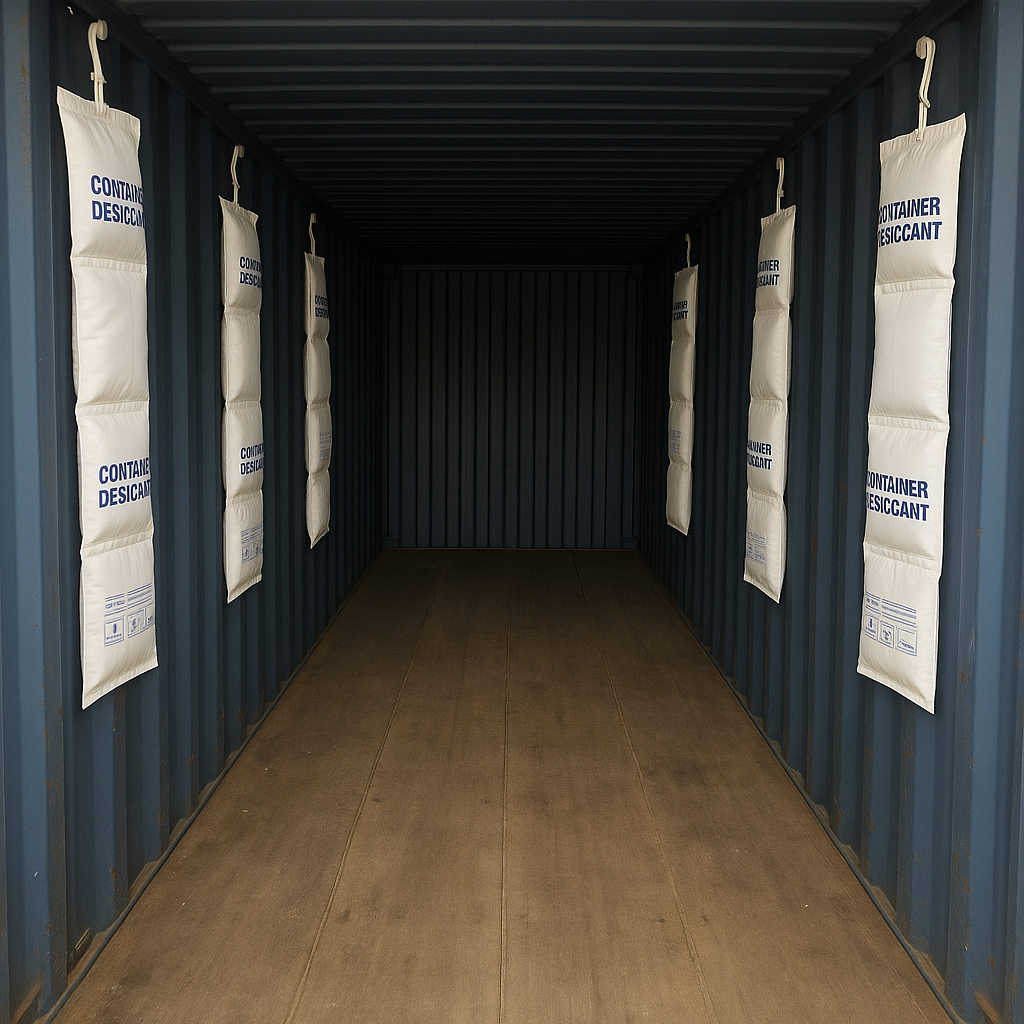
Smart Desiccants
Sustainability-focused traders also choose recyclable or lower-chemical formulations to meet evolving regional standards.
Frequently Asked Questions
Quick technical and compliance answers for global trade managers.
Q1: Can we reuse container desiccants for multiple voyages?
No. Industrial calcium chloride desiccants undergo a chemical reaction that permanently binds moisture into a gel matrix. Once saturated, they cannot be regenerated or reused and must be disposed of responsibly in accordance with safety datasheets (SDS).
Q2: Should we open or close container ventilation holes when using desiccants?
Keep them closed. If the container vents are left open, the desiccants will continuously pull in humid air from the outside ocean environment, causing them to saturate within a few days and leaving the cargo unprotected.
Q3: Is silica gel toxic, and what makes calcium chloride safer for bulk goods?
Standard silica gel is generally non-toxic but contains synthetic binders and dyes (like cobalt chloride indicators) that are strictly regulated. Premium calcium chloride formulation is an environmentally inert salt mixed with organic starch, making it highly secure, sustainable, and leakage-proof for FMCG and food shipments.
Q4: How do we declare desiccants on customs manifests under FASAH?
Desiccants loaded alongside your primary cargo do not usually require a separate bill of lading, but they must be noted in your stuffing packing list under chemical compounds (typically HS Code 3824) to avoid discrepancies during x-ray inspections in KSA and UAE ports.
Conclusion: Turn Moisture Control into a Competitive Advantage
Container desiccants represent a low-effort, high-impact lever for protecting margins and reputation in competitive global trade. By embedding this practice into standard operating procedures, B2B exporters across the region achieve greater reliability, fewer claims, and stronger positioning in key markets.
Operational excellence in logistics separates thriving traders from those constantly fighting avoidable setbacks. Consistent application of proven tools like industrial desiccants, combined with smart planning, creates resilient supply chains ready for 2026 and beyond.
Ready to strengthen every link in your trade operations? Register at Tendify.net and access integrated tools that simplify everything from moisture-aware planning to full compliance workflows. Visit https://tendify.net/my-account/ to get started.
Related Resources:

