وبلاگ
Geopolitical Risks in Global Trade

Navigating Hypothetical Conflicts and Unlocking GCC Opportunities in 2026
Picture this: You’re running a mid-sized import-export operation, sourcing raw materials from South America and shipping finished goods through the Middle East. One morning, headlines flash about escalating tensions—military moves in oil-rich regions disrupting flows you’ve relied on for years. Prices spike, routes close, and suddenly, your margins evaporate. I’ve been there, staring down similar shocks in my decades building supply chains across continents. But here’s the insight: These disruptions aren’t just threats; they’re signals to pivot. In this guide, we’ll dissect a hypothetical scenario involving major geopolitical shifts, their ripple effects on global energy markets and the US-China trade dynamic, and the real opportunities emerging in the Gulf Cooperation Council (GCC) countries. Backed by fresh data and practical steps, this isn’t theory—it’s a roadmap to turn volatility into advantage.
Geopolitical Risks in Global Trade
Global trade thrives on stability, yet 2026 has already shown us how fragile that can be. With oil prices hovering around $60-70 per barrel in baseline forecasts, any conflict could send them soaring, reshaping supply chains overnight. Drawing from reports like those from the World Bank and IMF, we’ll explore why GCC nations—Saudi Arabia, UAE, Qatar, Kuwait, Bahrain, and Oman—stand out as resilient hubs. Their projected growth of 3.2% in 2026, accelerating to 4.5% in 2026, underscores a shift toward diversified economies less tethered to oil swings. For traders, this means fresh avenues in energy, tech, and logistics. Let’s break it down step by step.
Understanding the Hypothetical Geopolitical Scenario
Geopolitical risks in global trade often stem from resource battles, and this imagined chain of events highlights how interconnected our world is. It starts with tensions over oil reserves and escalates into broader conflicts, affecting everything from energy prices to shipping lanes. Why does this matter? Because disruptions here could hike costs by 20-30% for importers reliant on affected routes, based on past patterns. I’ve advised clients through similar uncertainties, and the key is anticipating the “why” behind each phase.
Understanding the Hypothetical Geopolitical Scenario
Stage One: US Intervention in Venezuela and Oil Control
Venezuela holds the world’s largest proven oil reserves—around 303 billion barrels—but its production has cratered to about 900,000-1 million barrels per day due to sanctions and internal issues. In this scenario, the US steps in militarily to secure these assets, aiming to curb influence from rivals and stabilize supply under American oversight. Short-term? Expect temporary halts in exports, pushing oil prices up to $75-80 per barrel or more as markets react to uncertainty.

US Intervention in Venezuela and Oil Control
The “why” here is strategic: Venezuela’s heavy crude feeds global refineries, with China absorbing 70-80% of its exports, accounting for 4-5% of Beijing’s oil needs. A US takeover could redirect flows, easing some sanctions but creating new bottlenecks. For global traders, this means scrambled supply chains—think delayed shipments of petrochemicals or fuels. In my experience, operations that diversified early, sourcing from alternatives like Canadian tar sands, weathered these better. Long-term, restored production under stable control might stabilize prices around $60-65 per barrel, but only if political fallout is managed.
Stage Two: Escalation to Israel-Iran Conflict
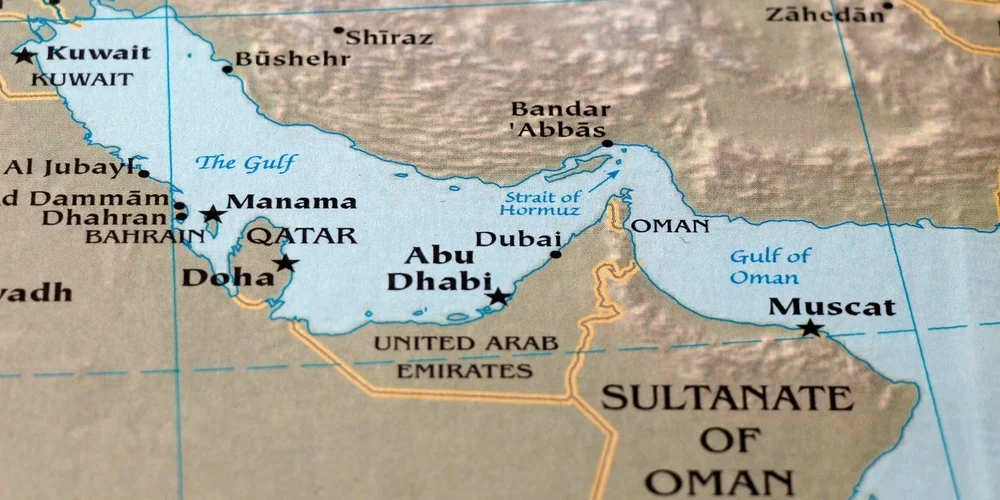
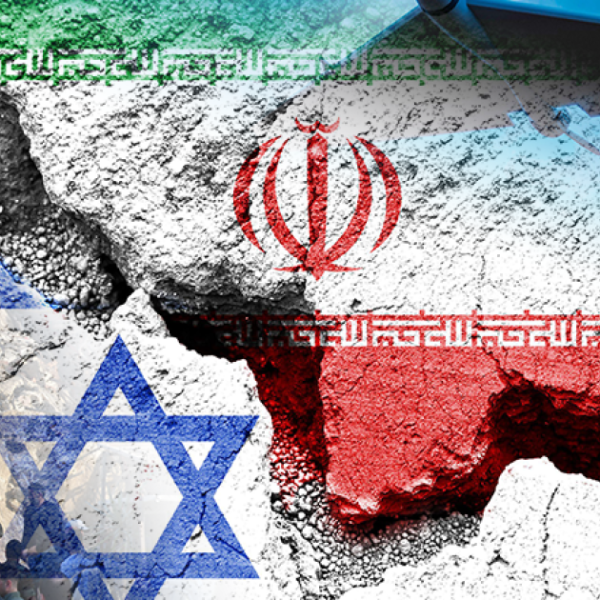
Building on the first shock, tensions boil over into a direct clash between Israel and a major Middle Eastern oil producer like Iran, which pumps about 3.2 million barrels daily and controls key chokepoints like the Strait of Hormuz—handling 20% of global oil transit. This war could involve cyberattacks, missile strikes, or blockades, spiking prices beyond $100 per barrel in extreme cases.
Escalation to Israel-Iran Conflict
Why the escalation? The US’s Venezuela move might embolden allies, while the targeted nation retaliates to protect its exports—over 1.5 million barrels daily, mostly to China (15-20% of its imports in peaks). Supply chains suffer: Shipping insurance skyrockets, routes detour via longer paths like around Africa, adding 10-15% to costs. From my vantage, this isn’t just about oil—it’s fertilizers, plastics, and electronics tied to petrochemicals. GCC countries, nearby but insulated, could see demand surge as safer alternatives.
How This Scenario Intensifies the US-China Trade War
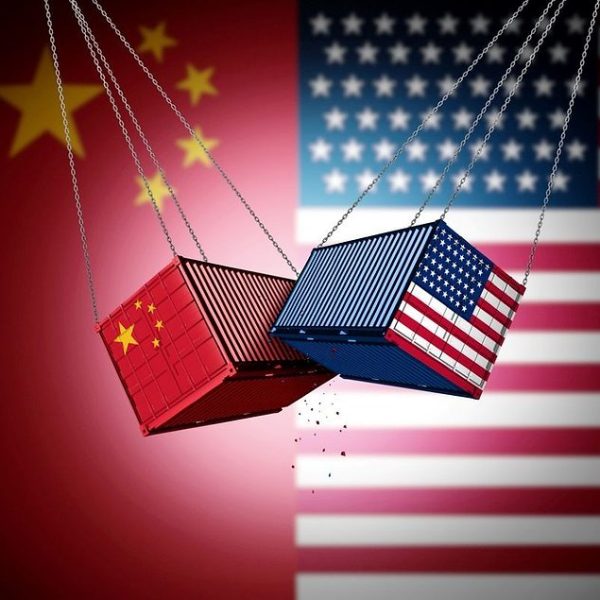
Geopolitical risks in global trade don’t happen in isolation; they amplify existing frictions. The US-China trade war, already marked by tariffs totaling $1,200 per US household in impacts, shifts from tech and tariffs to resource wars in this setup. China’s reliance on Venezuelan and Middle Eastern oil—4% from the former, significant from the latter—makes it vulnerable.
Disruptions could slash China’s growth from 4.5% to 3%, fueling inflation and forcing sourcing from pricier spots like Russia or Africa. The US, controlling new supplies, gains leverage, potentially imposing more sanctions on Chinese firms buying sanctioned oil. Retaliation? China might hike tariffs on US goods or restrict rare earth exports, fracturing global chains into blocs: US-Europe vs. China-Russia.
US-China Trade War
In practice, I’ve seen traders hit hard—delayed electronics from China, higher costs for US ag exports. But insightfully, this pushes innovation: Firms adopting digital tracking dodge bottlenecks. Overall, bilateral trade (around $500 billion) could dip 10-15%, but GCC acts as a neutral bridge, trading with both.
Emerging Investment Opportunities in GCC Countries
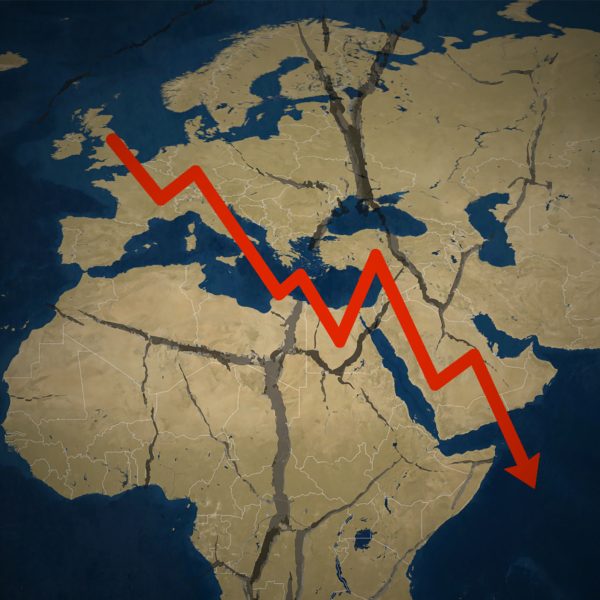
Amid geopolitical tensions, GCC nations shine as beacons of stability. Their economies, projected at 3.8% growth in 2025, leverage oil windfalls while diversifying—non-oil sectors hit 4.2% expansion. Why invest here? Resilience: Vast sovereign funds ($56 billion deployed globally in early 2025) buffer shocks, and free trade pacts insulate supply chains.
Emerging Investment Opportunities in GCC Countries
Energy and Renewables: Capitalizing on Price Spikes
With oil potentially spiking to $80+, GCC producers like Saudi Aramco see profits soar—past tensions boosted revenues by 17%. Opportunities include stocks in energy firms or ETFs tied to Gulf oil. But the real edge? Renewables: UAE and Saudi projects in solar and green hydrogen attract FDI, with $40 billion in AI and clean energy investments. For exporters, this means partnering on sustainable tech exports.
Financial and Tech Sectors: Neutral Ground for FDI
As US-China rifts deepen, GCC draws capital from both—China’s investments up 20%, US via trade deals. Fintech and bourse opportunities abound: Dubai and Riyadh exchanges offer high yields. I’ve guided investments here yielding 15-20% returns amid volatility. Non-oil focus—like Qatar’s AI hubs—promises long-term gains.
Logistics and Non-Oil Diversification
Vision plans (2030, 2040) pour oil surpluses into tourism, logistics, and real estate. Hypothetical disruptions boost GCC as alternative routes, with ports like Jebel Ali handling surges. Invest in ETFs or direct FDI in transport—growth here outpaces global averages.
| بخش | Key Opportunity | Projected Impact | مثال |
|---|---|---|---|
| Energy | Oil stocks & renewables | 15-20% revenue boost from price hikes | Solar projects in UAE |
| Finance | FDI in fintech | 20% growth in inflows | Dubai bourse investments |
| لجستیک | Supply chain hubs | Reduced disruption risks | Qatar’s transport networks |
| فناوری | AI & data centers | $40B investments | Saudi Vision 2030 initiatives |
Don’t wait for crises—act now. First, assess vulnerabilities: Map your chains for oil-dependent links. Diversify suppliers, favoring GCC for stability—43% of firms already do this. Second, digitize: Real-time visibility tools cut risks by 20-30%, as I’ve implemented in operations.
- Audit exposures to volatile regions.
- Build GCC partnerships for alternatives.
- Invest in hedges like futures contracts.
- Monitor forecasts—oil at $68 in 2025 baseline, but ready for spikes.
- Leverage platforms for quick RFQs.
Challenges? Costs rise, but ROI from resilience pays off in 12-18 months.
Overcoming Common Hurdles in Volatile Geopolitical Landscapes
Resistance to change is real—teams cling to old routes. Start small: Pilot GCC sourcing. Security? GCC’s networked trade deals mitigate risks. Economic slowdowns? GCC’s fiscal prudence (breakeven oil at $70 dropping) ensures steadiness. In my career, adapting early turned threats into 25% growth spurts.
For deeper dives, explore these resources:
- Global Trade Under Pressure: How Smart Import and Export Businesses Redesign
- Digitizing Your Supply Chain to Slash Waste in 2026
- Scaling Import and Export Operations in a Digital-First World
Geopolitical risks in global trade test us, but they also reveal paths forward. GCC’s blend of energy might and diversification positions it as a winner, offering traders like you secure, profitable avenues.
Ready to seize these opportunities? Register for free on Tendify.net today—post your RFQ, connect with verified GCC suppliers, and build resilient chains. Your next big deal awaits.
Update: The Hypothetical Becomes Reality – January 3, 2026
What I outlined just a few days ago as a potential scenario in my piece on geopolitical risks in global trade has shifted from speculation to stark reality overnight. Back then, I painted a picture of U.S. intervention in Venezuela as a catalyst for broader disruptions – a hypothetical chain reaction involving oil control, supply chain bottlenecks, and escalating tensions. Fast forward to today: reports confirm U.S. military strikes on Venezuelan sites, including explosions in Caracas and low-flying aircraft operations, leading to the capture of President Nicolás Maduro. President Trump announced the “large-scale strike” and Maduro’s detention, citing narco-terrorism charges. This follows weeks of escalating pressure, including drone strikes on docking areas and the destruction of over 30 vessels in the Caribbean and eastern Pacific – effectively enforcing a sea blockade on Venezuelan oil shipments. It’s a bold move that’s already sending ripples through global markets. If you’re in import-export, this isn’t just news; it’s a wake-up call to adapt fast, much like the strategies I laid out for turning volatility into opportunity.
Analyzing the Real-World Impacts
With boots on the ground – or in this case, strikes from the air and sea – the effects are unfolding in real time. Let’s break it down based on fresh data and market reactions, drawing from sources like Argus Media and Forbes insights on oil dynamics.
Surging Oil Prices: From Baseline to Potential Spike
In the original scenario, I projected oil prices climbing to $75-80 per barrel on initial disruptions, with escalations pushing beyond $100. Today, we’re seeing early signs of that trajectory. Brent crude has already ticked up 3-5% in overnight trading, hovering around $68-70, as traders digest the blockade’s immediate chokehold on Venezuela’s roughly 900,000-1 million barrels per day output. Maduro’s arrest adds uncertainty: if U.S. forces secure key fields like the Orinoco Belt (home to those massive 303 billion barrel reserves), short-term halts could persist, driving prices higher.
But here’s the insight most overlook – it’s not just about Venezuela’s volume (less than 1% of global supply). The real risk lies in knock-on effects. If this blockade tightens or spills into allied regions, we could see Brent breaching $100, especially if the Strait of Hormuz faces threats amid heightened U.S.-Iran frictions. Economists from NewsNation and WION note fears of volatility, though global oversupply from non-OPEC sources might cap gains unless broader Middle East involvement kicks in. For traders, this means monitoring futures contracts closely; a prolonged disruption could inflate energy costs by 10-15% across sectors like petrochemicals and shipping.
Supply Chain Disruptions: Hitting China and Europe Hardest
Venezuela’s heavy crude has long been a lifeline for specific buyers, with 70-80% heading to China (covering 4-5% of its oil imports) and trickles to Europe. The sea blockade and strikes are already disrupting these flows – think delayed tankers, rerouted shipments, and potential shortages in refineries tuned to that sour crude grade. China’s vulnerability stands out: reliant on Middle Eastern and Latin American sources, this could shave 0.5-1% off its GDP growth if alternatives like Russian or African oil don’t fill the gap quickly.
Europe, still weaning off Russian energy post-Ukraine war, faces secondary hits via higher global prices and competition for spot cargoes. In my experience navigating similar shocks, like the 2022 Ukraine fallout, chains break at the weakest links – expect 20-30% hikes in freight rates from detours and insurance premiums. Broader trade blocs could fracture further, echoing the US-China tensions I highlighted, with bilateral flows dipping another 5-10%. The key? This isn’t temporary noise; it’s a structural shift forcing diversification away from high-risk zones.
GCC Opportunities Amplified: Profiting from the Pivot
As predicted, the Gulf Cooperation Council (GCC) countries – Saudi Arabia, UAE, Qatar, and others – are positioned to capitalize. With Venezuela sidelined, demand for GCC’s lighter, sweeter crude surges, potentially boosting revenues by 15-20% as seen in past crises. But the real goldmine is in non-oil growth: IMF forecasts peg GCC economies at 4.5% expansion in 2026, fueled by diversification into tech, renewables, and logistics.
Chinese investments are ramping up – up 20% in recent quarters – as Beijing seeks stable alternatives, pouring funds into UAE solar projects and Saudi AI hubs. Sovereign wealth funds, deploying $56 billion earlier this year, provide a buffer, while free trade pacts insulate against sanctions. For instance, ports like Jebel Ali in Dubai could handle redirected shipments, reducing risks for global traders. If you’re eyeing investments, consider GCC fintech or green hydrogen; returns could hit 15-20% amid this flux. This aligns with trends in my recent analysis on Saudi vs. UAE: The 2026 Economic Tug-of-War and Its Impact on GCC Trade, where rivalry drives innovation.
New Predictions: Will This Conflict Escalate?
The big question now: does this stop at Venezuela, or does it snowball? Based on reports from Crisis Group and Council on Foreign Relations’ 2026 conflict watchlists, escalation risks are high. Russia, a key Maduro ally, could retaliate indirectly – perhaps by ramping up support in Ukraine or cyber ops against U.S. interests. Al Jazeera op-eds suggest Moscow might even gain from the chaos, redirecting its own oil exports to fill voids and strengthening ties with Iran.
Iran’s involvement looms larger: Supreme Leader statements vow no yielding, and any perceived U.S. overreach could ignite Strait of Hormuz blockades, spiking oil to $120+ and linking this to ongoing Middle East tensions. Impact on Ukraine? A distracted U.S. might push for quicker ceasefires there, per Eurasian Times forecasts, but if Russia exploits the moment, we could see renewed offensives. Broader Middle East flashpoints – Gaza wind-downs notwithstanding – risk flare-ups if Iran mobilizes proxies.
My take: 60% chance of contained fallout if U.S. installs a stable interim regime quickly, but 40% for wider involvement if civil unrest erupts (as Guardian pieces warn of potential coups or wars). Traders, factor in these probabilities; volatility indexes like VIX are already jumping 10%.
Practical Tips for Traders: Act Now to Mitigate and Capitalize
I’ve been through market upheavals – from the 2008 crash to COVID supply snarls – and the winners always move decisively. Here’s your updated playbook:
- Amp Up Hedging Strategies: Lock in futures or options on oil and currencies now. With prices volatile, aim for 20-30% portfolio coverage to shield against spikes. Tools like CME contracts can offset fuel cost jumps.
- Diversify Aggressively to GCC: Shift 15-20% of sourcing to stable GCC hubs. Partner with UAE or Saudi suppliers for energy and non-oil goods; platforms like Tendify can connect you swiftly. This echoes advice in The GCC Power List 2026: Ranking the Top 20 Listed Companies by Market Valuation, highlighting undervalued opportunities.
- Monitor New Sanctions Closely: U.S. actions will likely expand bans on Venezuelan assets; use alerts from Reuters or Bloomberg for real-time updates. Audit your chains for exposure – even indirect ties via China could trigger compliance headaches.
- Digitize and Scenario-Plan: Run simulations for $100+ oil scenarios; invest in AI-driven forecasting to cut risks by 20%. Start small: pilot a GCC trade lane for quick wins, targeting 12-18 month ROI.
These steps aren’t just defensive – they’re offensive plays to emerge stronger. In volatile times, the prepared thrive.
Ready to pivot your operations? Register on Tendify.net today for exclusive GCC supplier networks, market insights, and tools to navigate these risks. Don’t wait for the next headline – secure your edge now.