وبلاگ
The Strait of Hormuz Toll Scheme: Economic Implications and Compliance Considerations for Global Trade and Energy Security

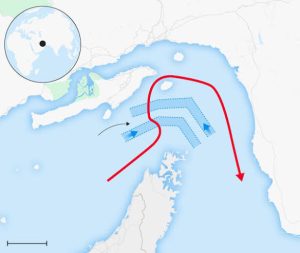
The Strait of Hormuz remains one of the most critical maritime chokepoints in the global economy, serving as the primary transit route for approximately 20 percent of the world’s seaborne oil and a substantial share of liquefied natural gas. Any policy that introduces a formal transit fee or toll on vessels passing through this waterway carries profound and multifaceted economic consequences. This objective analysis examines the potential macroeconomic effects of such a scheme, focusing on energy prices, inflation dynamics, supply-chain reconfiguration, competitive shifts among oil producers, and impacts on major importing economies. The discussion is framed strictly within the context of international trade compliance, risk management, and regulatory considerations for legitimate cross-border commerce.

Hormuz Toll
A transit fee in the Strait of Hormuz would represent a structural change in the cost of energy logistics. For regulated entities engaged in commodity trading, trade finance, and supply-chain management, understanding these implications is essential for updating risk models, adjusting compliance frameworks, and maintaining operational resilience. The analysis below explores both direct and indirect effects while highlighting audit-ready strategies that institutions can adopt to navigate the evolving environment.
Strait of Hormuz Toll Scheme
Compliance-First Perspective: Any transit-fee regime must be evaluated through the lens of established international maritime law and trade-finance compliance obligations. Institutions should integrate real-time monitoring of route costs, insurance premiums, and sanctions-screening implications into their existing workflows to preserve audit readiness and support legitimate trade flows.
1. Energy Price Shock: Oil and Gas Markets
The Strait of Hormuz functions as the primary export gateway for crude oil and liquefied natural gas from Saudi Arabia, Iraq, the United Arab Emirates, Kuwait, and Qatar. A formal toll scheme would directly increase the delivered cost of these hydrocarbons. Even a modest per-barrel fee would be amplified by secondary effects, including higher war-risk insurance premiums for tankers and elevated uncertainty that influences futures pricing.
Analysts project that the direct component of a toll could add a baseline increment to global oil benchmarks. More significantly, the introduction of a new cost layer would likely generate a risk premium as market participants price in potential volatility in passage rights and insurance availability. This combined effect could push benchmark prices materially higher, affecting everything from refinery margins to end-consumer fuel costs. For trade-finance platforms, such price movements necessitate updated collateral valuation models and enhanced monitoring of counterparty exposure in energy-linked transactions.
Regulated entities should reference established risk-mitigation frameworks when assessing these dynamics. Practical guidance on alternative routing options that maintain compliance is available in our analysis of Compliant Trade Route Reengineering: Audit-Ready Alternatives to the Strait of Hormuz Crisis.
2. Global Inflation and Supply-Chain Transmission Effects
Elevated energy transit costs do not remain isolated within the oil and gas sector. They propagate through the global economy via higher transportation expenses and input costs. Shipping lines would pass on increased fuel and insurance surcharges to importers, raising the landed cost of a wide range of goods. Sectors particularly sensitive to these changes include petrochemical manufacturing, fertilizer production, and heavy industry.
Agricultural supply chains in developing regions would face indirect pressure, as higher fertilizer prices translate into elevated food-production costs. This second-round effect could exacerbate inflationary pressures in import-dependent economies. For compliance teams overseeing trade finance, the resulting cost increases require heightened scrutiny of pricing documentation and source-of-funds verification to ensure that transactions remain consistent with declared commercial activity.
Institutions can strengthen resilience by incorporating multipolar routing strategies and tokenized settlement options. Further detail on stablecoin-based liquidity solutions in disrupted corridors is provided in War Economy and Crypto: How Stablecoins Emerged as a Compliant Alternative to Physical Dollars in Cross-Border Transactions During Geopolitical Crises.
3. Shift in Competitive Advantage Among Oil Producers
A toll scheme would alter the relative economics of different crude-oil supply sources. Oil produced in regions outside the Persian Gulf—such as the North Sea, the United States, or West Africa—would become comparatively more attractive on a delivered-cost basis. Gulf producers might respond by offering deeper discounts or adjusting official selling prices to maintain market share, effectively absorbing part of the toll burden.
This dynamic could accelerate diversification efforts among major importers and encourage investment in non-Gulf production capacity. For commodity traders and financial institutions, the resulting price dispersion necessitates sophisticated hedging strategies and real-time compliance monitoring of origin and destination data. The episode would also underscore the importance of audit-ready documentation linking physical shipments to financial flows.
Related considerations around tokenized maritime assets and vessel visibility are explored in our guide on Shadow Fleets and Tokenization of Real-World Assets: Understanding the Reported Technique and Implementing Audit-Ready Compliance Strategies.
4. Impact on Major Asian Economies
East Asian economies—China, India, Japan, and the Republic of Korea—account for the largest share of crude oil and liquefied natural gas transiting the Strait of Hormuz. Any increase in transit costs would directly raise industrial input prices and erode competitiveness in export-oriented manufacturing sectors. In China and India, higher energy costs could moderate GDP growth forecasts and intensify pressure on monetary authorities to manage inflation.
These economies might accelerate efforts to diversify supply sources, invest in strategic reserves, and develop alternative transit corridors. For global trade-finance providers, the resulting reconfiguration demands updated counterparty-risk models and enhanced visibility into emerging payment rails. The shift also highlights opportunities for compliant nearshoring and friendshoring initiatives that reduce exposure to single chokepoints.
Strategic adaptation options for manufacturers and traders are detailed in Friendshoring 2.0: Compliant Nearshoring Strategies for Manufacturers Targeting GCC and Emerging Markets.
Revenue Potential: A Comparative Perspective
Proponents of a toll scheme often reference the financial model of the Suez Canal as a benchmark. The table below provides a stylized comparison of estimated revenue streams and operational characteristics:
| متریک | Strait of Hormuz (Hypothetical Toll Scheme) | Suez Canal (Current) |
|---|---|---|
| Estimated Monthly Revenue | 600–800 million USD | 700–800 million USD |
| Primary Cargo Type | Energy (crude oil and LNG) | Containerized goods and bulk cargo |
| Cost per Large Tanker | Variable (up to 2 million USD depending on capacity and rate structure) | Based on tonnage and vessel type |
| Transit Volume (Daily Average) | High-volume energy shipments | Diversified commercial traffic |
While revenue potential exists, any toll regime must be implemented within established international legal parameters to avoid disputes that could disrupt trade flows. Institutions should maintain audit-ready documentation of all related costs and ensure compliance with applicable maritime and sanctions frameworks.
Legal and International Considerations
The principle of innocent passage, as codified in the United Nations Convention on the Law of the Sea (UNCLOS), guarantees vessels the right to transit international straits without undue interference. Any toll scheme would need to be evaluated against these obligations and coordinated through appropriate diplomatic channels to minimize legal and operational friction. Regulated entities should incorporate these considerations into their route-risk assessments and maintain robust policies for verifying compliance with international maritime norms.
Diplomatic reactions from major trading partners could influence implementation timelines and fee structures. Compliance teams are advised to monitor evolving regulatory guidance and integrate route-cost variables into their sanctions-screening and Travel Rule processes. For broader context on alternative routing strategies that preserve compliance, see the previously referenced guide on compliant trade route reengineering.
Compliance and Risk-Mitigation Strategies for Regulated Entities
Institutions engaged in energy trade and maritime finance can adopt several practical measures to maintain resilience:
- Real-time integration of vessel-tracking data with cost-modeling tools to forecast delivered prices.
- Enhanced due-diligence protocols for counterparties operating in affected corridors.
- Utilization of programmable payment structures and regulated stablecoins to reduce settlement friction.
- Periodic stress-testing of supply-chain models against hypothetical toll scenarios.
These steps help ensure that legitimate trade continues uninterrupted while satisfying regulatory expectations for risk management and audit readiness.
Conclusion: Toward a More Resilient and Multipolar Trade Architecture
A transit-fee regime in the Strait of Hormuz would introduce significant economic ripple effects across energy markets, inflation dynamics, competitive positioning, and regional growth trajectories. While presenting potential revenue opportunities for the coastal state, the scheme would also necessitate adaptive responses from importers, producers, and financial intermediaries. The ultimate outcome depends on the design, implementation, and international reception of any such policy.
For compliance-focused organizations, the episode underscores the importance of diversified routing options, advanced monitoring capabilities, and audit-ready documentation. By proactively integrating these elements into their operational frameworks, institutions can navigate the evolving landscape while continuing to support legitimate cross-border commerce and energy security.
Platforms purpose-built for regulated trade provide the infrastructure necessary to operationalize these adaptations efficiently. Entities seeking to strengthen their risk-management capabilities are encouraged to evaluate integrated solutions aligned with the frameworks discussed throughout this analysis.