وبلاگ
Iraq Contracts: Don’t Sign Without These War-Risk & Force Majeure Clauses
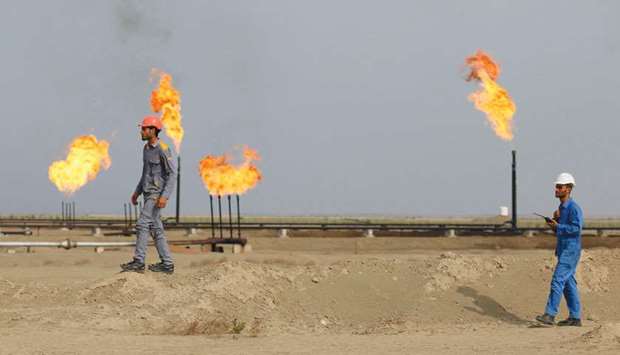
من در بیست سال گذشته در برخی از بیثباتترین بازارهای جهان معاملاتی انجام دادهام و همه چیز را از مصالح ساختمانی گرفته تا ماشینآلات در مناطقی که ثبات میتواند یک شبه تغییر کند، تأمین کردهام. یک واقعیت به شدت مرا تحت تأثیر قرار میدهد: بیمه خطر جنگ و بندهای فورس ماژور در قراردادهای عراق، موارد اضافی اختیاری نیستند - آنها شریان حیاتی شما هستند. بیثباتی سیاسی، فعالیت شبهنظامیان و تنشهای منطقهای به این معنی است که بیمههای استاندارد اغلب پوشش خسارات مرتبط با جنگ را حذف میکنند و صادرکنندگان را در معرض آسیبهای مالی عظیم قرار میدهند. در عراق، جایی که بازسازی میلیاردها دلار تجارت را به همراه دارد اما خطرات امنیتی همچنان پابرجاست، نادیده گرفتن این موارد میتواند سود را از بین ببرد یا محمولهها را سرگردان کند.
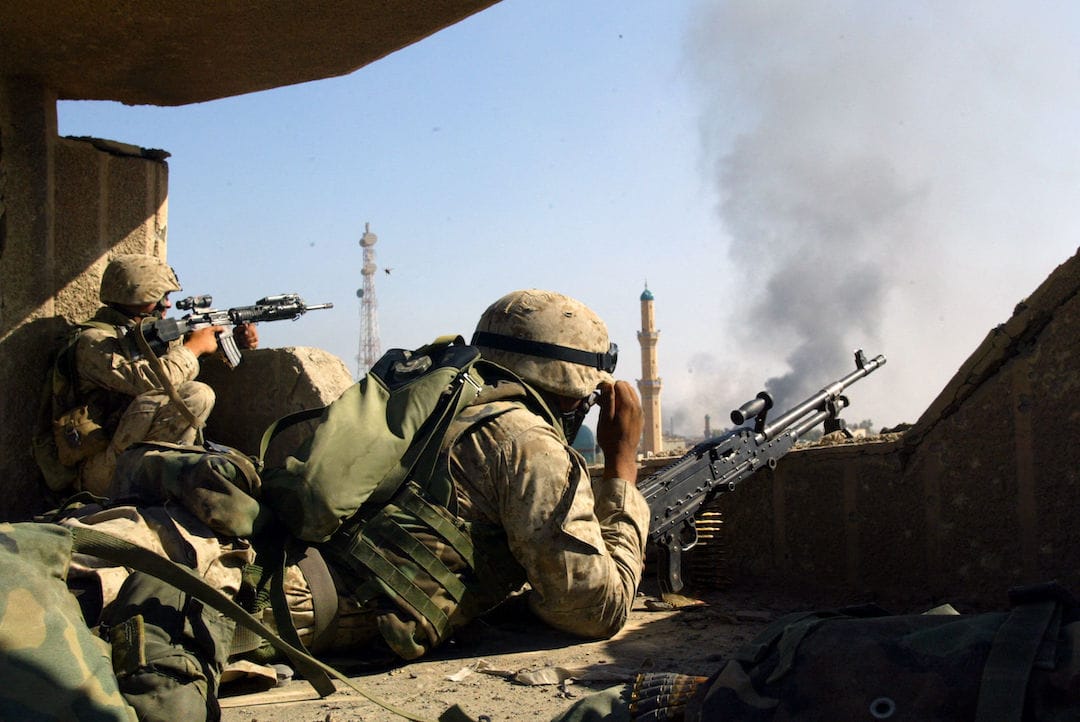
خطرات واقعی که صادرکنندگان در قراردادهای عراق با آن مواجه هستند
به این فکر کنید: طبق گزارشهای صنعت، حق بیمه جهانی ریسک جنگ دریایی در سالهای اخیر به دلیل تنشهای خاورمیانه، 20-50% افزایش یافته است. برای صادرکنندگان به عراق، مسیرهای عبور از خلیج فارس یا مرزهای زمینی، ریسک را افزایش میدهد. من شاهد فروپاشی معاملات بودهام، زمانی که ناآرامیها باعث تأخیر شدهاند، یک طرف ادعای فورس ماژور کرده در حالی که طرف دیگر آن را مورد مناقشه قرار داده است - که منجر به اختلافات پرهزینه شده است. این راهنما اصول اساسی ... بیمه خطر جنگ و بندهای فورس ماژور در قراردادهای عراق. من مواردی را که آنها محافظت میکنند، دلیل اهمیت آنها طبق قانون عراق و گامهای عملی برای مذاکره در مورد شرایط قوی را پوشش خواهم داد. در پایان، شما با اطمینان قرارداد امضا خواهید کرد و از حاشیه سود خود در این بازار پرفرصت محافظت خواهید کرد.
خطرات واقعی که صادرکنندگان در قراردادهای عراق با آن مواجه هستند
اقتصاد عراق با نیازهای بازسازی - زیرساختهای نفتی، پروژههای ساختمانی و واردات کالاهای مصرفی که رشد را تقویت میکنند - رونق میگیرد. با این حال، خطراتی مانند ناآرامیهای مدنی، تروریسم و سرایت ژئوپلیتیکی همچنان بالا است.
ریسکهای کلیدی برای صادرکنندگان:
- ضرر یا زیان فیزیکیمحمولهها توقیف، در حملات نابود یا به طور نامحدود به تعویق افتادهاند.
- تحویل با تأخیربسته شدن مرزها یا ایستهای بازرسی امنیتی که مانع از ارسال محمولهها میشوند.
- اختلافات قراردادیخریدارانی که به دلیل عدم پرداخت در بحبوحه بیثباتی، به فورس ماژور استناد میکنند.
- آسیبپذیریهای مسیرحمل و نقل دریایی از طریق خلیج فارس با خطر دزدی دریایی یا مناطق درگیری مواجه است؛ حمل و نقل زمینی خطرات مرزی را افزایش میدهد.
بیمه باربری استاندارد، جنگ، اعتصاب، شورش و آشوبهای داخلی (SRCC) را شامل نمیشود. بدون افزودنیهای خاص، شما خود را در معرض خسارات هنگفتی قرار میدهید. گزارشها، تهدیدات و حملات مداوم شبهنظامیان به تأسیسات را برجسته میکنند و تأکید میکنند که چرا پوشش پیشگیرانه غیرقابل مذاکره است.
Trading with ASEAN : Opportunities, Regulations, and Market Entry Strategies
آشنایی با بیمه خطر جنگ برای صادرات به عراق
بیمه خطر جنگ شکاف ایجاد شده توسط بیمههای استاندارد را پر میکند و خسارات ناشی از جنگ، تهاجم، تروریسم، دزدی دریایی و خطرات مرتبط را پوشش میدهد.
چرا بیمه نامه های استاندارد کوتاه می آیند؟
War-risk insurance bridges the critical protection gap left by standard marine cargo policies. It serves as a specialized indemnity layer covering physical loss or damage to goods resulting from war, invasion, acts of foreign enemies, hostilities (whether war be declared or not), civil war, rebellion, revolution, insurrection, or civil strife. In the volatile landscape of Middle Eastern trade, it also encompasses risks like terrorism, piracy, and the deployment of derelict weapons of war, such as drifting mines or abandoned torpedoes.
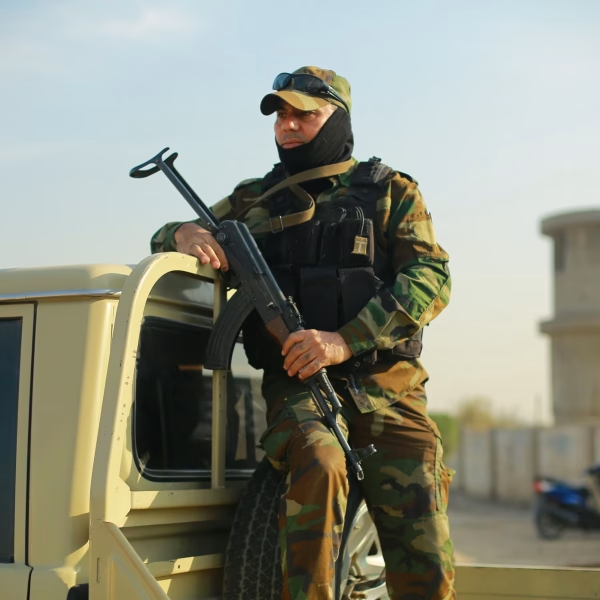
خطر جنگ در عراق
Why Standard Policies Fall Short: The 48-Hour Reality
Most standard “All-Risk” marine cargo policies operate under the Institute Cargo Clauses (A), which explicitly exclude war and strikes perils via the Paramount Exclusions. Furthermore, insurers maintain the right to cancel war risk coverage on extremely short notice—typically ۷ روز, but sometimes as little as 48 hours for highly volatile corridors.
In Iraq’s specific context, exporters face three unique challenges:
Hull vs. Cargo Disparity: While your cargo might be insured, the vessel owner may lack adequate hull war risk coverage, leading to “General Average” complications if the ship is seized or damaged in the Persian Gulf.
Transshipment Vulnerabilities: Cargo moving through Jebel Ali or Kuwait for onward transit to Iraq often requires a “Continuous Transit” extension to ensure coverage doesn’t lapse during warehouse storage.
The “Notice of Cancellation” Risk: If tensions escalate in the Strait of Hormuz, a standard policy might drop coverage while your goods are mid-transit, leaving your capital exposed unless a “Fixed-Premium” war policy is pre-arranged.
پوششهای کلیدی در بیمهنامههای ریسک جنگ
A robust policy for the Iraqi market must include:
Hostilities and Submerged Perils: Protection against modern naval threats and historical remnants (mines) in the Shatt al-Arab or Umm Qasr approach.
Seizure and Nationalization: Protection if goods are confiscated by local authorities or militias due to shifting political alignments.
SRCC (Strikes, Riots, and Civil Commotions): This is vital for overland trucking via the Ibrahim Khalil (Turkey) or Shalamcheh (Iran) borders, where localized protests can lead to cargo theft or arson.
Contract Frustration: Covers the inability to complete a contract due to government intervention or sudden sanctions.
Practical Options for Exporters: Strategy Over Product
Marine War Risk (Institute War Clauses – Cargo): This is the baseline. Ensure it is based on the latest CL255 یا CL385 clauses for maximum legal clarity.
Political Risk Insurance (PRI): Recommended for long-term supply contracts with Iraqi government entities (State Companies). It protects against non-payment and currency inconvertibility.
The Lloyd’s Market Advantage: For high-value shipments (oil & gas equipment or laboratory instrumentation), sourcing coverage from specialized Lloyd’s syndicates provides higher indemnity limits and faster claims processing in high-risk zones.
Pro-Tip on Pricing: Do not treat insurance as a sunk cost. Use it as a competitive advantage. In a recent logistics project I supervised, a pre-negotiated Annual Open Cover policy allowed the exporter to offer fixed DDP prices to a client in Baghdad, even as regional freight rates fluctuated. By locking in the war-risk premium early, they avoided the 300% surcharge spike that hit their competitors during a sudden regional escalation.
روندها و ملاحظات هزینه
حق بیمهها متفاوت است: نرخ پایه پایین است، اما برای مسیرهای عراق/خلیج فارس، نرخ اضافی است. قیمتگذاری پویا، تهدیدات لحظهای را منعکس میکند - مناطق ذکر شده توسط کمیته مشترک جنگ را رصد کنید.
Cost Trends and The Joint War Committee (JWC)
Premiums for Iraq are never static. They are governed by the Joint War Committee (JWC) in London, which frequently updates its “Listed Areas.”
Base vs. AP: You will pay a base premium plus an Additional Premium (AP) for entering Iraqi waters or territory.
The “72-Hour Quote” Rule: Most AP quotes are only valid for 72 hours. Timely vessel arrival is crucial to avoid re-quoting at a higher rate if the security situation deteriorates.
Pro-Tip: Incoterms Selection for Iraq Transit
From an operational standpoint, CPT (Carriage Paid To) یا DAP (Delivered at Place) are often risky for the seller in Iraq without a “Hub-and-Spoke” insurance model. We recommend:
- Customized CIF: Extend the Institute War Clauses (Cargo) to cover the “Last Mile” from the border (e.g., Shalamcheh or Umm Qasr) to the final warehouse in Baghdad.
- Demurrage Protection: Explicitly state that War Risk covers port congestion caused by military activity. In 2024, delays at Southern ports often lead to costs that standard FM clauses ignore.
The Iraqi Legal Perspective: Article 146
While international contracts often rely on ICC standards, incorporating Article 146 of the Iraqi Civil Code provides a stronger safety net. Unlike standard Force Majeure, this article addresses “Exceptional Circumstances” that make a contract “oppressive” even if not impossible to perform.
- Hardship vs. Impossibility: Ensure your clause explicitly mentions that a sudden spike in transport costs due to regional conflict triggers a price renegotiation, not just a termination.
- Experience Tip: Iraqi courts often distinguish between “Foreign Force Majeure” and “Internal Civil Unrest.” Your contract must define both to avoid legal loopholes in Basra or Baghdad jurisdictions.
بندهای فورس ماژور: سپر قراردادی شما در معاملات عراق
بندهای فورس ماژور وقتی اتفاقات خارقالعاده انجام کاری را غیرممکن یا غیرممکن میکنند، آن را توجیه کنید.
طبق قانون مدنی عراق (تحت تأثیر سنتهای حقوق مدنی):
- تعهدات در صورت عدم امکان به دلیل عوامل خارجی ساقط میشوند (اصول مشابه ماده ۴۲۵).
- دادگاهها تمایلی به اعمال گستردهی حکم علیه نهادهای دولتی به دلیل ناآرامی/جنگ ندارند.
بندهای صریح، این مورد را لغو یا تکمیل میکنند - که برای صادرکنندگان ضروری است.

Iraq B2B Contract War Risk
چرا بندهای قرارداد مهمتر از تخفیفهای قانونی هستند؟
In the context of Iraqi trade, a Force Majeure (FM) clause is not just boilerplate language; it is a critical “contractual shield.” While these clauses generally excuse performance when extraordinary, unforeseeable, and unavoidable events occur, their application in Iraq requires a deep understanding of the Iraqi Civil Code (Law No. 40 of 1951).
Under the Iraqi legal framework, which is heavily influenced by French and Egyptian civil law traditions, obligations may be extinguished if performance becomes impossible due to an “external cause” beyond the party’s control (Article 211 and principles akin to Article 425). However, a significant challenge exists: Iraqi courts and state-owned enterprises (SOEs) are historically reluctant to grant FM relief for “civil unrest” or “localized conflict” unless the event renders performance absolutely impossible, rather than just economically burdensome.
Why Contractual Clauses Outweigh Statutory Relief
Relying solely on the statutory definitions of Force Majeure in Iraqi law is a high-risk strategy. The burden of proof required by Iraqi judges to establish “absolute impossibility” is exceptionally strict. By drafting an explicit, tailored FM clause, exporters can define their own thresholds for relief, such as:
Performance Suspension: Instead of immediate termination.
Automatic Extensions: Vital for logistics delays at the Basra ports or northern border crossings.
Cost-Sharing: Allocation of “standby costs” during the FM period.
Common Triggers Specific to the Iraqi Landscape:
Kinetic Conflict: Full-scale war, hostilities, or state-level military operations.
The “Non-State Actor” Variable: Acts of terrorism, sabotage, or interference by militias and non-state groups—perils that standard “War” clauses might overlook.
Sovereign Intervention: Government-mandated curfews, sudden embargoes, or the revocation of import licenses.
Infrastructural Failure: Regional power grid collapses or sudden closures of the Shatt al-Arab waterway.
Drafting Strong, Exporter-Friendly Provisions
To ensure your Force Majeure provision stands up to scrutiny in a Baghdad or Erbil court, it must be drafted with precision. Here is how to optimize each element:
1. The “Granular” Definition: Avoid generic terms. List events explicitly: “including but not limited to war, terrorism, insurrection, civil commotion, acts of militias, epidemic-related border closures, and sovereign credit freezes.”
2. The Mitigation Standard: Clauses should require “reasonable commercial efforts” to mitigate the impact. Crucially for exporters, ensure the clause specifies that the exporter is not required to take “heroic measures” or incur costs exceeding the contract’s profit margin to bypass an FM event.
3. Robust Notice Protocols: Iraqi law values formal documentation. Your clause should mandate notification within a specific timeframe (e.g., 72 hours) via recorded delivery or verified digital channels, followed by a formal “Certificate of Force Majeure” issued by a Chamber of Commerce.
4. Termination for Prolonged FM: Define a “Long-Stop Date.” If the FM event persists for more than 60 or 90 days, the exporter should have the unilateral right to terminate the contract without penalty, ensuring capital is not tied up indefinitely.
Strategic Insight: The “Militia Clause”
One of the most frequent mistakes in Iraqi contracts is using a standard “War & Rebellion” clause from Western templates. In the Iraqi theater, delays are often caused by “localized disruptions” or “unofficial checkpoints.”
Experience Tip: Always include “acts of non-state actors or armed groups” و “disruption of public utilities” in your list of FM events. In one contract I reviewed for a laboratory equipment tender, adding “security-related road closures” saved the exporter from massive liquidated damages when a temporary blockade in the Nasiriyah region delayed delivery by three weeks.
The Mutual Trust Element
While the clause is designed to protect you, negotiating it as a “Mutual Relief” provision helps build trust with Iraqi buyers. Presenting the clause as a tool for “stabilizing the partnership” rather than an “escape hatch” often leads to smoother negotiations and more favorable terms in the final agreement.
مقایسه: فورس ماژور قانونی در مقابل فورس ماژور قراردادی
| جنبه | قانون مدنی عراق (قانونی) | بند قراردادی | مزیت صادرکننده |
|---|---|---|---|
| رویدادهای محرک | عدم امکان خارجی | مشخص شده + همه موارد | محافظت گستردهتر و متناسبتر |
| امداد ارائه شده | تعهد را از بین میبرد | گزینههای تعلیق/خاتمه | انعطافپذیری در معاملات جاری |
| بار اثبات | سنگین بر مدعی | اطلاعیه/فرآیند تعریفشده | فراخوانی آسانتر |
| علیه خریداران دولتی | کاربرد اکراه آمیز | در صورت توافق قابل مذاکره | اهرم قویتر |
ادغام بیمه خطر جنگ و فورس ماژور در قراردادها
این ابزارها مکمل یکدیگر هستند:
- پوشش را به بندها پیوند دهیدالزام خریدار به حفظ بیمه؛ مرتبط با عوامل فورس ماژور.
- تخصیص ریسکتعیین کنید که چه کسی خطرات جنگ را متحمل میشود - صادرکننده از طریق اینکوترمز (مثلاً CIP شامل بیمه نیز میشود).
- پیشگیری از اختلاف: برای حل و فصل سریع، داوری را لحاظ کنید.
در مناقصات دولتی، بندها اغلب به نفع دولت هستند - در معاملات خصوصی، شرایط متعادلی را دنبال کنید.
چک لیست مذاکره گام به گام برای قراردادهای عراق
- ارزیابی زودهنگام خطرات: مسیر حمل و نقل و جدول زمانی قرارداد را در برابر تهدیدات فعلی ترسیم کنید.
- پوشش اجباری ریسک جنگدر قرارداد مشخص کنید چه کسی خرید میکند و حداقل محدودیتها را ذکر کنید.
- پیش نویس فورس ماژور قوی: از الگوهای بینالمللی تطبیق داده شده با قانون عراق استفاده کنید.
- نیاز به شواهدبرای ادعاها، مدرکی دال بر تأثیر رویداد مطالبه کنید.
- نقد و بررسیها را بسازید: در صورت تشدید تهدیدها، اجازه مذاکره مجدد داده شود.
- با کارشناسان مشورت کنید: وکیل محلی برای انطباق با قوانین؛ کارگزاران بیمه.
من از این روش برای تضمین معاملاتی استفاده کردهام که دیگران از آنها صرف نظر کردهاند - تبدیل ریسک به هزینه مدیریتشده.
برای استراتژیهای معاملاتی مرتبط، این راهنماها را بررسی کنید:
- 7 سند کلیدی که باید در هر مناقصه برنده دولت عراق گنجانده شود (تمرکز فنی) - ضروری برای معاملات بخش دولتی.
- مدیریت ریسک تبادل ارز در قراردادهای تجاری امارات متحده عربی: راهنمای عملی برای پوشش ریسک درهم امارات در مقابل دلار آمریکا
- حمل و نقل هوایی در مقابل حمل و نقل دریایی از چین به جبل علی: تحلیل هزینه-فایده برای کالای شما در سال 2026
Frequently Asked Questions: Iraq Trade Risks
Does standard Force Majeure cover border closures in Iraq?
What is the ‘War Risk Surcharge’ in Iraq shipping?
صادرات خود به عراق را با اطمینان خاطر تضمین کنید
بیمه خطر جنگ و بندهای فورس ماژور چالشهای عراق را به ریسکهای قابل مدیریت تبدیل کنید. حمایتهای استاندارد در اینجا کافی نیستند - تهیه پیشنویس و پوشش پیشگیرانه، موقعیت شما را حفظ میکند.
در طول سالها صادرات به بازارهای دشوار، آموختهام که این اقدامات حفاظتی، موفقیت را چند برابر میکنند: یک محمولهی محافظتشده، سرمایهی بسیاری دیگر را تأمین میکند.
آمادهاید تا در عراق فرصتهای شغلی پیدا کنید، با خریداران تأیید شده ارتباط برقرار کنید و پرداختهای امن انجام دهید؟ ثبت نام در Tendify.net همین امروز از ابزارهای رایگان RFQ، تطابقهای آنی و حسابهای امانی که تجارت پرخطر را ساده میکنند، بهرهمند شوید. همین حالا ثبت نام کنید و معامله بعدی خود را تضمین کنید.