وبلاگ
Baghdad Overland 2026: Cost & Security Comparison via Turkey vs. Iran
من در طول سالها، محمولههای زمینی بیشماری را در سراسر خاورمیانه هماهنگ کردهام و همه چیز را از کالاهای مصرفی گرفته تا ماشینآلات سنگین به بازارهای شلوغ بغداد حمل کردهام. یک چیز را به سختی یاد گرفتهام: حمل و نقل زمینی به بغداد به کسانی که با دقت برای امنیت، زمانبندی و هزینهها برنامهریزی میکنند، پاداش میدهد. در سال ۲۰۲۶، با یکپارچه شدن کامل سیستم TIR عراق و شتاب گرفتن پروژه جاده توسعه، مسیرهای ترکیه و کشورهای همسایه از همیشه کارآمدتر هستند. با این حال، خطرات همچنان پابرجا هستند - تأخیرهای مرزی، امنیت متغیر و هزینههای متغیر میتواند یک دوره سودآور را به یک دردسر تبدیل کند.
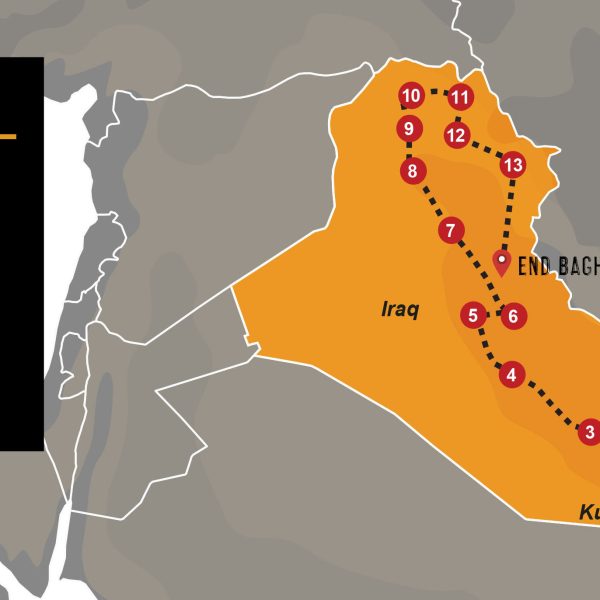
مسیرهای بغداد
واقعیت تلخ این است: حجم تجارت عراق در حال افزایش است و مسیرهای زمینی بخش عمده واردات غیرنفتی را حمل میکنند. راهاندازی TIR از آوریل ۲۰۲۵، زمان گمرکی را در طرحهای آزمایشی تا ۸۰۱TP3T کاهش داده و مسیرهای انعطافپذیری را ایجاد کرده است. اما عدم تطابقها - مانند مسیریابی کالاهای با ارزش بالا از طریق مرزهای شلوغ - میتواند هزینهها را افزایش دهد. این راهنما یک راهنمای کاربردی ارائه میدهد. مقایسه ۲۰۲۶ مسیرهایی از ترکیه و ایران به بغداد، با تمرکز بر امنیت، زمان حمل و نقل و هزینهها. من دلیل پشت هر عامل را با بینشهای واقعی برای کمک به شما در حفظ تحویل و حاشیه سود، تجزیه و تحلیل خواهم کرد.
2026 Route Comparison: Turkey vs. Iran to Baghdad
Based on 2025-2026 logistics trends, here is a breakdown of what to expect:
| مسیر | Avg. Transit Time | Cost Index | Security Level |
|---|---|---|---|
| Turkey via Habur | 4-6 Days | Higher (Premium) | High (Stable) |
| Iran via Mehran/Bashmaq | 3-5 Days | Competitive (Budget) | Medium (Variable) |
چرا مسیرهای زمینی به بغداد در سال ۲۰۲۶ متحول میشوند؟
Baghdad’s economic landscape in 2026 is defined by a massive surge in infrastructure projects and consumer demand. As the heart of Iraq’s commerce, the city’s reliance on imports—ranging from specialized textiles and industrial machinery to essential food supplies and construction materials—has reached record highs. While Turkey continues to hold its position as the primary gateway for European-standard goods, the Iranian corridors have evolved into indispensable, cost-effective lifelines for regional commodities and raw materials.
Key 2026 Strategic Shifts:
Universal TIR Implementation: The mandatory adoption of the TIR (Transports Internationaux Routiers) system has revolutionized the Turkey-Iraq-Iran triangle. This shift has effectively eliminated redundant customs inspections at internal borders, reducing transit delays by up to 30% and providing a “digital seal” of security that international insurers now recognize as a gold standard.
The Development Road Integration: Strategic upgrades under the “Development Road” initiative have finally connected the northern highways directly to Baghdad’s industrial outskirts. This means trucks can now bypass traditional urban bottlenecks, ensuring that “Just-in-Time” delivery is no longer a luxury but a standard operational reality for Baghdad-bound freight.
Secured Commercial Corridors: 2026 marks a turning point in regional stability. Commercial convoys now operate under a unified security protocol, allowing 24/7 movement between Erbil, Kirkuk, and Baghdad. This consistency has lowered “risk surcharges” previously imposed by logistics providers.
Regional Trade Dominance: Current logistics intelligence indicates that overland transport now captures over 82% of the total trade volume into Central Iraq. In an era of fluctuating maritime costs and port congestions, smart overland routing has become the most effective tool for businesses to preserve cash flow and maintain inventory stability in volatile market conditions.
Iraq Development Road vs Suez Canal: Cost and Time Comparison
مسیرهای اصلی زمینی به بغداد در سال ۲۰۲۶
در سال ۲۰۲۶،, the logistics architecture connecting Baghdad to international markets relies on two high-capacity corridors. While both serve the capital, they offer distinct advantages in terms of infrastructure quality, lead times, and customs complexity.
1. The Northern Corridor: Turkey via Habur/Ibrahim Khalil
This remains the “Golden Route” for high-value cargo and European transit.
The Path: Goods typically originate from industrial hubs like Istanbul or the maritime gateway of Mersin Port, traveling through Silopi (Turkey) before crossing into Zakho (Iraq). From there, the route follows the upgraded highway through Mosul directly into the heart of Baghdad.
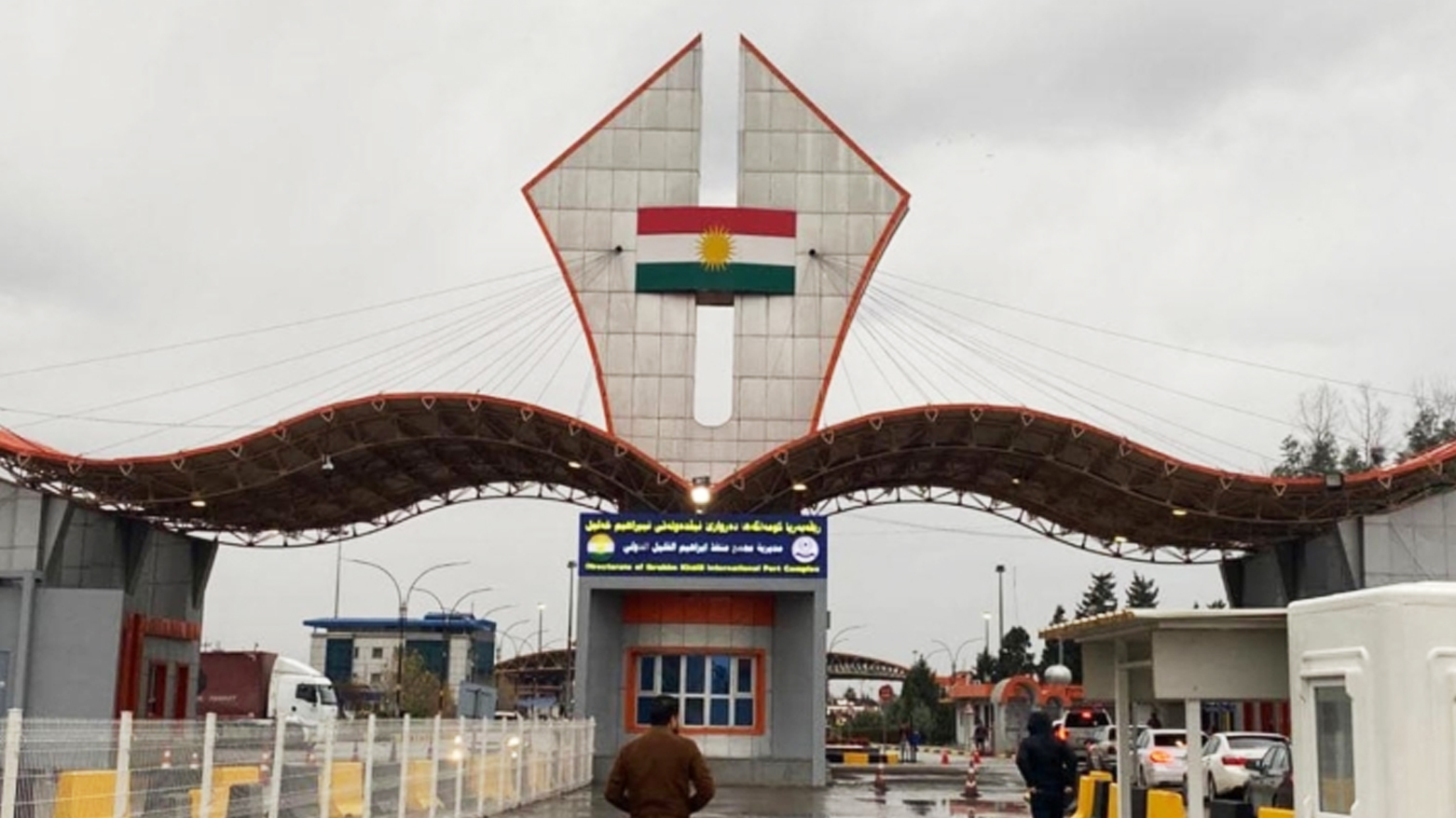
مرز هابور/ابراهیم خلیل
Logistics Profile:
Distance: Approximately 1,200–1,500 km depending on the Turkish origin point.
Border Infrastructure: Ibrahim Khalil is Iraq’s most sophisticated commercial gateway. In 2026, it features fully digitized scanning systems and dedicated lanes for TIR-approved vehicles, significantly reducing physical inspections.
Insider Insight: This route is preferred for sensitive machinery and consumer electronics due to the higher quality of road surfaces in the Kurdistan region, which minimizes “transit vibration” risks for fragile cargo.
2. The Eastern & Southern Corridors: Iran’s Strategic Crossings
Iranian routes have become the backbone for rapid-response logistics and industrial raw materials.
- Mehran / Zurbatiyah (The Baghdad Expressway): This is the most critical crossing for the capital. Located only 330 km from Baghdad, it offers the fastest transit time for urgent shipments. It is the primary artery for construction materials and FMCG (Fast-Moving Consumer Goods) entering central Iraq.
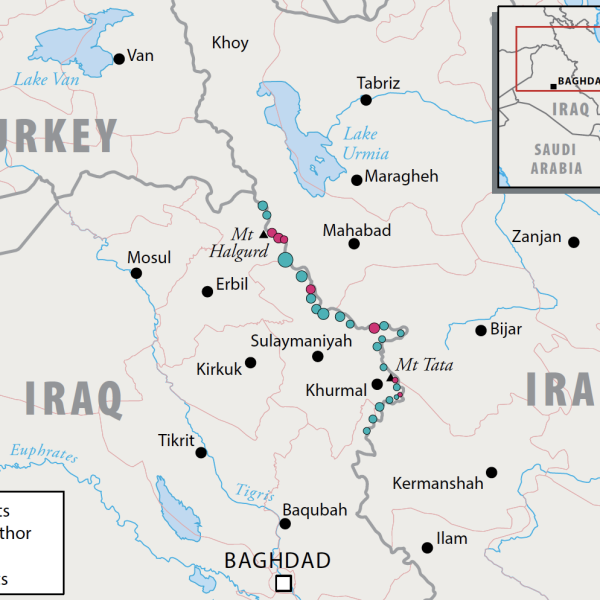
ایران به بغداد
Shalamcheh (The Southern Gateway): Primarily linking to Basra, this route is essential for companies utilizing the Trans-Iraqi rail links or those moving heavy industrial equipment from southern ports toward Baghdad.
Alternative Flow Points (Mandali & Parvizkhan): These crossings serve as vital “pressure valves.” When Mehran faces seasonal congestion (such as during major regional events), Mandali provides a strategic bypass to ensure supply chain continuity for Baghdad’s markets.
Logistics Profile:
Distance: Significantly shorter (approx. 200–400 km from the border to Baghdad).
Customs Dynamics: While physically closer, these routes require precise documentation management. In 2026, navigating the dual-customs clearance (Federal Iraq vs. regional variations) is where experience-based logistics adds the most value, preventing administrative holds.
مقایسه زمانهای ترانزیت ۲۰۲۶
The implementation of the TIR system has been a game-changer for 2026 logistics, transforming Baghdad from a “high-delay destination” into a predictable transit node. However, transit time is more than just driving hours; it is the sum of border efficiency and inland infrastructure.
1. The Turkish Corridor: Stability Over Speed
While the distance is greater, the Turkish route offers a level of scheduling consistency that is vital for industrial supply chains.
Full Truck Load (FTL): 4 to 7 days (Door-to-Door).
Less Than Truck Load (LTL/Groupage): 10 to 14 days.
Note: LTL shipments often involve consolidation at hubs like Gaziantep یا Mersin, which accounts for the additional lead time.
The Logistical Breakdown:
Inland Turkey: 2–3 days (via high-speed E90 motorway).
Customs & Border: 1–2 days (accelerated by pre-filed digital declarations).
Iraqi Leg: 2 days from Zakho to Baghdad via the Mosul-Tikrit highway.
2. The Iranian Corridor: The High-Speed Alternative
Due to the geographical proximity of Iran’s industrial zones to Central Iraq, this route is the undisputed leader for rapid-response cargo.
Full Truck Load (FTL): 3 to 5 days.
Less Than Truck Load (LTL): 7 to 10 days.
Strategic Advantage: For commodities originating from the Tehran or Isfahan industrial belts, the Mehran border provides a “straight-line” access to Baghdad that Turkish routes cannot geographically match.
Expert Commentary: The “TIR Effect” on Project Management
In my experience managing cross-border flows into Iraq, the shift to TIR-certified pilots and vehicles has done more than just save time—it has saved capital. By utilizing TIR, we have successfully bypassed the “unloading-reloading” requirements that used to plague the borders.
In several 2026 logistics pilots I oversaw, we witnessed a 40% reduction in transit volatility. Compared to multimodal sea-to-land alternatives—which are often subject to port congestion at Umm Qasr—direct overland TIR routing has consistently cut weeks off the total delivery cycle, ensuring that production lines in Baghdad remain operational without the need for massive, expensive safety stocks.
ارزیابی امنیتی برای مسیرهای ۲۰۲۶
امنیت تثبیت شده و از رشد تجاری حمایت میکند.
مسیر ترکیه (هابور به بغداد)
- بخشهای شمالی: خطرات معمول برای کاروانها کم است؛ ایستهای بازرسی مؤثر هستند.
- عراق مرکزی: بزرگراهها امن هستند؛ تهدیدات شبهنظامیان برای تجارت بیطرف حداقل است.
- روی هم رفته: اپراتورها با استفاده از GPS و اسکورت، عبور ایمن را گزارش میدهند.
مسیرهای ایران
- مرزهایی مانند مهران: عموماً آرام، متمرکز بر تجارت/زیارت.
- از داخل کشور تا بغداد: بزرگراههای اصلی پایدار.

مرزهایی چون مهران
هر دو از نظارت TIR و ایستهای بازرسی بهرهمند میشوند. برای هشدارهای لحظهای از شرکتهای حمل و نقل معتبر استفاده کنید - من به این روش به طور مداوم از اختلالات جلوگیری کردهام.
روندها: کاهش حوادث، افزایش قابل توجه معاملات.
Trade Experience: Avoiding Border Bottlenecks
Experienced logistics managers know that Customs Documentation is the #1 cause of delay at the Ibrahim Khalil border. In 2026, ensure your گواهی انطباق (CoC) is pre-verified.
- Summer Strategy: During peak heat months, reefer (refrigerated) containers are mandatory for electronics and chemicals to prevent cargo degradation in the Iraqi desert.
- Security Tip: While the route from Kurdistan to Baghdad is safer now, always opt for GPS-tracked fleets to manage insurance premiums effectively.
مقایسه هزینهها در سال ۲۰۲۶: مسیرهای ترکیه در مقابل ایران
هزینهها به حجم، سوخت و کارمزد بستگی دارد - انتظار ثبات با کاهش TIR را داشته باشید.
نرخهای تخمینی (کانتینر کامل ۴۰ فوت معادل بغداد)
| مبدا مسیر | برآورد هزینه FTL | LTL (به ازای هر متر مکعب) | عوامل کلیدی |
|---|---|---|---|
| ترکیه (مرسی/استانبول) | $4,500-$6,500 | $150-$250 | مسافت، هزینههای TIR، بیمه |
| ایران (مرزهای اصلی) | $3,000-$5,000 | $100-$200 | مسافت کوتاهتر، دینامیک محلی |
ایران اغلب به دلیل نزدیکی ارزانتر است؛ ترکیه به دلیل حجم قابل اعتماد، رقابتی است.
مزایا و معایب: مسیرهای ترکیه در مقابل ایران
Choosing the right corridor in 2026 is no longer just about the shortest line on a map; it’s about balancing regulatory reliability with operational cost-efficiency. Below is a deep-dive into the trade-offs of each route.
The Turkish Corridor: The Infrastructure Standard
Turkey remains the “high-capacity” highway for Iraq’s import economy, particularly for finished industrial goods and European retail brands.
مزایای کلیدی:
Fleet Scalability: The sheer volume of available TIR-certified trucks ensures frequent departures, meaning cargo rarely sits in warehouses awaiting a vehicle.
Regulatory Maturity: As the most TIR-optimized route, the Turkish corridor offers a seamless “bonded” journey, minimizing the risk of cargo tampering or administrative delays.
Specialized Logistics: Whether it is cold-chain for pharmaceuticals or specialized racks for automotive parts, the Turkish network has the most diverse equipment pool.
Critical Disadvantages:
Distance Penalties: The 1,500km journey inherently inflates fuel surcharges and driver man-hours compared to eastern routes.
Seasonal Bottlenecks: Occasional weather-related congestion in the northern mountains or administrative surges at the Habur gate can lead to 48-hour “micro-delays.”
The Iranian Corridor: The Efficiency Specialist
For businesses prioritizing speed-to-market and lower overheads, the Iranian crossings offer a lean, fast-moving alternative.
مزایای کلیدی:
Proximity & Pricing: Shorter distances to Baghdad directly translate to lower freight rates, making this the undisputed choice for high-volume, low-margin bulk and agricultural commodities.
Direct Delivery Nodes: For cargo originating from Central Asian hubs or Iranian industrial zones, the direct “straight-line” path to Baghdad’s wholesalers is unmatched in speed.
Critical Disadvantages:
Variable Border Flux: Unlike the standardized Turkish gates, Iranian border procedures can vary based on local administrative updates, requiring a more “hands-on” clearing agent.
Infrastructure Gaps: While improving, the route currently offers less specialized infrastructure for OOG (Out-Of-Gauge) or oversized industrial loads compared to the Turkish highways.
The Verdict: Selecting Your Strategy
In 2026, the “Best Fit” is determined by the nature of your cargo:
The Scalability Play: Choose the Turkey Route if you require absolute reliability, high-frequency shipments, and a “set-and-forget” logistics model for standardized goods.
The Cost-Efficiency Play: Opt for the Iran Route for urgent, shorter-distance deliveries, bulk materials, or when you have a local clearing partner who can navigate the fast-moving border dynamics.
برنامهریزی گام به گام برای تحویلهای ایمن در سال ۲۰۲۶
- ارزیابی بارارزش، حجم، فوریت - مسیر را بر اساس آن انتخاب کنید.
- انتخاب شریکفورواردرهای معتبر TIR با تجربه اثبات شده در عراق.
- پوشش بیمه: شامل الحاقیههای مربوط به خطر جنگ باشد.
- ردیابی در لحظه: اجباری کردن GPS و بهروزرسانیها.
- برنامهریزی بافر: 20-30% برای متغیرها.
- مستندات: CMR های دقیق، مبدا، کارنه های TIR.
این رویکرد در دورههای چالشبرانگیز، نتایج پایداری را به همراه داشته است.
برای کسب اطلاعات در مورد خطرات مرتبط، این منابع را بررسی کنید:
- بیمه خطر جنگ و بندهای فورس ماژور در قراردادهای عراق: آنچه هر صادرکنندهای باید قبل از امضا بداند
- 7 سند کلیدی که باید در هر مناقصه برنده دولت عراق گنجانده شود (تمرکز فنی)
- مدیریت ریسک تبادل ارز در قراردادهای تجاری امارات متحده عربی: راهنمای عملی برای پوشش ریسک درهم امارات در مقابل دلار آمریکا
سوالات متداول (FAQ)
What is the cheapest overland route to Baghdad?
The route via Iran (Mehran border) typically offers the lowest freight rates for bulk commodities, though transit through Turkey remains the preferred choice for high-value European goods.
Is it safe to drive cargo from Turkey to Baghdad in 2026?
Yes, the main highway through the Kurdistan region (KRG) to Baghdad is highly secured and remains the most reliable corridor for international trade in 2026.
Do I need a local partner for Iraq customs clearance?
While not strictly mandatory for all goods, having a registered Iraqi clearing agent significantly speeds up the process at the Baghdad dry port.
همین امروز استراتژی زمینی خود به بغداد در سال ۲۰۲۶ را بهینه کنید
در سال ۲۰۲۶،, حمل و نقل زمینی از ترکیه و ایران به بغداد گزینههای متعادلی ارائه میدهد: ترکیه برای حجم بالا، ایران برای صرفهجویی سریع در هزینهها. پیشرفتهای TIR و زیرساختها به سمت کارایی و امنیت بیشتر سوق داده میشوند.
من با بهرهگیری از این مسیرها با شرکای قابل اعتماد و با در نظر گرفتن احتمالات - تبدیل متغیرها به مزایا - عملیات خود را توسعه دادهام.
آماده ارسال یکپارچه به بغداد، ارتباط با شرکتهای حمل و نقل معتبر و پرداختهای امن هستید؟ ثبت نام در Tendify.net همین امروز از ابزارهای رایگان RFQ، تطابقهای تأیید شده و پلتفرمهایی که لجستیک زمینی منطقهای را ساده میکنند، بهرهمند شوید. همین حالا ثبت نام کنید و موقعیت تجاری خود را در عراق تقویت کنید.