وبلاگ
GCC Ports 2026: Master Customs Valuation and Dodge Crushing Penalties
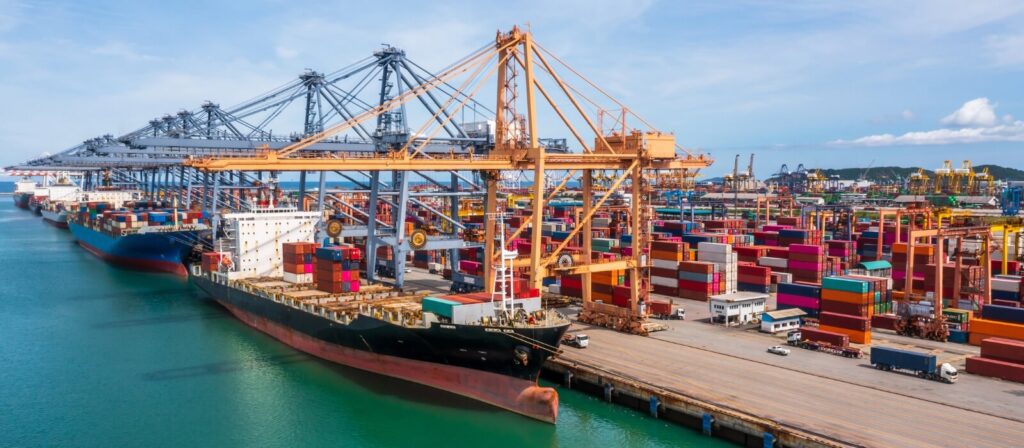
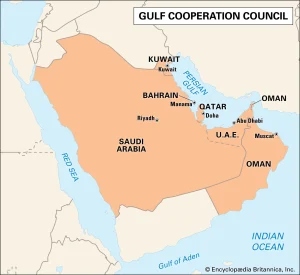
GCC Ports 2026
In 2026, with GCC trade volumes exploding—imports hit over $600 billion annually across the region—and authorities cracking down harder on revenue leaks, under-invoicing isn’t a “smart shortcut” anymore. It’s a fast track to blacklisting and lost contracts. I’ve seen solid deals collapse because a supplier shaved 20% off the invoice to “help” the buyer save on duties. The buyer ended up paying triple in penalties.
This no-nonsense guide breaks down GCC customs valuation rules, why under-invoicing triggers brutal inspections, and—most importantly—actionable steps to value goods correctly every time. Follow this, and you’ll clear ports faster, build trust with buyers, and protect your margins.
Why Customs Valuation Matters More Than Ever in GCC Trade
Customs valuation determines the dutiable value of your imports—the base for calculating duties (usually 5% CIF in GCC), VAT (5-15% depending on the country), and any excise taxes. Get it low on purpose? That’s under-invoicing: declaring a value below the actual transaction price to dodge duties.
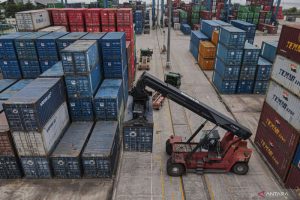
Master Customs Valuation and Dodge Crushing Penalties
GCC authorities treat this as fraud because it starves government revenue needed for infrastructure megaprojects. With digital systems like Bayan in UAE and FASAH in Saudi Arabia cross-checking data in real-time, red flags pop instantly.
Hard numbers that wake you up:
- UAE alone collected over AED 20 billion in customs duties in recent years, with undervaluation cases rising 15-20% annually as per trade reports.
- In Saudi Arabia, ZATCA (customs authority) reported thousands of valuation disputes yearly, many leading to penalties exceeding SAR 100,000 per shipment.
- Across GCC, non-compliance can trigger audits uncovering years of issues—I’ve seen back-duty demands hit seven figures.
The “why” is simple: Accurate valuation ensures fair competition. Cheap under-valued imports undercut legitimate suppliers bidding on Vision 2030-style projects.
The Foundation: WTO Valuation Rules That GCC Follows Strictly
All GCC countries—UAE, Saudi Arabia, Qatar, Kuwait, Bahrain, Oman—implement the WTO Agreement on Customs Valuation (Article VII of GATT). This isn’t optional; it’s binding for fair global trade.

WTO Valuation Rules
Core principle: Value must reflect commercial reality, not arbitrary figures.
The hierarchy of six methods is sequential—you must try Method 1 first, only moving down if it fails.
| روش | Name | When It Applies | Key Notes for GCC Importers/Exporters |
|---|---|---|---|
| 1 | Transaction Value | Price actually paid or payable | Primary—used in 90%+ of cases |
| 2 | Identical Goods | Same goods sold at same time/level | Adjusted for differences |
| 3 | Similar Goods | Comparable goods | Strict similarity required |
| 4 | Deductive Value | Resale price in importing country | Subtract profits/expenses |
| 5 | Computed Value | Production cost + profit | Needs manufacturer cooperation |
| 6 | Fall-Back | Reasonable means consistent with WTO | Last resort, documented justification |
Mastering Method 1: Transaction Value in GCC Ports
This is your go-to: The transaction value is the invoice price paid or payable for goods exported to the GCC, adjusted for certain additions (if not already included).
What to add (mandatory under Article 8 WTO):
- Commissions and brokerage (except buying commissions)
- Cost of containers/packing
- Assists (tools, materials supplied free by buyer)
- Royalties/license fees buyer must pay
- Proceeds of resale accruing to seller
- Transport costs to the port of importation (CIF basis common in GCC)
What NOT to add:
- Post-importation costs (inland transport, installation)
- Duties/taxes in importing country
- Interest on financing (if separately identified)
Pro tip: Use CIF terms for GCC shipments—customs calculates on CIF value anyway.
Case in point: Shipping ceramic tiles? If you provide free molds (an “assist”), add their value prorated. Skip it, and customs rejects transaction value, forcing higher fallback methods.
Red Flags That Trigger GCC Port Inspections and Valuation Challenges
Customs doesn’t guess—they use risk engines. Common triggers for rejecting your declared value:
- Invoice price way below database references (they have global price databases)
- Related-party deals without proof of arm’s-length pricing
- Sudden drops in unit prices from previous shipments
- High-risk goods (electronics, textiles, auto parts)
- Inconsistencies between invoice, packing list, B/L, and insurance

GCC Port Inspections
In UAE’s Dubai Customs or Saudi’s Dammam port, a flag means physical inspection + valuation reassessment. Delays? 5-30 days easy.
I’ve had shipments held because a “friendly discount” looked like under-invoicing. Lesson: Document everything.
How GCC Customs Rejects and Revalues
If doubts arise:
- They notify you—provide evidence within days.
- No proof? Reject transaction value.
- Move to Methods 2-6, often resulting in higher dutiable value.
- You pay under protest or appeal.

GCC Customs Rejects
Appeals go to valuation committees in each country—fast in UAE, but still costly.
The Pain of Under-Invoicing Penalties in GCC Countries
Penalties aren’t slaps on the wrist—they scale with culpability.
General GCC framework (varies slightly by country):
- Negligence: Fine 25-50% of evaded duty
- Gross negligence: 100-200% of evaded duty
- Fraud (intentional under-invoicing): Up to 300% + confiscation + criminal charges
Specifics:
- امارات متحده عربی: Federal Customs Authority—fines start at AED 50,000, up to 200% of duty shortfall. Repeat offenders blacklisted.
- عربستان سعودی: ZATCA—penalties 50-300% + possible imprisonment for fraud.
- Other GCC: Similar, aligned under Common Customs Law.
Plus: Storage/demurrage, lost sales, damaged reputation.
One client under-invoiced machinery parts to “save” $15,000 in duty. Caught—paid $120,000 penalty. Not worth it.
For more on how misinvoicing ties into broader risks, check our guide on Trade-Based Money Laundering: Over-Invoicing and Under-Invoicing Secrets That Could Cost You Millions.
Step-by-Step: How to Declare Accurate Customs Value and Avoid Issues
Do this right, every shipment:
- Base on real transaction: Use arm’s-length pricing. Related parties? Get transfer pricing study.
- Include all additions: Calculate CIF accurately—freight + insurance.
- همه چیز را مستند کنید:
- Commercial invoice (detailed, no round numbers)
- Contract/purchase order
- Payment proofs (bank transfers)
- Valuation declaration form (required in many GCC ports)
- Use valuation databases: Check Dubai Trade or ZATCA portals for reference prices.
- Pre-clear if unsure: Many ports offer advance ruling services—binding valuation opinion.
- Work with pros: Freight forwarders or customs brokers familiar with GCC.
For high-volume trade, implement a compliance checklist—saves headaches.
Sample Valuation Calculation for a $100,000 Shipment
| مورد | Amount (USD) | یادداشتها |
|---|---|---|
| Invoice Price (FOB) | 100,000 | Base |
| Freight to Port | 8,000 | اضافه کردن |
| بیمه | 1,500 | اضافه کردن |
| Assists (tools) | 5,000 | Prorated add |
| CIF/Customs Value | 114,500 | Duty/VAT base |
| Duty @5% | 5,725 | |
| VAT @5% (e.g., UAE) | 5,725 | On value + duty |
Common Valuation Pitfalls and How to Dodge Them
- Discounts: Genuine volume discounts ok if documented pre-sale.
- Free goods: Allocate value proportionally.
- Temporary imports: Use correct regime to avoid full valuation.
- Related parties: Prove price matches open market (OECD guidelines help).
- Rejects from Method 1: Always have backup data for Methods 2/3.
Tie this to compliance best practices in our post on Understanding FATF Regulations: Practical Guide for MENA Businesses in 2026.
Building a Bulletproof Customs Valuation Process for 2026 and Beyond
- Train your team annually.
- Audit past shipments—fix errors voluntarily (many countries reduce penalties for self-disclosure).
- Use software for automated calculations.
- Partner with vetted GCC importers who understand local nuances.
Do this, and valuation becomes a strength—not a liability.
Accurate customs valuation isn’t bureaucracy—it’s smart business that keeps cash flowing and doors open in the GCC’s booming markets.
Ready to ship without the fear of penalties holding you back? همین حالا به Tendify.net بپیوندید—connect directly with verified GCC buyers who value compliant, reliable suppliers. Sign up free and turn compliance into competitive edge today.