وبلاگ
Rebuilding Iran After the 2026 Conflict: The Global Investment Playbook for Energy, Logistics, Digital Trade, and High-Margin Reconstruction

In my two decades moving capital across emerging markets, I’ve seen cycles of conflict, sanctions, and sudden openings. The 2026 Iran war — brief but intense — has left the country’s infrastructure scarred, its economy contracted by an estimated 10%, and its people eager for stability. Yet history shows that the months immediately following such shocks often create the largest asymmetric opportunities for sophisticated capital.
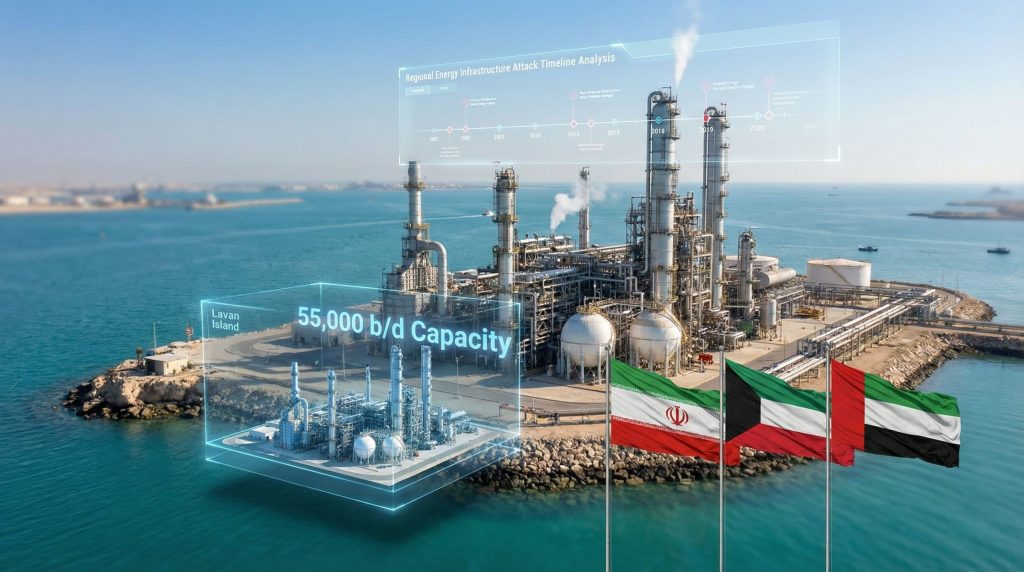
Rebuilding Iran After the 2026 Conflict
Oil prices spiked, supply chains rerouted, and global attention shifted, but the underlying assets — vast hydrocarbon reserves, strategic geography, a young tech-savvy population, and untapped mineral wealth — remain intact.
What we are witnessing now is not the end of Iran’s economic story; it is the beginning of its reconstruction chapter. With diplomatic channels reopening, partial sanctions relief already under discussion, and regional partners (GCC states, India, Russia, China) positioning for influence, foreign direct investment (FDI) inflows are poised to accelerate.
Conservative estimates suggest that full or even phased reintegration could lift Iran’s real GDP by 80%+ in the medium term, with even larger multipliers when paired with technology transfer and productivity gains. For global investors who move early, the risk-adjusted returns in energy, logistics, digital infrastructure, and downstream manufacturing could rival — or exceed — those seen in post-1990s China or post-2003 Iraq.
1. Macro Context: Why 2026–2028 Will Be Iran’s “Reconstruction Decade”
The 2026 conflict caused immediate damage — port facilities hit, rail links disrupted, power infrastructure degraded — but also created political space for pragmatic engagement. Negotiations resumed in February 2026; early signals include hints of contractor access for Western energy firms in exchange for sanctions relief. Even limited easing (targeted oil exports, technology imports) would unlock hundreds of billions in pent-up demand.
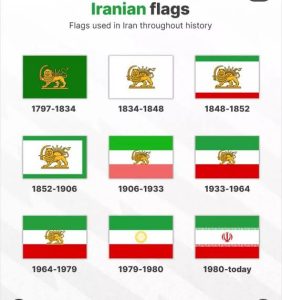
Iranian Flag
Key drivers for FDI:
- Energy price normalization: Post-conflict stabilization will restore Iranian output, but global markets will still need new investment in upstream recovery and downstream value-add to meet 2030 demand.
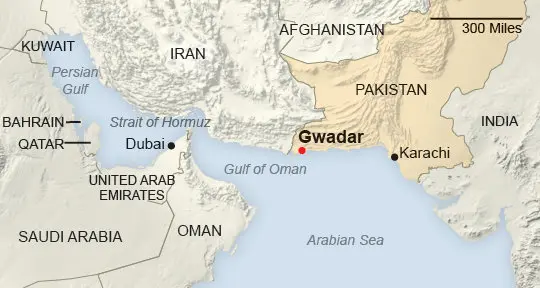
- Geographic arbitrage: Iran offers the shortest land route between the Indian Ocean and Central Asia/Europe via Chabahar and the INSTC. Post-war rail upgrades turn this from potential into reality.
- Demographic dividend: 60% of the population under 30, high literacy, and a proven track record in STEM fields.
- Policy shift: The government has signaled priority for private-sector and foreign participation in the Seventh Development Plan, with tax incentives, free-zone expansions, and streamlined licensing.
“The war accelerated the need for reconstruction; smart capital will accelerate the returns.”
2. Best Industries for Global Investment: Prioritized by Return Potential and Capital Scale
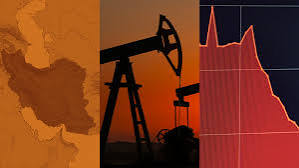
Best Industries for Global Investment
Energy & Petrochemicals – The Anchor Sector ($150–250B Opportunity 2026–2035)
Iran holds 17% of global gas reserves and 9% of oil. War damage to upstream facilities and export terminals creates immediate reconstruction demand. Enhanced oil recovery (EOR) technologies, gas processing, LNG liquefaction, and petrochemical downstream (polymers, fertilizers, specialty chemicals) offer the highest margins.
Expected IRR: 18–25% for midstream and downstream projects with 7–10 year payback.
Mining & Strategic Minerals – The “New Lithium Belt” ($40–70B Pipeline)
Iran ranks among the top 10 globally in copper, iron ore, zinc, lead, and chromite, with significant rare-earth and lithium potential. Chinese and Indian firms are already scouting; Western capital can differentiate with advanced processing tech and ESG-compliant operations.
Agriculture, Food Processing & Agro-Industry – Recession-Proof Demand ($30–50B)
Iran imports 30–40% of its grain and has vast arable land plus water-management tech potential. High-margin niches include pistachio and saffron value-add and greenhouse tech for high-value horticulture.
Pharmaceuticals & Medical Devices – Knowledge-Intensive Growth ($15–25B)
Iran already produces 95% of domestic generics. Post-war reconstruction of hospitals and pharma supply chains, plus export potential to Central Asia and Africa, creates demand for foreign tech transfer.
Tourism & Hospitality – Underserved High-Growth ($20–40B)
Cultural heritage sites, Caspian and Persian Gulf coastlines, and medical tourism are ready for redevelopment. Free zones offer 15-year tax exemptions for hotel and resort projects.
3. Transportation & Logistics: Iran as the New Eurasian Gateway ($60–100B Infrastructure Play)
Chabahar Port – The Crown Jewel
Capacity expansion from 100,000 TEU to 500,000+ TEU underway, with full rail connection to Zahedan expected mid-2026. Direct access to INSTC, bypassing Pakistan and linking India, Russia, Central Asia, and Europe.
Rail & Multimodal Corridors
Completion of Astara–Rasht (INSTC missing link), Shalamcheh–Basra (Iraq link), and full Chabahar–Zahedan electrification. These projects create a seamless rail-sea corridor reducing transit times from India to Russia by 40% versus Suez.
Logistics operators who combine port concessions with rail rights and digital visibility platforms will capture margin across the entire value chain.
4. Digital Economy: From Survival to Scale ($25–40B in Tech-Enabled Trade & Services)
Despite sanctions and temporary war-related internet disruptions, Iran’s digital sector proved resilient. Domestic e-commerce reached $44 billion pre-war with 73% YoY growth.
Post-war catalysts include reconnection to global payment rails, demand for AI-driven logistics platforms, digital supply-chain finance, and B2B marketplaces linking Iranian manufacturers to GCC and Eurasian buyers.
Key sub-sectors: E-commerce & marketplaces, Fintech & trade finance, ICT infrastructure, Edtech & healthtech.
5. Risk Management and Execution Framework for Foreign Investors
- Use free zones (Chabahar, Anzali, Kish) for 100% ownership and tax holidays.
- Layer smart escrow for performance protection.
- Real-time HS code verification, duty calculators, and export documentation checklists are non-negotiable.
- Hedge currency via trade-based settlement or commodity-backed structures.
6. How Tendify.net Removes the Friction That Kills Most Iran Plays
Platform.Tendify.Net – Your Global Trade Operating System
In 25+ years of deal-making I have never seen a platform that compresses the documentation, cost-modeling, and compliance layers of Iran-GCC-Central Asia trade the way Platform.Tendify.Net does.
It is purpose-built for exactly this moment — when capital wants to move but traditional banking rails are still slow or expensive.
Inside the Command Center you will find:
- Export Documentation Checklist Generator and Proforma/Contract Builders
- HS Code Finder, Duty Calculators, and Trade Cost Analyzer
- 3D Container Optimizer and Incoterms Advisor
- Smart Escrow functionality for performance-based trade flows
- AI Market Pulse and compliance tools
These tools treat logistics and embedded finance as one integrated process. Whether you are a mining investor shipping concentrate through Chabahar, a petrochemical player optimizing flexible invoicing, or a digital platform scaling B2B marketplaces, the calculators and document engines let you stress-test deals before committing capital.
Final Word: The Window Is Open — But Not for Long
Post-conflict Iran is not a charity case; it is a high-conviction reconstruction play with embedded optionality on energy security, Eurasian connectivity, and digital leapfrogging. The first movers who combine sector expertise, local partnerships, and modern infrastructure tools will capture outsized returns while de-risking the region for everyone else.
We at Tendify have built tools that simplify the most complex equations of physical logistics, regulatory compliance, and embedded financial settlement. Our calculators, document engines, and performance-based infrastructure turn theoretical opportunity into executable deals.
If you are actively evaluating capital deployment in Iran’s reconstruction — whether in energy, logistics corridors, digital trade platforms, or downstream manufacturing — the full suite of computational, documentation, and smart-escrow tools is ready inside your user dashboard at Platform.Tendify.Net.
Register today, run your first Iran-GCC landed-cost scenario, and see why experienced operators are already routing their next wave of investment through this operating system. The war is ending. The real work — and the real returns — begin now.
Further Reading on Tendify.net
- Cross-Border Logistics for B2B Trade in the Gulf Region: The Complete Strategic Guide
- Navigating GCC Customs Clearance for B2B Imports: Your Complete Strategic Handbook
- Regional Logistics Integration and Trade Opportunities Across the GCC
- The Future of E-Commerce Logistics in the GCC