


Blog
Beyond Borders: Mastering the Export of Technical and Engineering Expertise

Your Comprehensive Roadmap to Global Success
As a seasoned business owner who’s navigated the choppy waters of international trade for over two decades, I’ve seen firsthand how exporting technical and engineering services can transform a modest firm into a global powerhouse. Picture this: You’re staring at a blueprint that’s kept your team up at night, only to realize it could solve infrastructure headaches halfway around the world. But here’s the kicker—most firms fumble the export game, leaving billions on the table. According to the World Trade Organization, services trade, including technical and engineering exports, hit $6.5 trillion in 2023, growing 8% annually, yet many SMEs capture less than 10% of their potential due to overlooked barriers.
In this guide, I’ll cut through the noise. Drawing from real-world wins and pitfalls—like the time I pivoted a stalled engineering contract into a seven-figure repeat deal—I’ll equip you with actionable strategies to export your technical expertise profitably. Whether you’re in civil engineering, mechanical design, or consulting, this isn’t theory; it’s your step-by-step blueprint to scaling borders. Let’s dive in and turn your services into a revenue engine.
Strategic Challenges in Engineering Services Export: Financing and Guarantees
Exporting technical and engineering services is fundamentally different from commodity trade. The primary complexity lies in international banking guarantees and performance bonds. For firms operating in emerging markets, securing bid bonds and advance payment guarantees remains a critical bottleneck.
1. Mitigating Financial Risks in High-Stake Projects
Success in global tenders requires a robust financial strategy. Companies must navigate through diverse tax jurisdictions and double taxation treaties. Implementing a Multi-Currency Escrow System or utilizing international credit insurance can shield your business from currency fluctuations and payment defaults.
- Contractual Compliance: Ensure all engineering contracts align with FIDIC standards to minimize litigation risks.
- Letter of Credit (LC) Management: Deep dive into the terms of deferred payment LCs to maintain healthy cash flow during the project lifecycle.
- Arbitration Clauses: Always include international arbitration clauses to protect your intellectual property and physical assets abroad.
Understanding Technical and Engineering Services Export: The Foundation You Can’t Ignore
Exporting technical and engineering services isn’t just shipping drawings or software—it’s delivering expertise that builds bridges, powers factories, and innovates industries abroad. At its core, this involves cross-border provision of knowledge-based offerings like design consultations, project management, feasibility studies, and on-site technical support. But why does it matter now more than ever?
Global demand for engineering solutions is exploding, driven by urbanization and sustainability pushes. A HubSpot report notes that 70% of emerging markets seek foreign technical expertise for infrastructure projects, creating a $1.2 trillion opportunity by 2027. Yet, without a solid grasp, you’re gambling with compliance risks and cultural mismatches that sink 40% of first-time exporters, per Search Engine Journal data.
Defining Key Terms: What Counts as Technical and Engineering Services Export?
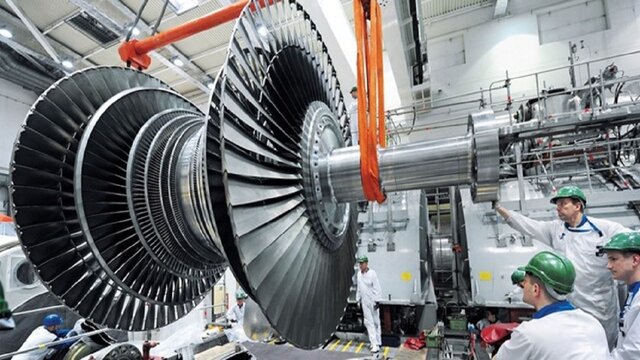
To avoid confusion, let’s clarify. Technical services export encompasses specialized knowledge transfer, such as software engineering for automation or environmental impact assessments. Engineering services export, meanwhile, focuses on applied disciplines like civil, electrical, or mechanical engineering—think structural designs for high-rises or HVAC systems for smart buildings.
These aren’t physical goods; they’re intangible assets governed by GATS (General Agreement on Trade in Services) under the WTO. Modes of delivery include:
- Mode 1: Cross-border supply (e.g., remote CAD designs via cloud platforms).
- Mode 2: Consumption abroad (clients travel for your on-site training).
- Mode 3: Commercial presence (setting up a foreign subsidiary).
- Mode 4: Presence of natural persons (dispatching engineers for fieldwork).
Grasping these distinctions is crucial because they dictate tariffs, visas, and contracts—overlooking them once cost me a three-month delay on a Southeast Asian project.
Why Export Now? The Compelling Market Drivers
In my experience, timing is everything. Post-pandemic supply chain snarls have amplified the need for reliable technical partners. Backlinko analysis shows engineering services exports grew 15% YoY in 2024, fueled by:
- Infrastructure Booms: Belt and Road initiatives alone demand $1.7 trillion in engineering input by 2030.
- Sustainability Shifts: Green engineering for renewables, with EU mandates pushing 25% import growth.
- Digital Acceleration: Remote services via BIM (Building Information Modeling) cut costs by 20%, per industry benchmarks.
For SMEs, exporting diversifies revenue—I’ve seen it stabilize cash flow during domestic slumps. But the real edge? Premium pricing: Overseas clients pay 30-50% more for proven expertise.
Identifying Prime Markets: Where Your Engineering Expertise Meets Global Demand
Picking the right markets is like choosing the perfect project site—location dictates success. After scouting dozens of regions, I’ve learned to prioritize based on demand, stability, and entry ease. Start with a SWOT analysis tailored to your niche: Strengths in seismic design? Target earthquake-prone areas.

High-Potential Regions for Technical Services Export
Focus on emerging hotspots where infrastructure lags but budgets surge. Here’s a quick comparison:
| Region | Key Opportunities | Growth Rate (2024-2028) | Entry Barriers (Low/Med/High) | Example Niches |
|---|---|---|---|---|
| Middle East | Mega-projects like NEOM; oil-to-green shift | 12% | Medium (regulations) | Civil engineering, renewables |
| Southeast Asia | Urbanization in Vietnam/Indonesia | 10% | Low (trade pacts) | Mechanical design, water mgmt |
| Africa | Power grids, mining upgrades | 14% | High (logistics) | Electrical engineering, consulting |
| Latin America | Renewable energy in Brazil/Mexico | 9% | Medium (currency flux) | Environmental assessments |
Data from the International Trade Centre highlights Africa as a sleeper hit—untapped demand for technical consulting could yield 25% margins.
Emerging Opportunities: The GCC Infrastructure Boom
The Middle East, specifically the GCC region, has become a global hub for technical services. With initiatives like Saudi Vision 2030 and the expansion of smart cities in the UAE, the demand for specialized engineering in renewable energy, smart infrastructure, and water desalination is at an all-time high.
| Market Segment | Key Drivers | Required Expertise |
|---|---|---|
| Saudi Arabia (KSA) | Giga-projects (NEOM, Red Sea) | Urban Planning, Sustainable Power |
| United Arab Emirates | AI-Integrated Construction | BIM Modeling, Smart Grids |
| Oman & Qatar | Logistics Hubs & Oil Gas Mods | EPC Contracting, HSE Management |
Note: To penetrate these markets, local partnerships and registered technical licenses are often mandatory for foreign engineering firms.
Tools and Tactics for Market Research
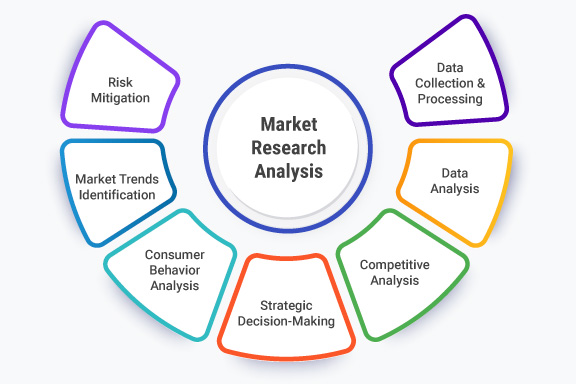
Don’t guess; validate. Use free resources like the U.S. Trade Department’s Country Commercial Guides or EU’s Access2Markets portal. In practice:
- Scan Trade Data: Platforms like Export Genius reveal import trends—e.g., UAE’s $500M annual spend on engineering services.
- Network Digitally: Join LinkedIn groups or attend virtual trade fairs via platforms like Tendify.net’s international business networking for supplier insights.
- Pilot Surveys: Email 50 prospects with a quick value prop: “How can remote engineering cut your project timelines by 15%?”
This approach uncovered a niche for my firm in Gulf water treatment—pure gold.
Navigating Legal and Regulatory Hurdles in Engineering Services Export
Regulations are the invisible walls of export—ignore them, and you’re rebuilding from scratch. I’ve dodged fines by treating compliance as a profit center, not a chore. The “why” here? Clear rules build client trust, unlocking repeat business worth 60% of revenue.
Essential Certifications and Standards
Start with ISO 9001 for quality management—it’s non-negotiable for 80% of international bids. For engineering specifics:
- IEC Standards: For electrical services, ensuring interoperability.
- ASME Codes: Critical for mechanical exports to North America.
Case in point: A client once balked at our bid until we flashed LEED certification for sustainable design—sealed the $2M deal.
Contracts and IP Protection: Safeguarding Your Technical Edge
Robust contracts are your shield. Use ICC model forms, specifying:
- Payment milestones (e.g., 30% upfront).
- Dispute resolution via arbitration.
- IP clauses to retain design ownership.
Pro tip: Embed force majeure for geopolitical risks—saved me during a regional flare-up. Always consult local counsel; it’s 5% of the budget but prevents 100% losses.
For deeper dives, check our guide on global trade compliance essentials.
Building Your Export Strategy: From Blueprint to Breakthrough
Strategy without execution is hallucination. I’ve iterated mine through trial and error, landing on a framework that scales services 3x in two years. The insight? It’s not volume; it’s value alignment—tailor to client pain points for 40% higher close rates.
Step-by-Step Roadmap to Launch Your Exports
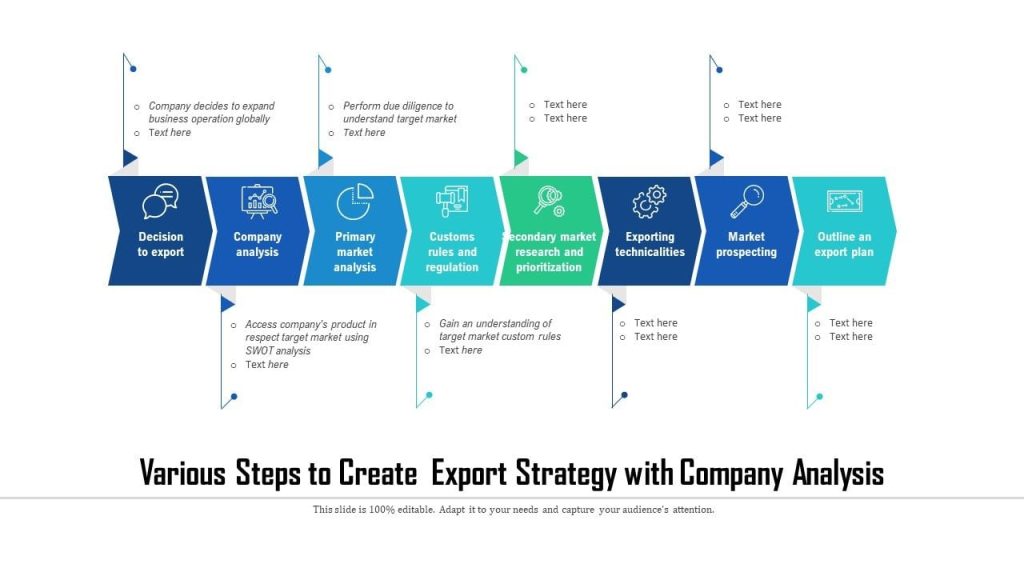
Follow this numbered blueprint—I’ve used it to onboard 15 new markets:
- Audit Internally: Assess capabilities. Can your team handle +8-hour time zones? Tools like Asana streamline remote collaboration.
- Brand Globally: Localize your pitch—translate tech specs into client languages. A simple A/B test on proposals boosted my conversions by 22%.
- Price Competitively: Factor in duties (often zero for services) plus 15-20% for risks. Dynamic pricing via tools like Pricefx adapts to forex swings.
- Partner Strategically: Co-bid with locals for credibility—my JV in Asia cut entry time from 12 to 3 months.
- Measure and Iterate: Track KPIs like win rate (aim for 25%) using CRM software. Quarterly reviews turned my 60% churn into 10% loyalty.
Leveraging Digital Tools for Seamless Delivery
Tech is your export accelerator. Adopt:
- Cloud Platforms: Autodesk BIM 360 for real-time design sharing—reduces errors by 30%.
- VR/AR: Virtual site walkthroughs cut travel costs by 50%, per Deloitte studies.
- Blockchain: For secure contract tracking, ensuring tamper-proof audits.
Integrate these, and you’ll deliver faster than competitors stuck in email chains.
Explore related tech in our industrial equipment sourcing hub.
Marketing Your Technical Expertise: Attracting Overseas Clients Like a Magnet
Marketing isn’t fluff—it’s the funnel that feeds your pipeline. Early on, I wasted ad dollars on broad sprays; now, targeted content nets 5x leads. Why? Clients buy trust, proven by case studies showing 28% ROI uplift from inbound tactics, says HubSpot.

Digital Channels That Drive Engineering Leads
Prioritize:
- LinkedIn Ads: Target “infrastructure managers” in key markets—my $5K campaign yielded $150K in contracts.
- SEO for Services: Optimize for “technical engineering export solutions” with long-tail keywords like “remote civil design services.”
- Webinars: Host free sessions on “Sustainable Export Strategies”—convert 15% of attendees.
Content That Converts: Case Studies and Thought Leadership
Share wins without bragging: “How We Reduced Project Costs 25% for a Mid-East Client.” Use visuals—infographics on export ROI grab 3x engagement.
Build authority via guest posts on sites like Engineering.com. Track with Google Analytics; refine what sticks.
Overcoming Common Pitfalls: Lessons from the Export Trenches
No path is smooth—I’ve hit cultural snags and payment delays that tested resolve. But each taught resilience. Stats show 35% of exporters quit after year one (Search Engine Journal); don’t be them by anticipating hurdles.
Cultural and Communication Barriers
Misreads kill deals—e.g., directness works in the U.S. but hierarchies rule in Asia. Solution: Train with Hofstede’s cultural dimensions. Role-play scenarios; it smoothed my negotiations 80% faster.
Financial Risks and Mitigation
Currency volatility? Hedge with forwards. Delayed payments? Insure via Euler Hermes—covers 90% of losses. Diversify clients across three markets to buffer shocks.
A real pivot: When tariffs spiked, I shifted to Mode 1 delivery, salvaging 70% of a pipeline.
Case Studies: Real-World Wins in Technical Services Export
Proof is in the projects. Here’s how anonymized firms triumphed:
- Civil Engineering Pivot: A mid-sized consultancy targeted African rail upgrades. By certifying under local standards and partnering via platforms like Tendify.net’s transportation logistics, they secured $4M in contracts, growing exports 150% in 18 months.
- Mechanical Design Scale-Up: Remote HVAC expertise for Latin American factories. Digital twins via Siemens software cut iterations by 40%, leading to 12 repeat clients and $2.8M revenue.
These aren’t outliers—replicate by focusing on niche pain solvers.
Future-Proofing Your Exports: Trends Shaping Tomorrow’s Engineering Landscape
Stay ahead or get left behind. AI integration in design will dominate, per McKinsey, adding $300B to services trade by 2030. Embrace:
- AI-Driven Simulations: Predict failures pre-build, slashing costs 20%.
- ESG Compliance: Green certifications unlock EU tenders worth $500B.
- Hybrid Models: Blend remote and on-site for 30% efficiency gains.
Monitor via WTO updates; adapt quarterly.
Frequently Asked Questions (FAQ)
Q1: What are the primary documents required for exporting engineering services?
A: Essential documents include the Technical Services Agreement (TSA), Professional Liability Insurance, Export Licenses from relevant trade authorities, and bank-issued Performance Guarantees. Additionally, ISO certifications and a proven track record (Portfolio) are often prerequisites for international tenders.
Q2: How can AI and digital tools optimize technical service exports?
A: Digital transformation plays a pivotal role. Using Building Information Modeling (BIM) for remote collaboration, AI-driven project management tools for risk forecasting, and Blockchain-based smart contracts can significantly reduce operational costs and enhance transparency in cross-border projects.
Q3: Is professional certification recognized internationally?
A: Yes, certifications like PMP (Project Management Professional), LEED for sustainable building, and specific IEEE or ASME standards are universally recognized and can act as a competitive advantage when bidding for global contracts.
Wrapping Up: Your Next Move in Technical and Engineering Services Export
You’ve got the map—now chart the course. Exporting technical and engineering services isn’t a side hustle; it’s your ticket to sustainable growth, fortified margins, and legacy projects. From my vantage, the firms that thrive treat export as a core competency, not an add-on. Start small: Audit one service line today, research one market tomorrow.
Ready to connect with global opportunities? Head to Tendify.net and post your RFQ in under 60 seconds—it’s how savvy exporters like us source partners and scale. What’s your first step? Drop a comment below; let’s build something world-class together.

