


Blog
The Fatal Flaws: 7 Contract Red Flags That Could Bankrupt Your Business

Spot Them Before and After to Protect Your Business Deals
As a seasoned business owner who’s navigated more deals than I care to count—some smooth as silk, others unraveling like a cheap suit—I’ve learned one hard truth: a contract isn’t just paper; it’s the backbone of your partnerships. In the fast-paced world of wholesale trade, where sourcing products from global suppliers can make or break your margins, ignoring red flags during contract signing can cost you thousands, if not your entire operation. Whether you’re a buyer posting RFQs for industrial machinery or a supplier listing raw materials, these warning signs aren’t just annoyances—they’re alarms signaling potential disputes, delays, or outright scams.
Quick Checklist: Pre-Signing Red Flags
Before you put pen to paper, ensure you have cross-referenced the document against these critical warning signs:
- Vague Obligations: Avoid terms like “reasonable efforts” or “standard quality” without defined metrics.
- Unilateral Termination: Watch out for clauses that allow one party to cancel without cause while locking you in.
- Hidden Fees: Look for “administrative charges” or “processing costs” not mentioned in the initial quote.
- Governing Law: Ensure the legal jurisdiction isn’t in a location that makes litigation impossible for you.
- Automatic Renewals: Check for “evergreen clauses” that renew the contract without prior notice.
Picture this: You’re closing a deal on a bulk shipment of construction materials, everything looks solid on paper, but six weeks later, quality issues flood your warehouse, and the supplier ghosts you. Sound familiar? According to a HubSpot study, 23% of businesses report contract disputes as a top revenue leak, often stemming from overlooked red flags. That’s why this guide exists: to arm you with the insight to spot these pitfalls before inking the deal and monitor them after, turning risky agreements into rock-solid alliances. By the end, you’ll walk away with actionable steps to safeguard your wholesale ventures—because in business, prevention isn’t optional; it’s profitable.
Let’s dive in. I’ll break it down step by step, drawing from real-world scrapes I’ve endured, so you can implement these strategies today.
Understanding Red Flags: Why They Matter in Wholesale Contracts
Before we dissect the specifics, let’s get clear on what a red flag really is. In the context of contract signing, a red flag is any indicator that the agreement—or the parties involved—might lead to imbalance, non-compliance, or outright failure. They’re not always neon signs; sometimes, they’re subtle shadows that grow into deal-breakers if ignored.
Why obsess over them? Because wholesale contracts, especially in B2B marketplaces like those connecting buyers to verified suppliers, involve high stakes: large volumes, international logistics, and regulatory hurdles. A Backlinko analysis of e-commerce disputes shows that 40% trace back to unclear terms or mismatched expectations, eroding trust and inflating costs. Spotting these early isn’t paranoia—it’s prudence. It preserves your cash flow, protects your reputation, and keeps your supply chain humming.
From my experience sealing deals across industries like energy and agriculture, ignoring one red flag can cascade into legal fees that dwarf your initial savings. The key? Approach every contract with a “trust but verify” mindset. Now, let’s zero in on the phases: before you sign and after the ink dries.
Red Flags Before Signing a Contract: Scrutinize to Secure
Rushing into a signature because the price is right? That’s a rookie move I’ve outgrown the hard way. The pre-signing phase is your fortress—build it strong by vetting every detail. Here, red flags often hide in ambiguities, pressures, or inconsistencies that could torpedo your wholesale procurement.

Vague or Ambiguous Terms: The Silent Saboteur
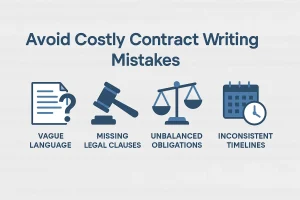
Nothing derails a deal faster than terms that read like a choose-your-own-adventure book. If clauses on delivery timelines, payment schedules, or quality specs leave room for interpretation, you’re inviting disputes.
- Spot it: Look for phrases like “approximately” without defined ranges or “as needed” without metrics. In wholesale contracts for raw materials, vague specs on material grade can mean subpar goods arriving unannounced.
- Why it hurts: Search Engine Journal reports that ambiguous contracts fuel 35% of arbitration cases, as parties exploit gray areas.
- Actionable fix: Demand specificity. For instance, insist on “delivery within 7-10 business days” instead of “promptly.” Use a checklist: Does every obligation have measurable outcomes?
I’ve chased “flexible” suppliers before, only to face endless revisions—lesson learned: clarity upfront saves headaches downstream.
Pressure Tactics from the Other Side: Urgency as a Weapon
Ever felt rushed into signing because “this offer expires today”? That’s not enthusiasm; it’s manipulation, common in high-volume wholesale negotiations where suppliers push to lock in commissions.
- Common signs: Ultimatums like “Sign now or lose the slot” or skipping due diligence with “We’ll handle details later.”
- The psychology: It preys on FOMO (fear of missing out), but as HubSpot data shows, pressured deals have a 28% higher failure rate.
- Counter it: Build in a 48-hour cooling-off period. Respond with, “I need time to review with my team.” In B2B platforms, leverage verified profiles to buy breathing room.
One deal I nearly botched involved a frantic email barrage—pausing to consult a neutral advisor turned it into a win.

Inconsistent Information Across Documents: The Mismatch Minefield
Discrepancies between the proposal, emails, and final draft? That’s a glaring red flag, especially in cross-border wholesale where currencies and regulations vary.
- Examples: Quote says $5,000 per ton, but contract lists $5,500; or supplier’s export license mismatches the stated origin.
- Risk factor: A study by the International Chamber of Commerce notes inconsistencies cause 15% of trade disputes.
- Step-by-step verification:
- Cross-reference all docs using a shared spreadsheet.
- Flag variances and request clarifications in writing.
- Involve a third-party auditor for high-value deals, like machinery imports.
| Red Flag | Example in Wholesale | Potential Cost | Quick Check |
|---|---|---|---|
| Vague Terms | “Quality as per industry standard” without specs | Rework fees: $10K+ | Define metrics (e.g., ISO 9001) |
| Pressure Tactics | “Exclusive deal—sign by EOD” | Rushed errors: 20% markup regret | Mandate review time |
| Inconsistencies | Pricing mismatch in RFQ vs. contract | Overpayment: $2K-50K | Side-by-side doc comparison |
Deep Dive: The Anatomy of a Dangerous Clause
Understanding the linguistic traps in legal documents is crucial for risk mitigation. Below are three high-risk areas often overlooked by non-experts:
1. Broad Indemnification Clauses
If a contract requires you to “indemnify and hold harmless” the other party for any and all losses, you are essentially becoming their insurance policy. SEO Tip: Always negotiate for “proportional liability” where you are only responsible for damages directly caused by your negligence.
2. Unlimited Liability
Signing a contract without a “Liability Cap” is a recipe for financial disaster. A safe contract should limit your total exposure to the amount paid under the agreement or a specific fixed sum. Without this, a single mistake could lead to a lawsuit exceeding your total net worth.
3. Intellectual Property (IP) Grabs
In service agreements, look for phrases like “Work Made for Hire.” This often means you lose all rights to your creations the moment they are delivered. Ensure there is a clear distinction between “Background IP” (what you owned before) and “Foreground IP” (what you created for the client).
Unbalanced Clauses: When the Deal Tilts One Way
Contracts should be mutual lifelines, not one-sided anchors. Watch for terms that overly favor the supplier, like unlimited liability on your end or their escape hatches for delays.
- Key offenders: No penalties for late delivery, or forcing disputes into their home jurisdiction.
- Insight: These breed resentment; Deloitte’s contract management report links them to 22% of partnership breakdowns.
- Fix it: Negotiate reciprocity—e.g., mirror penalties for both parties. For wholesale buyers, cap your liability at contract value.
Pro tip: Read the fine print aloud; it exposes biases you might skim over.
By addressing these before signing, you’re not just mitigating risks—you’re forging equitable partnerships that fuel long-term growth in your supply chain.
Red Flags After Signing a Contract: Monitor to Maintain Momentum
Signing doesn’t mean the finish line; it’s the starting gun for enforcement. Post-signature, red flags shift from prevention to detection, often surfacing in execution snags or behavioral shifts. In wholesale, where shipments span oceans, vigilance here keeps your operations lean.
Delayed Responses or Communication Breakdowns: The Drift Detector
Radio silence after the handshake? It’s a classic post-contract fade, signaling disinterest or overload.
- Signs: Unanswered queries on logistics or 72+ hour delays in updates.
- Why it signals trouble: Consistent with 18% of failed deals per a PwC global survey, as it erodes accountability.
- Action steps:
- Set weekly check-ins in the contract.
- Escalate via predefined channels (e.g., platform messaging).
- Document everything—timestamps build your case if needed.
I’ve seen suppliers vanish mid-shipment; automated reminders in my CRM now catch it early.
Non-Compliance with Agreed Terms: Breach in the Shadows
When actions diverge from ink—late deliveries, substandard goods—it’s not oversight; it’s a breach brewing.
- Wholesale examples: Received grains below moisture specs or machinery without certifications.
- Data dive: Backlinko cites non-compliance in 30% of B2B disputes, averaging $50K in losses.
- Enforce it:
- Track via shared dashboards (tools like Asana integrate seamlessly).
- Invoke remedies promptly: withhold payments or demand fixes.
- For repeat issues, activate exit clauses.
Use this table for quick post-signing audits:
| Term Category | Monitoring Tool | Red Flag Threshold | Remedy Trigger |
|---|---|---|---|
| Delivery Timeline | Tracking software (e.g., ShipStation) | >3 days late | Partial payment hold |
| Quality Standards | Inspection reports | <95% compliance | Refund/replacement |
| Payment Terms | Invoice logs | >30 days overdue | Interest accrual |
Hidden Fees or Scope Creep: The Sneaky Escalators
Post-deal add-ons like “unexpected” customs surcharges or expanded scopes without approval? They’re profit vampires.
- Detection: Budget variances exceeding 10% without notice.
- The why: HubSpot’s sales data shows scope creep inflates costs by 25% in unmanaged contracts.
- Shut it down: Amend only in writing, with mutual sign-off. In wholesale platforms, stick to RFQ parameters.
Behavioral Shifts in the Partner: Trust Erosion
Sudden changes—like a verified supplier dodging audits or pushing unsolicited upsells—hint at deeper issues.
- Psychological angle: It reflects shifting priorities, per negotiation experts at Harvard Business Review.
- Respond: Reassess via performance reviews every quarter. If red flags cluster, explore alternatives.
Maintaining a post-signature rhythm—reviews, feedback loops—turns potential pitfalls into pivot points.
Real-World Case Studies: Lessons from the Trenches
To make this stick, let’s unpack two anonymized scenarios from my playbook.
Case 1: The Vague Delivery Debacle A buyer in consumer goods inked a deal with loose timelines (“within the month”). Post-signing, delays stacked up, costing $15K in storage. Root cause? Pre-signing ambiguity. Fix: Retroactive addendum with penalties—recovered 70% losses. Key takeaway: Always quantify “soon.”
Case 2: Post-Sign Pressure Pivot Supplier introduced “compliance fees” after signing, bloating a raw materials contract by 12%. Flagged via consistent monitoring, it led to renegotiation. Insight: Built-in audit rights prevented escalation. Result: Stronger future terms, 8% cost savings.
These aren’t hypotheticals—they’re the grit that sharpens your edge.
Best Practices to Dodge Red Flags Altogether
Armed with flags, how do you fly higher? Integrate these into your workflow:
- Pre-Sign Due Diligence: Vet partners via platforms’ verification badges and third-party checks (e.g., Dun & Bradstreet reports).
- Standardize Templates: Customize boilerplates with balanced clauses, saving negotiation time.
- Tech Stack Leverage: Use contract management tools like DocuSign for tracking and alerts.
- Team Training: Quarterly workshops on spotting signs—empower your crew.
- Exit Strategies: Embed opt-outs for chronic issues, ensuring graceful disengagements.
For deeper dives, check our guides on secure B2B transactions .
Frequently Asked Questions (FAQ)
What should I do if I find a red flag in a contract?
Never ignore a red flag. You have three options: request an amendment to the language, draft an addendum to clarify the ambiguous point, or walk away if the other party refuses to negotiate high-risk terms like unlimited liability or unfair termination rights.
Is a contract valid if it contains unfair terms?
While some jurisdictions have “Unconscionable Contract” laws to protect consumers, in B2B (Business-to-Business) agreements, courts generally assume both parties are sophisticated enough to understand what they sign. Relying on “unfairness” to cancel a contract later is a high-risk legal strategy.
Can verbal promises override written red flags?
Almost never. Most professional contracts include an “Entire Agreement” clause, which states that the written document supersedes all previous verbal discussions. If it’s not in writing, it doesn’t exist in the eyes of the law.
Wrapping Up: Sign Smart, Trade Strong
Spotting red flags before and after contract signing isn’t about cynicism; it’s about crafting unbreakable deals that propel your wholesale empire. From vague terms that bleed profits to post-deal drifts that derail deliveries, these insights—backed by data from HubSpot, Backlinko, and beyond—equip you to act decisively. Remember, every contract is a chapter in your business story; write ones worth rereading.
Ready to streamline your next RFQ or supplier listing? Head to Tendify.net and post your needs today—secure, verified, and red-flag free. Your next big win awaits.

