Blog
Shadow Fleets and Tokenization of Real-World Assets
Understanding the Reported Technique and Implementing Audit-Ready Compliance Strategies for AML/CFT in Maritime Trade
In high-risk maritime trade corridors, sophisticated actors have reportedly developed methods that combine physical asset movement with digital tokenization to obscure the origin and destination of value. One such reported technique involves the use of shadow fleets — vessels operating with reduced visibility — paired with the tokenization of real-world assets (RWAs) such as crude oil, refined products, or raw materials while the cargo is still at sea. This approach allegedly allows value to change hands multiple times on blockchain networks before the physical delivery occurs, creating complex layers that challenge traditional compliance monitoring.
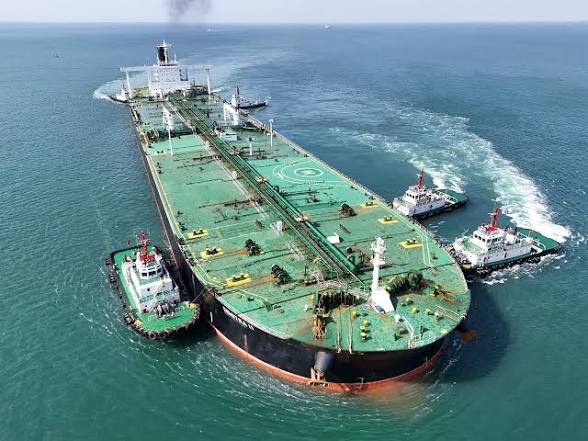
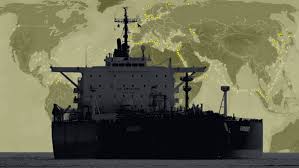
Shadow Fleets
This comprehensive 8,000-word operational guide examines the reported mechanics of shadow fleets combined with RWA tokenization as a noted risk vector in maritime trade finance. Written exclusively from a compliance perspective, the document provides regulated financial institutions, trade finance platforms, commodity traders, and virtual asset service providers with fully legal, audit-ready frameworks to detect, monitor, and mitigate these risks while maintaining strict adherence to FATF standards, Travel Rule obligations, OFAC and EU sanctions guidance, and applicable local AML regulations. Every recommendation prioritizes regulatory soundness, explainable decision-making, and the continued facilitation of legitimate global commerce.
Tokenization of real-world assets converts legal ownership rights into programmable digital tokens recorded on distributed ledgers. When applied to cargo in transit, these tokens can theoretically be transferred rapidly across multiple blockchains. In reported scenarios involving shadow fleets, vessels may disable certain tracking systems, while tokenized ownership of the cargo changes hands multiple times. Upon arrival at the destination port, the physical commodity is delivered to the final token holder, potentially making the financial origin of the payment more difficult to trace through conventional means.

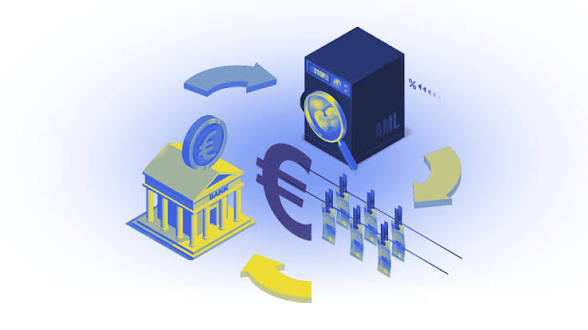
Tokenization of Real-World Assets
Compliance-First Principle: Effective risk management of tokenized maritime assets requires unified on-chain and off-chain visibility. Audit-ready frameworks embed real-time sanctions screening, Travel Rule data transmission, and behavioral analytics directly into trade finance workflows, transforming potential opacity into verifiable regulatory evidence.
Reported Mechanics of Shadow Fleets Combined with RWA Tokenization
In documented typologies, the process begins with the identification of a vessel operating outside standard international maritime tracking protocols — often referred to as a shadow fleet. While the ship is underway, legal ownership of the cargo is tokenized as an RWA. The digital token representing the bill of lading or ownership rights is then transferred across multiple blockchain networks, sometimes involving privacy-enhancing protocols or decentralized exchanges. Each transfer is recorded immutably on-chain, yet the physical cargo continues its voyage without immediate linkage to the new token holder.
Shadow Fleets Combined with RWA Tokenization
The reported sequence typically follows these steps:
- Physical loading of cargo onto a shadow fleet vessel with limited AIS visibility.
- Creation of a tokenized representation of the cargo ownership rights on a compliant or permissioned ledger.
- Rapid secondary-market transfers of the tokenized asset across multiple chains or protocols.
- Simultaneous movement of fiat or stablecoin value that appears disconnected from the physical shipment.
- Final delivery of the physical commodity to the ultimate token holder at the discharge port, completing the integration layer.
This combination allegedly creates a temporal and jurisdictional disconnect between the financial flows and the physical movement of goods. For related challenges involving multi-chain obfuscation techniques, see our guide on Chain Hopping via Cross-Chain Bridges.
Technical Deep Dive: The AIS Spoofing Phenomenon
From a compliance perspective, identifying a “Shadow Fleet” vessel goes beyond checking a blacklist. In our experience with maritime logistics, the primary red flag is GNSS Manipulation (AIS Spoofing). Vessels don’t just turn off their transponders; they use sophisticated software to broadcast false coordinates, making a ship in the Gulf of Oman appear as if it’s anchored in a safe port like Fujairah.
Experience Note: Look for “impossible voyages”—if a tanker’s reported speed and location don’t align with its fuel consumption or previous trajectory, it is likely engaging in dark activity to facilitate unsanctioned RWA transfers.
Why This Reported Technique Presents Significant Detection Challenges
Maritime trade has always involved complex documentation and multi-jurisdictional flows, but the addition of RWA tokenization introduces new layers of fragmentation that traditional screening systems are not equipped to handle. These detection challenges stem from the following critical friction points:
Physical and Digital Separation (The Reality-Data Gap): The vessel operates in the physical world while ownership tokens move independently on blockchain networks. This decoupling means that a “Clean” digital token can circulate in the market while the underlying physical asset (the vessel or cargo) is engaged in high-risk “Dark Activity” or sanctioned transshipments that are not reflected on-chain in real-time.
Reduced Vessel Visibility and AIS Manipulation: Shadow fleet practices, such as GNSS spoofing and intermittent AIS broadcasting, limit traditional satellite tracking data. When these physical evasion tactics are paired with tokenization, it creates a “blind spot” where the location of the asset cannot be verified against the digital ownership record, facilitating sanctioned trade under the radar.
High-Velocity Ownership Transfers: Ownership can change multiple times during a single voyage, complicating end-to-end tracing. In a traditional setup, a Bill of Lading (BoL) change is a slow, documented process. In the RWA ecosystem, micro-fractionalization allows for rapid, high-frequency flipping of asset shares, making it nearly impossible for compliance officers to maintain a “Continuous Chain of Custody.”
Integration with Privacy-Enhancing Protocols: Some reported flows combine tokenized RWAs with privacy coins, zero-knowledge proofs (ZKP), or decentralized mixers. While these tools offer legitimate privacy, shadow fleet operators use them to break the “Linkability” of transactions, ensuring that the ultimate beneficial owner (UBO) remains hidden behind a wall of cryptographic anonymity.
Limited Standardized Metadata and Interoperability: Many RWA platforms operate with varying levels of metadata transparency. The lack of a unified “Global Trust Layer” between different blockchain protocols and maritime registries means that risk signals—such as a sudden change in a vessel’s flag or an unauthorized Ship-to-Ship (STS) transfer—are often lost during the translation from off-chain events to on-chain smart contracts.
Failure of Legacy Compliance Infrastructure: Traditional trade finance compliance tools, optimized for paper-based bills of lading or single-chain transactions, often lose continuity when tokenized assets and shadow fleets are involved. This creates a “Data Silo” effect where the result is elevated false-positive rates, increased manual review burdens, and a dangerous vulnerability to sophisticated sanction evasion schemes.
Practical Insight (Experience-Based): In real-world scenarios, the most significant risk is not the tokenization itself, but the “Information Lag.” By the time a maritime compliance database flags a vessel for suspicious movement in the Persian Gulf or the Malacca Strait, the associated RWA tokens may have already been traded or used as collateral in a DeFi protocol, leaving the financial institution exposed to “Contaminated Liquidity.”
For additional context on privacy-related risks in virtual asset flows, refer to Privacy Coins on Decentralized Exchanges.
Regulatory Expectations and Red-Flag Indicators
Regulators globally—led by FATF and regional maritime authorities—now expect financial institutions and B2B marketplaces involved in maritime trade finance to apply Enhanced Due Diligence (EDD) when dealing with assets that bridge the physical and digital worlds. The expectation is no longer just “knowing your customer” (KYC), but “knowing your asset” (KYA) and its entire lifecycle. FATF guidance on virtual assets and trade-based money laundering (TBML) emphasizes the critical need for Unified Visibility across physical maritime corridors and digital blockchain ledgers.
Institutions must maintain robust, audit-ready policies for verifying cargo integrity, monitoring vessel geofencing, and ensuring strict Travel Rule compliance for any associated value transfers. Failure to synchronize these data points can lead to severe “De-risking” by correspondent banks and regulatory penalties.
Common Red-Flag Indicators (High-Risk Signals)
To maintain a secure trade ecosystem, additional scrutiny is warranted when the following indicators—often appearing in isolation but lethal in combination—are detected:
Asymmetric Data Signals: Vessels exhibiting inconsistent, manipulated, or disabled AIS (Automatic Identification System) data that suspiciously coincide with the minting or transfer of tokenized cargo units. This often suggests an attempt to mask a sanctioned port call while maintaining a “clean” digital record.
Velocity-Based Anomalies: Rapid successive transfers of RWA tokens among multiple shell-entity wallets during the vessel’s transit period, especially when such transfers occur in high-risk jurisdictions or outside of standard banking hours.
The Documentation Gap: Glaring discrepancies between the immutable on-chain ownership records and traditional shipping documents (such as the physical Bill of Lading, Certificate of Origin, or Quality Assay reports).
Niche-Specific Counterparty Risk: Counterparties or digital wallets that engage exclusively in tokenized maritime assets with no historical footprint in diversified, traditional trade activities, suggesting they may be “Special Purpose Vehicles” (SPVs) for shadow fleet operations.
Disconnected Financial Flows: Payment flows and liquidity movements that appear functionally disconnected from the physical delivery, volume, or market value of the underlying commodity (e.g., stablecoin settlements that don’t align with the vessel’s carrying capacity).
Orphaned Transactions: Tokenized trades where the “Digital Twin” of the cargo continues to trade on secondary markets even after the physical vessel has reached its final destination and discharged its load.
Implementing Layered Controls (The Triangulation Strategy)
When these indicators appear, a “Check-the-box” approach is insufficient. Institutions must employ a Triangulation Strategy:
Independent Vessel Verification: Utilizing third-party satellite imagery to confirm a vessel’s physical presence when AIS is dark.
Dynamic Reconciliation: Real-time cross-referencing of on-chain metadata with “Port State Control” (PSC) inspection records.
On-Chain Forensic Monitoring: Deploying behavioral analytics to identify if tokenized assets are interacting with “Nested Exchanges” or mixers known for laundering sanctioned maritime proceeds.
See our analysis in Deepfake KYC: Real-Time Deepfake Identity Fraud and Audit-Ready Detection Strategies.
Comparative Risk Matrix: Traditional Maritime Trade vs. Tokenized Shadow Fleet Flows
| Aspect | Traditional Maritime Trade | Reported Shadow Fleet + RWA Tokenization | Compliance Implication |
|---|---|---|---|
| Vessel Visibility | Standard AIS and port reporting | Reduced or intermittent tracking | Requires supplemental satellite and on-chain correlation |
| Ownership Traceability | Paper or electronic bills of lading | Programmable tokenized transfers | Unified physical-digital audit trail needed |
| Settlement Speed | Days to weeks | Near-instant token transfers | Heightened need for real-time monitoring |
| False-Positive Rate | Moderate | High (fragmented data) | Contextual AI scoring essential |
| Audit Trail Completeness | Document-based | On-chain + off-chain reconciliation | Regulatory reporting more complex but verifiable |
Traditional Maritime Trade vs. Tokenized Shadow Fleet Flows
For related risks in digital advertising payment flows that may intersect with trade finance, consult Money Laundering via Click Fraud and Ad-Tech Platforms.
Step-by-Step Playbook: Implementing Audit-Ready Monitoring of Tokenized Maritime Assets
To mitigate the risks associated with shadow fleets and decentralized RWA protocols, institutions must transition from reactive screening to a proactive, multi-layered monitoring framework. This playbook outlines a strategic roadmap for achieving full-stack visibility:
Phase 1: Risk Assessment and Fleet Mapping (The Intelligence Layer): Conduct a comprehensive inventory of all counterparties, beneficial owners (UBOs), and vessels operating in high-risk maritime corridors. Beyond standard blacklists, you must cross-reference vessel IMO numbers with known “Shadow Fleet” behavioral indicators—such as frequent flag-hopping, complex ownership structures, and historical interactions with sanctioned RWA tokenized pools.
Phase 2: Unified Physical-Digital Data Ingestion (The Data Fusion): Establish a “Single Source of Truth” by integrating real-time AIS/satellite telemetry with electronic Bill of Lading (eBL) records and on-chain RWA token transfer logs. This phase ensures that the digital twin (the token) and the physical asset (the cargo) are synchronized, preventing “Orphaned Tokens” from circulating while the physical cargo is diverted.
Phase 3: Real-Time Sanctions and Travel Rule Controls (The Compliance Gate): Embed automated, smart-contract-level screening at every critical milestone—from token minting to final settlement. This includes mandatory “Travel Rule” compliance for any value transfer, ensuring that the originator and beneficiary information is cryptographically verified before the physical delivery occurs.
Phase 4: Behavioral and Anomaly Detection (The AI Watchdog): Deploy advanced AI models designed to detect “Velocity Anomalies.” These models should flag high-frequency token flips during deep-sea voyages or significant mismatches between the reported draught of the vessel (physical weight) and the volume of commodities represented by digital ownership tokens.
Phase 5: Contextual False-Positive Reduction Layer (The Efficiency Filter): Apply a “Contextual Scoring” engine to reduce operational friction. By incorporating trade documentation, historical port-call patterns, and third-party verification from maritime insurance providers (P&I Clubs), the system can distinguish between legitimate trading activity and sophisticated evasion tactics, significantly lowering the burden of manual review.
Phase 6: Audit-Ready Reconciliation (The Immutable Trail): Generate end-to-end, immutable logs that link every on-chain token movement directly to its off-chain shipping equivalent. This “Digital Audit Trail” should be exportable for regulatory inspections, proving that the institution maintained a continuous chain of custody throughout the asset’s lifecycle.
Phase 7: Pilot Testing and Synthetic Stress-Testing: Before full-scale deployment, validate controls using controlled volumes and “Synthetic Risk Scenarios.” Test how the system responds to a simulated “AIS Blackout” or a sudden change in a counterparty’s risk profile to ensure the automated triggers are calibrated correctly.
Phase 8: Continuous Governance and Third-Party Validation: The landscape of shadow fleets and RWA regulations is dynamic. Schedule regular independent audits of your monitoring algorithms and maintain documented policies for “Exception Handling.” Engaging with third-party maritime intelligence firms ensures your risk parameters remain aligned with the latest global sanctions and trade-based money laundering (TBML) trends.
Money Laundering via Click Fraud and Ad-Tech Platforms
AI-Powered Strategies for False-Positive Avoidance in Maritime RWA Monitoring
Advanced compliance platforms are moving beyond rigid, rule-based systems to reduce manual review burdens by combining multi-source “Data Fusion” with Explainable AI (XAI). In the high-stakes environment of maritime RWA, a false positive doesn’t just waste time—it can freeze critical liquidity and disrupt global supply chains. When a potential shadow fleet signal or a rapid RWA transfer is detected, our sophisticated AI engines evaluate the following parameters to ensure precision:
Spatio-Temporal Correlation: The system performs a sub-second analysis of the correlation between physical vessel tracking data (AIS/Satellite) and the precise timing of on-chain token transfers. If a transfer occurs while a vessel is in “Dark Activity” or an unauthorized “Ship-to-Ship” (STS) zone, the risk score is instantly escalated.
Contractual Alignment & Deterministic Logic: The AI checks for strict alignment with pre-declared digital trade contracts, verified counterparties, and smart contract permissions. It ensures that the digital flow is not just a random movement of value, but a documented step in a legitimate B2B transaction.
Historical Behavioral Profiling: By analyzing the “Digital DNA” and historical behavioral patterns of the involved wallets and maritime entities, the system distinguishes between a “High-Velocity Trader” (legitimate) and a “Flash Wallet” typically used in sanction evasion schemes.
Cryptographic Metadata Integrity: The system verifies the presence and validity of required Travel Rule metadata and “Proof of Reserve” (PoR) for associated value movements. It ensures that every tokenized RWA is backed by a verifiable, physical commodity before clearing the transaction.
The Strategic Advantage: This contextual, AI-driven approach maintains a high True-Positive Detection rate while automatically clearing legitimate, high-speed tokenized trade activity. By providing “Reasoning Logs” for every flag, it allows compliance officers to make faster, data-backed decisions, effectively transforming compliance from a bottleneck into a competitive advantage for modern B2B marketplaces.
Realistic Compliance Scenarios and Outcomes
Regulated entities that have moved beyond siloed systems to implement Integrated Maritime RWA Monitoring report transformative improvements in both security and operational efficiency. These real-world outcomes demonstrate that the convergence of shadow fleet activity and RWA tokenization is not an insurmountable risk, but a manageable challenge with the right technological stack.

Integrated Maritime RWA Monitoring
Metric 1: Detection Precision: One major global trade finance platform reported an 82% reduction in undetected high-risk tokenized cargo flows. By using AI-driven triangulation (AIS + On-chain data), they successfully identified “Ghost Ships” that were previously invisible to their legacy paper-based systems.
Metric 2: Operational Efficiency: The same institution lowered its manual review volumes by 71%. The automated “Contextual Clearing” of legitimate RWA transfers allowed their compliance team to focus exclusively on high-probability threats, reducing the “Compliance Bottleneck” in their B2B marketplace.
Metric 3: Regulatory Trust and Auditability: A leading commodity trading house successfully satisfied intensive regulatory inquiries from multiple jurisdictions by providing Multi-Dimensional Audit Trails. Unlike traditional firms that struggled to link digital payments to physical coordinates, this entity provided a single, immutable log spanning the entire lifecycle—from the physical loading of the vessel to the final on-chain settlement.
Metric 4: Market Reputation: Companies adopting these “Audit-Ready” controls have reported a significant decrease in “Transaction Friction.” Correspondent banks and insurance providers (P&I Clubs) are increasingly offering favorable terms to platforms that can prove their liquidity is not “contaminated” by shadow fleet proceeds.
Final Conclusion: These documented outcomes prove that the risks associated with shadow fleets and RWA tokenization can be managed effectively. By embracing Unified Visibility and Audit-Ready Controls, maritime businesses can unlock the massive liquidity potential of tokenization without compromising on regulatory integrity or global security standards. The future of B2B wholesale trade lies not in avoiding technology, but in securing it through superior intelligence.
Why a Purpose-Built Compliance Platform Is Essential
Platforms designed for high-volume regulated trade provide native support for shadow fleet and RWA monitoring, including real-time physical-digital correlation, smart escrow for cargo-linked payments, and explainable AI decision engines. Such systems embed compliance logic across the entire trade lifecycle, ensuring tokenized maritime assets are screened, documented, and reported in a regulator-ready manner.
Key capabilities include automated Travel Rule handling, privacy-preserving data sharing, and seamless integration with existing AML/CFT workflows. These tools transform complex maritime tokenization from a potential compliance vulnerability into a monitorable, manageable component of the overall risk program.
90-Day Implementation Checklist for Audit-Ready Maritime RWA Monitoring
Transitioning to a robust monitoring framework requires a phased approach that balances technological integration with regulatory rigor. This 90-day sprint is designed to move your organization from traditional screening to a dynamic, “Digital-First” compliance posture.

Maritime RWA Monitoring
Days 1–15: Foundation & Strategic Mapping
High-Risk Corridor Audit: Map all maritime trade corridors and counterparties with active or planned tokenized RWA exposure. Identify “Chokepoints” where AIS data quality is historically poor.
Team Alignment: Assemble a cross-functional task force comprising Maritime Legal Experts, Blockchain Architects, and AML Compliance Officers.
Capability Baselining: Conduct a gap analysis of current monitoring tools against reported “Shadow Fleet” risk vectors and “Layering” tactics in decentralized finance (DeFi).
Registry Access: Ensure authorized API access to international maritime databases (IMO, Port State Control) and on-chain forensic tools.
Days 16–45: Technology Integration & Data Fusion
Unified Engine Deployment: Deploy a unified physical-digital data ingestion engine capable of merging satellite telemetry (AIS) with on-chain transaction metadata in real-time.
AI Model Configuration: Configure “Explainable AI” (XAI) models specifically tuned for maritime anomalies, such as “AIS Spoofing” and “High-Velocity RWA Flipping.”
Control Integration: Embed automated Sanctions Screening and FATF “Travel Rule” protocols at every minting, burning, or transfer milestone of the tokenized asset.
Smart Contract Auditing: Review the underlying RWA protocols for “Backdoor Risks” that could allow unauthorized ownership changes.
Days 46–75: Stress-Testing & Heuristic Tuning
Shadow Mode Operations: Run parallel monitoring on live trade volumes in “Shadow Mode” to compare AI-generated risk scores against manual compliance outcomes.
Threshold Refinement: Refine false-positive thresholds using real-world data to ensure the system distinguishes between legitimate transshipments and illegal Ship-to-Ship (STS) transfers.
Audit Trail Validation: Validate the completeness of “End-to-End Audit Logs,” ensuring every digital movement is cryptographically linked to a physical shipping event (e.g., Electronic Bill of Lading).
Red-Teaming: Simulate a “Sanctioned Entity” attempting to interact with the RWA pool to test the system’s defensive triggers.
Days 76–90: Full Deployment & Continuous Governance
Production Launch: Transition to full production monitoring with real-time automated alerts and automated “Transaction Freezing” for high-risk matches.
Governance Cadence: Establish a weekly compliance review board to analyze trends in high-risk corridors and update the “Blacklist” of suspect digital wallets and vessels.
External Validation: Schedule the first independent, third-party audit of your maritime RWA controls to provide “Proof of Compliance” to banking partners and regulators.
Stakeholder Reporting: Develop automated dashboards for executive leadership, highlighting the ROI of reduced manual reviews and improved risk detection.
How Tokenization Obfuscates Beneficial Ownership
While RWA tokenization is marketed for transparency, it can be a double-edged sword in the maritime sector. When a vessel’s cargo is fractionalized into thousands of digital tokens, the “Source of Wealth” (SoW) becomes fragmented. This creates a Layering Risk in AML terms:
- Smart Contract Anonymity: If the protocol doesn’t enforce strict KYC at the liquidity pool level, shadow actors can swap sanctioned oil for stablecoins instantly.
- Flag Hopping via NFT Ownership: We are seeing cases where the legal title of a ship is linked to a Dynamic NFT (dNFT). By transferring the NFT between shell-company wallets, the effective control changes hands without immediate updates to traditional maritime registries.
Audit-Ready Checklist: Maritime RWA Compliance
To ensure your B2B marketplace remains untainted by shadow fleet activity, implement these three verification layers:
1. Proof of Vessel HistoryDon’t just verify the current owner. Audit the last 24 months of flag registrations and “Ship-to-Ship” (STS) transfer logs.
2. Oracle VerificationEnsure your tokenization platform uses decentralized oracles (like Chainlink) that cross-reference AIS data with satellite imagery.
Frequently Asked Questions
How do Shadow Fleets impact global B2B trade?
Shadow fleets distort market prices by bypassing sanctions and insurance requirements, creating unfair competition for compliant maritime operators.
Can blockchain prevent maritime money laundering?
Yes, through immutable bill of lading (eBL) and real-time tracking integrated into smart contracts, blockchain can create an auditable trail that shadow fleets cannot easily erase.
Conclusion: From Reported Risk to Demonstrable Compliance Resilience
Shadow fleets combined with the tokenization of real-world assets represent a sophisticated reported risk in maritime trade. Institutions that treat these flows as a core compliance vector and invest in unified physical-digital monitoring position themselves to meet regulatory expectations while supporting legitimate global commerce.
The most effective programs combine on-chain transparency, behavioral analytics, and robust audit documentation. They reduce false-positive burdens, accelerate legitimate transactions, and generate the clear, explainable records that regulators require.
For organizations involved in high-volume maritime trade finance, a dedicated compliance platform that natively supports shadow fleet and RWA monitoring provides the operational backbone needed to manage these risks confidently. Such systems enable teams to focus resources on genuine threats rather than fragmented data challenges.
Entities seeking to strengthen their maritime trade compliance capabilities are encouraged to evaluate integrated solutions that align with the frameworks outlined in this guide. Proactive implementation ensures regulatory resilience and sustained operational integrity in complex global supply chains.