Blog
Saudi Wheat Import Guide: Step-by-Step B2B Customs Clearance

Top Players, Tender Secrets, and How to Secure Your Share
I’ve spent over two decades moving bulk commodities across continents, and let me tell you straight—few markets reward consistency like Saudi Arabia’s wheat sector. This isn’t a speculative play or a seasonal gamble. It’s a clockwork demand engine that imports 3.5–4 million metric tons every single year, backed by a government that pays on time and in full. Miss the boat here, and you’re leaving serious money on the table.
In 2023 alone, Saudi wheat imports topped $2.1 billion, with Russia and the EU battling for the lion’s share. By late 2026-27, demand is tracking for another 5% uplift, driven by population growth and flour milling expansion.
If you’re a wheat exporter—or want to become one—this is the only guide you’ll need to understand who’s winning right now, exactly what the Saudis buy, and precisely how to position yourself for the next tender.
Wheat Export Suppliers for the Saudi Arabia
Why the Saudi Wheat Market Is Bulletproof for Serious Exporters
Saudi Arabia made a strategic decision years ago: stop draining precious water on domestic wheat production and import 100% of needs. That pivot created one of the most dependable bulk commodity flows on the planet.
Key drivers keeping volumes high through 2025 and beyond:
- Population now exceeds 36 million and growing >2% annually
- Flour subsidies that guarantee steady milling demand
- Strategic reserves policy requiring minimum 6–9 months coverage
- GFSA (General Food Security Authority) now aggressively buying from Saudi-owned farms abroad via SALIC—yet still running regular international tenders for 1–2 million tons yearly
Result? Even when global prices swing, Saudi tenders keep coming. I’ve seen years where other destinations dried up completely—Saudi never missed a beat.

Wheat Export Suppliers for the Saudi Arabian MARKET
Strict Quality Standards for Wheat Imports to Saudi Arabia (2026)
To successfully penetrate the Saudi market, suppliers must adhere to the rigorous standards set by the General Food Security Authority (GFSA), formerly known as SAGO. The 2026-27 requirements emphasize high protein content and low moisture levels to ensure long-term storability in arid climates.
| Parameter | Hard Wheat Requirement | Soft Wheat Requirement |
|---|---|---|
| Protein Content | Min 12.5% (Dry basis) | Min 11.0% (Dry basis) |
| Moisture Content | Max 12.0% | Max 12.0% |
| Test Weight | Min 78 kg/hl | Min 76 kg/hl |
| Falling Number | Min 250 seconds | Min 200 seconds |
Furthermore, all shipments must be accompanied by a Phytosanitary Certificate ensuring the grain is free from pests like the Khapra beetle and meets the maximum residue limits (MRLs) for pesticides as defined by the GCC Standardization Organization (GSO).
Navigating Saudi Regulatory Authorities: GFSA vs. SFDA vs. MEWA
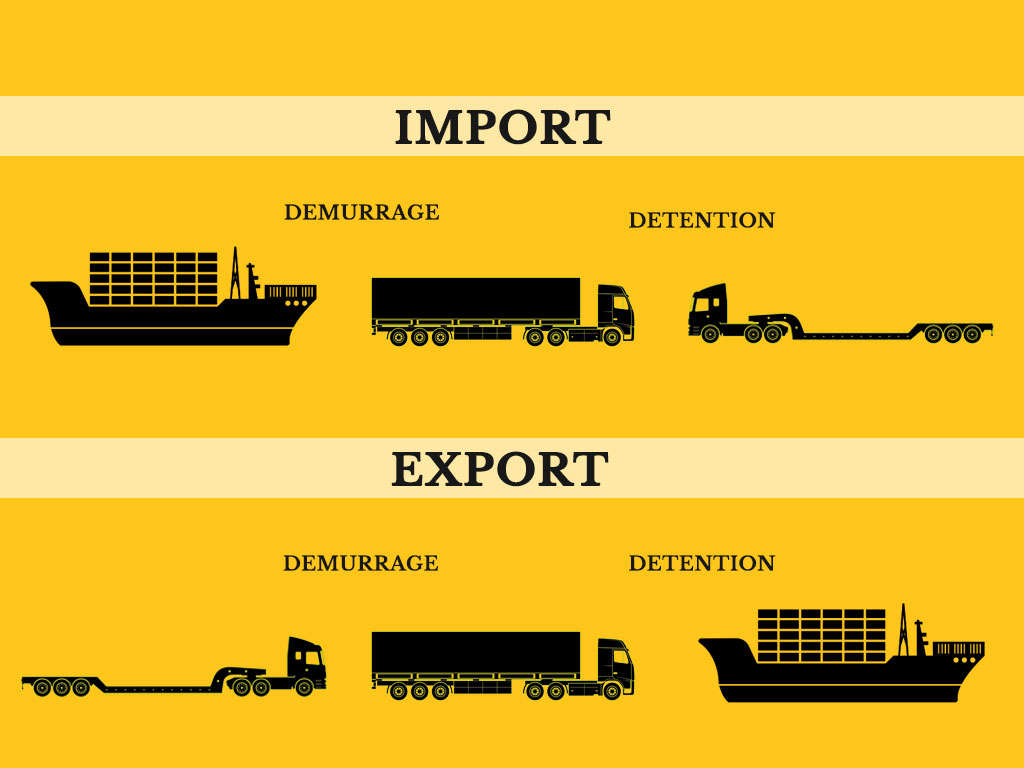
Understanding the clear separation of jurisdiction among Saudi government bodies is critical for seamless customs clearance and preventing costly demurrage at destination ports.
Core Role: Handles national bulk wheat tenders, manages strategic grain reserves, allocates import quotas, and operates state-owned silos across Kingdom ports.
Core Role: Establishes and enforces Maximum Residue Limits (MRLs) for pesticides, heavy metals, and mycotoxins (e.g., Ochratoxin A), ensuring full alignment with GSO health standards.
Core Role: Conducts port-of-entry quarantine inspections and issues discharge clearance based on strict freedom from regulated pests (such as Trogoderma granarium / Khapra beetle) and weed seeds.
Third-Party Inspection and Quality Verification (GAFTA & SGS)
In the 2026-27 global wheat trade, trust is verified through international protocols. For exports to Saudi Arabia, ensuring that the cargo meets GAFTA (The Grain and Feed Trade Association) standards is non-negotiable. We strictly recommend utilizing world-class inspection agencies to mitigate quality disputes.
Pre-Loading Inspection
Verification of silo cleanliness and moisture testing before the wheat is moved to the port. This prevents cross-contamination and ensures the 12% moisture threshold is maintained.
Discharge Port Analysis
Upon arrival at Jeddah or Dammam, independent surveyors (like SGS or Intertek) perform final sampling to confirm protein levels and the absence of prohibited ergots or pests.
By integrating these inspection steps into your Proforma Invoice (PI), you provide the Saudi buyer with the ultimate security regarding their investment.
Top Wheat Export Suppliers Dominating the Saudi Market (2026 Landscape)
Updated market share, pricing benchmarks, and key advantages based on recent GFSA tender awards and global bulk trade flows.
| Rank | Country / Region | Market Share | Est. C&F Price | Key Strategic Advantage | Active Traders |
|---|---|---|---|---|---|
| 1 | Russia | 40–45% | $240–$260 | Unbeatable price competitiveness, short transit times via Black Sea. | Aston, Grain Gates, Demetra |
| 2 | Romania & Bulgaria (EU Black Sea) | 18–22% | $255–$272 | Reliable 12.5%+ protein quality, seamless EU phytosanitary specs. | Ameropa, CHS, COFCO |
| 3 | Australia | 12–15% | $275–$295 | Premium milling grades (ASW & APH), ideal for Arabian Gulf ports (Dammam) bypassing Red Sea risk. | CBH Group, GrainCorp, Viterra |
| 4 | Baltic Cluster (Lithuania, Latvia, Poland) | 10–12% | $260–$280 | Exceptionally high test weight, very low moisture, strict quality certification. | Scandagra, BayWa, Cargill |
| 5 | South America (Brazil & Argentina) | 5–8% | $250–$268 | Strategic alternative source used during Black Sea price spikes or seasonal supply gaps. | Amaggi, Bunge, Louis Dreyfus |
| 6 | Canada & United States | 4–6% | $285–$315 | High-protein Durum & Spring Wheat specialty supply for premium milling blending. | Richardson, ADM, Columbia Grain |
| 7 | India | Variable (1–3%) | $245–$265 | Proximity to Arabian Gulf; highly opportunistic export quotas based on domestic stock policy. | STC India, ITC, private regional traders |
Russia’s grip tightened again in 2026 after a brief dip—Saudi buyers simply can’t ignore $30–$40/ton savings versus European origin when the spec is met.
The EU cluster (especially Baltic ports) remains the quality benchmark. Saudi millers pay the premium willingly for wheat that delivers 12–12.5% protein consistently with low moisture and high test weight.

Top Wheat Export Suppliers
Exact Wheat Specifications Saudi Arabia Demands in 2026 Tenders
GFSA specifications haven’t changed much because they don’t need to—they work.
Current baseline requirements :
- Protein: minimum 12.5% (dry basis)
- Moisture: maximum 13.5%
- Test weight: minimum 76 kg/hl
- Falling number: minimum 250 seconds
- Bug damage: maximum 1%
- Foreign material: maximum 2%
They accept any origin except countries on their restricted list (changes infrequently). Russian and EU wheat both clear easily.
Pro tip from hard-won experience: offer 13%+ protein if you want to win consistently. Saudi millers will pay $8–$15/ton premium all day for wheat that extracts better flour yield.
Navigating the Logistics of Wheat Export to Saudi Arabia
Strategic positioning in the global supply chain is critical. In 2026, the Red Sea trade routes remain the primary corridor for grain imports into the Kingdom, specifically through the Jeddah Islamic Port and King Abdulaziz Port in Dammam.
Key Considerations for 2026-27 Shipments:
- Bulk Carrier Scheduling: Due to fluctuating global freight rates, securing Panamax or Handymax vessels at least 45 days in advance is recommended to mitigate volatility.
- Strategic Reserves: Saudi Arabia is actively increasing its grain silo capacity. Suppliers who can offer flexible delivery schedules to support the Kingdom’s national food security goals will have a competitive edge.
- Payment Terms: While Letters of Credit (LC) remain the standard, many Saudi buyers are moving towards more digital and streamlined escrow-based transactions to ensure transparency.
Navigating Red Sea Disruptions: Freight, Insurance & Port Pivots (2026 Strategy)
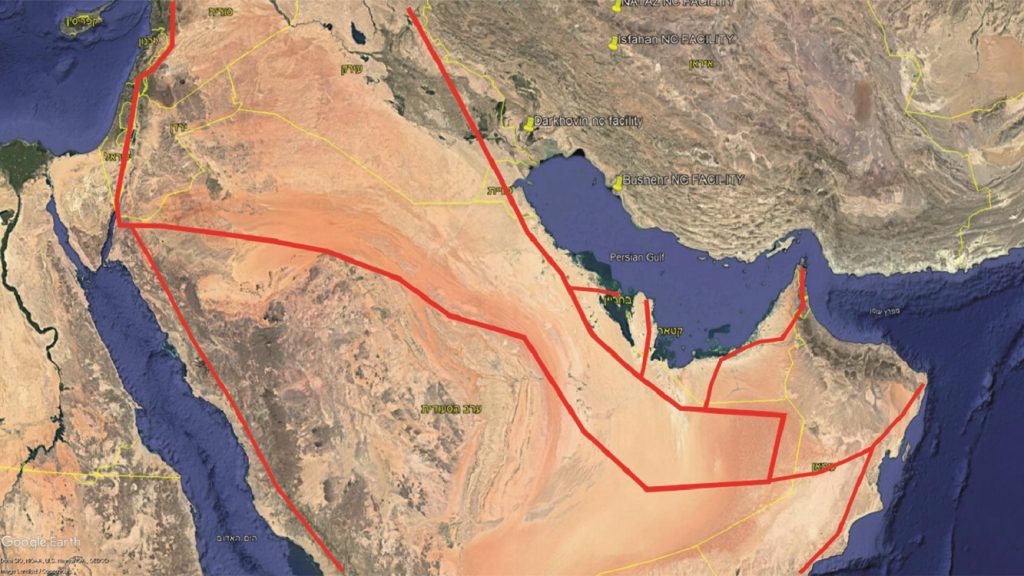
Persistent geopolitical tensions surrounding the Bab al-Mandab Strait have reshaped bulk commodity logistics for Saudi Arabia. Exporters must account for war risk premiums, alternative routing, and landbridge logistics to maintain tight delivery laycans.
Vessels transiting Bab al-Mandab to reach Jeddah Islamic Port face additional War Risk Insurance Premiums (0.5%–1.0% of vessel value). Black Sea origins still hold a transit-time advantage via Suez, but overall C&F pricing must account for potential Cape of Good Hope rerouting options for North American cargoes.
GFSA tenders increasingly designate discharge options at King Abdulaziz Port in Dammam and Jubail Commercial Port. Bypassing the Red Sea entirely by delivering to Gulf ports allows suppliers from Australia, South America, and Asia to mitigate maritime security threats while keeping C&F costs stable.
Grain received at Eastern Province ports is efficiently transferred to central strategic silos in Riyadh and Qassim using the Saudi Railway Company (SAR) freight network. This domestic landbridge reduces reliance on Red Sea road transport and stabilizes supply to interior flour mills.
Understanding these logistical nuances is what separates top-tier global wheat suppliers from the rest of the market. Proximity to major shipping lanes and efficient loading rates at the port of origin are vital KPIs for 2026-27 trade success.
Mitigating Trade Risks in the 2026-27 Wheat Market
The global wheat trade is currently influenced by unprecedented geopolitical shifts and climate-induced volatility. For Saudi Arabian importers, securing a consistent supply chain requires more than just finding a supplier; it requires a risk-mitigation strategy.
Supply Chain Diversification: We recommend that Saudi buyers do not rely on a single geographical origin. While Black Sea wheat offers competitive pricing, diversifying with North American or Australian suppliers ensures stability during regional conflicts or harvest failures.
Key risk factors we monitor for our partners include:
- Currency Fluctuations: Managing the SAR/USD peg impact on large-scale commodity hedging.
- Climate Volatility: Tracking the 2026-27 harvest yields in the European Union and Canada to predict price surges.
- Regulatory Changes: Real-time monitoring of Saudi Food and Drug Authority (SFDA) updates regarding bio-security protocols.
How to Win GFSA Wheat Tenders—Step by Step (What Actually Works in 2026-27)
- Get pre-qualified
Register on the GFSA supplier portal (free) and submit company documents + bank references. Takes 2–4 weeks. - Monitor tender announcements
GFSA publishes on their official site and through Reuters/Platts. Typical size: 400,000–600,000 MT split into 10–12 vessels. - Build your origin basket
Winners rarely offer single-origin. Have Russia + Baltic + optional Australian/Canadian laid down costs ready. - Submit aggressive but realistic bids
Recent winning prices (Oct 2025): $258–$268 C&F for Dec 2025–Jan 2026 positions. - Secure performance bond
2–5% of contract value from approved Saudi bank—non-negotiable. - Execute flawlessly
Saudi ports (Jeddah Islamic Port & King Abdullah Port) are efficient, but demurrage hurts. Load clean, arrive on time, discharge fast.
I’ve lost deals by being $1.50/ton too high and won others by being the only supplier who could guarantee Lithuanian origin at the laycan.
Win GFSA Wheat Tenders
The SALIC Evolution: Strategic Global Equity & Origination Opportunities (2026)
The Saudi Agricultural and Livestock Investment Company (SALIC), owned by the Public Investment Fund (PIF), has shifted from a direct farming investor into a global agribusiness powerhouse, controlling supply chains through major equity stakes in entities like Olam Agri, LT Foods, and Bunge/Viterra assets.
SALIC’s global grain investments under Saudi Vision 2030. Source
Instead of managing local farms abroad, SALIC secures national grain quotas by co-owning tier-1 global ABCD traders. In 2026, SALIC channels over 1.5–2.0 million metric tons directly into GFSA silos through its international equity network, anchoring the Kingdom’s strategic reserve base.
Independent grain suppliers do not need to compete directly against SALIC. Instead, you can position your trading house as an Origination Partner across three primary avenues:
- Local Sourcing Contracts: Supply farm-level grain from Australia, Black Sea, or South America directly to SALIC-owned port elevators and inland silos.
- Offtake & Blending Contracts: Provide high-protein milling wheat (13.0%+) to blend with lower-cost Black Sea volumes held by SALIC portfolio companies to meet strict GFSA falling number and protein ratios.
- Private Sector Supply: Leverage B2B platforms like Tendify.net to supply privatized Saudi flour mills (First Mills, MC3, MC4) that require flexible monthly grain flows outside government tender schedules.
Private Sector Opportunities Beyond Government Tenders
While bulk wheat goes through GFSA, Saudi flour mills and food companies import:
- Durum wheat (small but growing)
- Wheat flour (completely private)
- Wheat bran and by-products
- Specialty wheat varieties
These volumes are smaller (200,000–400,000 tons combined) but margins are 2–3x higher than bulk tenders.
This is where platforms like Tendify become gold—direct connections to verified Saudi millers and food manufacturers looking for consistent monthly supplies.
Proven Strategies That Separate Consistent Winners from One-Off Traders
After moving tens of millions of tons in my career, these are the only things that actually matter:
Build relationships before you need them → Attend Saudi Agro/Food shows, visit mills in Riyadh and Jeddah.
Control your logistics chain → Own or long-term charter Panamax vessels if you’re serious above 500,000 tons/year.
Never compromise on quality → One cargo with 14.2% moisture and you’re blacklisted for years.
Price aggressively but protect margin → Know your laid-down cost to three decimal places. Winners make $8–$15/ton net, not $50.
Diversify origins → Russia gives price, Baltic gives quality, Canada gives reliability—blend them.
Sustainable Grain Sourcing: The 2026 Mandate
In alignment with Saudi Vision 2030, sustainability is becoming a decisive factor in procurement. Modern wheat export suppliers must demonstrate a commitment to reducing the carbon footprint of grain transportation.
Our 2026-27 guide prioritizes suppliers who implement:
- Regenerative Agriculture: Supporting farming techniques that restore soil health and sequester carbon.
- Eco-Friendly Logistics: Utilizing LNG-powered bulk carriers to reduce maritime CO2 emissions.
- Traceability: Using blockchain-enabled tracking to verify the origin and ethical production of every metric ton of wheat.
By choosing ESG-compliant suppliers, Saudi importers not only secure food but also contribute to the Kingdom’s environmental goals.
Frequently Asked Questions: Saudi Wheat Imports 2026-27
Who is the main authority for wheat imports in Saudi Arabia?
What are the main types of wheat imported by Saudi Arabia?
Can private companies export wheat to Saudi Arabia?
The Privatized Milling Landscape: Direct B2B Opportunities Beyond GFSA Tenders
The complete privatization of Saudi Arabia’s state flour mills into four major national entities has unlocked a lucrative parallel market for international grain exporters. While GFSA controls bulk subsidised bread wheat imports, privatized mills now actively procure specialized grains and premium blending stock independently.
Major players—including First Milling Company (First Mills), Arabian Mills (MC2), Modern Mills Company (MC3), and Fourth Milling Company (MC4)—operate modern industrial processing complexes across Jeddah, Riyadh, Dammam, Qassim, and Khamis Mushait, serving both retail and industrial food sectors.
To cater to high-margin commercial bakeries, pasta producers, and industrial food manufacturers, these mills directly import:
- Durum Wheat: High-protein semolina production for pasta and specialty breads.
- High-Protein Blending Wheat (13.5%+): Premium Australian APH or Canadian Western Red Spring (CWRS) to enhance flour quality.
- Organic & Whole Grain Varieties: Specialized shipments meeting health-conscious consumer demand.
- Industrial Animal Feed & Bran By-products: Wheat bran, barley, and mixed feed grains for local livestock.
Unlike government tenders requiring massive Panamax financing, private mill procurements move in smaller, continuous monthly parcels (10,000–30,000 MT or containerized bulk). Specialized trade platforms like Tendify.net bridge the gap—allowing international suppliers to bypass middle brokers and submit direct spot offers to verified procurement officers at Saudi milling groups.
Your Next Move
The Saudi wheat market isn’t getting smaller or less predictable—it’s doing the opposite. If you’re ready to claim your share of this billion-dollar flow, start by getting your company in front of the exact buyers who matter.
Post Offers & Receive Direct RFQs
Sign up free on Tendify.net today—post your wheat offers, receive RFQs from Saudi importers within hours, and connect directly with verified buyers who are actively purchasing right now.
Build Private Offtake Parallel to Tenders
I’ve used similar platforms to close seven-figure deals in weeks instead of months. Government tenders will still be there, but the smartest money is already building private offtake alongside them.
Stop watching others take volume that should be yours.
Register on Tendify.net now — it’s free for buyers and exporters alike.
Get Started on Tendify.net →Recommended Related Reading
- ➜ Mastering body language in high-stakes negotiations – because tenders are won before the bid is even opened.
- ➜ Explore verified grain suppliers and post your wheat offers instantly
- ➜ Saudi Vision 2030: How to Secure Your Place in the $1 Trillion Supply Chain