Blog
UAE & Saudi Arabia in BRICS+: The New Trade Routes Every GCC Exporter Must Know in 2026
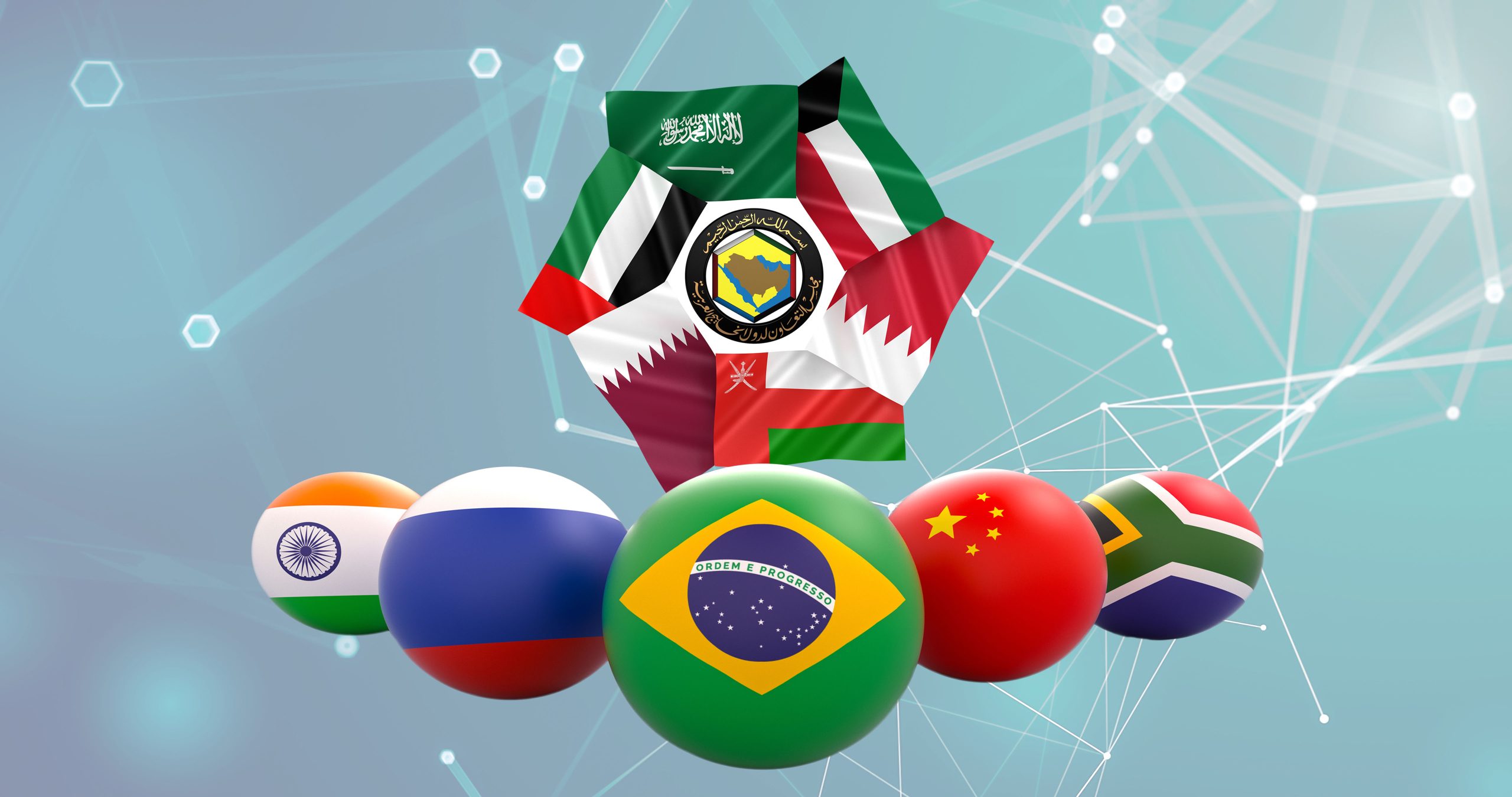
The integration of the UAE and Saudi Arabia into BRICS+ has quietly rewritten the rules for cross-border trade across the Gulf and beyond. Back when I first started scaling my own export operations in the region, deals often hinged on dollar-based letters of credit, Western banking rails, and endless compliance headaches. Fast-forward to 2026, and the landscape feels different—faster settlements, broader market access, and new layers of opportunity that didn’t exist five years ago.
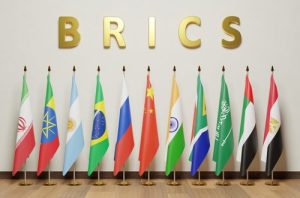
UAE & Saudi Arabia in BRICS+
I’ve watched firsthand how membership in this expanded bloc has opened doors for Gulf-based traders and suppliers. If you’re exporting commodities, machinery, construction materials, or even consumer goods from the GCC—or sourcing into it—this shift deserves your full attention. It isn’t just geopolitics; it’s cold, hard economics that can shave costs, unlock buyers, and hedge against volatility.
Why BRICS+ Membership Matters for GCC Trade Right Now
BRICS+ now includes heavyweights like China, India, Russia, Brazil, South Africa, plus newer members such as Egypt, Ethiopia, Iran, Indonesia, the UAE, and Saudi Arabia (with varying degrees of formal commitment from Riyadh, but active participation in summits and forums). Together, the group represents roughly 45% of the world’s population, over 35% of global GDP (PPP terms), and massive shares of energy production—over 40% of crude oil and significant natural gas.

BRICS+ Membership Matters for GCC Trade
For GCC economies, this isn’t abstract. The UAE formally joined in early 2024, and its non-oil trade with BRICS partners surged noticeably, with re-exports playing a starring role. Non-oil exports from the UAE to BRICS countries nearly doubled in recent years, while re-exports hit substantial figures. Saudi Arabia’s involvement, even if cautious, positions it to leverage similar gains without fully alienating traditional partners.
The real edge comes from reduced friction in payments, diversified demand, and strategic positioning as a bridge between East and West.
Remote Joint Ventures in Iraq: How UAE Investors Run Everything from Dubai in 2026
New Trade Corridors and Market Access Unlocked
Membership creates practical pathways that savvy exporters exploit immediately.
- Direct Access to Massive Buyer Pools — China and India remain hungry for energy, petrochemicals, aluminum, and food products. But now, intra-BRICS mechanisms encourage local-currency settlements or faster digital rails, cutting forex costs and delays that used to eat 3-7% of margins.
- Re-Export Boost in the Gulf — The UAE’s Jebel Ali and other hubs have always thrived on re-exporting to Asia, Africa, and beyond. BRICS+ amplifies this: goods processed or warehoused in Dubai or Abu Dhabi qualify more easily for preferential treatment when heading to India or Indonesia. Early data shows UAE re-exports to BRICS partners growing faster than average global flows.
- Investment-Led Trade — BRICS institutions like the New Development Bank (where the UAE participates) fund infrastructure in member states. This creates demand for GCC exports—think cement, steel, machinery for projects in Ethiopia or Egypt.
New Trade Corridors and Market Access Unlocked
Real example from the field: A contact running bulk commodities out of the UAE saw settlement times drop from weeks to days using BRICS-aligned digital payment pilots. The savings? Enough to undercut competitors still stuck on traditional wires by 4-5% on landed cost.
Inside Tendify: How Our AI Stops False-Positive Freezes in High-Risk B2B Deals
Payment and Currency Shifts: The Real Game-Changer
One of the biggest headaches in Gulf trade has always been dollar dependence—exposure to SWIFT delays, sanctions risks, and exchange volatility. BRICS+ pushes alternatives.
- Local Currency Settlements — Trade in yuan, rupees, or rupees-dirham pairs is rising. The UAE’s experiments with digital dirham and cross-border platforms align perfectly here.
- Reduced Dollar Costs — Similar to how Vostro/Nostro setups slashed expenses in India-UAE corridors, BRICS mechanisms offer parallel rails. Exporters report 2-5% savings on FX alone.
- Escrow and Digital Trust Layers — Platforms facilitating BRICS deals increasingly embed escrow, reducing the need for costly letters of credit.
If you’re still routing everything through dollars, you’re leaving money on the table.
Opportunities for Different Exporter Types
Here’s how the shift plays out across common GCC export categories:
Energy & Petrochemicals Saudi and UAE producers gain leverage in a bloc controlling huge oil/gas shares. Stable demand from China/India, plus potential parallel pricing mechanisms.
Construction Materials & Machinery Vision 2030-style projects in BRICS partners (e.g., Ethiopian infrastructure) crave GCC-grade cement, steel, and equipment. Lower barriers mean faster tender wins.
Food & Agri-Products GCC importers source more from Brazil or India; exporters flip it by supplying processed foods or tech to BRICS markets.
Re-Exporters & Traders Free zones in Dubai or Riyadh become even stronger hubs. Goods transiting GCC ports face fewer hurdles entering BRICS destinations.
High-Value or Niche Goods Electronics components, renewables gear—BRICS supply chains favor intra-bloc sourcing.
Challenges You Can’t Ignore
No shift is frictionless.
- Internal Rivalries — GCC competition (UAE vs. Saudi) could spill into BRICS forums, affecting harmonized positions.
- Regulatory Alignment — Compliance with varying standards (e.g., SABER in Saudi, new BRICS rules) requires updates to your playbook.
- Geopolitical Balancing — Full embrace risks straining Western ties, so many players hedge with parallel strategies.
Still, the upside outweighs these for proactive businesses.
Actionable Steps to Capitalize in 2026
- Audit Your Payment Flows — Shift at least 20-30% of BRICS-bound deals to local/digital alternatives. Test platforms aligned with BRICS pilots.
- Target BRICS Buyers Directly — Use directories and forums to connect. Prioritize India, China, Indonesia for quick wins.
- Leverage Re-Export Advantages — Route more volume through UAE/Saudi free zones for BRICS destinations. Track cost savings per container.
- Build Compliance Buffers — Update contracts with clauses covering currency shifts and multilateral rules.
- Network Strategically — Attend BRICS-linked events or Gulf forums. Relationships here move faster than cold outreach.
For deeper dives, check our guides on Types of Re-Export Setup in the UAE: Free Zone vs Mainland vs Bonded – Full 2026 Breakdown and How Vostro & Nostro Accounts Are Slashing Dollar Costs in India-UAE Trade (2026 Guide). They pair perfectly with this new landscape.
The bottom line? BRICS+ membership has turned the Gulf from a regional player into a pivotal node in global south-south trade. Businesses that adapt now—retooling payments, targeting new corridors, and hedging smartly—will capture outsized margins in the years ahead.
Ready to position your operations for this shift? Join Tendify today and access verified partners, secure payment tools, and real-time insights tailored for GCC-BRICS corridors. Sign up free and start building your next deal with confidence. Your competitors already are.